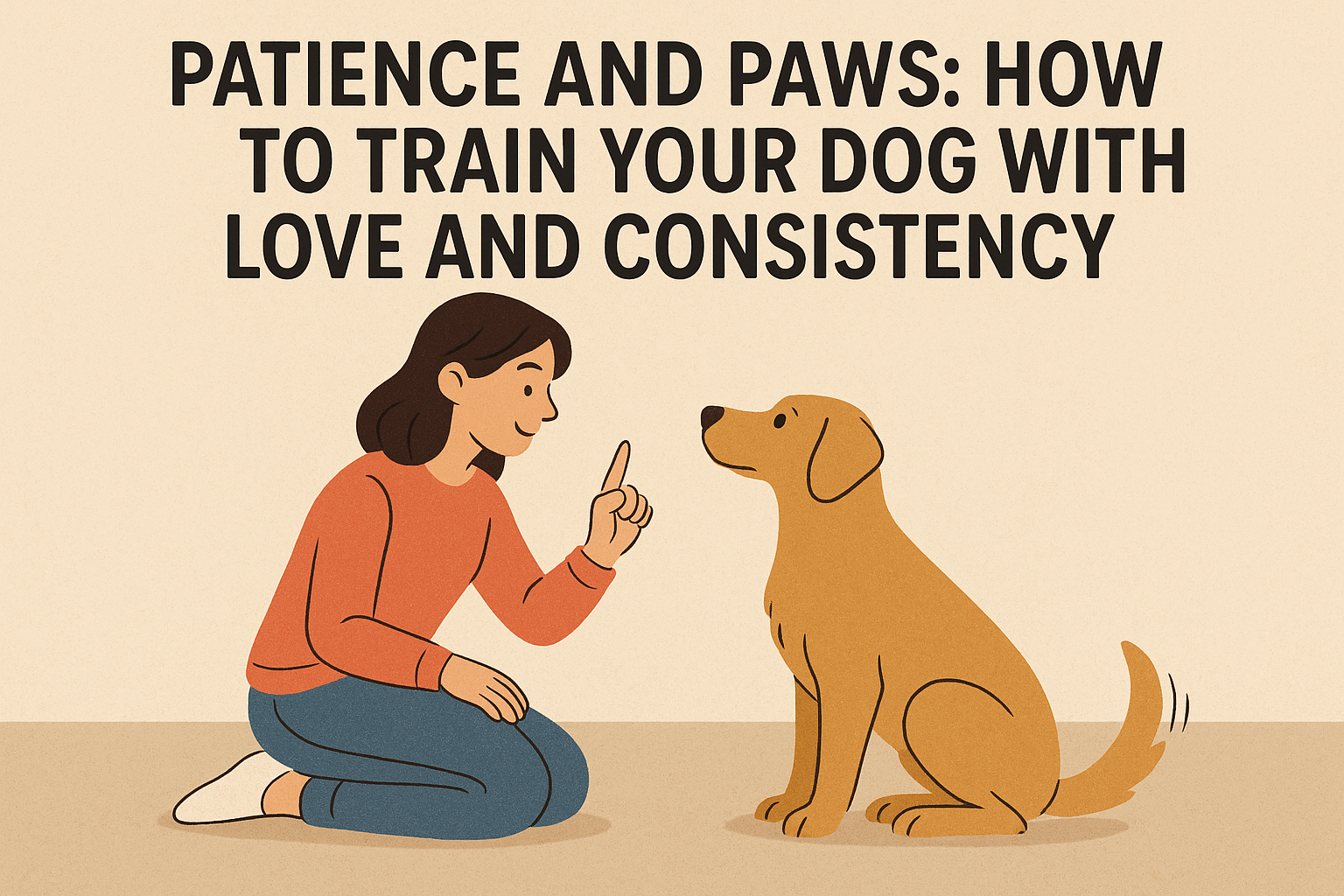
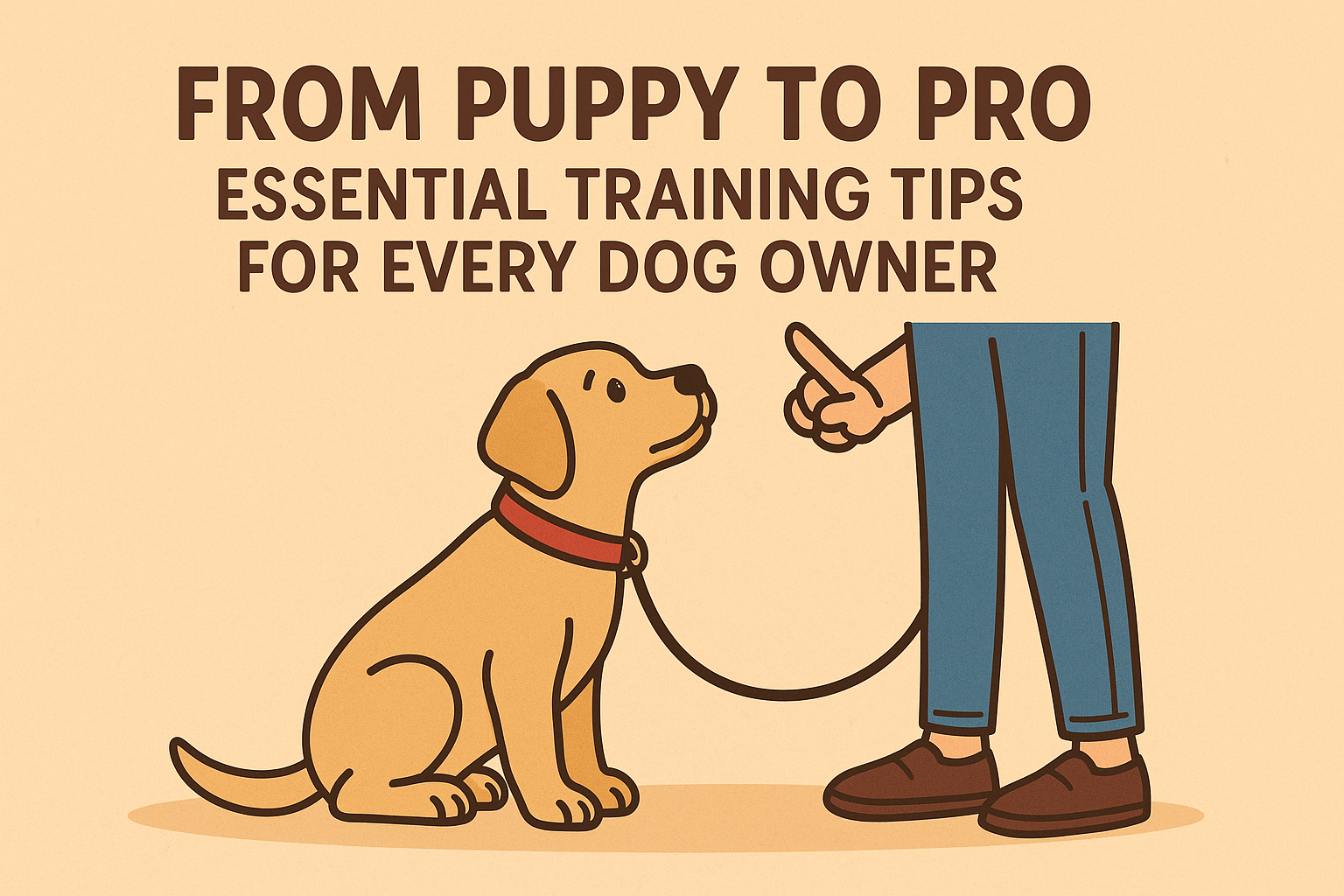
From Puppy to Pro: Essential Training Tips for Every Dog Owner
Introduction
Owning a dog is one of the most rewarding experiences in life. However, it comes with significant responsibilities, particularly in terms of training and socializing your pet. Whether you have a lively puppy or an adult rescue dog, effective training is crucial for a harmonious home life. In this article, we will explore essential training tips that every dog owner should know, helping you transform your furry companion from a puppy into a well-behaved adult dog.
Understanding Your Puppy’s Development
Puppies go through critical developmental stages that influence their behavior. Understanding these stages allows you to tailor your training approaches accordingly.
-
- Neonatal Stage (0-2 weeks): This is when they are completely dependent on their mother.
-
- Transitional Stage (2-4 weeks): Puppies begin to open their eyes and ears; their senses are developing.
-
- Socialization Stage (3-12 weeks): This is the most crucial period for socialization. Exposure to different people, animals, and environments is essential.
-
- Juvenile Stage (3-6 months): Dogs become more independent, and early training should continue to prevent behavioral issues.
Basic Training Principles
Before diving into specific commands and techniques, it’s important to establish some foundational principles to guide your training efforts:
-
- Consistency: Use the same commands and training methods to avoid confusing your dog.
-
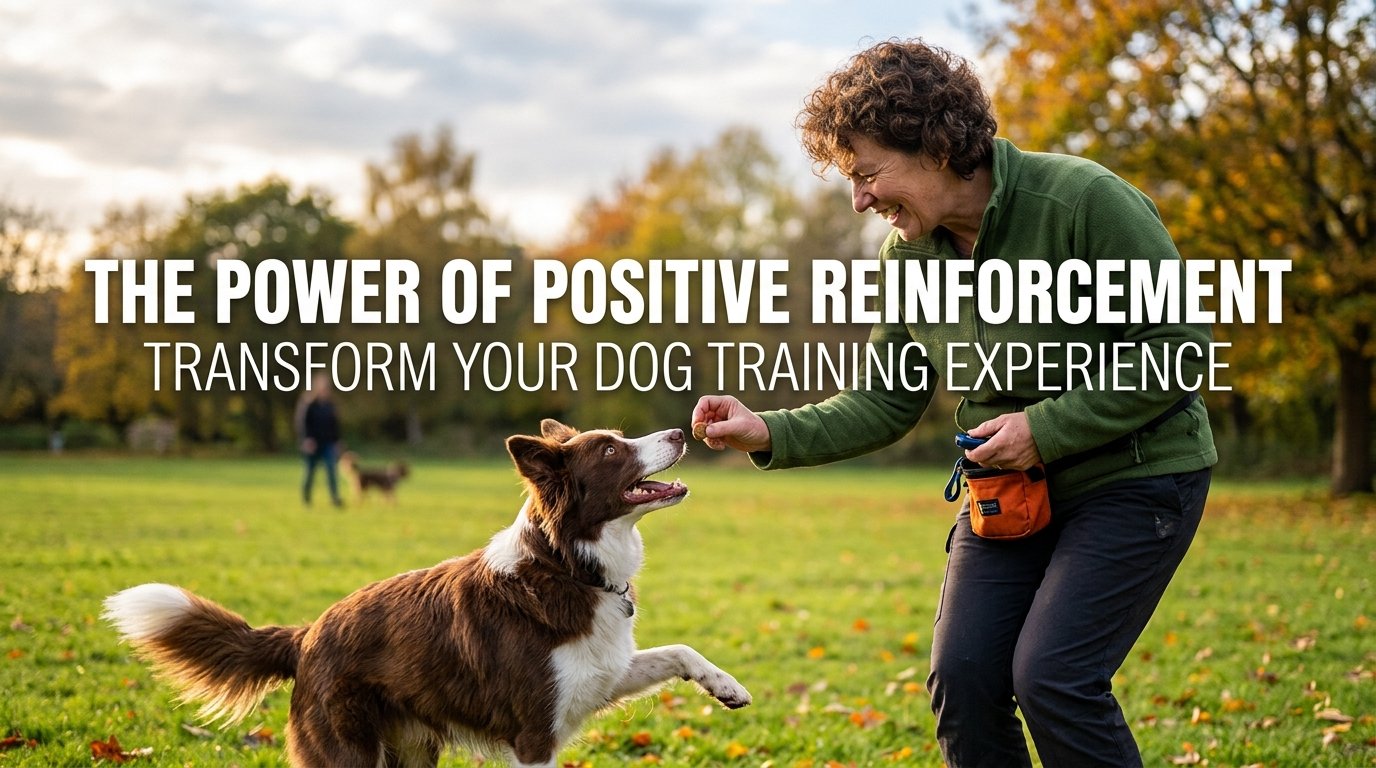
- Positive Reinforcement: Reward your dog for good behavior with treats, praise, or playtime.
-
- Patience: Training can be challenging. Be patient and understanding as your dog learns.
-
- Short Sessions: Keep training sessions brief, especially for puppies; aim for 5-10 minutes to maintain their focus.
Essential Commands Every Dog Should Know
Teaching your dog basic commands is fundamental for safety and communication. Here are the key commands:
1. Sit
This is one of the first commands to teach. It is foundational and can help establish control.
-
- Hold a treat close to your dog’s nose.
-
- Move your hand upward, allowing your dog’s head to follow the treat, causing his bottom to lower.
-
- Once in the sitting position, say “Sit!” and give the treat.
-
- Repeat until your dog gets the hang of it.
2. Stay
This command is useful for keeping your dog in one place.
-
- Ask your dog to sit, then open your hand in front of you and say “Stay.”
-
- Take a few steps back. If your dog stays, return and reward them.
-
- Gradually increase the distance and duration.
3. Come
The “Come” command can be a lifesaver in many situations.
-
- Put a leash on your dog and let them move a bit away from you.
-
- Call your dog using their name followed by “Come!”
-
- When they come to you, reward them with praise and a treat.
4. Down
This cmd helps in keeping your dog calm and relaxed.
-
- Hold a treat in your hand and let your dog sniff it.
-
- Move your hand to the floor, and when your dog follows, say “Down.”
-
- Reward when they lie down.
5. Leave It
This command is crucial for safety, preventing them from picking up something hazardous.
-
- Place a treat in both hands. Show them one and say “Leave it.”
-
- Close the fist and wait for them to lose interest. When they do, reward them with the treat from the other hand.
-
- Repeat until they respond consistently.
Socialization: The Key to a Well-Adjusted Dog
Socializing your puppy is just as important as training commands. Proper socialization can help prevent fear and aggression toward new experiences later in life.
-
- Exposure: Introduce your puppy to a variety of dogs, people, and environments to build their confidence.
-
- Positive Experiences: Ensure that all encounters are positive through treats, praise, and play.
-
- Puppy Classes: Consider enrolling your dog in a puppy kindergarten class for structured socialization.
Advanced Training Techniques
Once your dog has mastered basic commands, you may want to explore advanced training methods. These can further stimulate your dog mentally and physically.
-
- Agility Training: Involves navigating obstacles and can be great exercise and fun.
-
- Trick Training: Teaching tricks like “Roll over” or “Spin” can enhance your bond.
-
- Canine Good Citizen Program: This program encourages good manners and responsible pet ownership.
Dealing with Behavioral Issues
Every dog can develop behavioral issues. Here are common problems along with solutions:
1. Excessive Barking
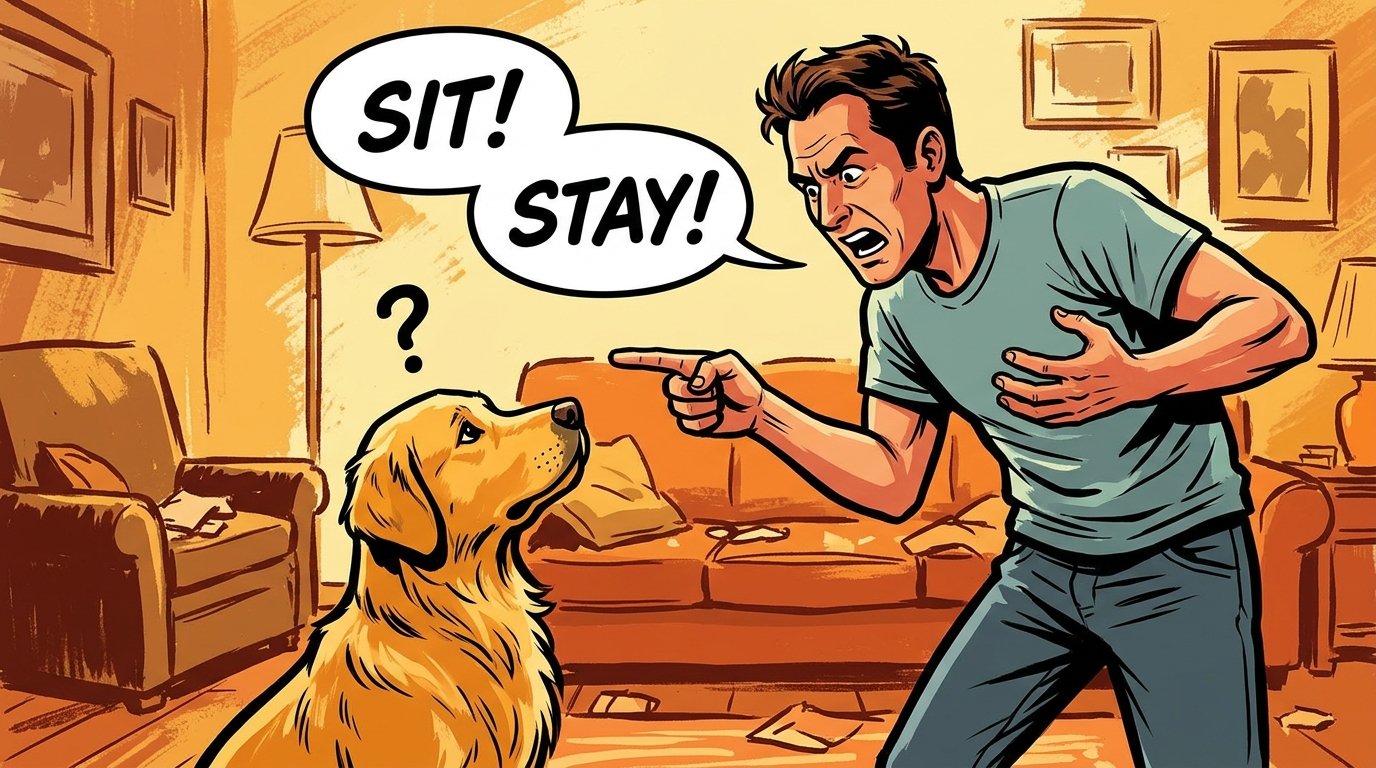
Identify the cause and address it. For example, if your dog barks for attention, ignore them until they stop.
2. Chewing
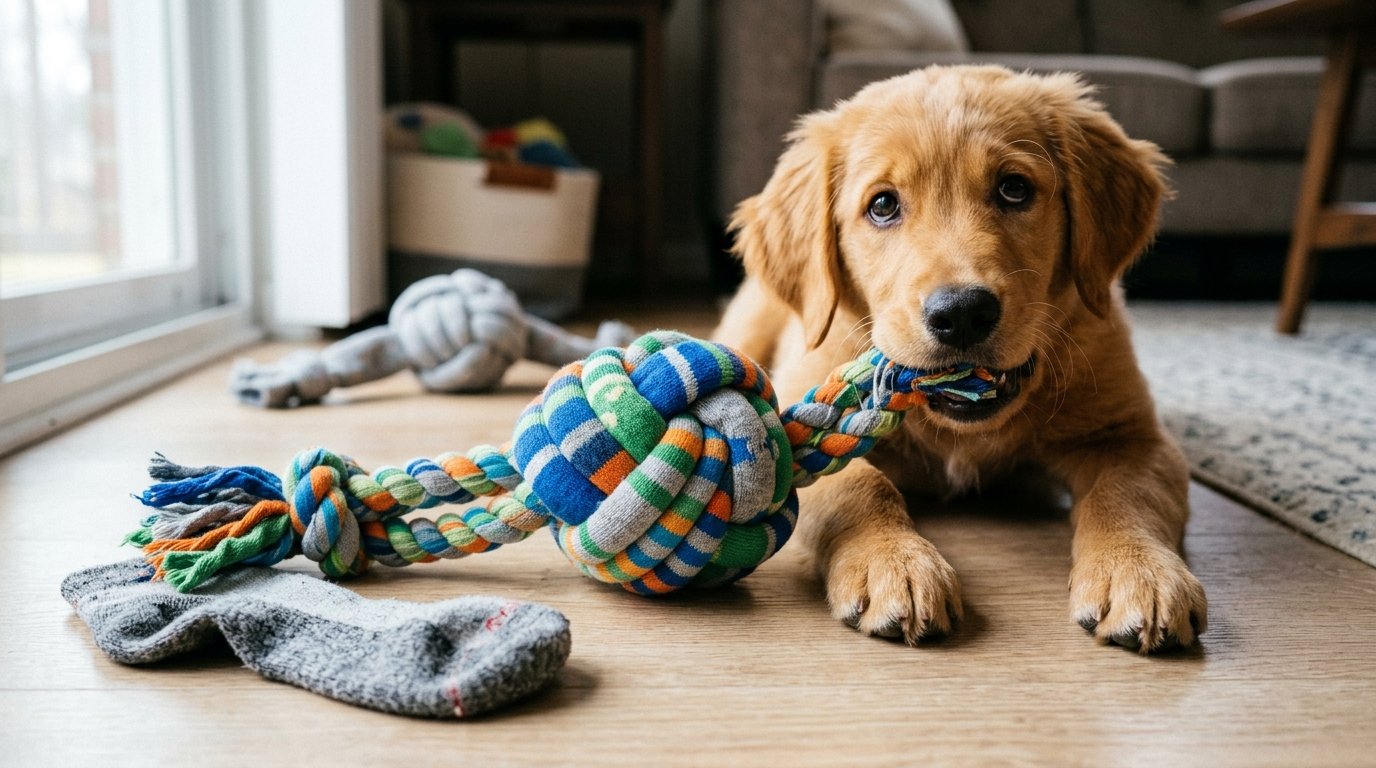
Provide plenty of appropriate chew toys. Redirect their attention to these items instead of furniture.
3. Jumping on People
Teach your dog to sit when greeting others. Reward them for calm behavior.
4. Pulling on the Leash
Use positive reinforcement to reward your dog for walking beside you instead of tugging.
Conclusion
Training your dog is a lifelong commitment, but the rewards are immeasurable. From teaching basic commands to addressing behavioral issues, the investment you make in your dog’s training positively impacts their happiness and your relationship. Remember to be patient, consistent, and utilize positive reinforcement to create a well-adjusted dog that brings joy to your life.
FAQs
Q1: How early should I start training my puppy?
A1: You can start training your puppy as early as 7-8 weeks old. Early socialization and basic training are crucial during the first few months.
Q2: What is the best method for house training?
A2: Consistent schedules, designated bathroom areas, and positive reinforcement when they go outside are effective for house training.
Q3: How long should training sessions be?
A3: Keep training sessions short and fun. For puppies, 5-10 minutes is ideal, while adult dogs may tolerate slightly longer sessions.
Q4: What should I do if my dog is misbehaving?
A4: Assess the root cause of the behavior, remain calm, and redirect them to appropriate behavior while providing consistent training.
Q5: Can I train my dog without professional help?
A5: Yes, many dog owners successfully train their pets using books, videos, and online resources. However, professional training can be beneficial, especially for serious behavioral issues.