Smart Feeding: How Technology is Transforming Animal Nutrition and Health
In recent years, the agricultural industry has undergone tremendous changes driven by advancements in technology. One significant area of transformation is in animal nutrition and health, where smart feeding systems are becoming essential tools for livestock management. This article explores how technology is reshaping animal nutrition, the benefits of smart feeding practices, and what the future might hold for this essential component of agriculture.
The Importance of Animal Nutrition
Animal nutrition plays a critical role in the health and productivity of livestock. Proper nutrition not only affects the well-being of animals but also influences food quality, production efficiency, and ultimately, the sustainability of farming practices. Nutritional imbalances can lead to a variety of health issues, affecting growth rates and productivity. Therefore, ensuring that livestock receive a balanced diet is vital.
Understanding Smart Feeding
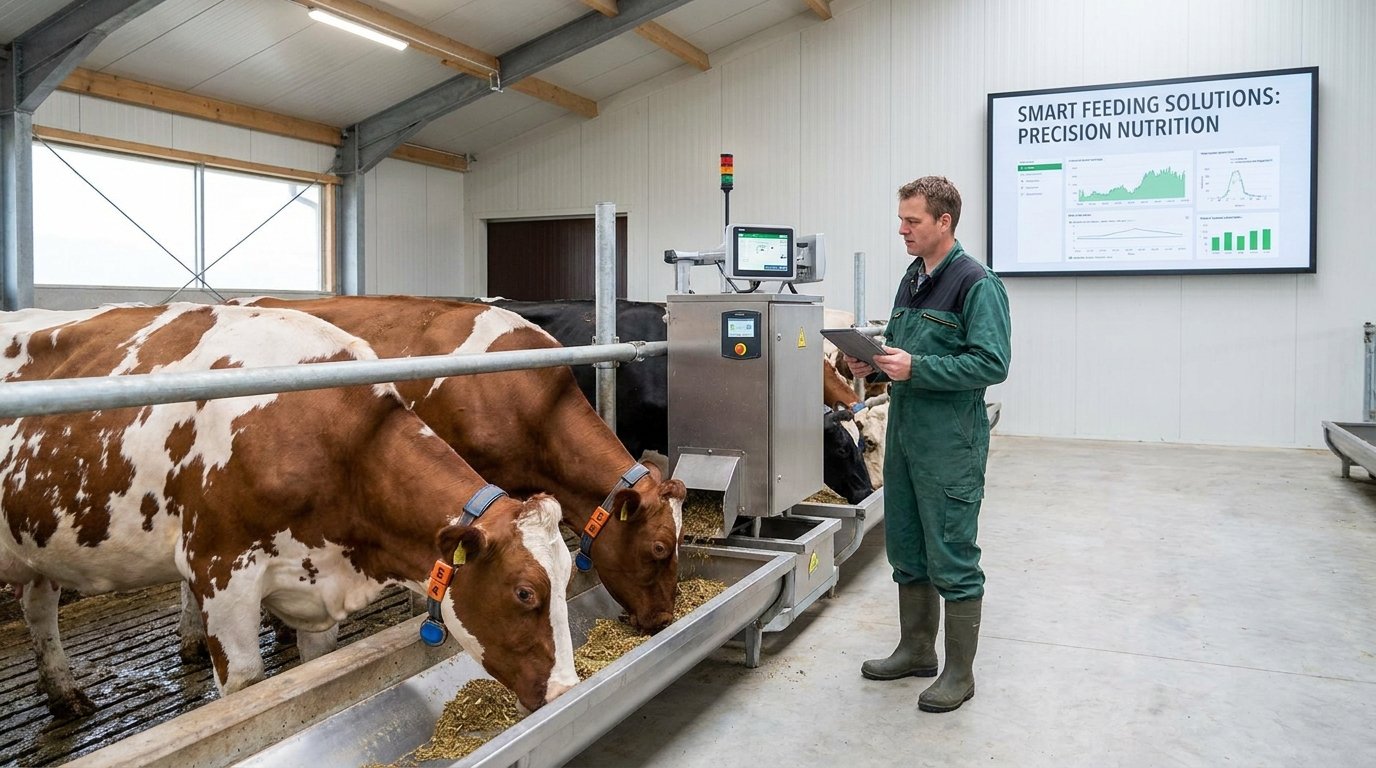
Smart feeding involves the use of technology to improve and optimize the feeding process for animals. This innovation integrates various technological solutions such as sensors, IoT devices, and data analytics to provide better monitoring and management of animal nutrition. Smart feeding systems can help farmers deliver the right feed at the right time, enhancing animal health and productivity.
How Technology is Changing Animal Nutrition
1. Precision Feeding
Precision feeding is one of the key innovations in smart feeding. It refers to the use of data analytics and sensors to determine the specific dietary requirements of each animal. With precision feeding, farmers can deliver customized diets tailored to the needs of individual animals based on factors like age, weight, and health status. This individualized approach helps maximize nutrient absorption, reduces waste, and improves overall herd health.
2. Automated Feeding Systems
Automated feeding systems utilize advanced robotics and machinery to provide feed to livestock at predetermined intervals. These systems can be programmed to mix and dispense precise amounts of feed, ensuring animals receive balanced nutrients. Automation reduces labor costs and minimizes human error in feeding practices, allowing farmers to focus on other critical aspects of management.
3. Nutritional Monitoring Through Wearables
Wearable technology for livestock is rapidly gaining traction. Devices such as smart collars can monitor the health and activity levels of individual animals. They provide valuable data that can be used to assess dietary intake and health status. By analyzing this data, farmers can adjust feeding regimens accordingly, ensuring that animals receive the appropriate nutrition based on their activity levels and health needs.
4. Data Analytics and Management
The incorporation of big data into animal nutrition allows farmers to analyze vast amounts of information related to feeding practices, animal performance, and health outcomes. Data analytics tools can identify trends and provide insights that inform better decision-making regarding nutrition and feeding schedules. Insights derived from these analyses can lead to optimized feeding strategies that enhance productivity and reduce costs.
5. Sustainable Feeding Practices
Smart feeding technologies contribute to sustainability by minimizing feed waste and improving resource efficiency. By calculating the precise nutritional needs of animals, farmers can reduce overfeeding and, in turn, lower the environmental impact of livestock farming. Sustainable feeding not only benefits animal health but also contributes to the overall health of the planet.
Benefits of Smart Feeding Technologies
The integration of smart feeding technologies in animal husbandry presents numerous benefits:
-
- Improved Animal Health: Tailored feeding improves nutrition absorption and boosts the overall health of animals.
-
- Costi Reduction: Automation and optimized feeding practices reduce labor costs and feed wastage.
-
- Increased Efficiency: Data-driven insights enable farmers to optimize feeding schedules and practices, increasing productivity.
-
- Sustainability: Smart feeding promotes eco-friendly practices by reducing the environmental footprint of livestock farming.
-
- Better Decision Making: Access to real-time data empowers farmers and enhances decision-making processes.
Challenges in Implementing Smart Feeding Technologies
While the advantages of smart feeding are compelling, several challenges exist in its widespread adoption:
-
- Cost of Technology: The upfront investment for advanced feeding systems may be high, making it less accessible for small-scale farmers.
-
- Technical Expertise: Farmers may require training to effectively use and maintain these technologies.
-
- Data Management: Handling and analyzing large volumes of data can be overwhelming and may necessitate additional support systems.
-
- Infrastructure: Adequate infrastructure is essential to support advanced technology, which may not be available in all regions.
The Future of Smart Feeding in Animal Nutrition
As technology continues to evolve, the future of smart feeding looks promising. Innovations in artificial intelligence, machine learning, and robotics are expected to further enhance livestock management practices. We may see advancements such as:
-
- AI-Powered Decision Support Systems: These systems could provide real-time recommendations for feeding based on individual animal data, optimizing nutrition at every stage of growth.
-
- Enhanced Integration: Smart feeding systems may be integrated with other farm management tools, creating a holistic view of animal health and nutrition.
-
- Blockchain Technology: Blockchain could improve traceability in animal nutrition, ensuring that feed quality is monitored and maintained.
-
- Personalized Nutrition: Future developments may lead to even more personalized feeding programs, taking into account changes in health status, genetics, and environmental conditions.
Conclusion
Smart feeding technologies are at the forefront of transforming animal nutrition and health. With the growing global demand for food and the need for sustainable farming practices, leveraging technology in this area is essential. By adopting smart feeding practices, farmers can enhance productivity, improve animal welfare, and contribute to a more sustainable agricultural system. While challenges remain in implementing these technologies, the future holds exciting possibilities that can lead to healthier livestock, increased efficiency, and reduced environmental impact.
FAQs
What is smart feeding in animal nutrition?
Smart feeding refers to the use of technology and data analytics to optimize animal feeding practices, ensuring that livestock receive the right nutrients at the right time.
How does precision feeding work?
Precision feeding uses data from sensors and analytics to tailor diets to the specific needs of individual animals based on their health, age, and weight.
What are the benefits of automated feeding systems?
Automated feeding systems improve efficiency, reduce labor costs, minimize human error, and ensure that livestock receive precise amounts of feed.
Are there challenges to implementing smart feeding technologies?
Yes, challenges include the cost of technology, the need for technical expertise, data management issues, and infrastructure limitations.
How can smart feeding contribute to sustainability?
Smart feeding minimizes feed waste, enhances resource efficiency, and reduces the environmental impact of livestock farming through optimized feeding practices.