
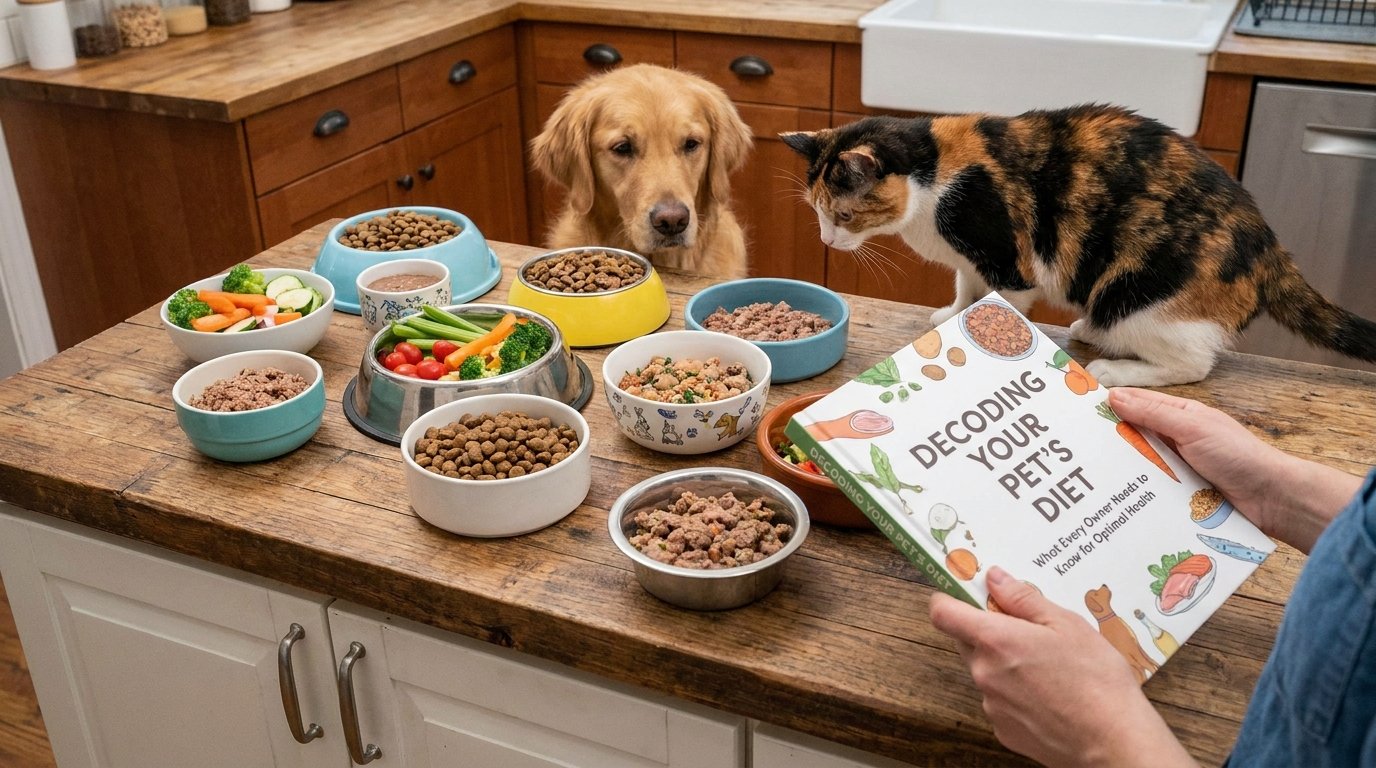
Unlock the secrets to optimal pet health! Learn how to decode your pet’s diet, understand nutritional needs, and make informed choices for a vibrant, happy life.
Understanding the Cornerstones of Your Pet’s Diet
As pet parents, we want nothing more than to see our furry, feathered, or scaled companions thrive. A crucial pillar of their well-being is their pet diet. It’s not just about filling their bowls; it’s about providing the right balance of nutrients to support their energy levels, maintain a healthy weight, bolster their immune system, and ensure a long, happy life.
The foundation of any healthy pet diet lies in understanding the species-specific needs of your animal. A cat’s nutritional requirements, for instance, are vastly different from a dog’s, and a guinea pig’s diet bears no resemblance to a parrot’s. Ignoring these fundamental differences can lead to significant health issues down the line.
Each species has evolved with distinct metabolic processes and dietary adaptations. Dogs, as omnivores, can digest a wider range of foods, while cats are obligate carnivores, requiring a high protein intake with specific amino acids like taurine. Even within species, factors such as age, breed, activity level, and health status dramatically influence the ideal pet diet.
Essential Nutrients: More Than Just Calories
A balanced pet diet provides six key nutrient classes: proteins, fats, carbohydrates, vitamins, minerals, and water. Each plays a vital role in bodily functions, from cellular repair to energy production.
Proteins are the building blocks of muscle, skin, hair, and enzymes. High-quality animal-based proteins are often preferred for dogs and essential for cats. Fats provide concentrated energy, aid in vitamin absorption, and are crucial for healthy skin and coats. Essential fatty acids, like Omega-3s and Omega-6s, are vital for brain and joint health.
Carbohydrates offer quick energy and fiber, supporting digestive health. While less critical for obligate carnivores like cats, moderate amounts are beneficial for many dog breeds. Vitamins and minerals, though needed in smaller quantities, are indispensable for countless metabolic processes, immune function, and bone health. Lastly, water is arguably the most critical nutrient, facilitating nutrient transport, temperature regulation, and waste elimination.
Decoding Commercial Pet Food Labels: What’s Really Inside?
Walking down the pet food aisle can be overwhelming. The sheer number of brands, formulas, and claims can make choosing the right pet diet feel like an impossible task. Understanding how to read and interpret pet food labels is a superpower every pet owner should possess.
Labels are regulated by bodies like the Association of American Feed Control Officials (AAFCO) in the US, which sets standards for nutritional adequacy. Look for an AAFCO statement confirming the food is “complete and balanced” for a specific life stage (e.g., “for growth,” “for adult maintenance,” or “for all life stages”).
Ingredients List: Quality Over Quantity
The ingredients list is presented in descending order by weight. This means the first few ingredients make up the bulk of the food. For most carnivores and omnivores, you want to see a named meat source (e.g., “chicken,” “beef,” “salmon”) as the first or second ingredient, not “meat meal” or generic “animal fat.”
Be wary of vague terms like “meat by-products” without further specification, or excessive fillers like corn, wheat, and soy, which can be allergens for some pets and offer less nutritional value than whole grains or vegetables. While not all by-products are bad (e.g., organ meats are highly nutritious), transparency is key.
Understanding what goes into your pet’s diet is fundamental to their long-term health. Look for whole food ingredients, a balance of macronutrients, and the absence of artificial colors, flavors, and preservatives that offer no nutritional benefit.
Guaranteed Analysis: More Than Just Percentages
The guaranteed analysis provides the minimum percentage of crude protein and crude fat, and the maximum percentage of crude fiber and moisture. This can be misleading, especially when comparing wet food to dry food, because moisture content varies greatly.
To make an accurate comparison, convert both to a “dry matter basis.” For example, if a dry food has 10% moisture and 25% protein, it has 27.7% protein on a dry matter basis (25% / 0.90 = 27.7%). If a wet food has 75% moisture and 8% protein, it has 32% protein on a dry matter basis (8% / 0.25 = 32%). This conversion reveals the true nutritional density.
Beyond Kibble: Exploring Alternative Pet Diet Options
While commercial kibble is convenient and often nutritionally complete, many pet owners are exploring alternative pet diet options. These include wet food, raw diets, home-cooked meals, and dehydrated or freeze-dried foods. Each comes with its own set of benefits and considerations.
Wet Food Advantages
Wet food often has higher moisture content, which is beneficial for hydration, especially for cats prone to urinary tract issues. It can also be more palatable for picky eaters and offers a wider variety of textures and flavors. Wet food is typically less calorie-dense than kibble per serving, which can be helpful for weight management, but check the dry matter analysis.
While often more expensive than kibble, the high moisture content in wet food can contribute to a feeling of fullness. This makes it an excellent choice for pets that need to lose weight or those who struggle with adequate water intake from drinking bowls alone.
Raw and Home-Cooked Diets: Pros and Cons
Raw (BARF – Biologically Appropriate Raw Food or Prey Model) and home-cooked diets aim to mimic a pet’s ancestral diet or offer a highly controlled, fresh alternative. Proponents believe these diets can lead to shinier coats, cleaner teeth, improved digestion, and higher energy levels.
However, these diets require meticulous research, preparation, and supplementation to ensure they are nutritionally complete and balanced. Without proper formulation, they can lead to severe nutrient deficiencies or excesses. Raw diets also carry risks of bacterial contamination (e.g., Salmonella, E. coli) for both pets and humans, demanding strict hygiene practices.
Consulting with a veterinary nutritionist is highly recommended if you consider a raw or home-cooked pet diet. They can help create a balanced recipe tailored to your pet’s specific needs and advise on safe handling practices. Never embark on these diets without professional guidance.
Dehydrated and Freeze-Dried Foods
These options offer some benefits of raw or home-cooked diets with added convenience. They involve removing moisture from whole ingredients, preserving nutrients without cooking. They are often rehydrated with water before serving.
They offer a middle ground: less risk of bacterial contamination than raw, often highly palatable, and perceived as less processed than kibble. However, they can be costly and still require careful selection to ensure a complete and balanced nutritional profile.
Smart Feeding Technology for Optimal Pet Diet Management
Modern technology offers innovative solutions to help manage your pet’s diet, ensuring they receive meals on time and in correct portions. Smart feeders and related gadgets can monitor eating habits, dispense food automatically, and even connect to apps for remote control and data tracking. This can be particularly useful for busy owners or pets with specific dietary needs.
Comparison of Smart Pet Feeders
| Product | Price | Pros | Cons | Best For |
|---|---|---|---|---|
| PetSafe Smart Feed | $199 | Schedules up to 12 meals, slow-feed option, app controlled. | Occasional Wi-Fi connectivity issues reported. | Pets needing strict portion control and owners on the go. |
| WOPET Automatic Feeder | $89 | Affordable, voice recorder, anti-clog design, battery backup. | Only schedules 4 meals per day, no remote app control. | Budget-conscious owners seeking basic automation. |
| Arf Pets Automatic Feeder | $129 | Large capacity, customizable portions, video camera for monitoring. | App interface can be clunky, requires power outlet. | Owners wanting visual monitoring of their pet’s mealtime. |
Navigating Special Dietary Needs and Health Conditions
Just like humans, pets can develop unique dietary requirements due to age, specific health conditions, or allergies. Recognizing these needs and adjusting their pet diet accordingly is crucial for managing symptoms and promoting recovery or comfort.
Age-Specific Diets: From Puppy to Senior
Nutritional needs change dramatically throughout a pet’s life. Puppies and kittens require higher protein and calorie counts to support rapid growth and development. Adult pets need maintenance diets to sustain energy without overfeeding. Senior pets often benefit from fewer calories, easily digestible ingredients, and supplements for joint health, as their metabolism slows down and activity decreases.
Transitioning between life stages should be gradual to avoid digestive upset. Always choose foods formulated specifically for the relevant life stage, as confirmed by an AAFCO statement or similar regulatory body.
Allergies and Sensitivities: Identifying Triggers
Food allergies and sensitivities in pets can manifest as skin issues (itching, redness, rashes), digestive problems (vomiting, diarrhea), or chronic ear infections. Common culprits include specific proteins (chicken, beef, dairy), grains (wheat, corn), or artificial additives.
Identifying an allergen often involves a strict elimination diet, under veterinary guidance. This means feeding a novel protein source (one your pet hasn’t eaten before) or a hydrolyzed protein diet for several weeks, then reintroducing potential allergens one by one to pinpoint the trigger. Once identified, a hypoallergenic or limited ingredient pet diet is essential.
Managing Chronic Diseases with Diet
Diet plays a pivotal role in managing many chronic pet health conditions:
– **Kidney Disease:** Low phosphorus, controlled protein, and increased omega-3 fatty acids.
– **Diabetes:** High fiber, complex carbohydrates, and consistent feeding schedules.
– **Obesity:** Reduced calorie, high fiber diets to promote satiety and weight loss.
– **Urinary Issues:** Specially formulated diets to manage pH levels and dissolve certain types of crystals.
– **Gastrointestinal Disorders:** Highly digestible ingredients, prebiotics, and probiotics.
These prescription diets are formulated by veterinary nutritionists to provide therapeutic support and should only be used under the supervision of a veterinarian. Never attempt to treat a serious medical condition with dietary changes without professional advice.
The Role of Supplements and Hydration in Your Pet’s Diet
While a complete and balanced pet diet should ideally provide all necessary nutrients, there are instances where supplements can play a supportive role. Hydration, often overlooked, is equally vital for overall health.
When Are Supplements Necessary?
Supplements are not a substitute for a balanced pet diet. They are generally recommended for specific situations:
– **Aging Pets:** Glucosamine and chondroitin for joint health, omega-3s for cognitive function.
– **Pets with Deficiencies:** Correcting diagnosed vitamin or mineral shortages.
– **During Recovery:** Supporting healing after illness or surgery (e.g., probiotics for gut health after antibiotics).
– **Specific Breed Needs:** Some breeds are predisposed to certain conditions that supplements might help mitigate.
Always consult your veterinarian before adding any supplements to your pet’s diet. Over-supplementation can be as harmful as deficiency, leading to imbalances or toxicity. Your vet can recommend appropriate dosages and types based on your pet’s individual needs and existing diet.
The Critical Importance of Hydration
Water is essential for every bodily function, from nutrient absorption and waste removal to temperature regulation. Dehydration can quickly lead to serious health problems. Ensure your pet always has access to fresh, clean water.
Tips for encouraging water intake:
– **Multiple Water Bowls:** Place bowls in various locations around your home.
– **Water Fountains:** Many pets prefer running water, which pet fountains provide.
– **Cleanliness:** Wash water bowls daily to prevent bacterial growth.
– **Wet Food:** Incorporate wet food into their pet diet to increase moisture intake.
– **Flavor Enhancers:** A small amount of low-sodium broth can make water more appealing (check ingredients for pet safety).
Monitor your pet’s water intake, especially during hot weather or if they are ill. Reduced drinking can be an early sign of a health issue.
Practical Tips for Transitioning and Monitoring Your Pet’s Diet
Making changes to your pet’s diet, even if for the better, should always be done gradually. A sudden switch can lead to digestive upset, including vomiting, diarrhea, or a refusal to eat. Monitoring your pet’s response is key to ensuring the new diet is a good fit.
The Gradual Transition Method
A typical transition period lasts 7-10 days, though some sensitive pets may need longer.
1. **Days 1-3:** Mix 25% new food with 75% old food.
2. **Days 4-6:** Mix 50% new food with 50% old food.
3. **Days 7-9:** Mix 75% new food with 25% old food.
4. **Day 10 onwards:** 100% new food.
Observe your pet closely during this period. If any digestive issues arise, slow down the transition or consult your vet. This gradual approach allows your pet’s digestive system to adapt to the new ingredients and nutrient ratios in their pet diet.
Monitoring Your Pet’s Response
Once you’ve fully transitioned to a new pet diet, continue to monitor for signs of good health and any adverse reactions.
– **Energy Levels:** A healthy pet should be active and alert.
– **Coat Condition:** A shiny, soft coat is a good indicator of proper nutrition.
– **Stool Quality:** Healthy stools are firm, moist, and consistent. Diarrhea or excessive straining can indicate a problem.
– **Weight:** Maintain an ideal body condition score. You should be able to feel their ribs without seeing them prominently, and they should have a discernible waist.
– **Appetite:** Consistent and enthusiastic eating is a good sign. Any refusal to eat or a significant change in appetite warrants veterinary attention.
Regular veterinary check-ups are also essential to assess your pet’s overall health and discuss any concerns regarding their pet diet. Your vet can provide tailored advice based on your pet’s specific needs and medical history.
Decoding your pet’s diet is a continuous journey of learning and adaptation. By understanding their unique nutritional needs, carefully evaluating food options, and working closely with your veterinarian, you empower your companion to live their happiest, healthiest life. The choices you make regarding their food today will profoundly impact their vitality tomorrow.
For more insights or collaboration opportunities, visit www.agentcircle.ai.
Frequently Asked Questions (FAQ)
How often should I feed my pet?
The frequency of feeding depends on your pet’s age, size, and activity level. Puppies and kittens typically need 3-4 meals a day, while most adult dogs and cats do well with 1-2 meals daily. Consult your vet for personalized recommendations.
Is grain-free food better for my pet?
Grain-free diets became popular due to concerns about allergies, but grains are not inherently bad. For pets without grain allergies, grains can provide valuable nutrients and fiber. Recent studies have also linked some grain-free diets to potential cardiac issues in dogs; discuss this with your vet before making a switch.
How can I tell if my pet is overweight?
You should be able to easily feel your pet’s ribs, and they should have a visible waist when viewed from above. If you can’t feel their ribs without pressing hard, or if they lack a waistline, they are likely overweight. A body condition score chart can help assess this more precisely.
Can I feed my pet human food scraps?
While some human foods are safe for pets in moderation, many are not. Foods like grapes, chocolate, onions, garlic, and xylitol are toxic. High-fat or heavily seasoned foods can also cause pancreatitis or digestive upset. Stick to pet-specific treats and foods, or consult a vet before sharing human food.
What is the best type of bowl for my pet?
Stainless steel bowls are generally recommended as they are durable, easy to clean, and less likely to harbor bacteria than plastic. Ceramic bowls can also be a good option, but ensure they are lead-free. Always prioritize cleanliness regardless of the material.
 PRINCE2030