
Understanding Diabetes in Pets
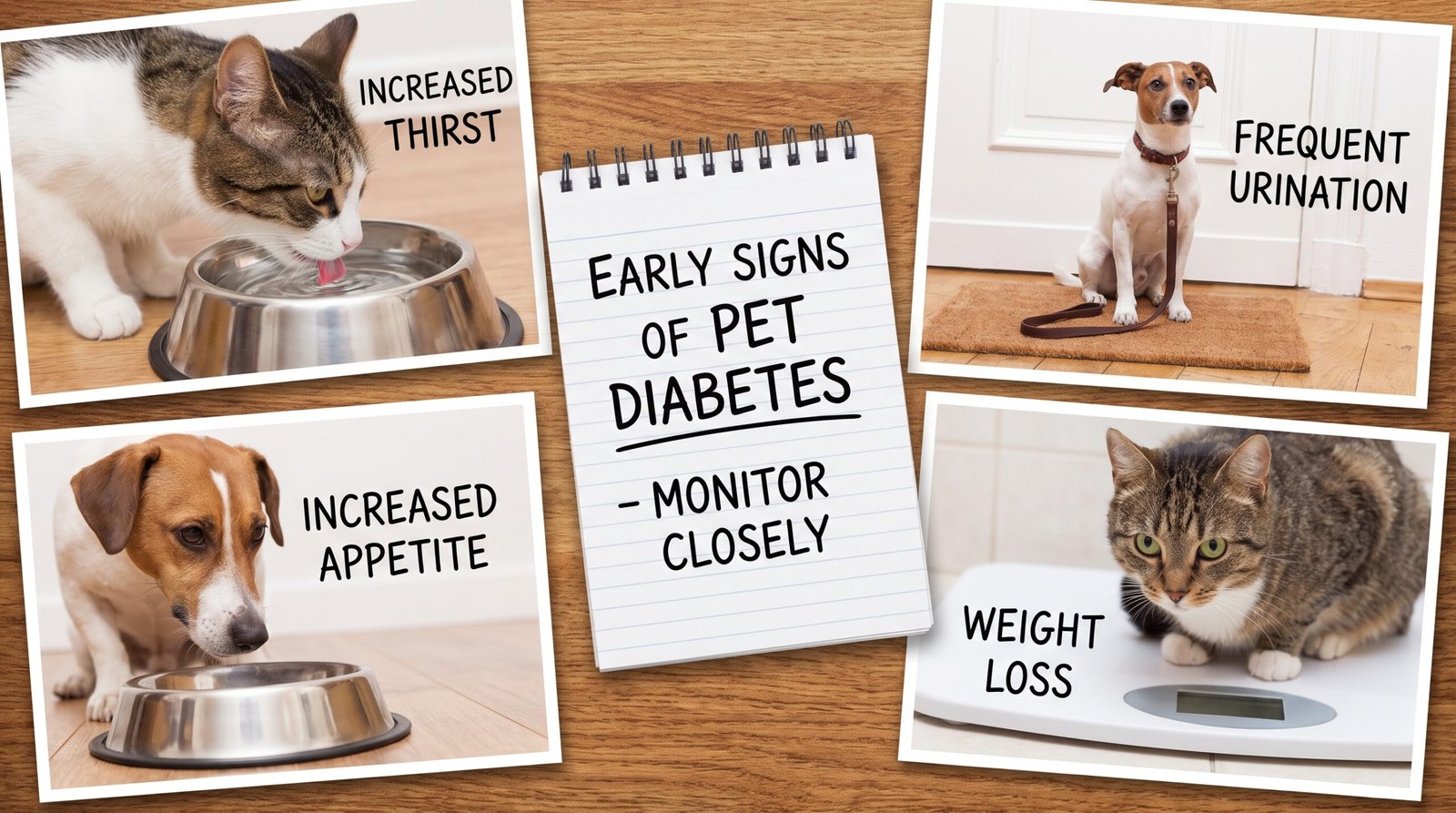
Diabetes mellitus is one of the most common hormonal disorders affecting both dogs and cats, especially middle-aged and senior pets. The disease develops when the body cannot produce enough insulin or cannot use insulin effectively, causing blood sugar levels to remain dangerously high. In dogs, diabetes is usually insulin-dependent, while many diabetic cats develop a condition that resembles Type 2 diabetes in humans. Recent veterinary guidance continues to emphasize that early recognition dramatically improves treatment success and reduces life-threatening complications.
Think of insulin as a key that unlocks your pet’s cells so glucose can enter and provide energy. Without that key, glucose stays trapped in the bloodstream while the body’s cells begin starving for fuel. The result is a strange combination of high blood sugar and low cellular energy. This explains why diabetic pets often eat more yet lose weight at the same time. The body begins breaking down fat and muscle to compensate for the missing energy, creating visible physical changes that attentive owners can detect early. Learning these subtle warning signs before the disease progresses can save your pet from severe complications and expensive emergency treatment.
Why Early Detection Matters
Many owners mistakenly believe that increased drinking or frequent bathroom breaks are simply signs of aging. Unfortunately, these subtle changes often represent the earliest clues that diabetes is developing. The earlier diabetes is diagnosed, the easier it is to stabilize blood glucose levels, protect organs, and avoid emergencies like diabetic ketoacidosis. Veterinary professionals consistently recommend scheduling an examination whenever these symptoms persist for more than a few days without another obvious explanation.
Early diagnosis also gives veterinarians the opportunity to identify related conditions before permanent damage occurs. High blood sugar affects the kidneys, nerves, eyes, immune system, and urinary tract over time. Dogs frequently develop cataracts that may eventually cause blindness, while cats may experience hind-leg weakness due to diabetic neuropathy. Prompt treatment often slows or prevents many of these complications. Instead of viewing diabetes as a life sentence, modern veterinary medicine considers it a manageable chronic disease when owners recognize the signs early and commit to consistent care.
Common Early Signs of Pet Diabetes
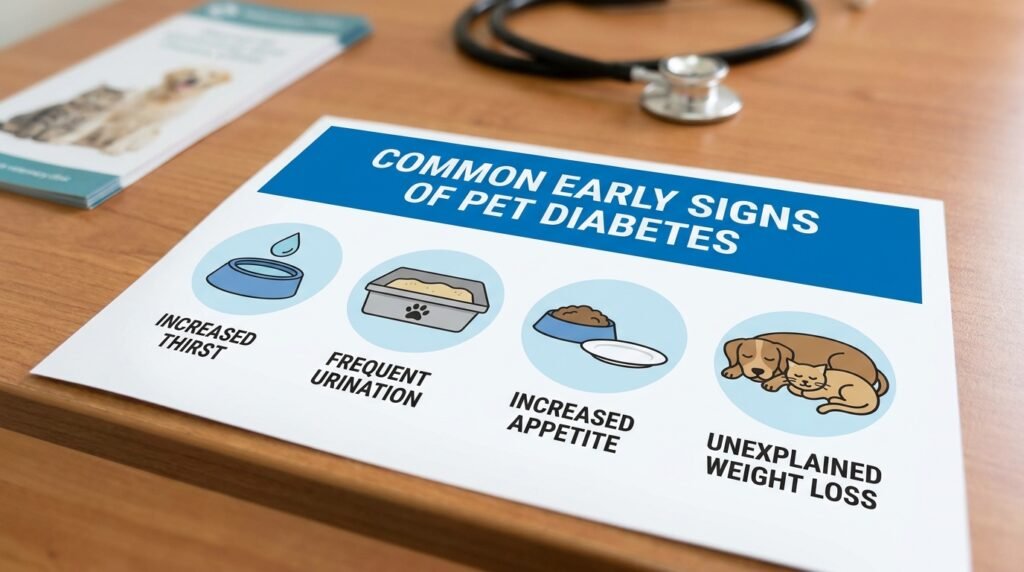
The earliest symptoms are usually gradual rather than dramatic. One of the first changes most owners notice is increased thirst. Your pet may empty the water bowl much faster than usual or repeatedly ask to go outside for additional drinks. Because excess glucose spills into the urine, the kidneys pull extra water from the body, leading to dehydration and excessive thirst.
Closely connected to increased drinking is frequent urination. Dogs may suddenly ask to go outside during the night or begin having accidents indoors despite years of successful house training. Cats may fill the litter box much faster or start urinating outside the box because they simply cannot hold the increased urine volume. These changes are among the most reliable early indicators of diabetes and should never be ignored.
Another classic symptom is weight loss despite an increased appetite. Many owners become confused because their pet seems hungrier than ever while simultaneously becoming thinner. Since glucose cannot enter the cells efficiently, the body burns fat and muscle for energy. This leads to noticeable weight loss even though food consumption increases. If your pet constantly begs for food but continues losing body condition, diabetes should be considered as a possible cause.
As diabetes progresses, many animals become less energetic. Walks become shorter, play sessions end sooner, and sleeping increases. Dogs may hesitate before climbing stairs, while cats often spend more time resting than exploring. Reduced energy reflects the body’s inability to use glucose efficiently. Some diabetic dogs eventually develop cloudy eyes due to cataracts, while diabetic cats may begin walking flat-footed on their back legs because of nerve damage. These later signs indicate the disease has already progressed and require immediate veterinary evaluation.
| Early Warning Sign | Why It Happens | Should You Call a Vet? |
|---|---|---|
| Increased thirst | High blood sugar causes dehydration | Yes |
| Frequent urination | Excess glucose leaves through urine | Yes |
| Increased appetite | Cells lack usable energy | Yes |
| Weight loss | Body burns fat and muscle | Yes |
| Fatigue | Poor glucose utilization | Yes |
| Cloudy eyes (dogs) | Cataract formation | Immediately |
Risk Factors Every Pet Owner Should Know
Not every pet has the same risk of developing diabetes. Age is one of the strongest factors. Most diabetic dogs receive their diagnosis between seven and eleven years old, while diabetic cats are commonly older than seven years. Obesity also dramatically increases the risk, especially in cats, because excess body fat contributes to insulin resistance. Sedentary indoor lifestyles, poor diet, and limited exercise further increase susceptibility.
Certain breeds appear genetically predisposed as well. Although diabetes can affect any breed or mixed-breed animal, veterinarians frequently monitor higher-risk breeds more closely. Hormonal disorders, pancreatitis, and some medications such as long-term corticosteroids may also contribute to diabetes development. Maintaining a healthy body weight throughout your pet’s life remains one of the simplest and most effective preventive measures. Regular veterinary wellness examinations become increasingly valuable as pets enter their senior years because subtle symptoms may be identified before owners notice them at home.
How Veterinarians Diagnose Diabetes
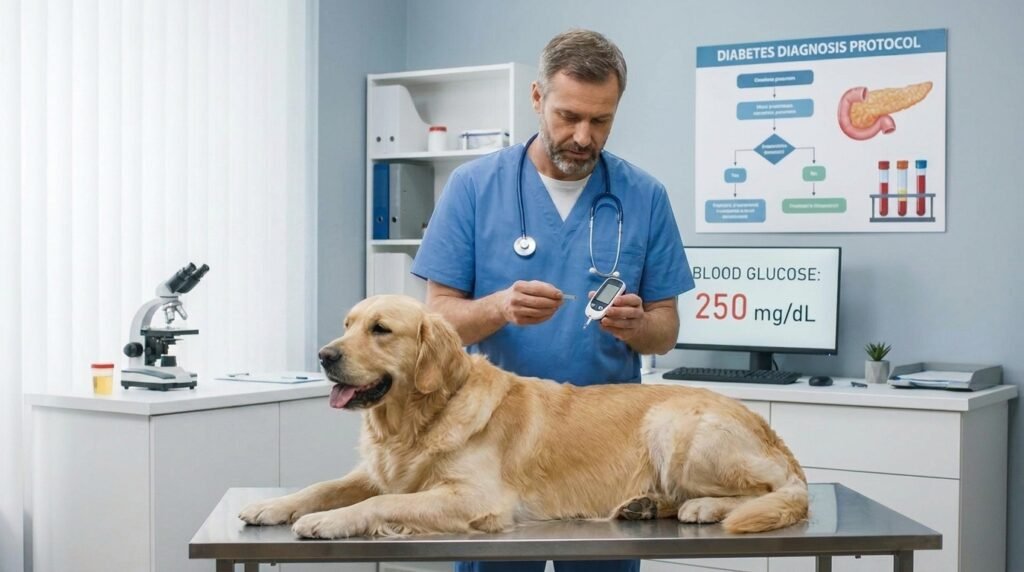
Diagnosis begins with a detailed medical history and complete physical examination. Your veterinarian will ask about changes in drinking habits, urination frequency, appetite, activity levels, and recent weight changes. Body condition scoring, muscle assessment, and evaluation for dehydration or eye abnormalities provide important clues during the examination. Current veterinary guidelines recommend comprehensive testing whenever diabetes is suspected.
Blood tests measure glucose concentrations while urine testing detects glucose that has spilled into the urine. Because stress alone can temporarily elevate blood sugar in cats, veterinarians often interpret laboratory findings alongside physical signs and additional testing. Blood chemistry panels, complete blood counts, urinalysis, blood pressure measurements, and thyroid evaluation may also be recommended to rule out other illnesses or identify diseases occurring alongside diabetes. Accurate diagnosis ensures that treatment begins promptly and safely.
Managing Diabetes Successfully
A diabetes diagnosis can feel overwhelming at first, but today’s treatment options allow many pets to enjoy long, happy lives. Most diabetic dogs require lifelong insulin injections combined with a consistent feeding schedule. Some newly diagnosed cats may benefit from carefully selected oral medications or even achieve diabetic remission when treated early alongside dietary improvements. Nutritional management remains one of the cornerstones of successful treatment, with high-fiber diets commonly recommended for dogs and high-protein, low-carbohydrate diets often preferred for cats.
Consistency is the secret to successful diabetes management. Meals should be served at the same time every day, exercise should remain relatively predictable, and insulin doses should never be changed without veterinary guidance. Many owners now use home glucose monitoring systems that help veterinarians adjust insulin doses more accurately while reducing stress for the animal. Routine follow-up visits allow ongoing adjustments that keep blood sugar within a healthy range and reduce the risk of complications.
Watching your pet carefully also remains essential after diagnosis. Changes in appetite, vomiting, unusual weakness, collapse, or refusal to eat can signal dangerously high or low blood sugar and require immediate veterinary attention. Keeping a simple journal documenting water intake, appetite, body weight, insulin administration, and activity levels often helps veterinarians identify trends before problems become severe. The partnership between owner and veterinarian becomes the foundation for successful long-term management.
Conclusion
Detecting the early signs of pet diabetes is one of the most important responsibilities of every pet owner. Increased thirst, frequent urination, unexplained weight loss, increased appetite, fatigue, and vision changes should never be dismissed as normal aging. Modern veterinary medicine offers excellent diagnostic tools and effective treatment plans that allow diabetic pets to enjoy many healthy years when the disease is recognized early. Paying attention to small daily changes, maintaining regular veterinary checkups, and acting quickly when symptoms appear can make all the difference between a manageable condition and a life-threatening emergency.
Frequently Asked Questions
1. What is the first sign of diabetes in pets?
The earliest signs are usually increased thirst and frequent urination, often followed by increased appetite and gradual weight loss.
2. Can cats recover from diabetes?
Some cats diagnosed early may achieve diabetic remission with proper treatment, diet, and weight management, although ongoing monitoring remains essential.
3. Are certain dog breeds more likely to develop diabetes?
Yes. Age, genetics, obesity, and certain hormonal disorders all increase the likelihood of diabetes, although any dog can develop the disease.
4. How is diabetes confirmed in pets?
Veterinarians diagnose diabetes through physical examination, blood glucose testing, urinalysis, and additional laboratory tests when necessary.
5. Can diabetes be prevented?
Not every case is preventable, but maintaining a healthy weight, feeding a balanced diet, encouraging regular exercise, and scheduling routine veterinary checkups significantly reduce risk.