
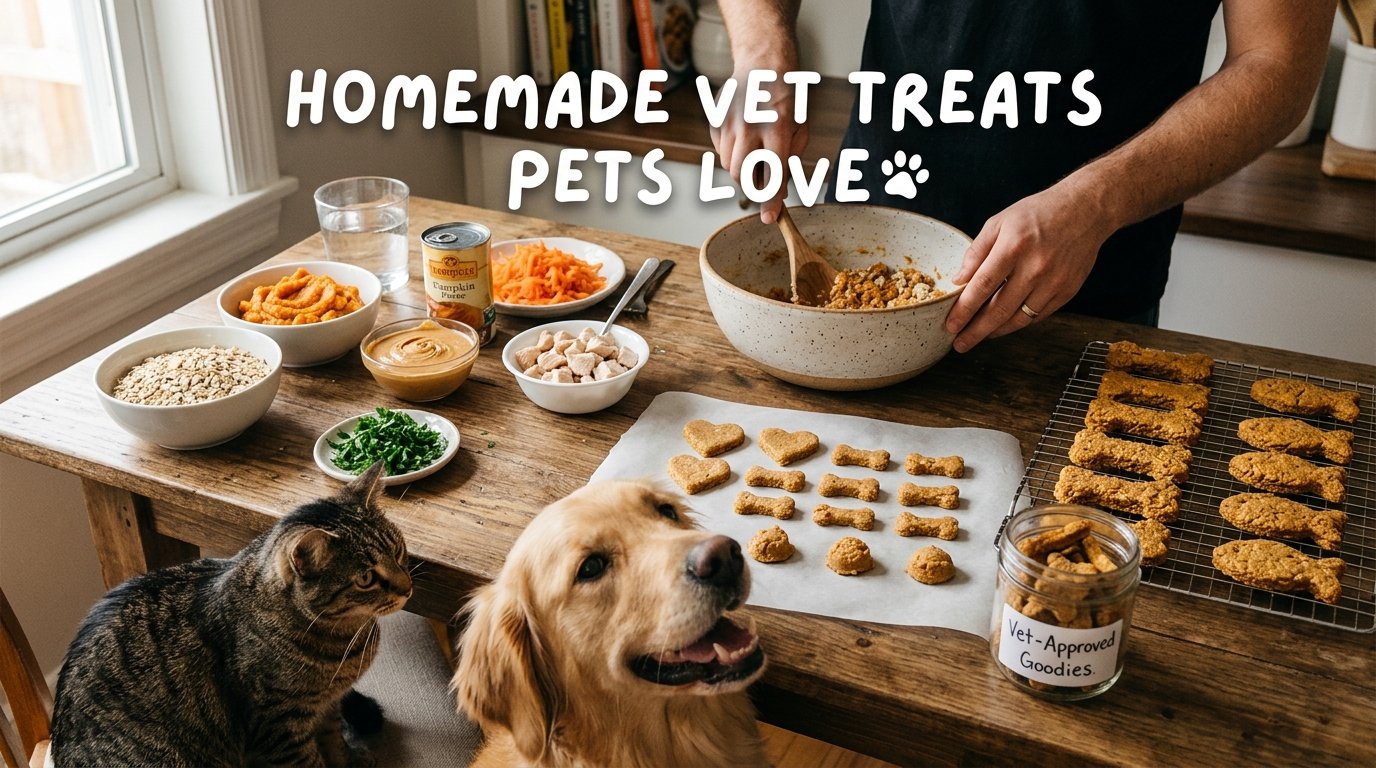
There’s something incredibly satisfying about making food from scratch—especially when it’s for the furry companions who greet you with wagging tails or gentle purrs every day. Homemade pet treats have become increasingly popular among pet owners who want to know exactly what goes into their dogs’ and cats’ snacks. Instead of relying on treats filled with artificial preservatives, colors, or unnecessary fillers, many people are turning to simple, wholesome ingredients found right in their own kitchens. The result is a healthier snack that not only tastes great but also supports a pet’s overall well-being.
Veterinarians generally agree that homemade treats can be an excellent addition to a balanced diet when they’re prepared with safe ingredients and served in moderation. Healthy treats should complement—not replace—a complete and balanced commercial or veterinarian-formulated diet. Experts also recommend that treats account for no more than about 10% of your pet’s daily calorie intake, helping prevent unwanted weight gain while still rewarding good behavior. By following a few simple guidelines and choosing nutrient-rich ingredients, you can create delicious snacks your pets will eagerly anticipate without compromising their health.
This guide explores everything you need to know about homemade vet-inspired pet treats, including the benefits, safe ingredients, recipes, storage tips, and common mistakes to avoid. Whether you’re baking crunchy dog biscuits or preparing protein-rich cat treats, you’ll discover that making homemade snacks is easier than you might imagine. Think of your kitchen as a tiny pet bakery where every recipe is crafted with love, care, and your companion’s health in mind.
Why Homemade Pet Treats Are Growing in Popularity
Walk into almost any pet store today and you’ll find hundreds of treat options lining the shelves. Some promise shinier coats, healthier teeth, improved digestion, or better joint health. While many commercial treats are perfectly safe, ingredient lists can sometimes include preservatives, artificial flavorings, excessive sodium, added sugars, or fillers that offer little nutritional value. This growing awareness has encouraged many pet owners to ask an important question: What exactly am I feeding my pet?
Homemade treats provide a reassuring answer because every ingredient is chosen by you. If your dog has a grain sensitivity, you can prepare grain-free recipes. If your cat requires a higher-protein snack, you can focus on lean fish or poultry. This level of customization is difficult to achieve with mass-produced treats. Pet owners also appreciate being able to avoid ingredients their veterinarian recommends limiting while emphasizing nutrient-rich foods their pets genuinely enjoy.
The rise of social media has also played a role in the homemade treat movement. Thousands of pet owners now share recipes, baking ideas, and creative presentation tips online, inspiring others to experiment in their own kitchens. Despite this popularity, veterinarians continue to stress that recipes should always prioritize nutritional safety over appearance. Cute bone-shaped biscuits or heart-shaped cookies are fun, but the real goal is creating treats that support health rather than simply looking attractive.
Cost is another motivating factor. Premium commercial treats can become surprisingly expensive, especially in households with multiple pets or dogs undergoing frequent training sessions. Homemade recipes often use affordable pantry staples such as oats, pumpkin, eggs, lean chicken, and plain yogurt. Buying ingredients in bulk allows owners to prepare large batches that can be frozen for later use, reducing waste while keeping costs manageable. Like meal prepping for yourself, preparing treats in advance saves both time and money.
Benefits of Vet-Inspired Homemade Treats

Homemade treats offer much more than convenience or cost savings. When recipes are based on veterinary nutritional guidance, they provide an opportunity to reinforce healthy eating habits while strengthening the bond between owner and pet. Every homemade biscuit or frozen snack becomes a thoughtful expression of care, much like preparing a nutritious meal for a family member. Knowing exactly what goes into every bite allows you to make informed decisions that support your pet’s unique needs.
Another important benefit is flexibility. Pets are individuals with different activity levels, medical conditions, allergies, and taste preferences. A highly active Border Collie has different nutritional needs than a senior Chihuahua, just as an indoor cat differs from an energetic kitten. Homemade treats allow recipes to be adjusted with your veterinarian’s guidance, making them particularly useful for pets requiring specialized diets.
Quality control also improves significantly. Fresh ingredients retain their natural flavors without relying on excessive additives to improve shelf life. Because homemade treats are generally prepared in smaller batches, they often contain fewer preservatives than commercially manufactured alternatives. While they don’t last as long on the shelf, they offer freshness that many pets readily appreciate.
Perhaps the greatest advantage lies in the relationship built during preparation. Pets quickly learn the sounds and smells associated with homemade treats baking in the kitchen. Many owners describe these moments as part of a shared routine that strengthens emotional connections. Just as families gather around home-cooked meals, preparing healthy treats becomes another way of expressing affection through thoughtful care.
Better Ingredient Control
Reading ingredient labels on commercial treats can sometimes feel like solving a complicated puzzle. Scientific names, preservatives, artificial colors, and unfamiliar additives often leave pet owners wondering whether every component is truly necessary. Homemade treats eliminate much of that uncertainty because you personally select every ingredient that enters the mixing bowl.
This level of control is particularly valuable for pets with food sensitivities. Dogs prone to digestive upset may benefit from recipes using limited ingredients, while cats with certain allergies can avoid problematic proteins. Owners can also reduce sodium, eliminate artificial flavors, and choose fresh produce rather than processed alternatives. Small adjustments like these may seem minor individually, but together they create snacks tailored specifically to a pet’s health requirements.
Ingredient control also supports transparency. Instead of trusting a lengthy ingredient list printed on packaging, you witness every step of the preparation process firsthand. Fresh pumpkin, rolled oats, cooked chicken, eggs, blueberries, carrots, or salmon become recognizable components rather than mysterious additives. This confidence provides peace of mind while ensuring your pet receives wholesome, nutritious rewards.
Supporting Special Diets
Many pets eventually require dietary modifications because of allergies, obesity, diabetes, kidney disease, or digestive disorders. Homemade treats can often complement these specialized nutrition plans when prepared under veterinary guidance. They provide owners with flexibility that commercial treats may not always offer, allowing recipes to align more closely with individual health goals.
For overweight dogs, lower-calorie treats made with pumpkin or green beans may replace higher-fat biscuits. Cats requiring additional moisture may benefit from soft fish-based treats rather than dry snacks. Dogs with grain sensitivities can enjoy recipes featuring chickpea or coconut flour instead of wheat, while pets needing increased protein may appreciate lean turkey or chicken-based rewards.
It’s important to remember that homemade treats are designed to supplement—not replace—a complete and balanced diet. Veterinary nutritionists emphasize that treats, regardless of how healthy they are, should remain a small portion of total daily calories. Consulting your veterinarian before introducing significant dietary changes is especially important for pets with chronic medical conditions or therapeutic diets. With professional guidance and thoughtful preparation, homemade treats become valuable tools for supporting both nutrition and happiness.
Ingredients That Are Safe for Most Pets
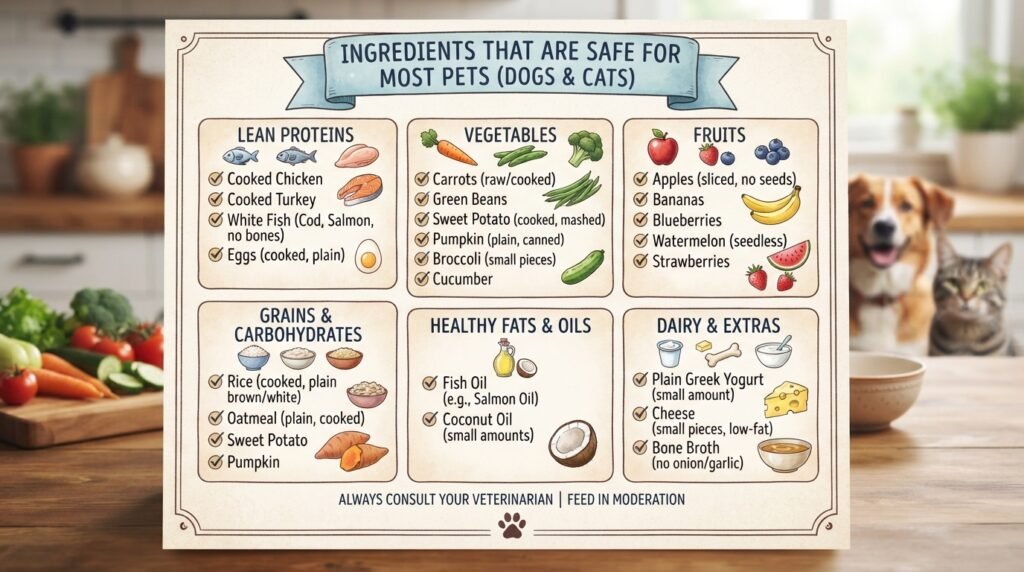
The secret to making homemade pet treats isn’t finding exotic ingredients or expensive superfoods. Instead, it’s choosing simple, wholesome foods that veterinarians commonly recognize as safe for healthy dogs and, where appropriate, cats. The best recipes rely on fresh ingredients that provide nutritional value rather than empty calories. Think of every ingredient as a building block. Just as a sturdy house depends on quality materials, nutritious treats begin with carefully selected foods that contribute to your pet’s overall health.
Before introducing any new ingredient, remember that every pet is unique. Age, breed, medical conditions, allergies, and digestive sensitivities all influence which foods are appropriate. A healthy Labrador Retriever may tolerate a wide variety of ingredients, while a dog with pancreatitis or food allergies requires a much more carefully controlled diet. Cats present an even greater challenge because they are obligate carnivores, meaning their nutritional requirements differ significantly from dogs. Whenever you’re uncertain about an ingredient, consult your veterinarian before including it in homemade recipes.
Moderation remains just as important as ingredient quality. Even healthy foods can contribute to excess calories if offered too frequently. Veterinary nutrition experts generally recommend keeping treats—including homemade ones—to no more than 10% of your pet’s daily caloric intake, with the remaining calories coming from a complete and balanced diet. This simple guideline helps maintain a healthy body weight while still allowing your pet to enjoy delicious rewards during training or special occasions.
Freshness also matters. Purchase high-quality ingredients, wash fruits and vegetables thoroughly, cook meats completely unless your veterinarian specifically recommends otherwise, and avoid heavily seasoned foods. Homemade treats should be as clean and natural as possible, allowing your pet to benefit from wholesome nutrition without unnecessary additives. When you start with quality ingredients, every recipe becomes both a tasty reward and an investment in your companion’s long-term health.
Protein Sources
Protein forms the nutritional foundation of nearly every healthy homemade pet treat, especially for cats, whose bodies depend heavily on animal protein for optimal health. Dogs also thrive on quality protein sources that support muscle maintenance, immune function, skin health, and energy production. Choosing lean, easily digestible proteins helps create satisfying treats without adding excessive fat or unnecessary calories.
Cooked chicken breast remains one of the most popular options because it is lean, widely available, and highly palatable for both dogs and cats. Turkey offers similar nutritional benefits and works especially well for pets with sensitivities to other proteins. Lean beef may also be used in moderation, provided visible fat is trimmed away before cooking. Fish such as salmon and tuna contribute valuable omega-3 fatty acids that support skin, coat, and joint health. Eggs provide another excellent source of highly digestible protein while also supplying important vitamins and minerals.
Preparation is just as important as ingredient selection. Protein should always be cooked thoroughly to reduce the risk of harmful bacteria unless your veterinarian has specifically recommended a carefully balanced raw diet. Avoid adding salt, garlic, onion powder, butter, oils, or heavy seasonings during cooking. Pets appreciate natural flavors, and their digestive systems generally respond better to plain ingredients.
Rotating protein sources occasionally can also introduce dietary variety while preventing boredom. Some pets eagerly anticipate different flavors, much like people enjoy changing meals throughout the week. By offering safe protein options in moderation, you create treats that satisfy both taste buds and nutritional needs without compromising overall health.
Fruits and Vegetables
Fruits and vegetables often surprise pet owners because many of them make excellent additions to homemade treats. They contribute vitamins, minerals, antioxidants, hydration, and dietary fiber while adding natural sweetness or texture without relying on artificial ingredients. Used appropriately, fresh produce transforms simple recipes into nutrient-rich snacks that complement a balanced diet.
Pumpkin ranks among the most veterinarian-recommended ingredients for homemade treats. Rich in fiber and vitamin A, plain canned pumpkin (without added sugar or spices) may support healthy digestion in many dogs. Carrots provide satisfying crunch along with beta-carotene, while green beans offer a low-calorie option suitable for pets needing weight management. Sweet potatoes, when fully cooked, contribute fiber, vitamins, and natural sweetness that many dogs love.
Several fruits also work well in moderation. Blueberries supply antioxidants, apples (with seeds and core removed) provide fiber and vitamin C, and bananas offer potassium while adding moisture to baked recipes. Watermelon, strawberries, and pears may also be enjoyed occasionally in small amounts, provided seeds and inedible portions are removed beforehand.
Cats generally show less interest in fruits and vegetables than dogs because of their carnivorous nature, but small amounts of cooked pumpkin may occasionally support digestive health under veterinary guidance. The emphasis for feline treats should remain on animal-based proteins rather than produce. Regardless of species, always introduce new fruits or vegetables gradually and monitor for any digestive upset. Simple ingredients offered in sensible portions help ensure treats remain enjoyable without causing unnecessary stomach discomfort.
Healthy Grains
Grains often receive mixed attention in pet nutrition discussions, but for many healthy dogs they can provide valuable nutrients, fiber, and energy when included appropriately. Unless a veterinarian has diagnosed a true grain allergy or intolerance—which is relatively uncommon—whole grains can play a beneficial role in homemade treat recipes.
Rolled oats are among the most versatile ingredients because they add texture, fiber, and slow-releasing carbohydrates while blending easily with pumpkin, eggs, or peanut butter. Oat flour also serves as an excellent alternative to wheat flour for dogs with wheat sensitivities. Brown rice, cooked thoroughly, offers gentle digestibility and may be useful in recipes intended for pets recovering from mild digestive upset. Whole wheat flour can also be appropriate for dogs without wheat allergies, although many owners prefer oat flour because of its softer texture.
Cats generally require much smaller amounts of grains because their nutritional needs center on protein and fat rather than carbohydrates. When preparing homemade cat treats, grains should remain a minor component used primarily to hold ingredients together rather than serving as the primary ingredient.
Balance remains the guiding principle. Healthy grains should complement—not replace—protein-rich ingredients. Think of grains as supporting actors rather than the stars of the recipe. By combining moderate amounts of whole grains with quality proteins and fresh produce, you create balanced treats that provide satisfying texture while contributing valuable nutrients to your pet’s diet.
Ingredients You Should Never Use
While many kitchen ingredients are perfectly safe for pets, others can cause serious illness—even in surprisingly small amounts. Some foods interfere with normal metabolism, damage red blood cells, affect the nervous system, or lead to kidney failure. Because pets process certain compounds differently than humans, foods that seem harmless to us can become medical emergencies for them.
Reading every ingredient carefully becomes especially important when using packaged foods such as peanut butter, yogurt, or baked goods. Some products contain sweeteners or additives that are completely safe for people but extremely dangerous for pets. Whenever preparing homemade treats, simplicity is often the safest approach. Fresh, recognizable ingredients reduce the likelihood of accidentally including something harmful.
Education serves as your best protection. Every family member should understand which foods must never be shared with pets, particularly children who may unknowingly offer table scraps. Proper storage is equally important. Toxic foods left unattended on countertops or accessible tables can quickly become irresistible temptations for curious dogs and adventurous cats.
If you ever suspect your pet has eaten a toxic ingredient, contact your veterinarian or an emergency animal poison service immediately. Prompt treatment dramatically improves outcomes in many poisoning cases, making quick action essential.
Toxic Foods for Dogs
Several common household foods pose significant risks to dogs and should never appear in homemade treats.
| Ingredient | Why It’s Dangerous |
|---|---|
| Chocolate | Contains theobromine and caffeine, which can affect the heart and nervous system. |
| Xylitol (birch sugar) | May cause rapid insulin release, severe low blood sugar, seizures, and liver failure. |
| Grapes and raisins | Can lead to sudden kidney failure in susceptible dogs. |
| Onions, garlic, leeks, chives | May damage red blood cells and cause anemia. |
| Macadamia nuts | Can trigger weakness, tremors, vomiting, and fever. |
| Alcohol | Extremely toxic, affecting the brain, liver, and breathing. |
| Raw bread dough | Can expand in the stomach and produce alcohol during fermentation. |
| Excess salt | May contribute to sodium ion poisoning in large quantities. |
Always check ingredient labels carefully, especially on peanut butter, since some brands now contain xylitol, which is highly toxic to dogs.
Toxic Foods for Cats
Cats share many of the same food hazards as dogs but are often even more sensitive because of their unique metabolism.
Never feed cats:
- Chocolate
- Onions, garlic, chives, or leeks
- Grapes and raisins
- Alcohol
- Caffeine
- Raw bread dough
- Foods containing xylitol
- Large amounts of liver (which may contribute to vitamin A toxicity over time)
- Cooked bones, which can splinter and injure the digestive tract
Cats also have limited ability to process certain plant compounds, making plant-heavy recipes unsuitable for regular treats. Their nutritional focus should remain on animal-based proteins prepared safely and served in moderation.
The safest philosophy for homemade treats is simple: when in doubt, leave it out. A recipe made with a handful of trusted ingredients is far better than one containing unnecessary extras that may compromise your pet’s health.
Easy Homemade Dog Treat Recipes
Making healthy dog treats at home doesn’t require professional baking skills or specialized equipment. In fact, many of the best recipes use ingredients you probably already have in your kitchen. The key is choosing wholesome, pet-safe foods that provide nutritional benefits while remaining delicious enough to motivate your dog during training or simply brighten its day. Homemade treats also allow you to adjust recipes based on your dog’s size, dietary needs, and taste preferences. A tiny Chihuahua and a large Golden Retriever may enjoy the same recipe, but portion sizes can easily be customized to suit each pet.
Before baking, remember that cleanliness is just as important for pet treats as it is for family meals. Wash your hands thoroughly, clean all utensils, and use fresh ingredients. Avoid adding salt, sugar, artificial sweeteners, onions, garlic, chocolate, raisins, grapes, or heavily seasoned foods. Every recipe below is designed as an occasional reward—not a meal replacement. Store finished treats properly to maintain freshness and always introduce new recipes gradually, especially if your dog has a sensitive stomach.
The following veterinarian-inspired recipes combine nutrition with simplicity. They’re easy enough for beginners while offering enough variety to keep even picky dogs excited. Whether you’re rewarding excellent behavior, celebrating a birthday, or simply showing your furry friend a little extra love, these homemade treats transform ordinary pantry ingredients into wholesome snacks that dogs genuinely enjoy.
Pumpkin & Oat Biscuits
Pumpkin has earned its reputation as one of the most versatile ingredients in homemade dog treats. Rich in dietary fiber, vitamin A, and antioxidants, plain pumpkin puree can help support healthy digestion while adding moisture and natural flavor to baked snacks. Combined with rolled oats and eggs, it creates crunchy biscuits that many dogs find irresistible.
Ingredients
| Ingredient | Amount |
|---|---|
| Plain pumpkin puree (unsweetened) | 1 cup |
| Rolled oats | 2 cups |
| Egg | 1 large |
| Oat flour | 1 cup |
| Cinnamon (optional, small pinch) | Tiny pinch |
Directions
- Preheat your oven to 350°F (175°C).
- Mix the pumpkin puree, egg, rolled oats, and oat flour until a firm dough forms.
- Roll the dough to about ¼ inch thick.
- Cut into bone shapes, circles, or small squares.
- Bake for 25–30 minutes until lightly golden and firm.
- Allow the biscuits to cool completely before serving.
These biscuits are ideal for everyday rewards because they contain simple, recognizable ingredients. For dogs participating in regular obedience training, consider cutting the dough into smaller pieces before baking. Smaller treats help maintain motivation without adding unnecessary calories. Properly stored in an airtight container, these biscuits generally remain fresh for about a week or can be frozen for several months.
Frozen Yogurt Berry Bites
Warm summer afternoons call for refreshing treats, and Frozen Yogurt Berry Bites provide a cooling snack that’s both nutritious and easy to prepare. Plain yogurt contributes calcium and protein, while blueberries add natural antioxidants and a hint of sweetness without refined sugar. Many dogs enjoy the creamy texture, especially after outdoor exercise or playtime.
Ingredients
| Ingredient | Amount |
|---|---|
| Plain unsweetened yogurt* | 1 cup |
| Fresh blueberries | ½ cup |
| Mashed banana | ½ small |
| Silicone mold or ice cube tray | As needed |
Always check that the yogurt contains no xylitol or artificial sweeteners.
Directions
- Mash the banana until smooth.
- Stir the banana into the yogurt.
- Fold in the blueberries.
- Spoon the mixture into silicone molds or an ice cube tray.
- Freeze for at least 3–4 hours before serving.
Frozen treats should always be offered in moderation, particularly to dogs that eat quickly. They work best as occasional snacks rather than daily rewards. You can also substitute strawberries or diced apples (without seeds) for variety. The result is a colorful, refreshing treat that’s perfect for hot weather while providing a satisfying combination of flavor and texture.
Chicken Training Treats
Training sessions require treats that are small, flavorful, and quick to eat. Large biscuits interrupt the flow of learning because dogs spend too much time chewing instead of focusing on the next command. Chicken Training Treats solve this problem by delivering lean protein in bite-sized portions that keep your dog motivated without contributing excessive calories.
Ingredients
| Ingredient | Amount |
|---|---|
| Cooked skinless chicken breast | 2 cups |
| Egg | 1 |
| Oat flour | ¼ cup |
Directions
- Finely chop or pulse the cooked chicken in a food processor.
- Mix with the egg and oat flour until combined.
- Spread the mixture into a thin layer on a parchment-lined baking tray.
- Bake at 325°F (163°C) for about 20 minutes.
- Cool completely and cut into tiny cubes.
Because these treats are high in protein and contain minimal fillers, they make excellent rewards during obedience classes, agility practice, or trick training. Store them in the refrigerator for several days or freeze individual portions for longer storage. Their aroma alone often captures a dog’s attention, making them especially useful when practicing around distractions.
Homemade Cat Treat Recipes
Cats may be more selective than dogs when it comes to food, but they appreciate homemade treats just as much when recipes emphasize high-quality animal protein. Since cats are obligate carnivores, their snacks should focus primarily on meat or fish rather than grains or vegetables. Simple recipes featuring tuna, salmon, or chicken often produce excellent results because they align closely with a cat’s natural dietary preferences.
Unlike dogs, cats usually prefer smaller portions and stronger aromas. Freshly prepared fish-based treats often become instant favorites because of their appealing scent. As with all homemade recipes, avoid salt, onions, garlic, seasonings, and oils. Cats generally require only tiny treats, so even small batches can last surprisingly long when stored properly.
The recipes below provide enjoyable enrichment while maintaining nutritional simplicity. They also encourage owners to spend quality time preparing something special for their feline companions—a rewarding experience for both pet and owner.
Tuna Crunchies
These crispy little bites combine the irresistible flavor of tuna with a light, crunchy texture that many cats love. Because they’re baked into small pieces, they’re ideal for rewarding good behavior or encouraging interactive play.
Ingredients
| Ingredient | Amount |
|---|---|
| Tuna packed in water (drained) | 1 can |
| Egg | 1 |
| Oat flour | ¼ cup |
Directions
- Mash the tuna thoroughly with a fork.
- Mix in the egg and oat flour until a soft dough forms.
- Roll tiny balls or flatten into miniature discs.
- Bake at 325°F (163°C) for 12–15 minutes.
- Cool completely before serving.
Offer only one or two pieces at a time, depending on your cat’s size. Because tuna can contain naturally occurring mercury, it should remain an occasional treat rather than a daily staple. Variety helps ensure balanced nutrition while keeping treat time exciting.
Salmon Bites
Salmon is naturally rich in high-quality protein and omega-3 fatty acids, making it an excellent ingredient for homemade feline treats. These soft Salmon Bites are easy to prepare and especially appealing to cats that prefer moist textures over crunchy biscuits.
Ingredients
| Ingredient | Amount |
|---|---|
| Cooked salmon (boneless) | 1 cup |
| Egg | 1 |
| Oat flour | 2 tablespoons |
Directions
- Flake the cooked salmon into small pieces, checking carefully for bones.
- Mix thoroughly with the egg and oat flour.
- Form pea-sized balls or flatten into tiny patties.
- Bake at 325°F (163°C) for approximately 10–12 minutes.
- Allow the treats to cool before serving.
Salmon Bites can also be frozen in small portions for convenient use throughout the month. Their rich aroma makes them excellent rewards during grooming sessions or when encouraging shy cats to interact positively with new experiences. Like all treats, moderation remains essential. Even nutritious snacks should complement a complete and balanced feline diet rather than replace it.
By rotating between recipes such as Pumpkin & Oat Biscuits, Frozen Yogurt Berry Bites, Chicken Training Treats, Tuna Crunchies, and Salmon Bites, you provide both nutritional variety and exciting flavors that keep treat time enjoyable while supporting your pet’s overall well-being.
Storage, Serving, and Portion Control
Preparing homemade pet treats is only half the journey. Proper storage and sensible serving practices ensure every snack remains safe, fresh, and nutritious from the first bite to the last. Unlike many commercial treats that contain preservatives to extend shelf life, homemade recipes rely on fresh ingredients and therefore spoil much more quickly. Learning how to store them correctly helps prevent bacterial growth, preserves flavor, and protects your pet’s health.
After baking, always allow treats to cool completely before placing them into storage containers. Warm treats create condensation inside sealed containers, encouraging mold and reducing freshness. Crunchy biscuits should be stored in airtight containers at room temperature if they will be used within five to seven days. Softer treats made with meat, fish, yogurt, eggs, or fresh fruit should be refrigerated and generally consumed within three to five days. For longer storage, freezing is often the best solution. Freeze treats in small portions or freezer-safe bags so you only thaw what you’ll use within a few days.
Portion control is equally important. Even healthy treats contribute calories, and excessive snacking can gradually lead to obesity, joint problems, diabetes, and reduced quality of life. Veterinary nutritionists commonly recommend that treats account for no more than approximately 10% of a pet’s daily calorie intake, with the remaining calories coming from a complete and balanced diet. This simple guideline helps maintain ideal body condition while still allowing your pet to enjoy regular rewards.
The size of each treat should also match your pet’s size. A Great Dane can comfortably enjoy a biscuit that would represent an entire meal for a tiny Chihuahua. Similarly, cats usually require only very small treats because of their lower daily calorie requirements. During training sessions, cutting treats into tiny pieces allows you to reward good behavior repeatedly without overfeeding. Your pet values the reward itself far more than its size.
Fresh water should always be available whenever treats are offered, particularly after serving baked biscuits or dehydrated snacks. Observe your pet after introducing a new recipe and discontinue use if you notice digestive upset, itching, vomiting, diarrhea, or unusual behavior. Every animal is unique, and even healthy ingredients may not suit every individual.
Common Mistakes to Avoid
Homemade pet treats are wonderfully rewarding to prepare, but several common mistakes can reduce their nutritional value or even create unnecessary health risks. Fortunately, these errors are easy to avoid once you understand the basic principles of safe pet nutrition. Paying attention to ingredient selection, preparation methods, and serving sizes allows homemade treats to remain both enjoyable and beneficial.
One frequent mistake is assuming that foods healthy for humans are automatically safe for pets. While ingredients like pumpkin, carrots, blueberries, and cooked chicken are excellent choices, foods such as chocolate, onions, garlic, grapes, raisins, macadamia nuts, and products containing xylitol can be extremely dangerous. Always research unfamiliar ingredients before adding them to recipes, and carefully read labels on packaged products to ensure hidden sweeteners or seasonings are not present.
Another common error is using excessive amounts of fat, butter, oils, cheese, or peanut butter. Although many pets love these ingredients, too much dietary fat can contribute to obesity or digestive upset. Dogs prone to pancreatitis are particularly sensitive to high-fat treats. Simplicity usually produces healthier recipes than complicated mixtures containing numerous ingredients.
Many owners also overlook the importance of introducing new treats gradually. Offering several unfamiliar ingredients at once makes it difficult to identify the cause if digestive problems develop. Instead, introduce one new recipe at a time while observing your pet for several days. This gradual approach allows you to monitor tolerance and adjust recipes if necessary.
Poor storage habits create another avoidable problem. Homemade treats should never be left exposed to air or stored beyond their recommended shelf life. Mold, spoilage, and bacterial contamination may develop long before treats appear visibly spoiled. Labeling freezer bags with preparation dates helps ensure older batches are used first.
Finally, resist the temptation to reward your pet constantly simply because the treats are homemade. Healthy treats remain treats. Overfeeding—even with nutritious recipes—can contribute to weight gain over time. A balanced approach combines appropriate nutrition, regular exercise, veterinary care, and sensible portion control to support lifelong health.
Conclusion
Homemade pet treats offer far more than a delicious snack. They provide an opportunity to strengthen the relationship you share with your dog or cat while giving you complete control over ingredient quality and nutritional value. Every batch prepared in your kitchen reflects thoughtful care, allowing you to avoid unnecessary additives while tailoring recipes to your pet’s individual preferences and dietary needs.
Throughout this guide, you’ve learned how simple ingredients such as pumpkin, oats, lean chicken, salmon, tuna, eggs, blueberries, carrots, and plain yogurt can become nutritious homemade treats when prepared correctly. Equally important, you’ve discovered which ingredients should always be avoided, how to store treats safely, and why portion control remains essential regardless of how healthy a recipe may be.
Remember that homemade treats work best as part of a complete wellness plan rather than as a substitute for balanced nutrition. Quality commercial diets or veterinarian-formulated homemade meal plans should continue to provide the majority of your pet’s daily nutrients, while treats remain occasional rewards that encourage training, strengthen emotional bonds, and celebrate special moments together.
The greatest benefit of homemade treats may not be found in the ingredients themselves but in the time and attention invested in preparing them. Whether you’re baking crunchy pumpkin biscuits for an energetic Labrador or soft salmon bites for a curious cat, every recipe becomes another way of expressing love through responsible care. Your pet may never understand the recipe, but they’ll certainly recognize the affection that accompanies every homemade reward.
Frequently Asked Questions (FAQs)
1. Are homemade pet treats healthier than store-bought treats?
They can be. Homemade treats allow you to control every ingredient, avoid unnecessary preservatives, and customize recipes for your pet’s needs. However, they should still be prepared with safe, nutritionally appropriate ingredients and served in moderation.
2. How long do homemade pet treats last?
Shelf life depends on the ingredients. Dry baked biscuits generally last 5–7 days in an airtight container, while treats containing meat, fish, yogurt, or eggs should usually be refrigerated and used within 3–5 days. Frozen treats often remain suitable for 2–3 months when properly stored.
3. Can puppies and kittens eat homemade treats?
Yes, but recipes should be simple, age-appropriate, and introduced gradually. Young animals have developing digestive systems, so consult your veterinarian before adding homemade treats to their routine, especially if they are under veterinary care or eating specialized diets.
4. Can I use peanut butter in homemade dog treats?
Yes, provided it contains no xylitol, artificial sweeteners, or excessive added sugar. Always read the ingredient label carefully before using peanut butter in any dog recipe.
5. Should I consult my veterinarian before making homemade treats?
Absolutely. This is especially important if your pet has allergies, diabetes, kidney disease, obesity, pancreatitis, food sensitivities, or any chronic medical condition. Your veterinarian can recommend suitable ingredients and appropriate serving sizes based on your pet’s individual health needs.