Feline Fuzz Therapy: The Calming Effects of Grooming on Cats
As cat owners, we often marvel at the serene and composed demeanor our feline friends display. Cats have an intrinsic ability to relax, and one of the key activities that contribute to their tranquility is grooming. This article explores the calming effects of grooming on cats and how both the cats and their owners benefit from this special bonding time.
The Importance of Grooming for Cats
Grooming is a natural behavior for cats, and it serves a multitude of purposes beyond just keeping their fur clean. Here are some vital aspects of grooming that make it essential for feline well-being:
- Physical Health: Regular grooming helps to remove dirt, parasites, and loose fur from a cat’s coat, reducing the risk of skin infections and matting.
- Emotional Security: Grooming is not just a necessity; it’s also a source of comfort. Cats often groom themselves when they’re stressed or anxious.
- Bonding: For cats, being groomed by their owners can mimic the social grooming they experience with other cats, reinforcing trust and affection between pet and owner.
- Stimulating Circulation: Gentle brushing can stimulate blood circulation, leading to healthier skin and a shinier coat.
- Stress Relief: Grooming reduces stress hormones in cats, providing a calming effect that can be similar to meditation.
The Calming Effects of Grooming
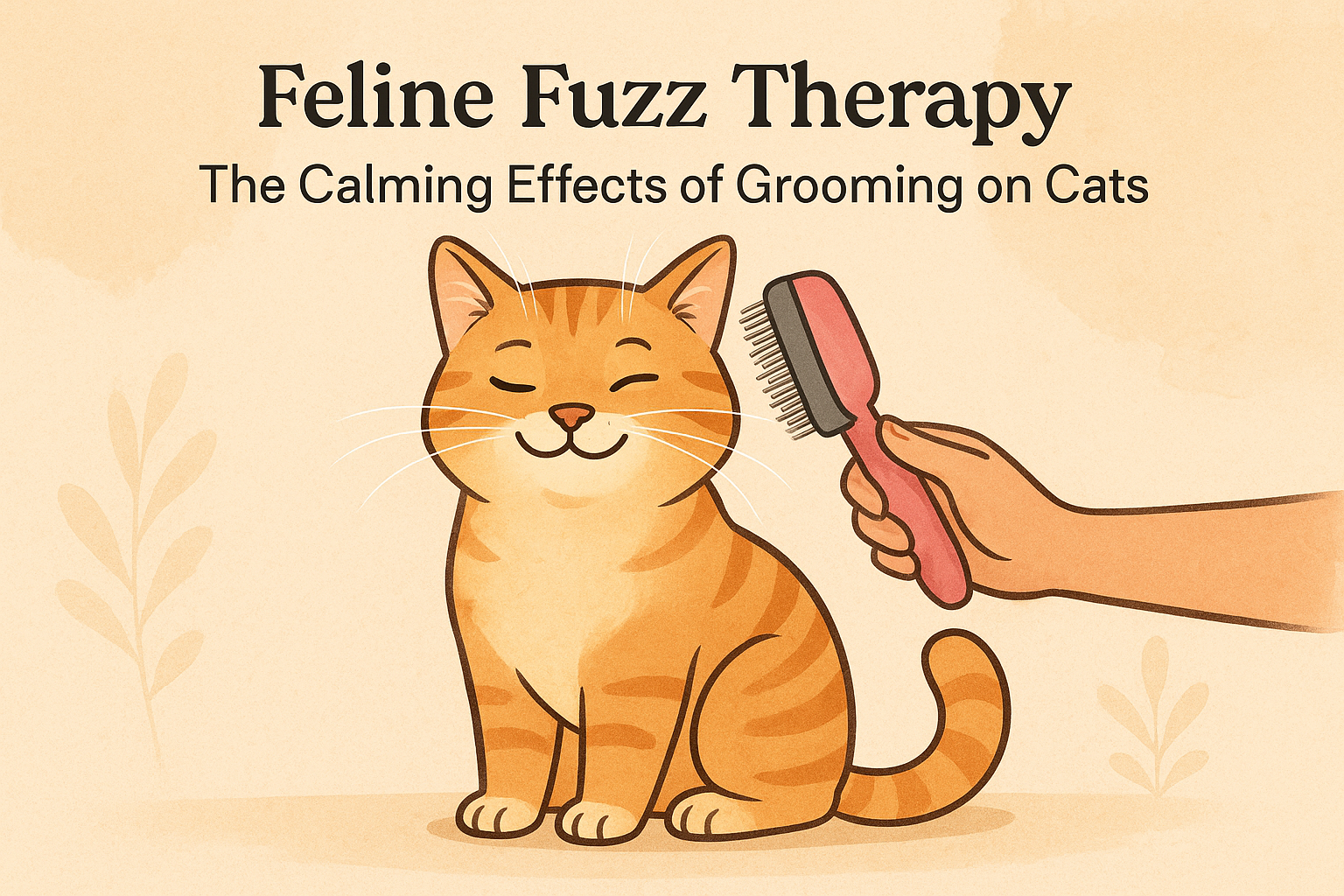
Grooming acts as a therapy session for both the cat and the owner. The rhythmic motion of brushing or petting can induce a relaxed state, making it an effective way to bond while simultaneously creating a peaceful environment.
Cats’ Own Grooming: An Instinctual Act
When cats groom themselves, they engage in a behavior known as allogrooming, which serves multiple purposes:
- Self-Soothing: Cats often lick their fur to calm themselves in stressful situations, making grooming an instinctual means of finding comfort.
- Social Behavior: Cats often groom each other to strengthen social bonds. When owners engage in grooming, they replicate this behavior, further enhancing the cat’s sense of security.
- Exploration: Grooming helps cats explore their own body and keep their scent prominent, which is vital for their territorial behavior.
Owner Participation: Creating a Positive Experience
When humans participate in grooming, it can elevate the calming effects even further. The interaction becomes a shared experience that benefits both parties:
- Relaxation for Owners: The act of stroking a cat’s fur can lower stress levels in humans, releasing oxytocin and promoting bonding.
- Mindfulness: Grooming encourages owner mindfulness, helping them focus on the present moment rather than the daily stresses of life.
- Routine Building: Establishing a regular grooming routine can create a safe space for the cat and predictability in their daily lives.
Grooming Techniques for Optimal Calmness
To maximize the calming effects of grooming, owners should employ gentler techniques that cater to their cat’s preferences:
1. Create a Calm Environment
Choose a quiet, comfortable space free from distractions. Soft lighting and soothing music can enhance the experience for both you and your cat.
2. Use Comfortable Tools
Various grooming tools such as brushes, combs, and deshedding tools can be effective. Choose options made from soft materials to prevent any discomfort.
3. Pay Attention to Body Language
Ears back, tail flicking, and other signs indicate how your cat is feeling. If they seem agitated, take a break or stop grooming for the day.
4. Take It Slow
Grooming should never feel forced. Start with short sessions and gradually increase the time as your cat becomes more comfortable with the process.
5. Offer Treats and Praise
Incorporate positive reinforcement to associate grooming with pleasurable experiences. Give treats or verbal praise during and after grooming sessions.
Understanding the Psychological Effects of Grooming
The psychological effects of grooming have been widely studied, and findings suggest that practicing grooming with pets can have profound impacts on mental health:
Reduced Anxiety and Stress
Both cats and their owners experience reduced anxiety during grooming sessions. The act of grooming promotes relaxation and an overall sense of calm.
Improved Behavioral Traits
Regular grooming can help reduce problematic behaviors in cats, such as excessive meowing or aggressive tendencies, by providing them with a channel for both physical and emotional expression.
Enhanced Human-Animal Bond
Engaging in grooming activities deepens the connection between pet and owner, leading to greater trust and understanding.
Feline Grooming and Mental Health
Recent studies highlight a strong connection between grooming habits and mental health in both pets and humans. While grooming is essential for a cat’s physical health, it also plays a crucial role in their emotional well-being.
For Cats:
Grooming serves to alleviate feline stress and anxiety. A stressed cat may cough up hairballs more often or exhibit more aggressive behaviors, and incorporating regular grooming can significantly mitigate these issues.
For Humans:
Studies show engaging in grooming rituals with pets can help reduce symptoms of anxiety and depression in owners. The presence of a cat, combined with the calming effects of grooming, can create a supportive environment for emotional healing.
Creating a Routine
Introducing grooming into your cat’s routine can be beneficial for both you and your cat. Here’s how to create a simple grooming schedule:
- Start with short five-minute sessions a few times a week, gradually increasing the time and frequency as your cat becomes accustomed.
- Establish a specific time each day for grooming to create a sense of predictability in your cat’s life.
- Monitor your cat’s response to grooming and adjust your approach accordingly—some cats may prefer daily brushes, while others may prefer less frequency.
Famous Cats and Their Grooming Stories
Several famous cats have become icons for their grooming habits, leaving us with insights into how grooming influences their lives:
1. Grumpy Cat
Known for her signature frown, Grumpy Cat became a viral sensation. Owners reported that grooming times were among the moments she most enjoyed, countering her famously grumpy demeanor.
2. Nala Cat
Nala, another internet star, is often seen being lovingly groomed and pampered in posts. Her owners emphasize that grooming time enhances her overall well-being and happiness.
3. Lil Bub
With her unique appearance, Lil Bub became a beacon of joy for fans. Her owners attributed her calm temperament to the time invested in grooming, which helped keep her anxiety at bay.
Conclusion
Feline fuzz therapy through grooming is not just a trend; it serves as an essential tool for enhancing the mental health and emotional stability of our beloved pets. Both cats and their owners can derive significant benefits from these interactions, creating a peaceful and harmonious relationship. By incorporating simple grooming routines into daily life, we can help alleviate the stress that both pets and humans experience.
Ultimately, take the time to appreciate the soothing effects of grooming. It’s a mutual therapy session that nourishes the bond between you and your cat while offering both parties a moment of peace in an otherwise hectic world.
FAQs
1. How often should I groom my cat?
It depends on the breed and length of fur. Long-haired cats typically need daily grooming, while short-haired cats may only require grooming once a week.
2. What tools should I use for grooming?
Choose brushes suitable for your cat’s coat type. For example, slicker brushes work well for long-haired cats, while rubber grooming gloves can be effective for short-haired breeds.
3. What if my cat doesn’t like grooming?
Take your time! Start with short sessions, offer treats, and try to create a calming environment. If they continue to resist, consult with a vet or a professional groomer for further tips.
4. Can grooming help with shedding?
Yes! Regular grooming helps remove loose hair and reduce shedding, leading to a cleaner home and a more comfortable cat.
5. Are there any health benefits to grooming my cat?
Yes, grooming reduces the risk of skin infections and matting and can even allow for early detection of health issues such as lumps or skin irritations when you’re regularly assessing your cat’s skin and coat.