Furry Friends and Family: Unconventional Strategies for Pet Parenting Success
Understanding Your Furry Friend: The Foundation of Pet Parenting
Before discussing unconventional strategies, it’s crucial to understand that every pet is unique. Different species, breeds, and individual personalities require tailored approaches. Understanding the basic needs of your furry friend – physical, emotional, and intellectual – lays the groundwork for any parenting style.
The Importance of Emotional Connection
Pets, just like humans, have emotions. Building an emotional connection with your pet can drastically improve their behavior and happiness. Here are some unconventional, yet effective ways to strengthen that bond:
-
- Mindful Interactions: Be present during your interactions. Put away your phone and engage fully with your pet while playing, grooming, or just lounging together.
-
- Empathy Training: Try to understand your pet’s feelings. This can involve interpreting their body language and vocalizations, leading to better communication.
-
- Storytelling: Create narratives or stories around your pets. This can be done by assigning them roles in a little play. It not only stimulates your imagination but also creates memorable experiences together.
Environmental Enrichment: More Than Just a Play Area
Creating an enriching environment allows your pet to thrive physically and mentally. While toys are essential, consider the following unconventional approaches.
Enhanced Sensory Experiences
Just like humans, pets benefit from various sensory stimuli. Here are some practical ways to enhance their environment:
-
- Multi-Sensory Play Zones: Designate an area where your pet can enjoy different textures (soft blankets, rough surfaces) and scents (herbs, pet-safe essential oils).
-
- DIY Treasure Hunts: Hide treats or toys around the house or yard, encouraging your pet to use their sense of smell and explore.
-
- Interactive DIY Toys: Use household items to create engaging toys. For instance, turn an old T-shirt into a tug rope or use a cardboard box for hiding treats.
Nature and Outdoor Experiences
Outside is the best playground for pets. Utilize nature as a resource for your pet’s enrichment:
-
- Nature Treks: Organize outings to natural parks or trails that allow your pet to explore new environments. Always ensure they’re on a leash or in a safe area.
-
- Community Events: Engage your pet in local pet events, like “Bark in the Park” or pet parades. These not only offer socialization but also a chance for exercise.
-
- Pet-Friendly Camping: Introducing your pet to camping can unlock new adventures. Ensure you take a pet-friendly campsite where adventure awaits.
Nutrition: Beyond the Bowl
Feeding your pet the right food isn’t just about choosing the right brand. It’s about understanding their nutritional needs and exploring unconventional feeding methods to keep mealtime exciting:
Interactive Feeding Solutions
-
- Puzzle Feeders: Use enrichment food toys or puzzle feeders that require pets to play in order to receive their food, making mealtime engaging.
-
- Home-Cooked Meals: Experiment with cooking for your pet using safe ingredients. It can be rewarding and allows you to take control of their dietary needs.
-
- Feeding Fasts: While this should be done cautiously and on vet’s advice, implementing periodic fasting (once in a while) may help regulate your pet’s digestive system and hunger cues.
Creative Treats
Healthy treats can foster good behavior and strengthen your bond:
-
- Frozen Treats: On hot days, freeze broth or peanut butter (ensure it’s xylitol-free) in ice cube trays for a cool snack.
-
- From Scratch Treats: Getting into the kitchen to create treats can be a fun activity. There are plenty of recipes available for creating nutritious pet treats.
-
- Occasional Spoiling: It’s okay to spoil your pet! Offering them small bites of safe human foods can strengthen the bond and create joyful experiences.
Training: The Fun Way
Training doesn’t have to be a boring or tedious process. Unconventional training techniques can make this experience enjoyable:
Games as Training Tools
Games can be used as training tools to reinforce commands and behaviors:
-
- Hide and Seek: This fun game can not only be a bonding experience but can also help in practicing obedience commands!
-
- Obstacle Courses: Set up an obstacle course in your backyard or living room. Use household items like chairs and tables to encourage physical activity.
-
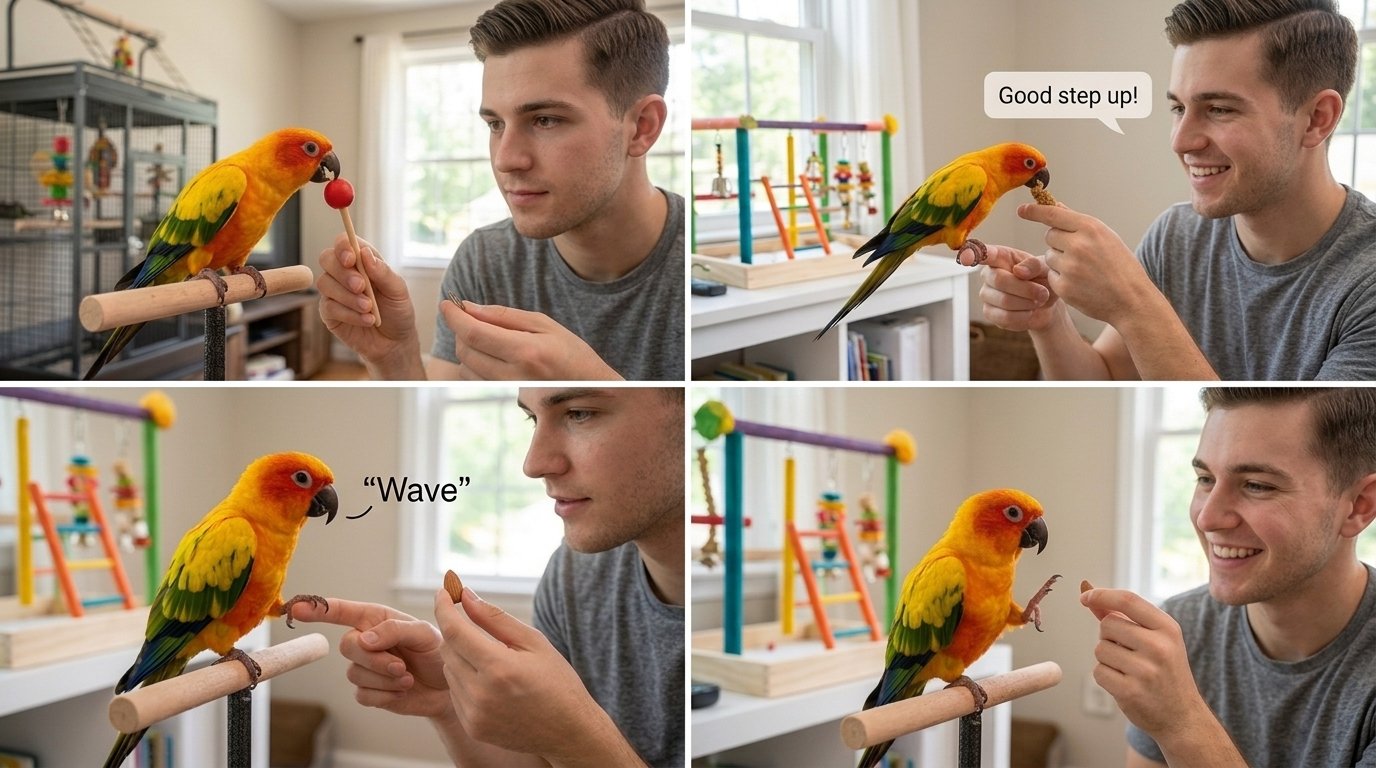
- Trick Training: Teach your pet fun, quirky tricks instead of just the basics. This could be anything from rolling over to spinning in circles.
Socialization Adventures
Socializing your pet with other animals and people is vital:
-
- Doggy Daycare Bonanza: Enroll your dog in daycare where they can interact with other furry friends while you take a break.
-
- Pet Meet and Greet: Host bi-monthly meet-ups with other pet owners. It will allow pets to socialize and you to create a support network.
-
- Volunteer Together: Participate in pet therapy, visiting hospitals or nursing homes together. This helps your pet adapt to new environments and become a social butterfly!
Mental Health Matters: Your Well-being
The responsibility of pet parenting can be overwhelming at times. Therefore, taking care of your own mental health is crucial:
Self-Care for Pet Parents
-
- Mindfulness Practices: Incorporate mindfulness practices like meditation or yoga. You can do this alongside your pet, promoting bonding during relaxation time.
-
- Pet Therapy: Embrace the therapeutic benefits of being with your pet. Research shows that pets reduce stress and promote emotional well-being.
-
- Seek Support: Join online or local community groups dedicated to pet owners. Sharing experiences and challenges can help alleviate feelings of isolation.
This Is Just the Beginning
Pet parenting is an ever-evolving journey. Innovations in the pet care industry and continuous research provide new insights and methods that can enhance the bond between you and your pet. Being a proactive and engaged parent requires patience, creativity, and a willingness to explore unconventional avenues.
Conclusion
Incorporating unconventional strategies for your furry friends can make pet parenting a fulfilling experience. Understanding their emotional needs, enriching their environment, providing proper nutrition, engaging them in fun training sessions, and focusing on your mental health all contribute to a successful pet parenting journey. Keep an open mind, stay curious, and embrace creativity. Remember, the most crucial aspect is the love, care, and companionship that you can offer your pets. With patience and an adventurous spirit, you’ll create unforgettable memories and a lasting bond with your furry family members.
FAQs
Q1: What are the best toys for my dog or cat?
A1: The best toys vary depending on your pet’s preferences and personality. Look for interactive toys, puzzle feeders, chew toys, and soft plush toys. Observe which types of toys they engage with most consistently.
Q2: How often should I take my pet to the vet?
A2: Generally, pets should see a veterinarian at least once a year for a routine check-up. However, older pets or those with health issues may need more frequent visits. Consult your vet for specific recommendations.
Q3: Is it okay to let my pet eat human food?
A3: While some human foods are safe for pets (like cooked chicken or carrots), others can be toxic (like chocolate and onions). Always consult your veterinarian before introducing human food into your pet’s diet.
Q4: How can I tell if my pet is happy?
A4: Happy pets often display certain behaviors like wagging their tails, playing, seeking attention, and being curious. Pay attention to their body language and vocalizations to gauge their happiness levels.
Q5: What are some signs of stress in pets?
A5: Common signs of stress include excessive barking or meowing, hiding, aggressive behavior, excessive grooming, or loss of appetite. If you notice these signs, it may be worth exploring changes in environments or routines to alleviate stress.