
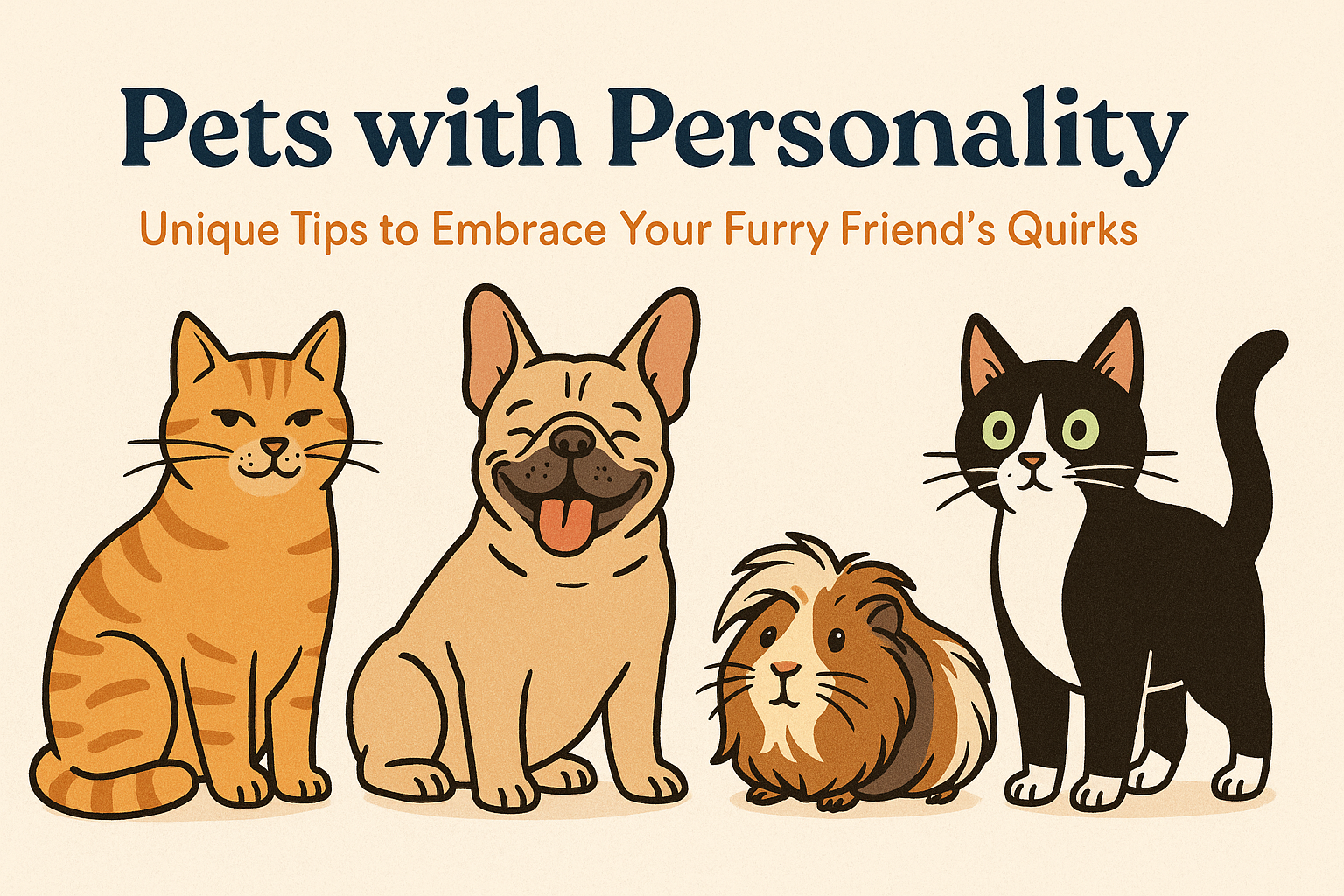
Pets are more than just animals; they are companions that bring joy, comfort, and a unique personality into our lives. Each furry friend has their own set of quirks, habits, and traits that make them special. Understanding and embracing these idiosyncrasies can greatly enhance the bond you share with your pet. In this article, we will explore creative ways to embrace your pet’s personality, fostering a deeper connection and making life more enjoyable for both of you.
Understanding Your Pet’s Personality
Every pet is unique, influenced by factors such as breed, upbringing, and individual temperament. Understanding their personality can help you cater to their needs and appreciate their quirks. Here are a few common personality types among pets:
1. The Playful Spirit
Some pets are naturally playful and thrive on interaction and games. They may enjoy fetch, tug-of-war, or chasing after toys. Recognizing this playful nature allows you to provide ample opportunities for physical activity and mental stimulation.
2. The Couch Potato
Other pets may prefer a more sedentary life. These relaxed companions enjoy snuggling up on the couch and appreciate quiet time with their owners. Understanding their love for lounging can help you create a comfortable space for them to bond.
3. The Curious Explorer
Curious pets are always on the lookout for new experiences and love to explore their surroundings. They often get into mischief, so it’s important to provide a safe environment where they can satisfy their curiosity without causing harm.
4. The Sensitive Soul
Some pets are naturally more sensitive and can be prone to anxiety or stress. They may require extra care and attention to feel secure in their surroundings. Acknowledging their emotional needs will help create a more nurturing environment for them.
Unique Tips to Embrace Your Pet’s Quirks
1. Create a Personalized Space
Every pet deserves a space that reflects their personality. Whether it’s a cozy nook filled with their favorite toys or a secure area where they can retreat when feeling overwhelmed, creating a personalized space can boost their comfort and happiness.
2. Engage in Their Favorite Activities
Whether your pet loves a game of fetch or is more into puzzle toys, engaging in their favorite activities is key to their happiness. Schedule regular playtime that caters to their interests, reinforcing your bond and keeping them mentally stimulated.
3. Celebrate Their Quirks
Every pet has unique quirks, from the way they tilt their head to their unusual sleeping positions. Celebrate these traits by capturing photos or videos that showcase their individuality. Sharing these moments with friends and family can also help you create a community of fellow pet lovers.
4. Tailor Training Techniques
Training is essential for a well-behaved pet, but not all pets respond to the same techniques. For example, some may react better to positive reinforcement, while others need more patience and understanding. Observe how your pet learns and adjust your training methods accordingly.
5. Make Time for Quiet Moments
For sensitive pets, quiet moments of connection can be very rewarding. Spend time simply sitting together, whether on the couch or outside. Gentle petting, soothing words, and calm energy can help build trust and security.
6. Provide Variety
Just like humans, pets can get bored too. Mix things up with a variety of toys, activities, and routines. Rotate toys to keep them fresh, and introduce new activities like agility training or scent games to engage their minds.
7. Pay Attention to Their Communication
Pets communicate in their own ways, and being attentive to their signals is essential. Learn to recognize their body language and vocalizations, which can indicate whether they’re happy, anxious, or excited. Understanding these cues allows you to respond appropriately and nurture your relationship.
8. Encourage Exploration
Sometimes, the best way to embrace your pet’s curiosity is to allow them to explore. Take them to new places, such as parks or pet-friendly stores, and let them interact with different environments. It’s a great way for them to learn and experience new things.
Creating an Engaging Routine
Having a routine can provide structure that pets often thrive on. However, it’s crucial that this routine also includes flexibility to adapt to their personality. Here’s how you can establish a well-rounded daily routine:
1. Set a Schedule for Meals and Playtime
Regular feeding times can help establish a sense of security for your pet. Coupling meals with scheduled playtime creates a healthy and predictable routine that they can depend upon.
2. Ensure Regular Exercise
Just like humans, pets need regular exercise to keep them healthy and balanced. Depending on their personality, this may mean daily walks for energetic pups or shorter play sessions for more relaxed pets.
3. Integrate Training into Daily Life
Training can and should be an ongoing part of your interaction with your pet. Incorporate small training sessions into your daily activities, reinforcing positive behavior through fun learning experiences.
4. Take Time for Rest and Relaxation
Amidst all the activities, don’t forget to schedule downtime for both you and your pet. Quiet moments of rest can help recharge your energy and strengthen your bond.
Conclusion
Embracing your pet’s personality is a beautiful journey full of fun, challenges, and unforgettable moments. By understanding their unique traits and quirks, you can create a richer, more fulfilling relationship with your furry friend. Celebrate their individuality, engage in their favorite activities, and create a nurturing environment that supports their emotional needs. Remember, the more you invest in understanding and embracing your pet’s personality, the more joy they will bring into your life.
FAQs
1. How can I tell what my pet’s personality is like?
Observe their behavior in various situations. Note their reactions to different activities, environments, and other animals. Assess their general demeanor – do they tend to be playful, cautious, curious, or anxious? This will provide clues about their personality type.
2. What should I do if my pet exhibits anxious behaviors?
If your pet shows signs of anxiety, create a comforting space for them to retreat to. Consistent routines can help reduce stress. Additionally, consult a veterinarian or a professional animal behaviorist for advice tailored to your pet’s specific needs.
3. Can my pet’s personality change over time?
Yes, a pet’s personality can evolve due to various factors, such as age, changes in environment, or health. Keeping an eye on changes and being adaptable to your pet’s shifting needs will help you manage their personality effectively.
4. What activities are best for energetic dogs?
Energetic dogs often require engaging activities that can include hiking, running, playing fetch, or agility training. Interactive toys and puzzle games can also help channel their energy into mental stimulation.
5. How can I capture my pet’s quirks in photos?
Use natural light and capture candid moments of your pet. Try to photograph them in action when they showcase their unique quirks, and don’t hesitate to use a treat or toy to encourage specific behaviors to capture the perfect shot.
 PRINCE2030