Beyond Kibble The Ultimate Guide to Pet Nutrition in 2026
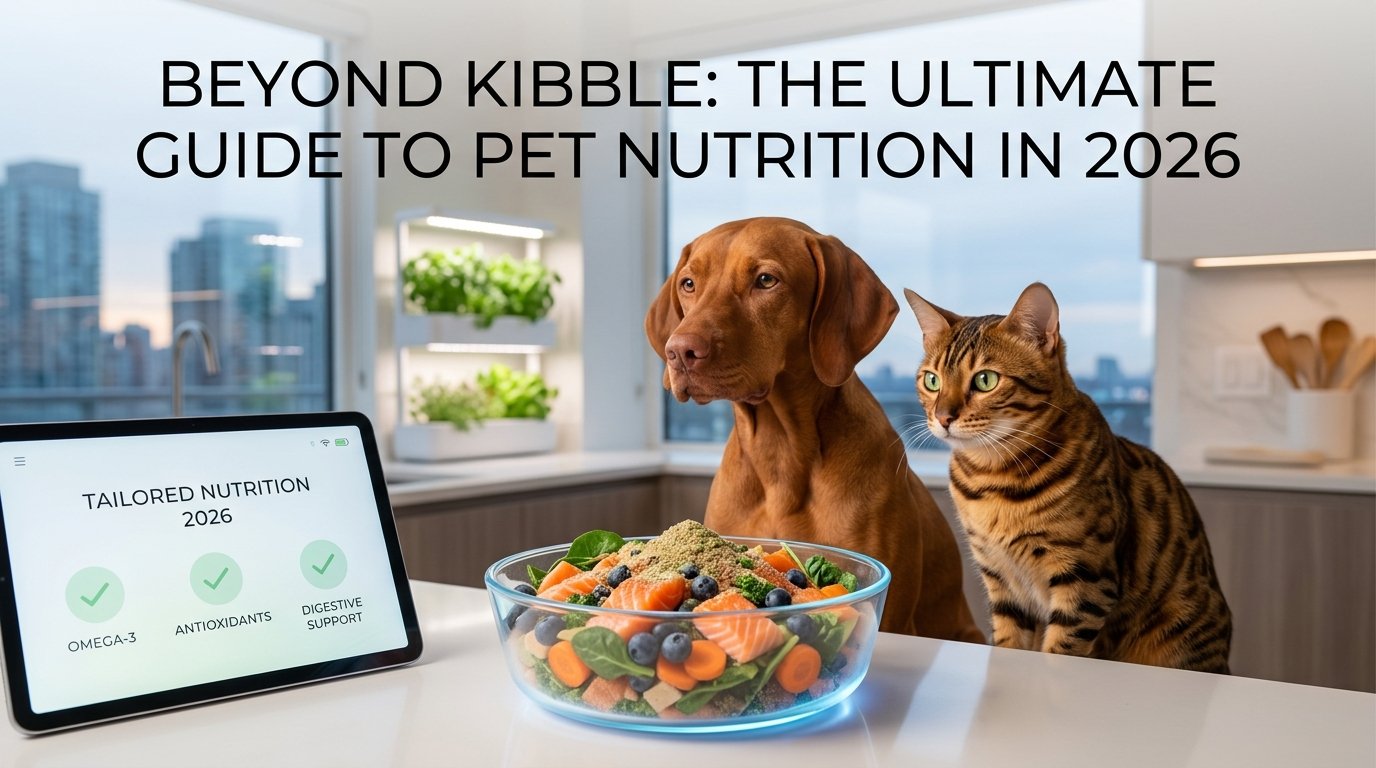
Unlock optimal pet nutrition for 2026! Dive into modern feeding strategies, holistic health tips, and smart tech for your furry friend’s well-being. Go beyond kibble!
The Evolution of Pet Nutrition: Why 2026 Demands More
Our beloved pets are more than just animals; they are cherished family members. Ensuring their health and longevity starts with what we put in their bowls. The landscape of pet nutrition has evolved dramatically, moving far beyond the simple kibble of yesteryear. In 2026, pet parents are seeking more sophisticated, personalized, and science-backed approaches to feeding their furry companions.
This comprehensive guide will explore the latest advancements, debunk common myths, and provide actionable strategies to optimize your pet’s diet. We’ll delve into everything from ingredient quality to the impact of technology, helping you make informed decisions for your dog or cat. Understanding modern pet nutrition is key to a vibrant, healthy life for your animal.
Understanding Your Pet’s Unique Nutritional Needs
Just like humans, every pet is an individual with specific dietary requirements. A one-size-fits-all approach to pet nutrition can often fall short, leading to potential health issues or suboptimal well-being. Factors such as species, breed, age, activity level, and existing health conditions all play a crucial role in determining the ideal diet.
Dogs and cats, for example, have fundamentally different nutritional profiles. Cats are obligate carnivores, meaning their bodies are designed to derive nutrients primarily from animal protein. Dogs, while also requiring significant protein, are more omnivorous and can thrive on a more varied diet that includes certain plant-based ingredients.
Factors Influencing Optimal Pet Nutrition
Several key elements dictate what constitutes optimal pet nutrition for your specific companion. Considering these aspects will help you tailor a diet that supports their overall health and vitality.
-
Species and Breed: A Great Dane puppy has vastly different energy and nutrient needs than a senior Chihuahua. Similarly, a Maine Coon cat will have different requirements than a Siamese kitten.
-
Age and Life Stage: Puppies and kittens need diets rich in calories and specific nutrients for growth, while adult pets require maintenance diets. Senior pets often benefit from diets that support joint health, cognitive function, and manage weight.
-
Activity Level: A highly active working dog or an outdoor cat will burn significantly more calories than a sedentary indoor pet. Their diet must reflect their energy expenditure to maintain a healthy weight.
-
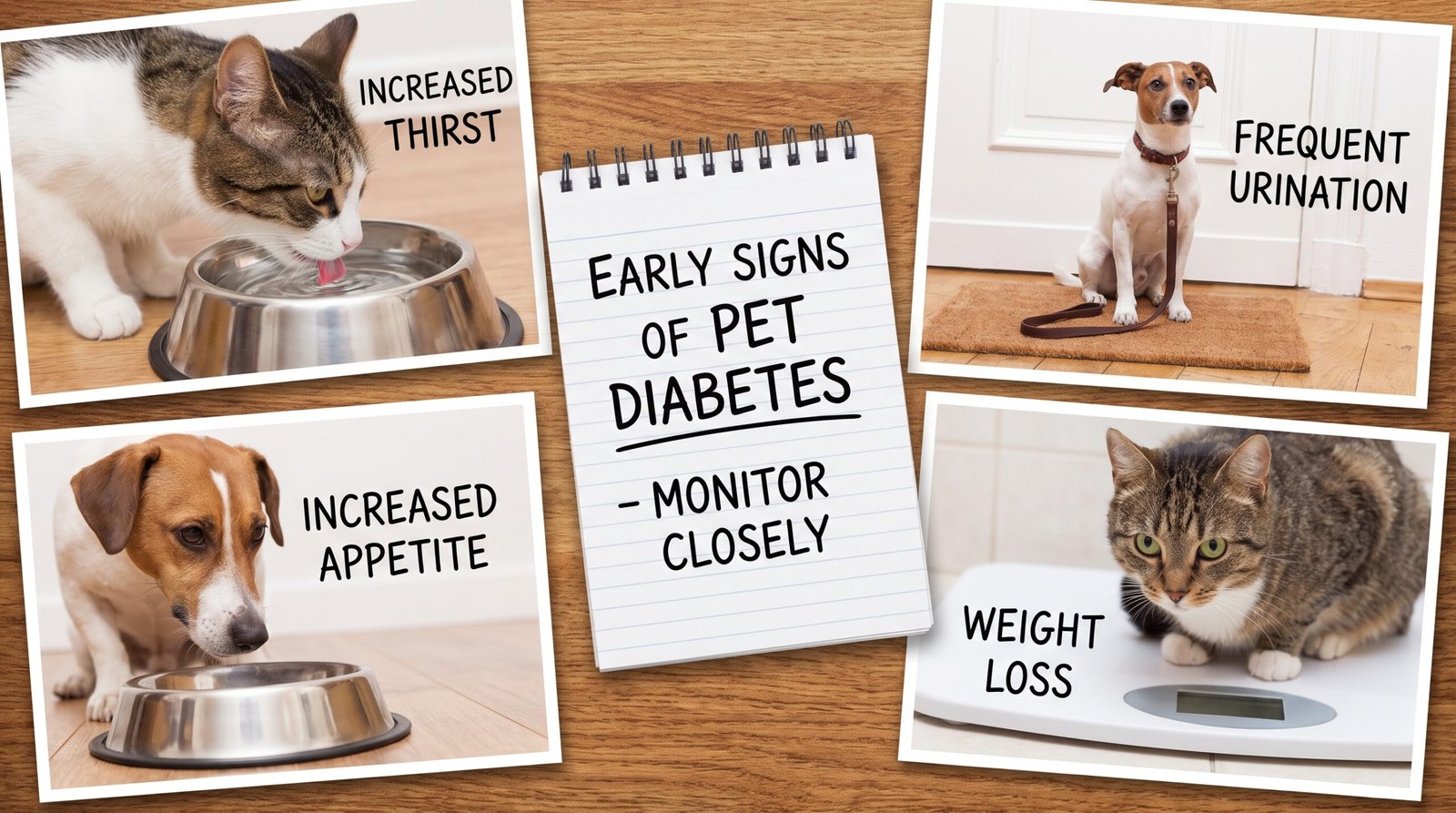
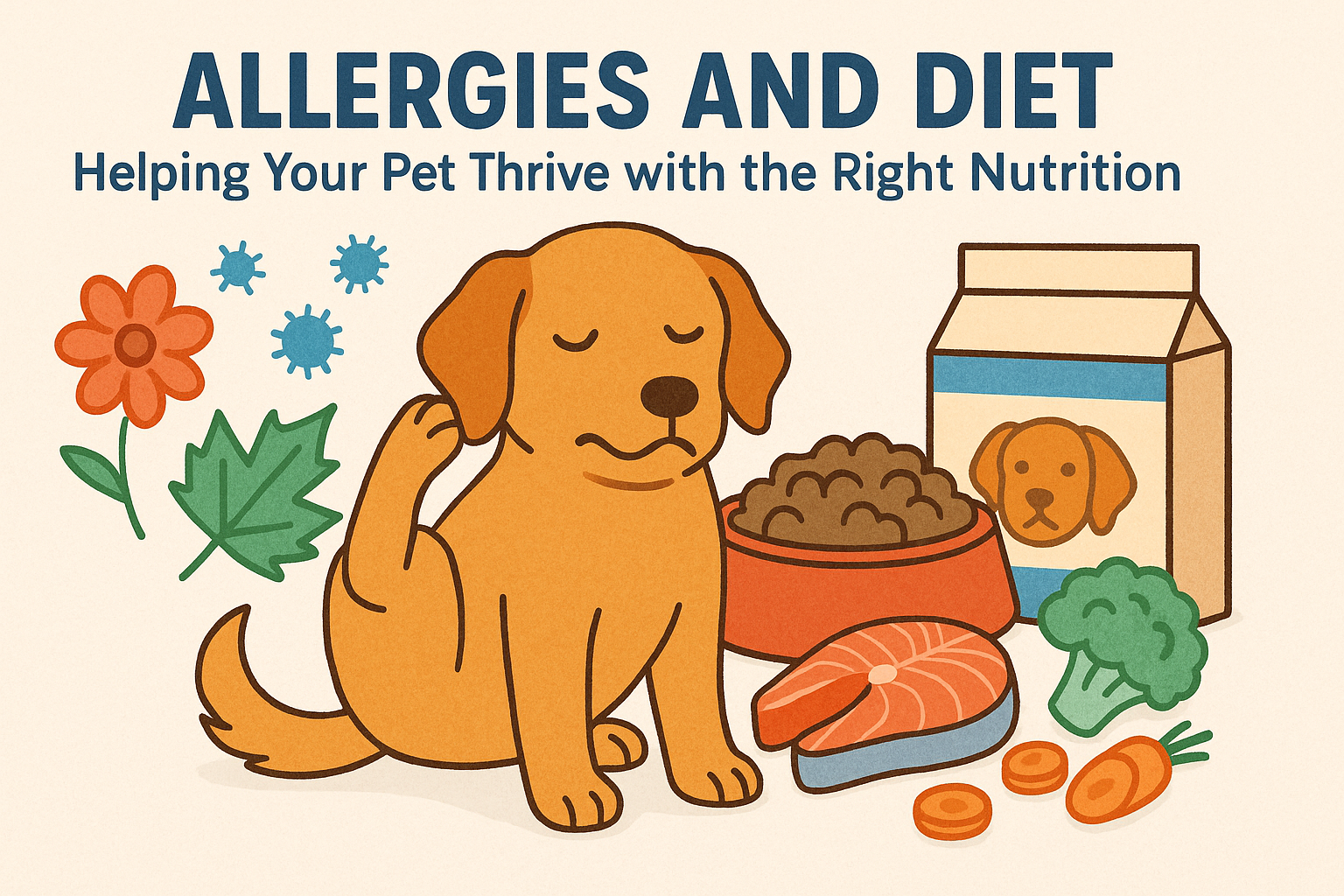
Health Conditions: Pets with allergies, diabetes, kidney disease, or gastrointestinal issues often require specialized therapeutic diets. These diets are formulated to manage specific conditions and improve quality of life.
-
Environmental Factors: Pets living in colder climates may require more calories to maintain body temperature. Those in warmer climates might need increased hydration strategies.
Consulting with your veterinarian is paramount when evaluating your pet’s unique needs. They can provide personalized recommendations based on your pet’s comprehensive health assessment.
Beyond the Bowl: Exploring Modern Pet Food Trends
The pet food market in 2026 is a vibrant landscape of innovation, offering a vast array of options beyond traditional kibble. Understanding these trends can help you navigate the choices and find the best fit for your pet’s nutritional requirements and your lifestyle.
Raw and Fresh Food Diets
Raw food diets, often referred to as BARF (Biologically Appropriate Raw Food) or prey model diets, advocate feeding pets uncooked meat, bones, organs, and sometimes fruits and vegetables. The premise is to mimic the natural diet of their wild ancestors. Fresh food diets, while often cooked, emphasize whole, human-grade ingredients with minimal processing.
-
Pros: Many proponents report improved coat health, increased energy, better digestion, and reduced allergies. High moisture content can contribute to better hydration.
-
Cons: Risk of bacterial contamination (e.g., Salmonella) if not handled properly. Can be nutritionally unbalanced if not formulated by an expert. Higher cost and requires careful storage and preparation.
Limited Ingredient Diets (LIDs)
LIDs are formulated with a reduced number of ingredients, primarily to help identify and manage food sensitivities or allergies. These diets typically feature a novel protein source (e.g., duck, venison) and a single carbohydrate source (e.g., sweet potato).
-
Pros: Excellent for pets with food allergies or sensitive stomachs. Simplifies the process of identifying dietary triggers.
-
Cons: Can be restrictive long-term if not properly balanced. May limit nutrient diversity if not carefully chosen.
Grain-Free and Novel Protein Diets
Grain-free diets remove common grains like corn, wheat, and soy, often replacing them with legumes or potatoes. Novel protein diets introduce less common protein sources to avoid common allergens.
-
Pros: Can be beneficial for pets with specific grain allergies or sensitivities. Novel proteins help pets with sensitivities to common proteins like chicken or beef.
-
Cons: Recent studies have raised concerns about a potential link between certain grain-free diets (particularly those high in peas, lentils, and potatoes) and dilated cardiomyopathy (DCM) in dogs. Always consult your vet before making significant dietary changes.
Subscription-Based Meal Services
These services deliver pre-portioned, often freshly prepared meals directly to your door, tailored to your pet’s specific needs (age, weight, activity). This approach simplifies pet nutrition for busy owners.
-
Pros: Convenience, personalized formulations, high-quality human-grade ingredients, often transparent sourcing.
-
Cons: Higher cost compared to traditional kibble. Requires freezer/refrigerator space. Not all services are equally reputable; research is key.
The Role of Supplements and Whole Foods in Pet Nutrition
While a well-balanced commercial pet food should provide most essential nutrients, supplements and certain whole foods can play a supportive role in enhancing your pet’s health. It’s crucial, however, to approach supplementation thoughtfully and under veterinary guidance.
Understanding Pet Supplements
Supplements are not a replacement for a balanced diet but can target specific health concerns or fill potential gaps. Common supplements for pets include:
-
Omega-3 Fatty Acids: Found in fish oil, these are excellent for skin and coat health, reducing inflammation, and supporting joint and cognitive function.
-
Probiotics: Beneficial bacteria that support gut health, aid digestion, and boost the immune system. Especially useful after antibiotic treatments or for pets with digestive upset.
-
Glucosamine and Chondroitin: Often recommended for joint health, particularly for older pets or those with arthritis and mobility issues.
-
Vitamins and Minerals: Usually only necessary if a pet has a diagnosed deficiency or is on a home-cooked diet not formulated by a veterinary nutritionist.
Always choose high-quality supplements from reputable brands, and discuss them with your vet to ensure they are appropriate for your pet and won’t interact negatively with medications or existing conditions. Over-supplementation can be harmful.
Incorporating Healthy Whole Foods as Treats or Toppers
Many common human foods, when prepared correctly and in moderation, can be safe and beneficial additions to your pet’s diet. These can serve as healthy treats or meal toppers, adding variety and extra nutrients.
-
Lean Meats: Cooked chicken, turkey, or lean beef (plain, no seasonings, no bones) can be excellent sources of protein.
-
Certain Vegetables: Steamed green beans, carrots, peas, and pumpkin (plain, unsweetened) are good sources of fiber, vitamins, and minerals. Always introduce new foods slowly to monitor for digestive upset.
-
Fruits (in moderation): Slices of apple (no seeds), blueberries, and bananas can be healthy, natural treats. Avoid grapes and raisins, which are toxic to dogs.
-
Plain Yogurt/Kefir: Small amounts of unsweetened, plain yogurt or kefir can provide beneficial probiotics.
Remember that treats should never make up more than 10% of your pet’s daily caloric intake. Always research specific foods to ensure they are safe for pets and avoid foods toxic to dogs and cats, such as chocolate, xylitol, onions, and garlic.
Leveraging Technology for Optimal Pet Nutrition
The digital age has brought forth an exciting array of technologies designed to enhance pet care, and pet nutrition is no exception. Smart devices and innovative services can help you monitor intake, manage portion control, and even gain insights into your pet’s eating habits, contributing to better pet nutrition.
Smart Pet Feeders and Water Dispensers
Automated feeders and water dispensers offer convenience and precision, ensuring your pet receives the right amount of food at scheduled times. This is especially beneficial for pets prone to overeating or for owners with unpredictable schedules.
-
Portion Control: Dispense precise amounts of food, helping prevent obesity.
-
Scheduled Meals: Ensure consistency, which can be important for pets with digestive sensitivities.
-
Remote Feeding: Control feeding via a smartphone app, allowing you to feed your pet even when you’re away.
-
Fresh Water: Filtered water fountains encourage pets to drink more, promoting hydration and kidney health.
Pet Activity Trackers and Health Monitors
Wearable devices for pets, similar to human fitness trackers, can monitor activity levels, sleep patterns, and even provide insights into behavioral changes. This data can be invaluable for understanding how diet impacts energy and overall health.
-
Calorie Burn Tracking: Helps owners adjust food portions based on actual energy expenditure.
-
Behavioral Insights: Changes in activity or sleep could signal health issues that might require dietary adjustments.
-
Weight Management: Combine activity data with food intake to create effective weight loss or maintenance plans.
Digital Health Records and Nutrition Apps
Various apps and online platforms allow pet owners to track meals, monitor weight, schedule vet appointments, and access nutritional advice. These tools can help maintain comprehensive health records and ensure continuity of care.
Comparison of Smart Pet Feeders for Enhanced Pet Nutrition
| Product | Price | Pros | Cons | Best For |
|---|---|---|---|---|
| PetSafe Smart Feed Automatic Feeder | $159 | App control, flexible scheduling (up to 12 meals/day), slow-feed option. | Requires Wi-Fi, occasional app connectivity issues reported. | Owners needing remote control and precise portioning. |
| WOPET Smart Pet Feeder F01 | $129 | HD camera with night vision, two-way audio, manual feeding button. | Smaller food capacity, video feed can sometimes lag. | Owners wanting to monitor their pet while away. |
| SureFeed Microchip Pet Feeder Connect | $220 | Reads pet’s microchip, ensures only designated pet eats, integrated scales. | Higher price point, requires hub for app connectivity. | Multi-pet households, pets on prescription diets, or prone to food stealing. |
Crafting a Personalized Pet Nutrition Plan
Developing a personalized pet nutrition plan is the ultimate step toward ensuring your pet’s optimal health. This involves integrating all the knowledge gained about your pet’s individual needs, modern food trends, and technological aids.
Step 1: Consult Your Veterinarian
Before making any significant dietary changes, always start with a comprehensive consultation with your veterinarian or a board-certified veterinary nutritionist. They can assess your pet’s current health, identify any underlying conditions, and provide tailored recommendations.
Your vet can help you understand breed-specific predispositions, discuss optimal weight ranges, and advise on appropriate feeding protocols for any existing health issues. This professional guidance is invaluable.
Step 2: Evaluate Current Diet and Goals
Take an honest look at your pet’s current diet. What are they eating? How much? What kind of treats? Are there any obvious health concerns (e.g., dull coat, low energy, digestive upset, weight issues)?
-
Goal Setting: Do you want to manage weight, improve coat health, support aging joints, or address allergies? Clear goals will guide your choices.
-
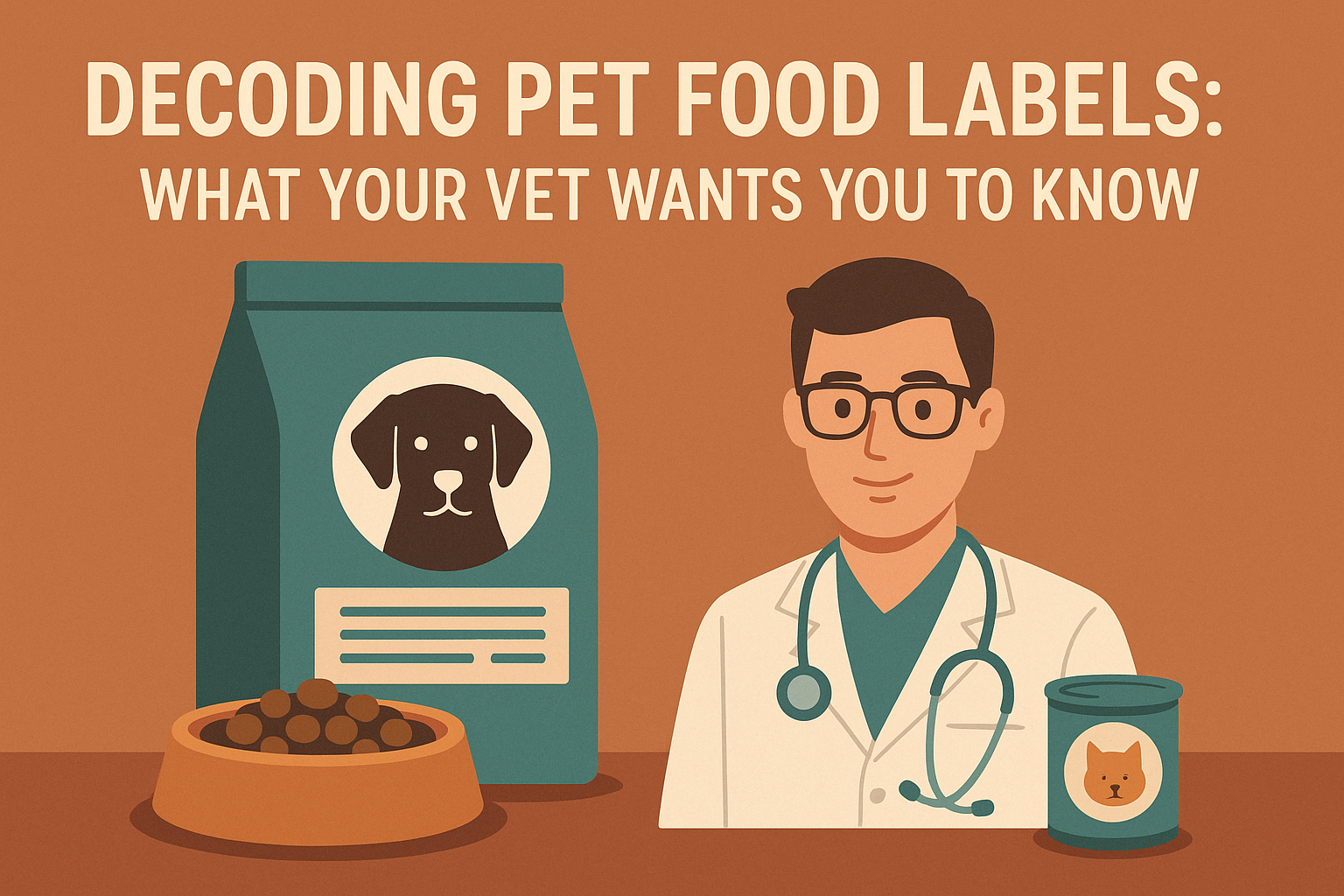
Ingredient Scrutiny: Learn to read pet food labels. Look for whole ingredients, named meat sources, and avoid excessive fillers, artificial colors, and preservatives.
Step 3: Choose a Feeding Method
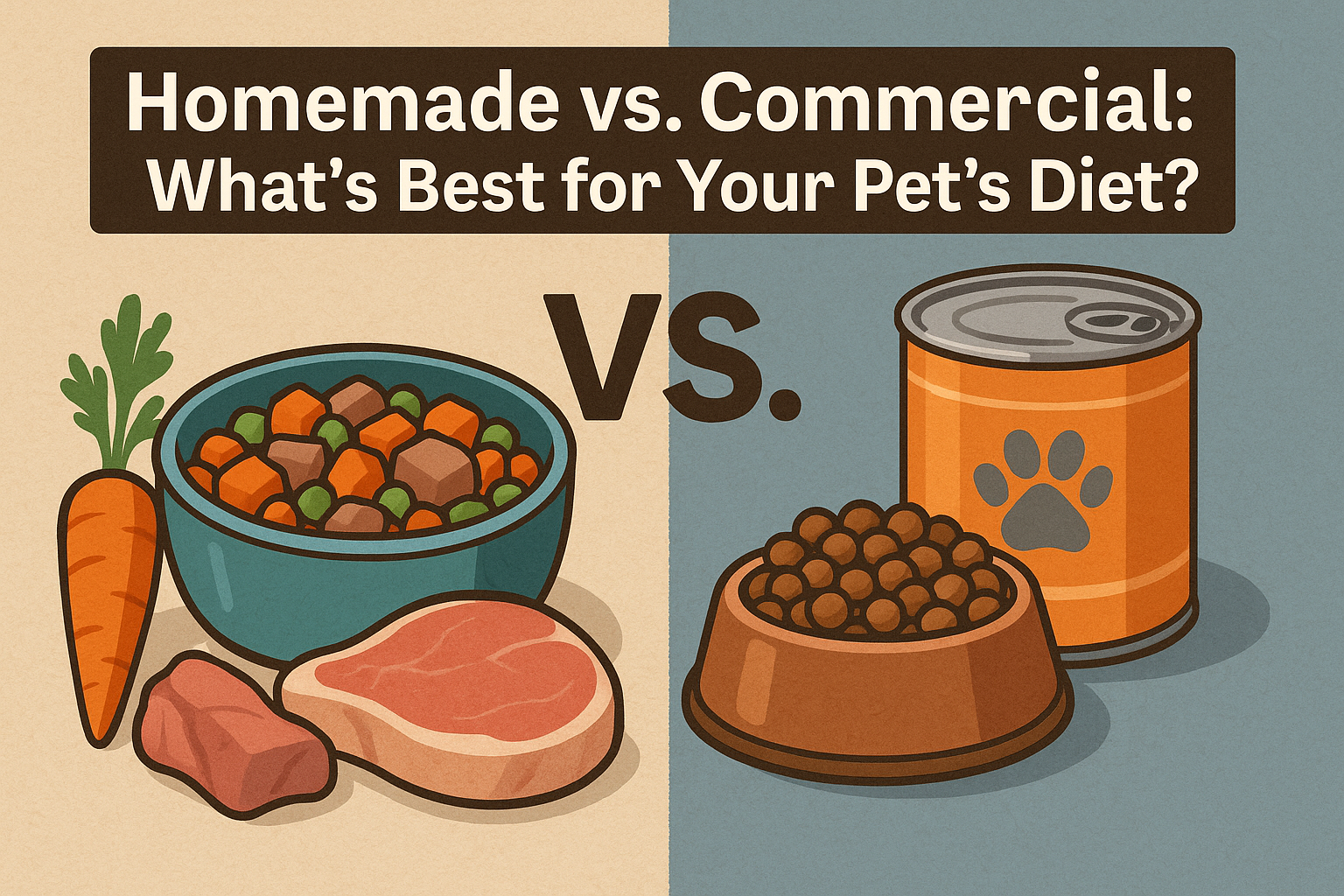
Based on your pet’s needs, your lifestyle, and your budget, decide on the primary feeding method. This could be a high-quality commercial kibble, canned food, a raw diet, fresh food, or a combination. Remember, consistency is often more important than radical shifts.
-
Portion Control: Always adhere to recommended feeding guidelines, adjusted for your pet’s specific activity level and weight goals. Use a measuring cup or scale for accuracy.
-
Feeding Schedule: Most adult dogs and cats do well with two meals a day. Puppies and kittens require more frequent meals.
Step 4: Consider Supplements and Whole Foods
With your vet’s approval, strategically introduce supplements or healthy whole foods to support specific health goals. Remember, these are complementary, not replacements for a balanced base diet. Integrate them slowly and monitor your pet’s response.
Step 5: Monitor and Adjust
Pet nutrition is not a static process. Your pet’s needs will change over time. Regularly monitor their:
-
Weight and Body Condition: Ensure they maintain a healthy weight. You should be able to feel their ribs easily but not see them prominently.
-
Energy Levels: A well-nourished pet is typically energetic and playful.
-
Coat and Skin Health: A shiny coat and healthy skin are indicators of good nutrition.
-
Stool Quality: Firm, consistent stools are a sign of healthy digestion.
-
Overall Demeanor: Changes in behavior or appetite can signal a need for dietary review.
Be prepared to make adjustments to the diet as your pet ages or if their health status changes. Regular vet check-ups are essential for this ongoing assessment.
The journey to optimal pet nutrition is a continuous one, filled with learning and adaptation. By staying informed, consulting experts, and listening to your pet’s unique needs, you can provide them with a diet that fosters a long, happy, and healthy life. Moving beyond the conventional and embracing modern advancements will unlock their full potential.
In 2026, the commitment to superior pet nutrition means understanding the science, utilizing the available tools, and making choices that truly serve the best interests of our animal companions.
Frequently Asked Questions About Pet Nutrition
What are the signs of a good quality pet food?
Good quality pet food typically lists a named meat source (e.g., “chicken” not “meat meal”) as the first ingredient. It should have a balanced blend of protein, fat, and carbohydrates suitable for your pet’s life stage, along with essential vitamins and minerals. Avoid foods with excessive fillers, artificial colors, flavors, and preservatives. Look for foods that meet AAFCO (Association of American Feed Control Officials) nutritional adequacy statements.
Is grain-free pet food always better?
Not necessarily. While some pets have grain sensitivities, for most, grains are a healthy source of carbohydrates, fiber, and nutrients. Recent concerns about a potential link between certain grain-free diets and heart disease (DCM) in dogs mean it’s best to discuss this with your veterinarian before choosing a grain-free option. Unless your pet has a diagnosed grain allergy, a diet with grains can be perfectly healthy.
How often should I feed my pet?
Most adult dogs and cats do well with two meals per day. Puppies and kittens typically require three to four smaller meals daily to support their rapid growth and higher energy needs. Senior pets might benefit from smaller, more frequent meals if they have digestive issues. Always follow your vet’s advice and adjust based on your pet’s specific energy levels and health.
Can I feed my pet a homemade diet?
Yes, but with extreme caution. Homemade diets must be meticulously balanced by a board-certified veterinary nutritionist to ensure they provide all necessary nutrients in the correct proportions. Unbalanced homemade diets can lead to serious nutrient deficiencies or excesses, causing long-term health problems. It’s a significant commitment and requires careful planning and often supplements.
How can I tell if my pet is getting proper nutrition?
Signs of good pet nutrition include a shiny, healthy coat, bright eyes, good energy levels, a healthy appetite, consistent and well-formed stools, and maintaining an ideal body weight. If your pet exhibits lethargy, dull coat, digestive upset, weight loss or gain, or behavioral changes, it’s time to consult your veterinarian to evaluate their diet.