From Kibble to Kale: Exploring the Evolution of Pet Diets
Introduction
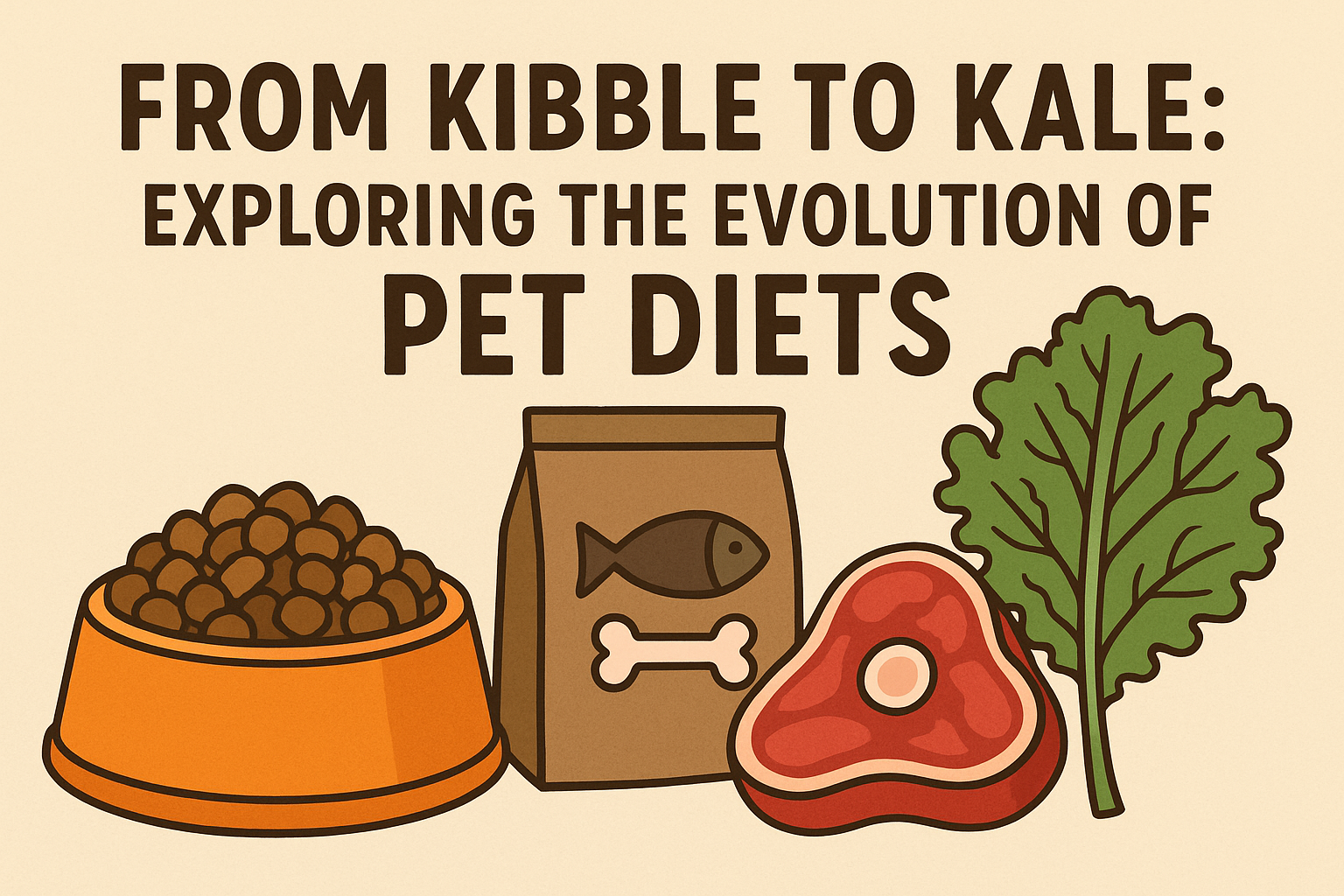
The diet of our pets has undergone significant changes over the years, transitioning from simple kibbles to more sophisticated and varied food options that cater to their specific health needs. As pet owners become increasingly concerned about the well-being of their furry companions, the pet food industry has also evolved, incorporating new trends and scientific research into pet nutrition. This article explores the evolution of pet diets, discussing the transition from processed kibble to holistic and natural foods, and the growing trend toward fresh, healthy ingredients such as kale.
The Beginnings: Kibble and its Rise to Popularity
The history of commercial pet food dates back to the mid-19th century when the first commercial dog biscuit was created by an American named James Spratt in 1860. Made from a mix of grains, vegetables, and meat, these biscuits marked the beginning of the pet food industry as we know it. As industrialization progressed in the early 20th century, the introduction of kibble changed the game. Kibble was convenient, shelf-stable, and easy to store and serve, appealing to busy pet owners.
Throughout the 20th century, notable pet food companies emerged, standardizing the formulation of kibble to include various nutrients necessary for pet health. But while kibble was convenient and affordable, it was often criticized for its lack of real nutritional value. Many kibble formulations were high in carbohydrates and fillers, leading to questions about their true benefit to pets.
The Shift Towards Holistic Pet Nutrition
The late 20th century saw a significant shift in consumer attitudes towards pet nutrition. As pet owners became more informed about nutritional science and its implications for health, they began questioning the ingredients in their pet’s food. This shift led to a growing demand for more natural and holistic options.
Holistic pet food brands emerged, focusing on high-quality, wholesome ingredients. These new formulations aimed to provide balanced nutrition without artificial additives, fillers, or by-products. Ingredients like brown rice, real meat, fruits, and vegetables began to replace low-quality fillers, appealing to health-conscious pet owners.
Vets also started emphasizing the importance of a balanced diet in preventing health issues such as obesity, diabetes, and gastrointestinal problems in pets. The recommendation of premium, grain-free, and protein-focused diets became increasingly popular among pet owners keen to improve their pets’ overall health.
The Raw Food Movement
In the 2000s, the raw food diet gained traction among pet owners looking to mimic the diet of wild ancestral canines. Advocates of this diet believe that a raw food approach—consisting of raw meats, bones, organs, fruits, and vegetables—provides nutrients in their most natural forms, thus promoting optimal health.
Proponents of raw feeding argue that it can lead to healthier coats, improved dental health, and an increase in energy levels. However, it is crucial to prepare raw diets carefully to ensure pets receive balanced nutrition and to minimize the risk of bacterial contamination. Because of these challenges, many pet owners look for commercially prepared raw diets, which have become increasingly available.
The Rise of Human-Grade Pet Food
As the humanization of pets continues, so does the demand for high-quality, human-grade pet food. Pet owners increasingly want to know where their pet’s food comes from and are more inclined to purchase products using fresh, whole ingredients. In response, numerous brands have emerged that offer pet food made with ingredients fit for human consumption.
Human-grade pet food boasts being minimally processed, free from artificial preservatives, and rich in nutrients, paralleling the ever-growing trend of clean eating among humans. This has opened the door for fresh and frozen options that take pet diets beyond traditional kibble and canned food.
Exploring Plant-Based Diets for Pets
Recent studies and social movements around veganism and plant-based diets have drawn attention to the possibility of feeding pets a more plant-centric diet. While cats are obligate carnivores and require specific nutrients primarily found in animal tissues, some pet owners are exploring vegetarian diets for their dogs. Companies are beginning to formulate plant-based dog foods that include proteins derived from legumes, grains, and specific supplements to ensure all nutritional needs are met.
However, the viability of these diets is hotly debated. Pet owners interested in a plant-based diet for their dogs should consult with a veterinarian or a pet nutritionist to develop a balanced meal plan tailored to their dog’s specific needs.
Introducing Superfoods: Kale and Beyond
Among the latest trends in pet nutrition is the incorporation of “superfoods” into pet diets. One of these superfoods that have gained attention is kale—a leafy green known for its health benefits in humans. High in nutrients such as vitamins A, C, and K, fiber, and antioxidants, kale is increasingly being found in commercial pet foods and homemade recipes alike, touted for its potential to boost immune function and provide essential nutrients.
Other superfoods making their way into pet diets include blueberries, sweet potatoes, chia seeds, and probiotics that promote digestive health. The inclusion of these ingredients reflects a growing belief among pet owners that a nutritious diet can prevent health problems and improve their pets’ quality of life.
The Impact of Technology and Personalization
The advancements in technology have altered how pet food is manufactured, marketed, and consumed. Smart pet food companies are using data analysis to personalize diets based on individual pet needs. Subscription services now offer custom meal plans tailored to pets’ age, size, health condition, and preferences.
Furthermore, the demand for transparency has encouraged brands to adopt clean labeling practices, providing pet owners with detailed ingredient lists and sourcing information. This shift means that pet owners can make more informed choices about what goes into their pets’ diets, ultimately fostering better health and well-being.
Conclusion
The evolution of pet diets from standard kibble to diverse, holistic, and personalized options illustrates a broader shift toward prioritizing pet health and wellness. Pet owners now have more choices than ever, and understanding the nutritional needs of pets is paramount. With growing trends in superfoods, raw diets, and human-grade ingredients, it’s essential for pet owners to consult with veterinarians and nutritionists to ensure balanced diets for their furry friends. As the understanding of pet nutrition continues to advance, pet diets will likely keep evolving, moving toward even healthier and more wholesome options.
FAQs
1. Can I switch my pet from kibble to a raw diet suddenly?
No, it’s best to transition gradually to minimize digestive upset. Introduce raw food in small amounts alongside their current diet, slowly increasing the proportion over a week or more.
2. Are plant-based diets suitable for all dogs?
While some dogs may thrive on a vegetarian or vegan diet, it’s essential to ensure they receive all necessary nutrients. Consult a veterinarian or a pet nutritionist before making any major dietary changes.
3. Is it safe to feed my pet human food like kale?
Many human foods are safe for pets, and kale can offer health benefits. However, be cautious of ingredients that are toxic to pets, such as onions and chocolate. Always consult your veterinarian before introducing new foods.
4. How do I know if a pet food is high-quality?
Look for food with high-quality ingredients, clear labeling, and no artificial additives or fillers. Researching different brands and reading reviews can also help determine quality.
5. What should I consider when choosing a diet for my pet?
Consider your pet’s age, breed, size, health conditions, and any allergies they may have. It’s wise to consult with a veterinarian for personalized recommendations.