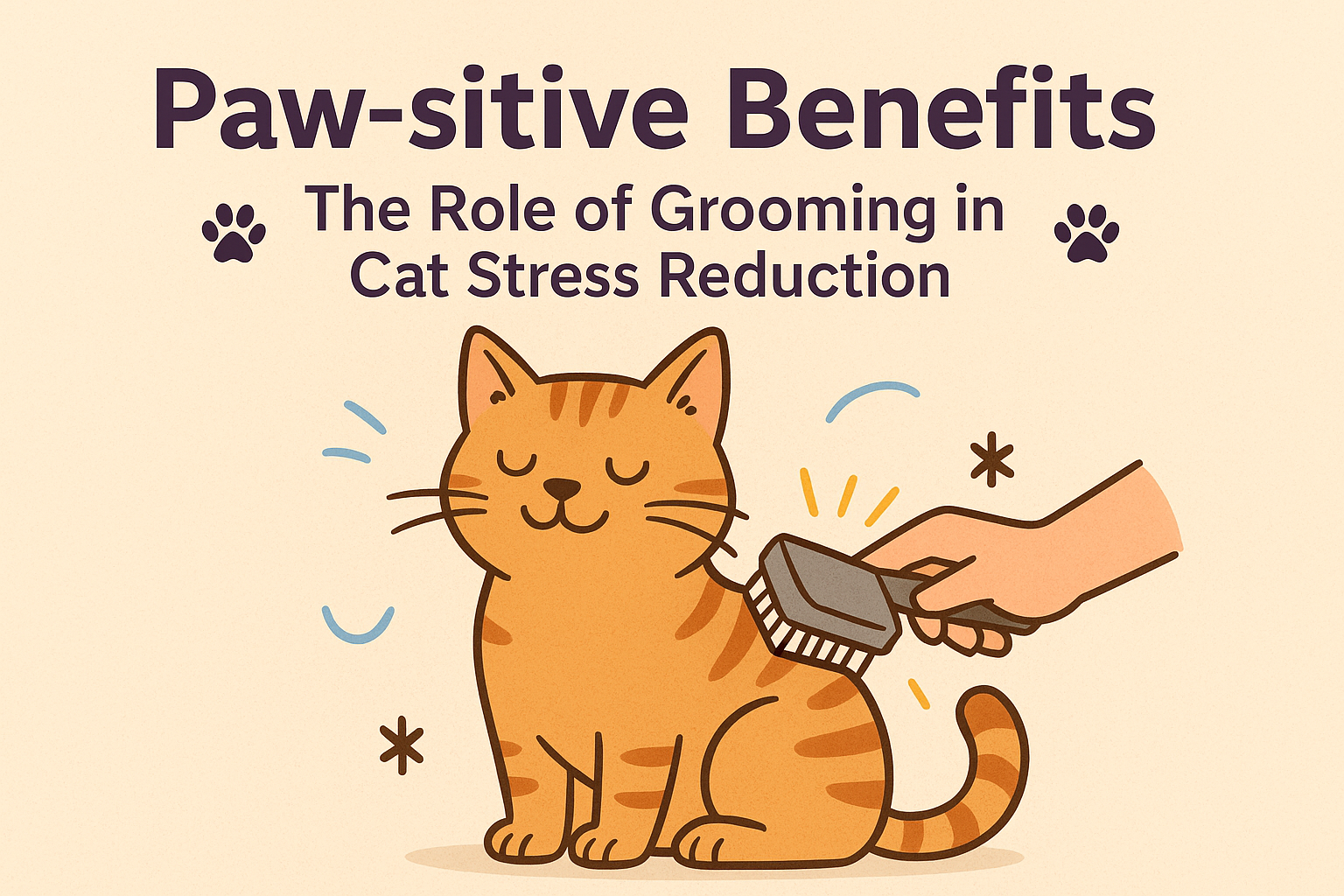
Paw-sitive Benefits: The Role of Grooming in Cat Stress Reduction
Cats are known for their independent nature, but they are also sensitive creatures that can experience stress and anxiety just like humans do. One effective way to enhance their well-being is through grooming. While grooming is often viewed as a task that keeps cats looking their best, it has profound effects on their mental health and stress levels. In this article, we will explore the numerous benefits of grooming in relation to cat stress reduction, practical grooming tips, and how to incorporate grooming into your relationship with your feline friend.
The Emotional Landscape of Cats
Understanding a cat’s emotional state is crucial for every cat owner. Cats can experience a range of emotions including fear, anxiety, joy, and love. Stress in cats can be triggered by various factors:
- Changes in the household (e.g., moving, new pets, or family members)
- Loud noises like thunderstorms or fireworks
- Lack of mental stimulation or playtime
- Health issues
Identifying signs of stress in cats is essential. Common indicators include excessive grooming (which can lead to bald spots), aggression, hiding, changes in eating habits, and vocalization.
The Science Behind Grooming and Stress Reduction
Grooming is not just about keeping a cat clean; it’s also a deeply ingrained behavior that serves multiple purposes.
1. Natural Instincts
Cats are natural groomers. In the wild, grooming is a crucial part of their daily routine. The act of grooming helps them maintain their fur, ensuring they stay warm and protected from the elements. This instinctual behavior is often carried over into domestic cats, and when they groom themselves or are groomed by humans, it can be incredibly calming.
2. Bonding and Trust
Grooming your cat provides an opportunity to bond. The act of grooming can create a sense of safety and trust between the cat and the owner. When you gently brush or pet your cat, you are reinforcing a positive interaction that helps reduce their stress levels. This connection is especially important for cats that may have experienced trauma or anxiety.
Benefits of Grooming for Stress Reduction
1. Anxiety Relief
Regular grooming sessions can significantly reduce a cat’s anxiety. The repetitive motion and tactile sensation of brushing can have a soothing effect similar to petting. It stimulates the release of endorphins, which are the body’s natural stress relievers, helping to create a feeling of comfort and relaxation.
2. Reducing Shedding and Hairballs
Grooming helps control shedding and minimizes the occurrence of hairballs. Excess fur can build up in a cat’s system and lead to discomfort or stress. By regularly grooming your cat, you help remove loose hair and dander, making them feel more at ease.
3. Enhancing Circulation
The act of brushing a cat not only removes dirt and debris but also stimulates the skin, promoting better circulation. Improved blood flow can contribute to a cat’s overall well-being, making them feel more relaxed and healthy.
4. Early Detection of Health Issues
Regular grooming allows you to monitor your cat’s health. During grooming sessions, you are likely to notice changes in their skin or coat, such as bald patches, signs of parasites, or lumps. Catching these issues early can reduce stress related to health concerns.
How to Groom Your Cat Effectively
To maximize the benefits of grooming, it’s important to approach it correctly. Here are some tips for effective cat grooming:
1. Choose the Right Tools
The kind of brush or grooming tool you use will depend on your cat’s coat type:
- Short-haired cats: Use a fine-toothed comb or a rubber grooming mitt.
- Long-haired cats: A wide-toothed comb or a slicker brush is ideal.
2. Create a Calm Environment
Find a quiet and comfortable space for grooming. Minimize distractions from loud noises or other pets. Play calming music in the background if necessary.
3. Start Slowly
If your cat is not used to being groomed, take your time. Begin with short sessions and gradually increase the duration as your cat becomes more comfortable.
4. Use Gentle Techniques
Always brush gently and take care around sensitive areas like the belly and tail. Pay attention to your cat’s body language, and stop if they seem uncomfortable or anxious.
5. Positive Reinforcement
Reward your cat with treats or praise during and after grooming sessions. This will help them associate grooming with positive experiences, reducing potential stress.
Integrating Grooming into Your Routine
Incorporating grooming into your regular routine can foster a closer bond with your cat while significantly improving their stress levels. Here are a few strategies:
1. Make It a Habit
Setting aside specific days or times for grooming can help both you and your cat settle into a routine. Consistency often leads to lower stress for your feline friend.
2. Combine Grooming with Play
Before or after grooming, engage in a favorite play session to make the experience more enjoyable. This can distract your cat and create a playful atmosphere.
3. Watch for Signs of Stress
Always be alert to your cat’s cues. If your cat shows signs of stress – such as flattened ears, hissing, or attempting to escape – it may be best to stop and try again later.
Special Considerations for Senior and Anxious Cats
Some cats, especially seniors or those with a history of anxiety, may require special attention when it comes to grooming.
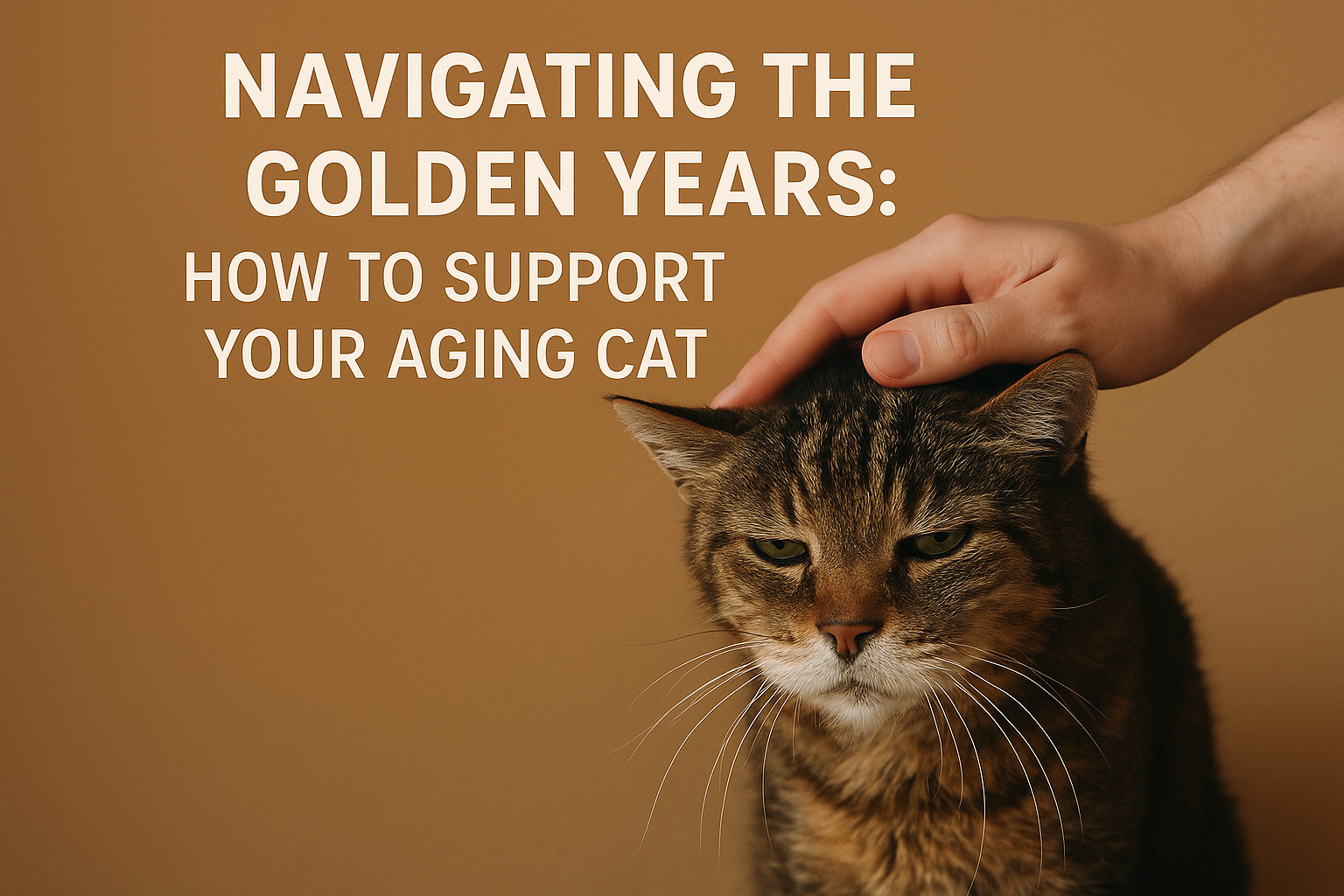
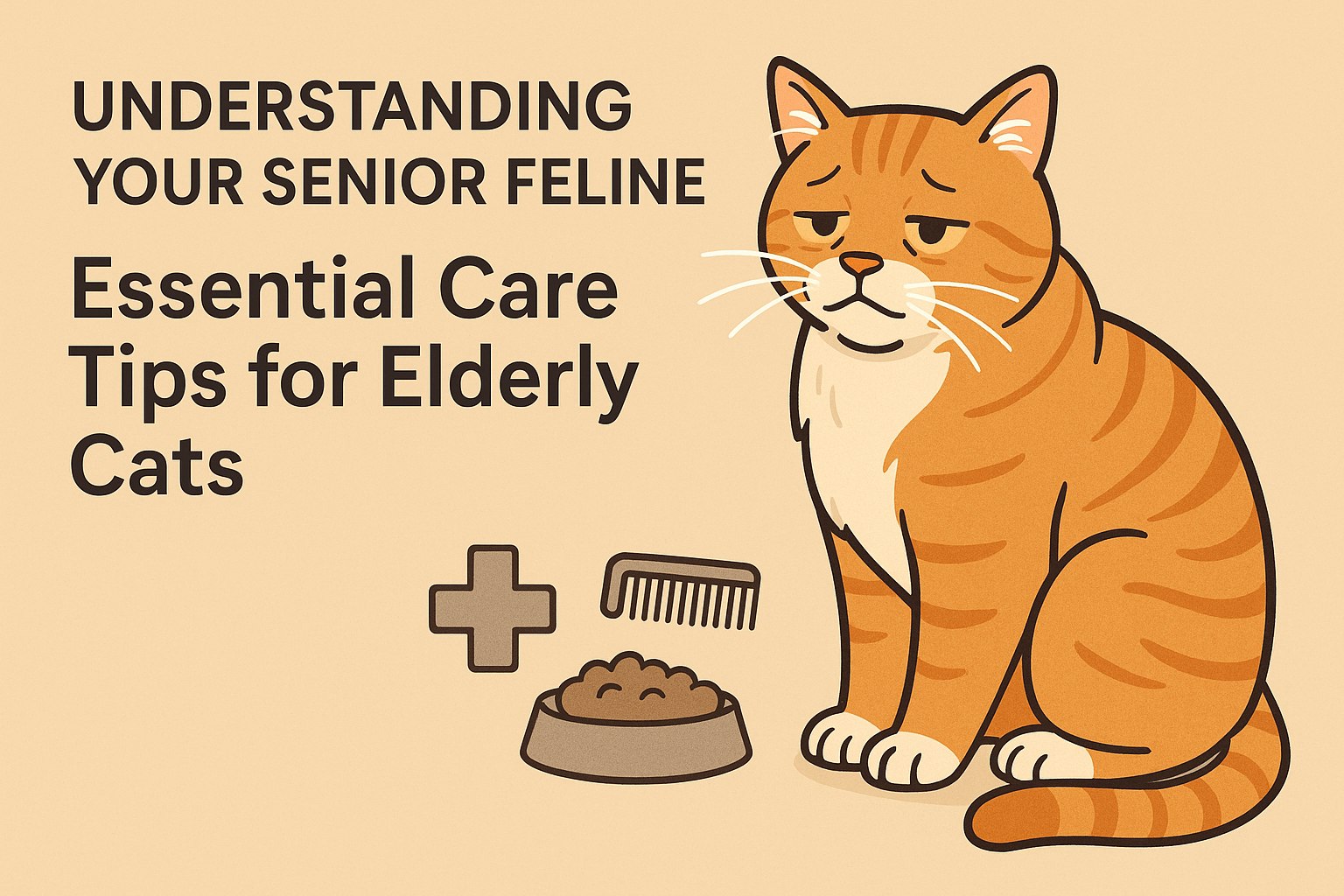
For Senior Cats
Older cats may not groom themselves effectively due to mobility issues or health problems. Ensure their grooming is extra gentle, and inspect their body for signs of discomfort or pain.
For Anxious Cats
For cats that are naturally anxious, consider utilizing calming sprays or pheromone diffusers before grooming. You can also groom during particularly relaxed times, such as after a meal or during their favorite napping period.
Conclusion
Grooming is far more than a mere aesthetic choice for cats; it plays an essential role in reducing stress and enhancing their emotional well-being. By implementing regular grooming sessions, you can provide your cat with a calming experience that strengthens your bond and promotes better health. Remember, the key is to approach grooming with patience, positive reinforcement, and a gentle touch. With these practices in place, you are not only keeping your cat well-groomed but also helping them feel safe, secure, and loved.
Frequently Asked Questions (FAQs)
1. How often should I groom my cat?
The frequency of grooming depends on the type of cat you have. Short-haired cats typically benefit from brushing once a week, while long-haired cats may require daily grooming to prevent mats and tangles.
2. What should I do if my cat hates being groomed?
If your cat dislikes grooming, start slowly and use treats to create positive associations. You might also consider short, more frequent sessions rather than long ones to help ease their anxiety.
3. Can grooming help with shedding?
Yes! Regular grooming removes loose fur and dander, reducing overall shedding and helping to keep your home cleaner.
4. What health issues should I look for while grooming?
Look for unusual bumps, skin irritation, or signs of parasites like fleas. Changes in the texture of your cat’s coat or significant weight loss can also indicate potential health issues that require a veterinarian’s attention.
5. Is it okay to use human grooming tools on my cat?
It’s best to use grooming tools specifically designed for cats to avoid causing injury. Human brushes may be too harsh or uncomfortable for your pet’s skin.
6. Can I groom my cat while they’re sleeping?
It is usually not recommended to groom a sleeping cat, as this might startle them and create a negative association with grooming. It’s best to wait until they are awake and alert.