
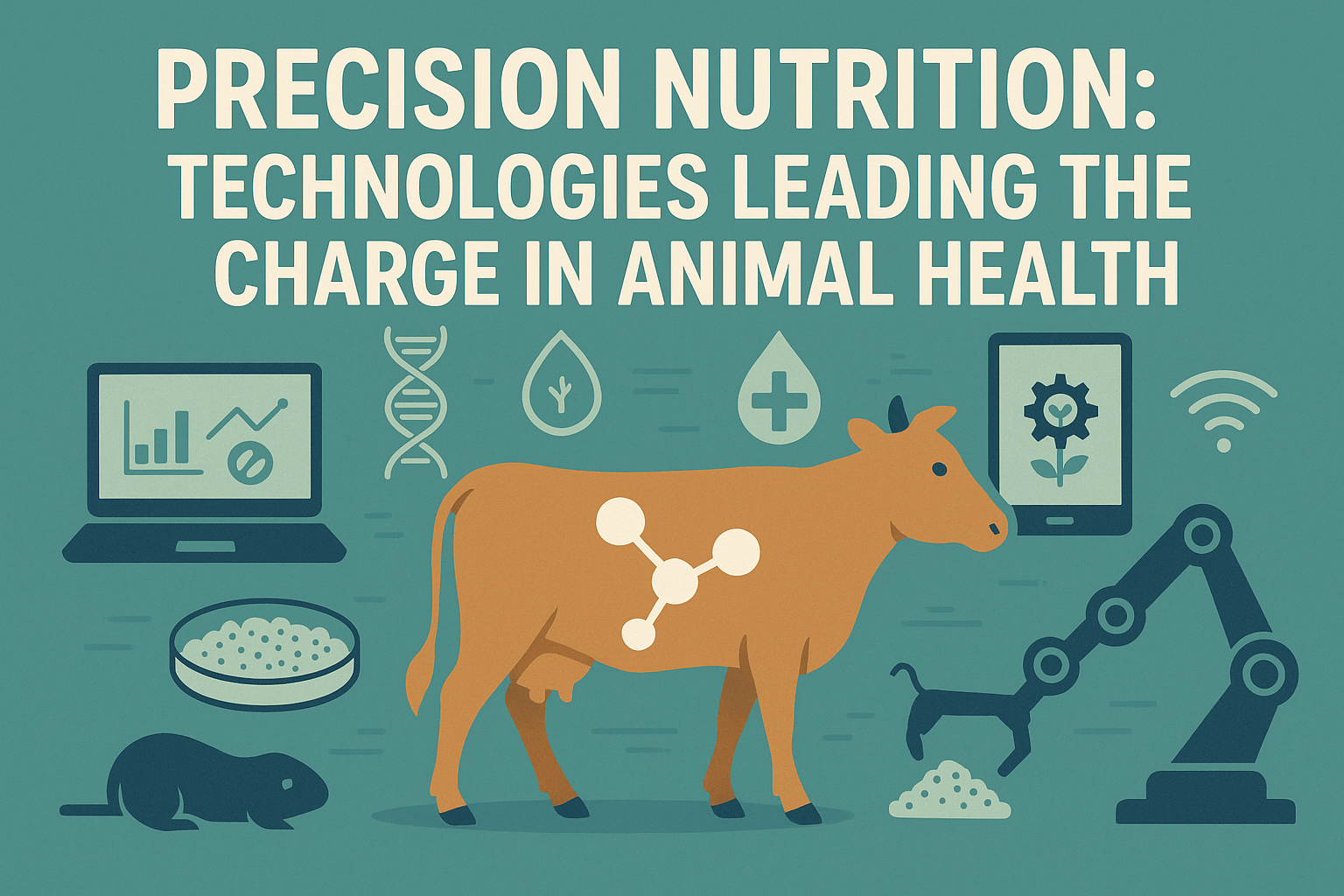
In the ever-evolving landscape of animal health, precision nutrition stands out as a beacon of hope and innovation. With advances in technology, the approach has shifted from a one-size-fits-all strategy to a more personalized method that considers dietary needs at both the individual and species level. This article will explore how precision nutrition, underpinned by cutting-edge technologies, is revolutionizing animal health, improving productivity, and enhancing welfare.
Understanding Precision Nutrition
Precision nutrition involves customizing animal diets to meet specific needs based on factors such as age, weight, genetics, health status, and production goals. Unlike traditional feed formulation practices that rely on generalized feeding standards, precision nutrition is aimed at optimizing the health and productivity of animals. It involves a combination of advanced analytics, data collection, and real-time monitoring.
Key Technologies in Precision Nutrition
1. Genomics and Genetic Markers
One of the foundational technologies of precision nutrition is genomics. By analyzing genetic markers, scientists can understand how different animal breeds respond to specific nutrients, identifying which dietary components yield the best outcomes. This genomic data can guide animal breeding programs aimed at improving health and productivity traits, ultimately leading to the formulation of optimized feeds.
2. Artificial Intelligence (AI) and Machine Learning
The application of AI and machine learning algorithms has revolutionized data analysis in animal nutrition. These technologies enable the processing of vast amounts of data from various sources such as feeding trials, health records, and environmental factors. AI can identify patterns and correlations that would be impossible for human analysts to detect, providing insights that lead to more tailored nutrition plans.
3. Nutritional Software and Apps
With the rise of digital tools, nutritional software and applications have become indispensable in the realm of precision nutrition. These platforms allow farmers and nutritionists to simulate different dietary strategies, calculate nutrient requirements, and track animal performance metrics over time. Users can access real-time data to make informed decisions that optimize health and production efficiency.
4. Wearable Technology and IoT
Wearable technology and the Internet of Things (IoT) have opened new avenues for monitoring animal health. Devices can collect data on an animal’s activity, feeding habits, and physiological parameters. This information can be crucial for adjusting diets in real-time, ensuring that each animal receives the specific nutrients it needs to thrive. Sensors placed in barns or fields can also monitor environmental factors that influence feed intake and health.
The Impact of Precision Nutrition
The implications of adopting precision nutrition are profound, not only for individual animals but also for the agricultural industry as a whole.
1. Enhanced Animal Health and Welfare
By tailoring diets to meet the specific needs of animals, precision nutrition can significantly improve health outcomes. Livestock that receive properly formulated diets are less prone to metabolic disorders, leading to lower mortality rates and improved overall welfare. Healthy animals are also more productive, contributing to better milk yield, weight gain, and reproductive performance.
2. Increased Efficiency and Sustainability
Precision nutrition enables farmers to use feed resources more effectively. By ensuring that animals receive optimal nutrition, feed wastage can be minimized, leading to less environmental impact and a more sustainable agriculture system. Accurate nutrient profiles can also reduce the need for expensive supplements and additives, ultimately lowering costs for producers.
3. Improved Economic Outcomes
For farmers and animal health companies, the benefits of precision nutrition are reflected in economic metrics as well. Enhanced production efficiency translates to lower operational costs and higher profit margins. Healthier animals reduce veterinary expenses, and optimizing feed formulations can maximize production output, increasing profitability.
4. Data-Driven Decisions
The focus on data in precision nutrition allows for informed decision-making. The use of data analytics facilitates predictive modeling of animal growth and health, enabling producers to adapt their strategies based on actual performance rather than relying on estimates. This dynamic approach is key to ongoing success in a rapidly changing agricultural environment.
The Future of Precision Nutrition in Animal Health
The future of precision nutrition is promising, driven by ongoing advancements in technology and a growing understanding of animal health requirements. As AI continues to evolve, its integration with precision nutrition will likely deepen, enabling even more complex models and predictions of animal needs. Furthermore, with the rise of precision livestock farming, real-time monitoring and intervention will become standard practice, ensuring that animal welfare continues to improve.
Moreover, as global demands for food production increase, precision nutrition will play a crucial role in meeting these demands sustainably. By aligning animal health practices with environmental stewardship, the agricultural sector can contribute to global food security while minimizing ecological impacts.
Conclusion
In summary, precision nutrition represents a transformative approach in the field of animal health, driven by technological advancements and a deeper understanding of animal biology. By utilizing genomics, artificial intelligence, nutritional software, and monitoring technologies, the industry can significantly enhance animal health, welfare, and productivity. As we move forward, the continued integration of these technologies will not only benefit individual animals but also contribute to a more sustainable and efficient food system globally.
FAQs
What is precision nutrition?
Precision nutrition refers to the practice of tailoring animal diets to the specific needs of individual animals or groups based on factors like health status, genetic background, and production goals.
How does genomics contribute to precision nutrition?
Genomics allows us to understand genetic markers in animals that influence their nutritional needs and responses, helping in the development of more effective diets.
What role does AI play in animal nutrition?
AI analyzes large datasets to identify patterns and correlations in animal health and nutrition, enabling more precise dietary recommendations and better decision-making.
How can wearable technology benefit animal health?
Wearable technology provides real-time data on animal behavior and health, allowing farmers to adjust nutrition plans dynamically and promptly address health issues.
What are the economic benefits of precision nutrition?
Implementing precision nutrition can lead to reduced feeding costs, lower veterinary expenses, and increased productivity, ultimately improving profitability for farmers.