Paws and Principles: Unlocking the Secrets of Successful Dog Training
Training your dog is one of the most rewarding experiences a pet owner can have. However, it is also one of the most challenging. Many dog owners struggle with the ‘why’ and ‘how’ of effective dog training, which often leads to frustration for both the owner and the dog. Successful dog training is not just about teaching commands; it’s about understanding the principles behind canine behavior, establishing a strong bond, and using positive reinforcement techniques. This article will explore the fundamental principles of dog training and provide useful techniques to help unlock the secrets of training your furry friend.
Understanding Canine Behavior
Before diving into training methods, it’s essential to understand canine behavior. Dogs are complex creatures with their own ways of communicating, interpreting the world, and responding to stimuli.
The Pack Mentality
At their core, dogs are pack animals. In the wild, they thrive in social groups, relying on cooperation and understanding among pack members. As a pet owner, you are part of your dog’s pack. Understanding this will help you establish a hierarchy and a relationship built on trust and respect. Your dog looks to you for guidance, and it’s your job to take on that leadership role while being fair and consistent.
Canine Communication
Dogs communicate using a variety of vocalizations, body language, and behavior. Understanding these signals is crucial for successful training. For example, a wagging tail may signify excitement or happiness, while growling may indicate fear or aggression. Recognizing these cues can help you better respond to your dog’s needs. Additionally, proper socialization during puppyhood can establish a well-adjusted adult dog who is comfortable in various environments and situations.
Training Techniques
Now that you understand the principles of canine behavior, it’s time to explore effective training techniques. Different dogs respond to various methods, so it’s important to find the approach that works best for you and your dog.
Positive Reinforcement
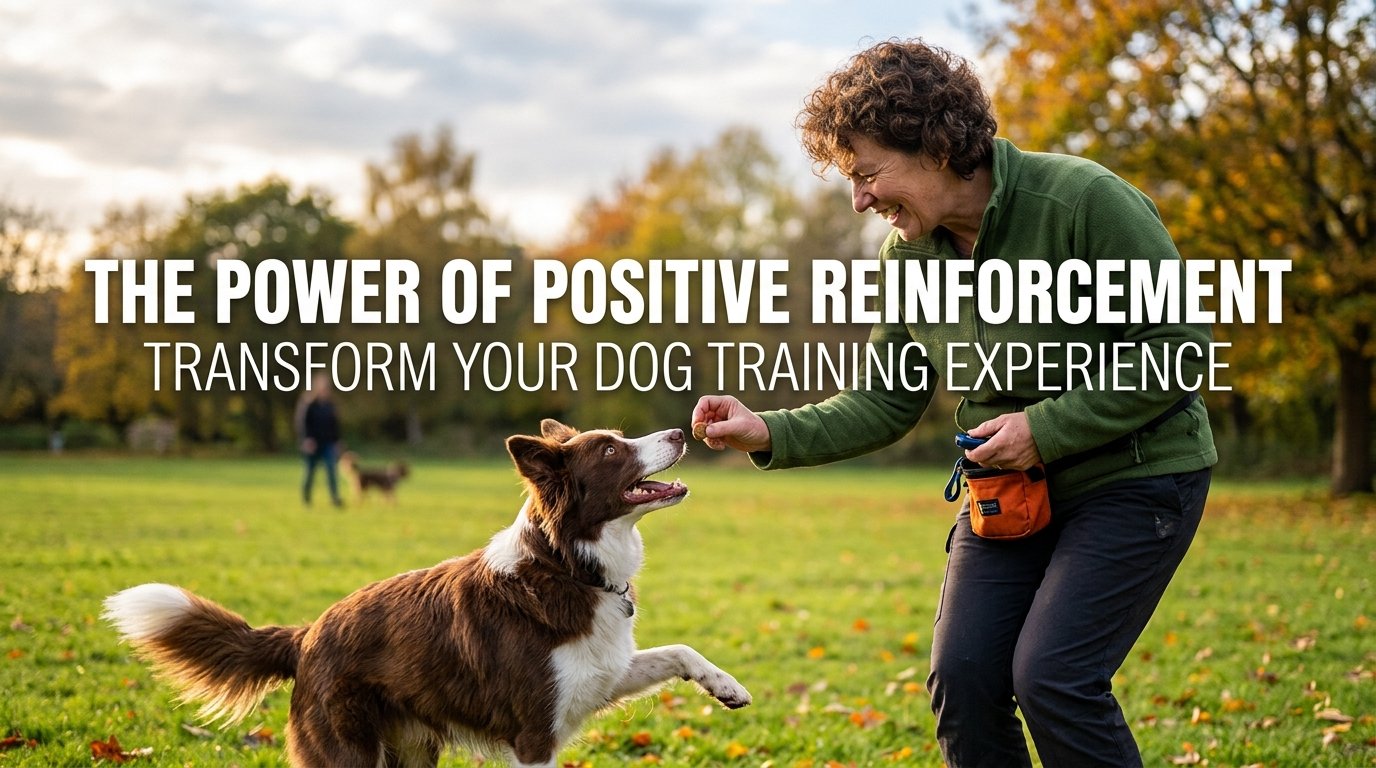
Positive reinforcement is widely regarded as one of the most effective training methods. This technique involves rewarding your dog for exhibiting desirable behavior. Rewards can come in various forms, such as treats, praise, or playtime. It encourages your dog to repeat the desired behavior, fostering a positive association.
-
- Consistency: Be consistent with your commands and rewards. If you ask for “sit,” always use the same command so your dog can learn more efficiently.
-
- Timing: The timing of the reward is crucial. Reward your dog immediately after he performs the desired behavior to reinforce the connection.
-
- Variety: Mix up rewards to keep your dog engaged. Sometimes, a favorite treat or a new toy can be more motivating than verbal praise.
Clicker Training
Clicker training is another form of positive reinforcement that utilizes a click sound to mark desired behavior. The clicker serves as a signal to your dog that he has done something right, followed by a reward. This method can help with precision in training and can expedite the learning process.
Leash Training
Leash training is one of the essential skills your dog needs to master for safety and control. Teaching your dog to walk calmly on a leash requires patience and practice.
-
- Start Early: Introduce the leash and collar when your dog is a puppy to create a positive association with wearing them.
-
- Practice Loose Leash Walking: Use treats to encourage your dog to walk beside you without pulling. If your dog pulls, stop walking until they return to your side.
-
- Be Patient: Some dogs take longer to learn leash manners. Patience and consistency are key elements in achieving success.
Addressing Behavioral Issues
Inevitably, you may face behavioral issues during your dog training journey. Addressing these problems requires understanding their root cause and employing appropriate training methods.
Fear and Anxiety
Many dogs experience fear or anxiety due to various circumstances, such as loud noises, new environments, or separation from their owners. It’s important to recognize these situations and implement gradual desensitization strategies. For instance, if your dog is afraid of thunderstorms, you can try creating a safe space that comforts him, such as a cozy bed in a quiet area.
Aggression
Aggression in dogs can stem from fear, territorial instincts, or frustration. It’s essential to address aggression issues early on to ensure safety for your dog and others. Consult with a professional dog trainer or behaviorist if your dog displays aggressive behavior. They can provide tailored strategies to help manage aggression through training and socialization.
The Importance of Socialization
Socialization is a crucial part of a dog’s development. It involves exposing your dog to various people, places, and situations in a controlled and positive way. Proper socialization can prevent behavioral issues and help your dog develop confidence and adaptability.
Early Socialization
Puppies are particularly receptive to socialization experiences during their critical development period (approximately 3 to 14 weeks of age). This is the time to introduce your puppy to different environments, people, and other animals.
Continued Socialization
Socialization should not stop once your dog reaches adulthood. Continuing to expose your dog to new experiences throughout their life is vital for maintaining good behavior and adaptability.
Building a Strong Bond with Your Dog
A strong bond between you and your dog will enhance the training experience and create a more fulfilling relationship. Here are some tips to strengthen your bond:
-
- Quality Time: Spend quality time together through walks, play, and cuddles. This time helps nurture your bond.
-
- Training Sessions: Incorporate regular training sessions into your routine. It allows for teamwork and reinforces your relationship.
-
- Trust and Respect: Always show understanding and patience towards your dog. Building trust and respect is crucial for effective communication.
Conclusion
Training your dog is an ongoing journey that requires time, patience, and commitment. It’s essential to understand your dog’s behavior and use effective training methods to create a happy, well-adjusted companion. Positive reinforcement and proper socialization are vital components of successful dog training. Remember, it’s not just about teaching commands—it’s about establishing a strong bond built on trust and understanding. With love, patience, and the right techniques, you can unlock the secrets of successful dog training and enjoy many happy moments together with your furry friend.
FAQs
1. How long does it take to train a dog?
The time it takes to train a dog varies based on the individual dog, its age, and the complexity of the commands being taught. Consistent, short training sessions (15-20 minutes) a few times a day can yield results in a matter of weeks to months.
2. What if my dog doesn’t respond to positive reinforcement?
If your dog isn’t responding to positive reinforcement, ensure that you’re using rewards that are motivating to your dog. Additionally, assess whether distractions are present that may hinder their focus, or consider adjusting the training environment.
3. Can I train an older dog?
Absolutely! Older dogs can learn new tricks and commands just like younger ones. Training may take a bit longer for older dogs, especially if they have developed bad habits, but with patience and consistency, success is achievable.
4. Is professional training necessary?
Professional training can be beneficial, especially for more complex issues or aggressive behavior. However, many owners can successfully train their dogs effectively through various resources, including books, online courses, and community classes.
5. What are some signs that my dog needs more training?
Signs may include undesirable behaviors such as excessive barking, aggression, jumping, or trouble walking on a leash. If your dog displays such behaviors, further training and socialization may be necessary.