A New Era of Animal Care: Leveraging Technology for Optimal Nutrition
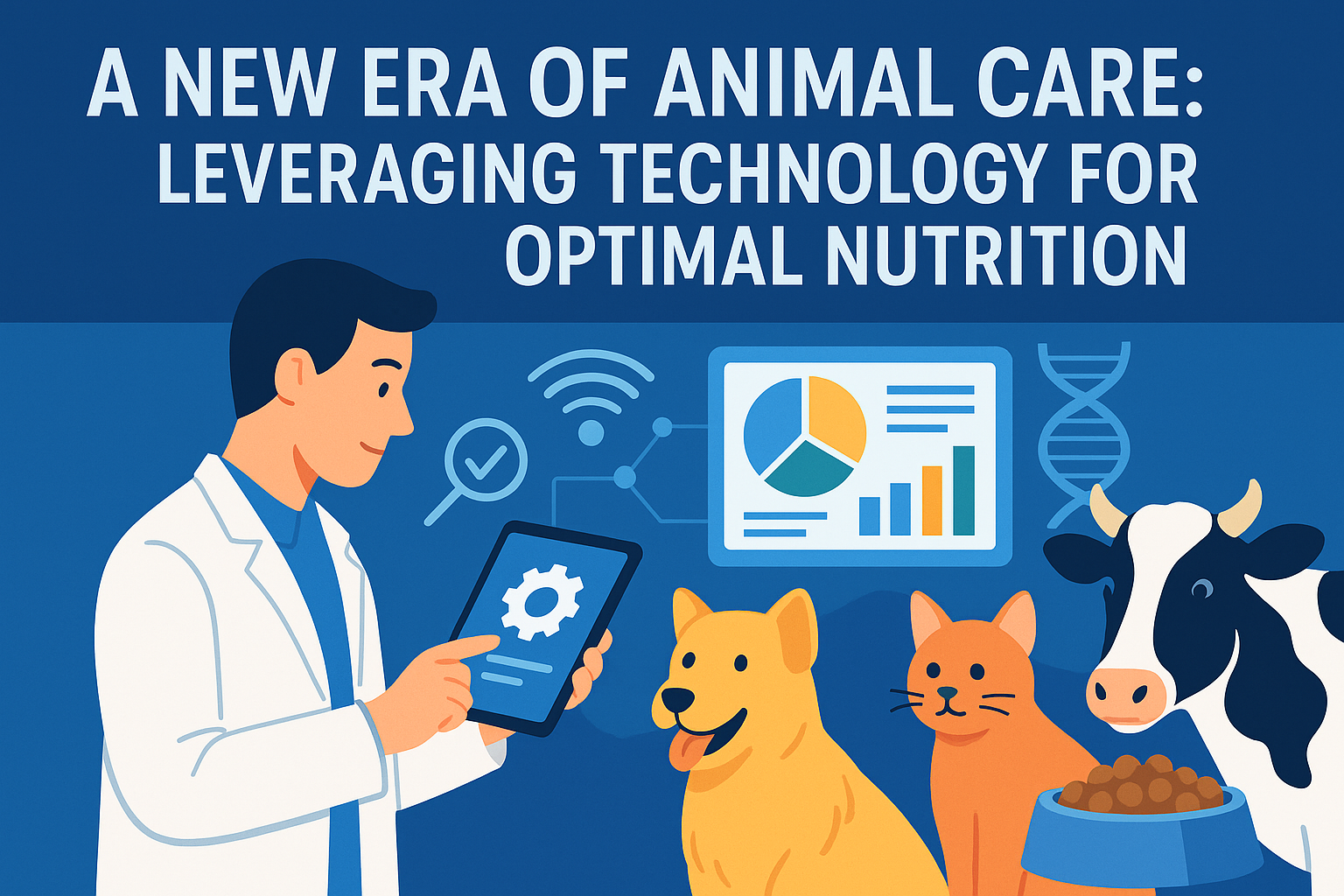
In recent years, the world has witnessed tremendous advancements in technology, impacting various sectors including healthcare, agriculture, and animal husbandry. The integration of technology in animal care has ushered in a new era where optimal nutrition for pets and livestock is more achievable than ever. This article will explore how modern technology enables better nutritional practices for animals, enhancing their health and welfare, while also discussing the challenges that accompany these advancements.
The Importance of Nutrition in Animal Care
Nutrition is a foundational aspect of animal care. Just like humans, animals require a balanced diet to maintain their health, support growth, and promote overall well-being. Poor nutrition can lead to a variety of health issues, including obesity, malnutrition, and susceptibility to diseases. Therefore, understanding the nutritional needs of different species—be it pets, farm animals, or wildlife—is imperative for caregivers.
With the traditional approach often relying on general feeding practices, there has been a growing recognition of the necessity for tailored nutritional strategies based on species, age, health status, and lifestyle. This acknowledgment sets the stage for the integration of technology, which provides innovative solutions to meet these growing demands.
Technology in Nutritional Assessment
One of the key advancements in leveraging technology for optimal animal nutrition is through nutritional assessment tools. Various applications are now available that allow caregivers to monitor and evaluate the nutritional status of animals. These tools often provide functionalities like:
- Food Analysis: Advanced nutritional tracking tools enable caregivers to analyze the nutrient composition of the food they provide, ensuring it meets the specific dietary requirements of the animal.
- Body Condition Scoring: Technology assists in body condition scoring, helping to assess an animal’s weight and fat, making it easier to adjust diets as needed.
- Health Monitoring: Wearable devices can monitor vital signs and overall health, correlating these data points with nutritional input to infer dietary impacts.
Innovative Mobile Applications
Mobile applications dedicated to animal nutrition are gaining popularity among pet owners and livestock farmers. These apps offer customized meal plans based on specific needs and preferences. For example:
- Pet Nutrition Apps: Designed for pet owners, these apps can recommend the appropriate diet by inputting the pet’s age, weight, breed, and health conditions
- Livestock Management Software: Farmers can utilize comprehensive software platforms that integrate feeding programs tailored to optimize livestock’s growth rates and reproductive performance.
Precision Feeding Technologies
Another significant advancement in animal nutrition comes from precision feeding technologies. These technologies enhance the ability to provide the right nutrients to animals at the right time. Sort of like personalized nutrition for animals, precision feeding aims to match the specific needs of individual animals rather than a one-size-fits-all approach.
Automated Feeding Systems
Automated feeding systems leverage sensors and algorithms to deliver precise amounts of feed based on the individual requirements of each animal. This technology is particularly beneficial in intensive farming operations where large numbers of animals are involved. Automated feeders can:
- Adjust feed quantities based on the animal’s size and weight,
- Monitor feeding behavior, and
- Provide data analytics for long-term nutritional planning.
Smart Feeding Devices for Pets
For pet owners, smart feeding devices equipped with microchip technology can ensure that each pet receives its appropriate portion. These gadgets can be scheduled to dispense food at specific times and even allow for remote feeding via smartphone applications.
Data-Driven Nutritional Strategies
The growth of big data analytics is another transformative element in animal nutrition. By collating extensive data from multiple sources, such as veterinary records, feeding habits, and health metrics, caregivers can make informed decisions regarding dietary plans.
Wearable Technology for Monitoring Health
The advent of wearable technology, such as collars equipped with sensors, has revolutionized how we monitor animal health. These devices can track activity levels, caloric burn, and even analyze specific health metrics.
For instance, a dog’s collar may monitor its heart rate, activity levels, and even sleep patterns. When combined with nutritional data, this information enables pet owners to adjust their pets’ diets in response to changing health needs, ensuring they receive optimal nutrition.
Integration with Veterinary Care
Another revolutionary aspect of technology in animal care is improved communication between pet owners, nutritionists, and veterinarians. Veterinary platforms that allow sharing health and nutrition data enable a more integrated approach to animal wellness.
This real-time sharing of information allows for timely adjustments in diet and care protocols, ensuring that animal health is optimized continuously as new data emerges.
The Role of Artificial Intelligence in Nutrition Planning
Artificial Intelligence (AI) holds significant promise in revolutionizing nutrition planning for animals. AI applications can analyze vast datasets to identify trends and recommend dietary changes.
AI-Driven Recommendations
AI algorithms can evaluate an animal’s health, lifestyle, and preferences to create personalized nutritional recommendations. For example, a pet’s historical health data and feeding behavior can feed into an AI model that highlights what dietary changes may enhance health outcomes or prevent potential health issues.
Implementing Predictive Analytics
Predictive analytics powered by AI can estimate future health risks based on current feeding patterns and health metrics. This can help in crafting preventive nutritional strategies, ultimately leading to improved animal welfare and reduced veterinary costs.
Challenges and Considerations
While embracing technology in animal nutrition presents numerous advantages, it also comes with challenges that need consideration. These include:
- Data Privacy: As more data about animals is collected, ensuring its security and privacy becomes crucial.
- Accessibility: Not all pet owners or farmers may have access to advanced technologies, leading to a disparity in animal care.
- Reliance on Technology: An over-reliance on technological solutions may detract from the human element of animal care, which is critical to understanding an animal’s unique needs.
The Future of Animal Nutrition
The future of animal nutrition appears promising as technology continues to advance. Continued research and innovation will likely yield more sophisticated solutions that enhance animal welfare through optimal nutrition.
Emerging technologies such as lab-grown feed alternatives, nutrient-rich supplements, and even gene editing may redefine how animal nutrition is formulated, promising a sustainable and health-oriented future for animal care.
As the integration of technology in animal care evolves, it is essential for animal caregivers to stay informed and engaged with these advancements. The collaboration between veterinarians, animal nutritionists, and caregivers will be crucial in shaping the future of optimal nutrition and improving animal welfare across species.
Conclusion
In conclusion, technology is transforming animal nutrition in unprecedented ways, leading to better health outcomes and improved animal welfare. By leveraging advanced tools for nutritional assessment, precision feeding, and data analytics, animal caregivers can make more informed and tailored feeding decisions. While challenges exist in this rapidly evolving landscape, the potential benefits of enhanced nutrition for pets and livestock are undeniable. As we move forward, embracing these innovations will be essential in promoting a future where all animals receive the optimal nutrition they deserve.
FAQs
1. How can I determine my pet’s nutritional needs?
Consult with your veterinarian or a certified animal nutritionist. They can provide tailored recommendations based on your pet’s breed, age, weight, and health status.
2. What type of technology can I use to monitor my pet’s health?
Wearable devices such as smart collars or activity trackers can help monitor your pet’s health, including their activity levels and vital signs.
3. Are automated feeding systems suitable for all types of animals?
Automated feeding systems are more commonly used in commercial livestock settings. However, some models are designed for pets, specifically cats and dogs.
4. How can farmers benefit from technology in animal nutrition?
Farmers can use technology for precision feeding, health monitoring, and data analytics to improve feed efficiency, enhance productivity, and maintain animal welfare.
5. What challenges should I expect when integrating technology into animal care?
Challenges include data privacy concerns, equitable access to technology, and the need to balance technological solutions with personalized care.