
Introduction
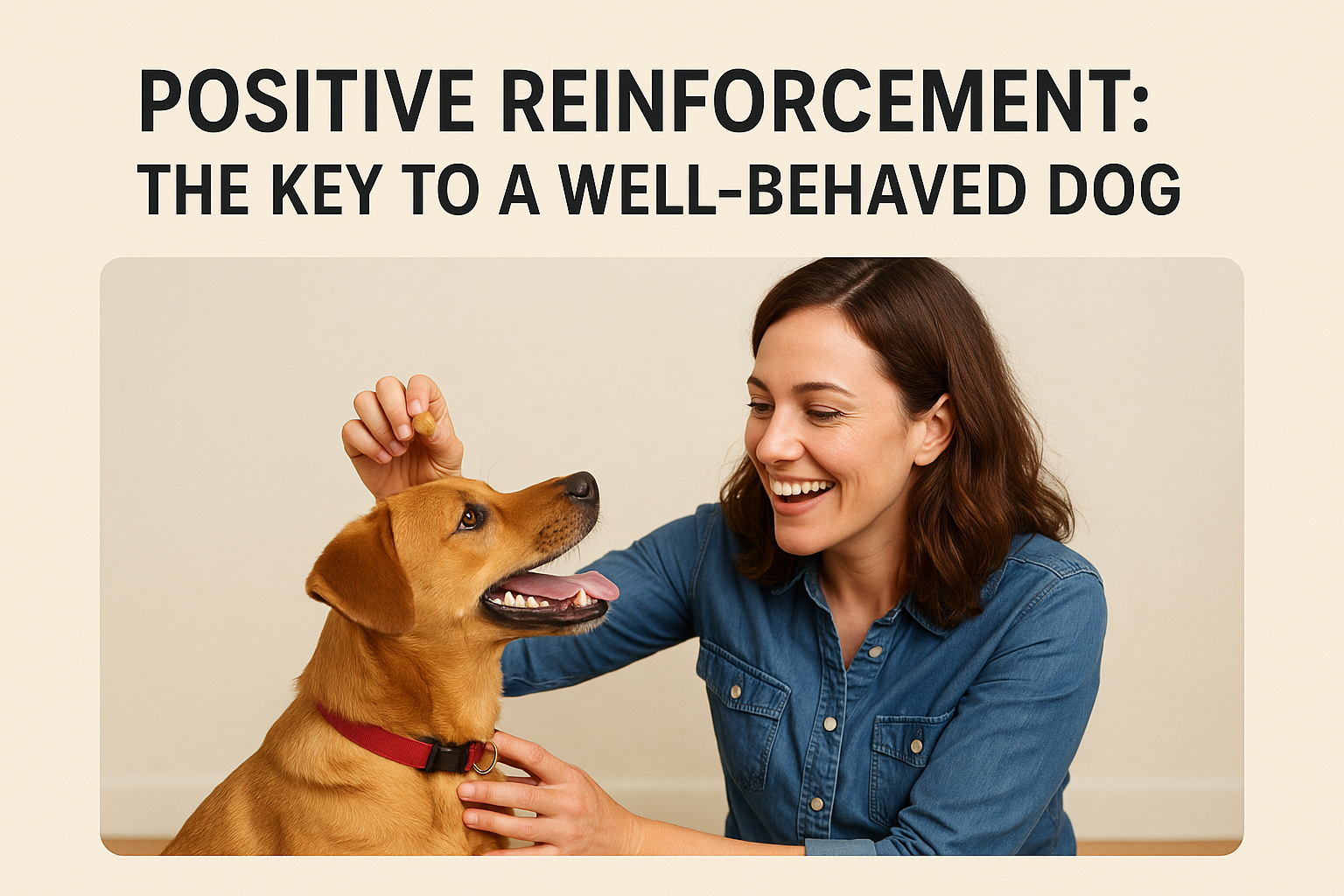
Training a dog can be a rewarding experience, and positive reinforcement is one of the most effective methods for shaping your dog’s behavior. This technique emphasizes the use of rewards to encourage good behavior, establishing a bond of trust and understanding between you and your dog. In this article, we will delve into the concept of positive reinforcement, highlight its advantages, discuss effective techniques, and provide tips for successful implementation.
What is Positive Reinforcement?
Positive reinforcement involves adding a desirable stimulus to increase the likelihood of a specific behavior being repeated. This method is rooted in the principles of operant conditioning, a psychological theory that suggests behaviors can be modified through rewards or consequences.
In dog training, positive reinforcement can be delivered in various forms, such as:
- Treats: Small, tasty morsels can significantly motivate dogs during training sessions.
- Praise: Verbal affirmations like “good boy” or “well done” can provide immediate feedback.
- Play: Engaging in a favorite game can be a rewarding experience for your dog.
- Affection: Physical touch, such as petting or hugging, can reinforce positive behaviors.
The Importance of Positive Reinforcement
Positive reinforcement is not just about rewarding good behavior; it helps in various aspects of training and dog behavior:
- Builds Trust: Using positive reinforcement techniques fosters a trusting relationship between you and your dog.
- Encourages Learning: Dogs are more willing to learn when they know there will be a reward for their efforts.
- Reinforces Good Behavior: By rewarding desirable behaviors, you increase the likelihood that these behaviors will be repeated.
- Reduces Fear: Unlike aversive training methods, positive reinforcement does not create fear, promoting a happier and healthier dog.
Techniques for Implementing Positive Reinforcement
To efficiently use positive reinforcement in your dog training, consider the following techniques:
1. Timing is Everything
Immediate reinforcement following a desired behavior is crucial. For example, if your dog sits on command, give the reward instantly. This helps your dog associate the action with the reward.
2. Use High-Value Rewards
Not all rewards are equally motivating. Identify what your dog finds irresistible, whether it’s specific treats or toys, and use those during training sessions.
3. Be Consistent
Consistency is key to successful training. Use clear commands and ensure that everyone in the household adheres to the same training methods to avoid confusing your dog.
4. Gradually Reduce Rewards
Once your dog reliably performs a behavior, you can start to fade out treats. Continue offering praise and occasional rewards to maintain the behavior.
5. Use a Clicker
A clicker can provide a clear sound to mark desirable behaviors. This helps in communicating effectively with your dog, as the sound indicates precisely when the behavior is performed correctly.
Common Challenges in Positive Reinforcement Training
While positive reinforcement is effective, several challenges may arise during training:
- Inconsistency: Mixed signals can confuse your dog. Ensure everyone is on the same page regarding commands and rewards.
- Over-Reliance on Treats: Be careful not to make treats the only reward. Incorporate praise and affection into the training for balance.
- Training Environment: Distractions in the environment can inhibit learning. Initially, training should take place in a controlled and quiet setting.
Success Stories of Positive Reinforcement
Many dog owners have experienced remarkable transformations in their dogs’ behaviors through positive reinforcement. Here are a couple of inspiring stories:
Case Study 1: Bella’s Recovery
Bella, a rescue dog, was initially timid and fearful of humans due to her past. Using positive reinforcement, her new owner implemented a gradual approach to build trust. By rewarding Bella with treats and praise whenever she approached her owner, Bella slowly learned that humans could be kind. Over time, she blossomed into a confident and affectionate companion.
Case Study 2: Max’s Manners
Max was notorious for jumping on guests. His owner decided to use positive reinforcement techniques to train him to greet people politely. Each time Max remained calm while guests arrived, he received a treat and praise. In just a few weeks, Max learned to sit calmly and greet visitors without jumping, making for a more pleasant household experience.
Conclusion
Positive reinforcement is a powerful tool that can lead to a well-behaved and happy dog. By creating an environment filled with rewards, praise, and love, you can build a strong bond with your dog while teaching them the desired behaviors. Remember, every dog is unique, and finding the right motivation is key to successful training. Whether you’re working on basic obedience or addressing specific behavioral issues, positive reinforcement will help ensure that your training sessions are enjoyable and effective for both you and your furry friend.
FAQs
Q1: Can I use positive reinforcement for older dogs?
Absolutely! Positive reinforcement can be effectively utilized with dogs of all ages. Older dogs may take longer to learn new behaviors, but they can still benefit from this training method.
Q2: What if my dog doesn’t seem motivated by treats?
If your dog is not particularly motivated by treats, explore other forms of rewards. You may find that they respond better to praise, playtime, or a favorite toy.
Q3: How long should training sessions last?
Training sessions should be kept short and engaging—about 5-10 minutes is usually sufficient for most dogs. Frequent, short sessions are generally more productive than lengthy ones.
Q4: Is positive reinforcement the only effective training method?
While positive reinforcement is widely regarded as one of the best training methods, some trainers incorporate other methods effectively. However, techniques based on positive reinforcement are typically preferred to avoid negative side effects associated with aversive training methods.
Q5: How can I ensure my dog retains what they’ve learned?
Reinforce training consistently with periodic rewards, refresh training lessons regularly, and integrate commands into everyday activities. This ensures that your dog retains what they’ve learned and continues to respond positively.