
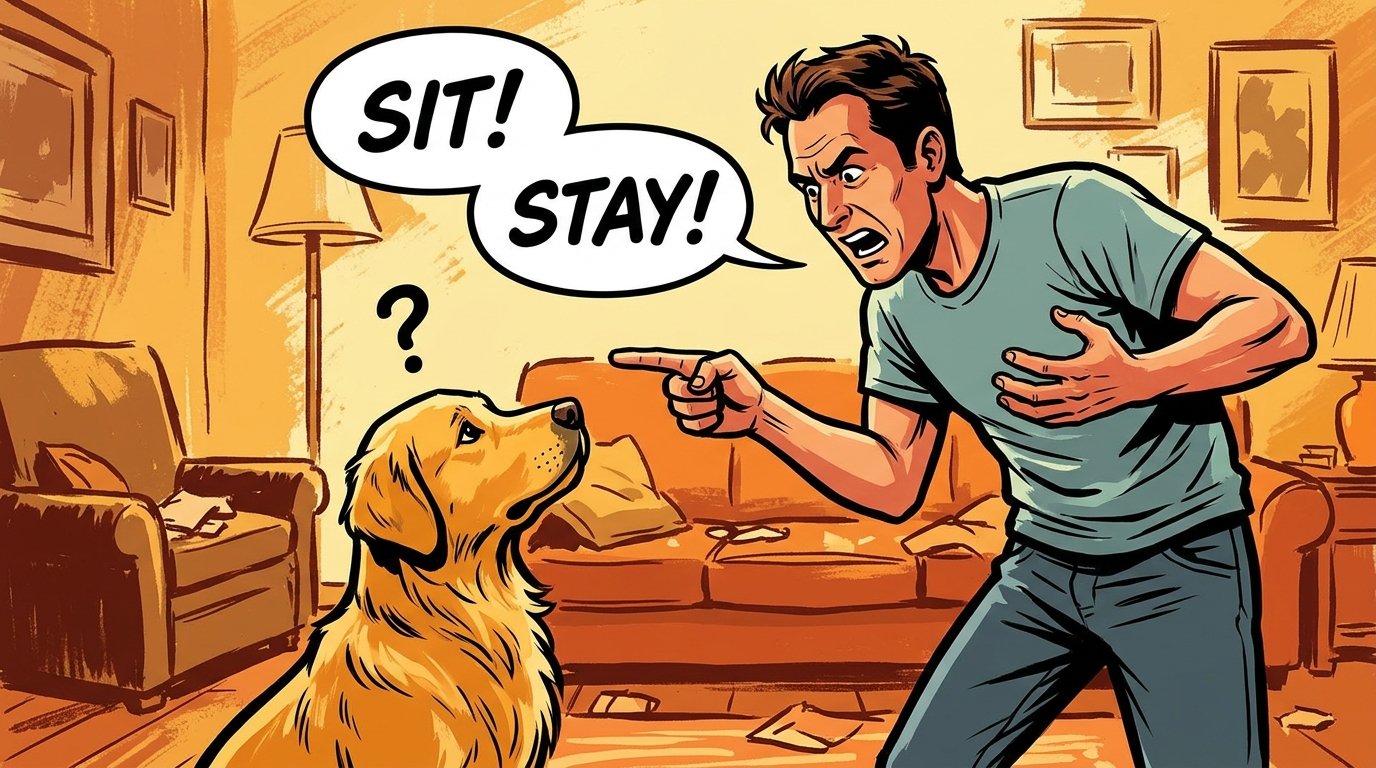
Dogs are often referred to as “man’s best friend,” and it’s no wonder why. These loyal companions have an impressive ability to form a bond with humans, and their communication skills are essential in building and maintaining that relationship. Understanding how dogs communicate can significantly enhance the effectiveness of training methods, resulting in a well-behaved pet and a deeper connection. This article delves into the various ways dogs communicate, how owners can interpret their signals, and how this understanding can be applied to effective training.
The Basics of Canine Communication
Canine communication encompasses more than just barking; it includes body language, vocalizations, and even the use of scent. Dogs primarily communicate through a combination of these methods. Here, we will explore each of these aspects in detail.
1. Body Language
Body language is arguably the most critical aspect of canine communication. Dogs express their feelings and intentions through their posture, tail position, ear placement, and facial expressions. Understanding these signs is vital for interpreting how your dog is feeling.
- Tail Position: A wagging tail usually signifies happiness or excitement; however, the speed and height of the wag can indicate different emotions. A lowered tail may indicate fear or submission, while a stiff and high-held tail can signify aggression.
- Ears: Ears held high can indicate alertness or excitement, while ears that are flattened against the head typically suggest fear or submission.
- Facial Expressions: A relaxed face with a slightly open mouth often indicates a content dog, while a tense mouth, bared teeth, or a direct stare can signify aggression.
2. Vocalizations
Dogs also employ vocalizations such as barking, growling, whining, and howling to communicate their needs and emotions. Each sound can have different meanings depending on the context.
- Barking: Dogs bark for various reasons, including alerting their owners to dangers or seeking attention. The tone and intensity of the bark give clues to the message behind it.
- Growling: While growling can indicate aggression, it can also be a form of communication when playing. Understanding the context of the growl is crucial for effective interpretation.
- Whining: Whining is often a sign of anxiety or a request for attention. It is crucial to evaluate the circumstances to address the underlying issue.
- Howling: Many dogs howl in response to certain sounds or as a form of communication with their owners or other dogs.
3. Scent Communication
While not visible to human eyes, scent plays an integral role in dog communication. Dogs have an extraordinary sense of smell, and they use scent to convey information to each other and to interpret their environment.
- Pheromones: Dogs secrete pheromones that can indicate their emotional state, reproductive status, and territorial claims. Other dogs can interpret these messages simply by sniffing.
- Marking Territory: Dogs often mark their territory by urinating, which conveys information about their presence and identity.
Interpreting Canine Communication
As pet owners, it’s essential to learn how to interpret these signals effectively. Misunderstanding a dog’s communication can lead to confusion, frustration, and stalled training progress. Below are key tips for interpreting canine communication:
1. Observe Context
The context in which a behavior occurs is crucial for accurate interpretation. For example, a dog barking at a stranger may be signaling fear or excitement, depending on its overall body language.
2. Look for Combinations of Signals
Dogs rarely communicate using a single signal. Observing a combination of body language and vocalizations will provide a more accurate representation of what your dog is trying to express.
3. Assess Environmental Factors
Take note of your dog’s environment when interpreting their communication. External factors, such as the presence of other animals or unfamiliar situations, can heavily influence behavior.
Effective Training Through Communication
Once you understand how to interpret your dog’s communication signals, you can apply this knowledge to training. Effective training revolves around clear communication between you and your dog, leading to a more positive experience for both parties.
1. Positive Reinforcement
Positive reinforcement is one of the most effective training methods available. It involves rewarding desirable behaviors with treats, praise, or playtime. Understanding when to reinforce good behavior can be enhanced by observing your dog’s communication signals.
2. Timing is Everything
Dogs thrive on consistency and timing. Reinforce positive behaviors immediately after they occur, ensuring your dog associates the behavior with the reward. If a dog sits on command, rewarding them as they complete the action amplifies the training success.
3. Create a Safe Environment
A positive training environment minimizes distractions and allows for better communication. Ensure the surroundings are safe and free from stimuli that might create anxiety, making it easier for your dog to focus on you.
4. Use of Commands
Consistent commands help dogs understand what is expected of them. Use clear and consistent verbal cues along with accompanying hand signals to deliver commands effectively. Dogs learn better when there is little ambiguity in communication.
Challenges in Canine Communication
Despite their abilities, communication challenges can still arise between dogs and their owners. These challenges may stem from multiple sources:
1. Misinterpretation of Signals
As mentioned, misinterpreting dog signals can lead to confusion. A fearful dog might be misunderstood as aggressive, leading to potential conflict. It’s essential to learn and recognize signs accurately, focusing on the entire context rather than isolated actions.
2. Differences in Breeds
Dog breeds differ significantly in temperament, energy levels, and social needs. Understanding these differences can help customize training approaches and communication styles that are effective for specific breeds.
3. The Impact of Past Experiences
A dog’s previous experiences can shape how they communicate and respond to humans. Dogs with traumatic pasts may show fear-based signals leading to misunderstandings or unintentional aggression. Patience and gentleness are key in rehabilitating such behaviors.
Conclusion
Understanding canine communication is one of the cornerstones of effective dog training. By paying attention to body language, vocalizations, and scent signals, dog owners can significantly improve their relationship with their pets and create a more effective training regimen. Constructing a solid knowledge of canine cues not only fosters better communication but also leads to a happier and more well-behaved dog. Remember that training is an ongoing journey that benefits from continual learning, patience, and a nurturing environment. As you develop a deeper understanding of your dog’s communication style, you’ll find that your bond will strengthen, and the training process becomes a more enjoyable experience for both of you.
Frequently Asked Questions (FAQs)
1. Can dogs understand human language?
While dogs may not comprehend human language in the same way humans do, they can learn to associate certain words and commands with actions or behaviors through positive reinforcement.
2. What should I do if my dog shows signs of aggression?
If your dog displays aggressive behavior, it’s crucial to identify the triggers and remove them from the situation. Consulting a professional dog trainer or behaviorist can provide expert guidance for addressing aggression effectively.
3. How can I tell if my dog is happy?
Happy dogs typically exhibit loose body language, wagging tails, playful behavior, and relaxed facial expressions. They may also lean into you or solicit play as signs of their happiness.
4. Is it possible to train an older dog?
Yes, older dogs can learn new behaviors and commands. While it might take more time and patience due to ingrained habits, effective communication and positive reinforcement strategies are key in training older pets.
5. How important is consistency in training?
Consistency is crucial in dog training. Using the same commands, rewards, and disciplinary measures helps dogs understand what is expected of them and fosters trust in the training process.