
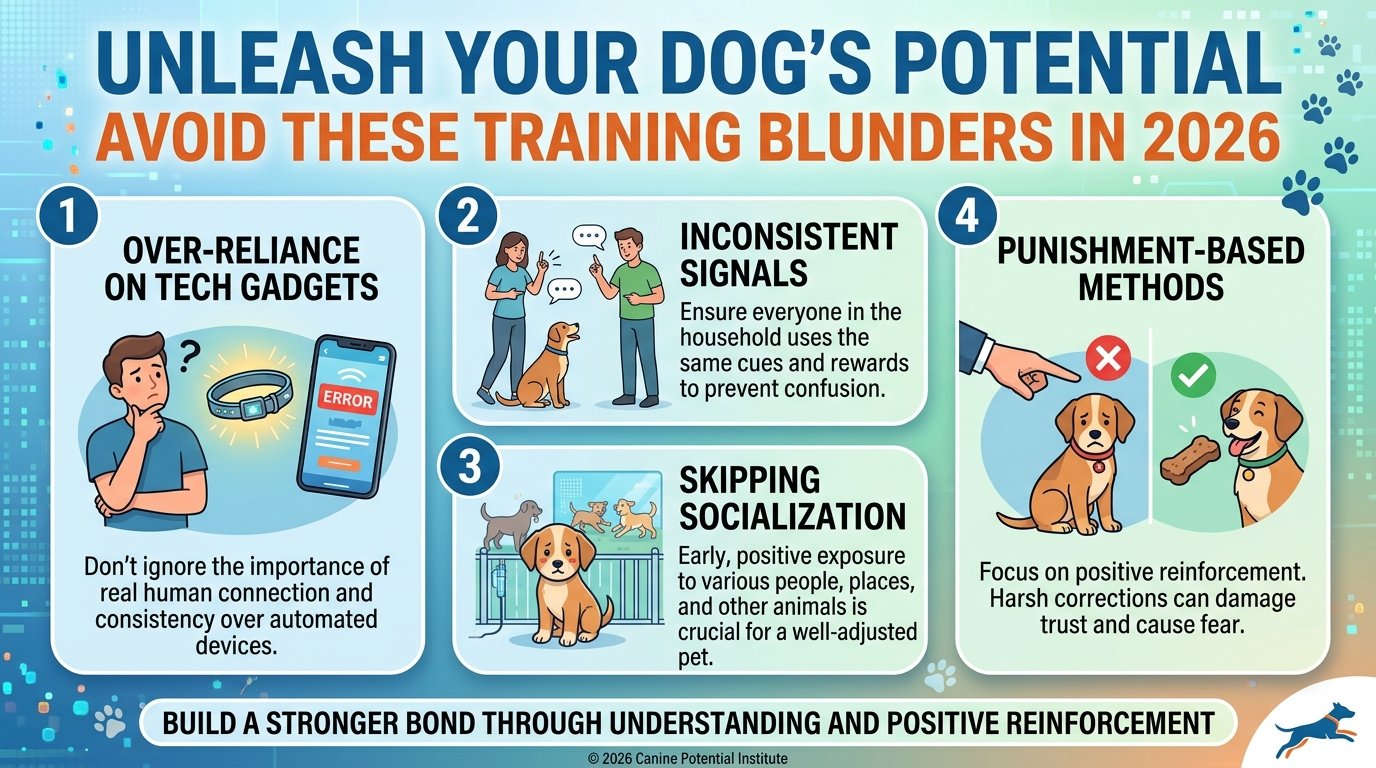
Unleash Your Dog’s Potential Avoid These Training Blunders in 2026
Understanding the Foundation of Effective Dog Training
Embarking on the journey of dog training is one of the most rewarding experiences a pet parent can undertake. It’s not just about teaching commands; it’s about building a strong bond, fostering mutual respect, and ensuring your canine companion thrives in your home and the world around them. Effective dog training sets the stage for a well-behaved, confident, and happy dog.
However, even the most well-intentioned owners can fall into common traps that hinder progress or, worse, create behavioral issues. In 2026, with new insights and technologies, it’s crucial to update our approaches and steer clear of outdated or counterproductive methods. The goal is always to cultivate a positive and effective learning environment.
The Psychology Behind Canine Learning
Dogs learn through association, consequence, and repetition. Understanding these basic principles is the bedrock of successful dog training. They don’t understand human language in the same way we do, but they are incredibly adept at picking up on our body language, tone, and consistent cues.
Positive reinforcement, which involves rewarding desired behaviors, is widely recognized as the most effective and humane approach. It builds confidence in your dog and strengthens the positive association they have with learning and with you. Conversely, punishment can lead to fear, anxiety, and a breakdown of trust.
Setting Realistic Expectations for Dog Training
Every dog is an individual, with their own personality, breed tendencies, and learning pace. What works for one dog might not work for another, and progress isn’t always linear. Setting realistic expectations prevents frustration for both you and your furry friend.
Celebrate small victories and understand that some behaviors take longer to modify than others. Consistency and patience are your most valuable tools. Remember, dog training is an ongoing process, not a one-time event.
Common Dog Training Blunders to Avoid in 2026
Even experienced dog owners can sometimes slip into habits that undermine their training efforts. Identifying and actively avoiding these common blunders can significantly improve your dog training outcomes and strengthen your relationship.
Blunder 1: Inconsistency in Rules and Commands
One of the biggest mistakes owners make is being inconsistent. If “sit” means one thing today and another tomorrow, or if some family members allow jumping while others don’t, your dog will become confused and training will stall.
Dogs thrive on routine and clear expectations. Decide on rules for your household and ensure everyone interacts with the dog in a consistent manner. Use the same commands, hand signals, and expectations every single time.
– Example: If “off” means not jumping on guests, it should also mean not jumping on family members.
– Example: Always reward for the correct action, even if it’s delayed slightly.
– Expert insight: “Consistency isn’t just about using the same words; it’s about the same energy, expectations, and consequences from everyone involved,” advises renowned dog behaviorist Dr. Sarah Miller.
Blunder 2: Relying on Punishment Over Positive Reinforcement
While punishment might suppress an unwanted behavior in the short term, it rarely teaches your dog what you *want* them to do. Often, it creates fear, anxiety, and can damage your bond. Dogs might start performing behaviors out of fear of punishment rather than a desire to please or understand.
Focus on rewarding good behavior immediately and enthusiastically. When your dog does something you don’t like, redirect their energy towards an appropriate behavior and reward that. For instance, if they jump, ignore the jump, then ask for a “sit” and reward the sit.
Blunder 3: Insufficient Socialization and Exposure
A well-behaved dog is not just one who knows commands, but one who is comfortable and confident in various environments. A common blunder is neglecting early and ongoing socialization. This can lead to fear-based aggression, reactivity, or excessive shyness later in life.
Expose your puppy to a wide variety of sights, sounds, people, and other friendly dogs in a controlled, positive manner. Continue this exposure throughout their life. Positive experiences during socialization are vital for developing a balanced and resilient dog.
– Enroll in puppy classes to ensure safe interactions.
– Take your dog on walks in different neighborhoods and parks.
– Introduce them to new, friendly people of all ages and appearances.
– Ensure initial experiences are positive; avoid overwhelming situations.
Blunder 4: Making Training Sessions Too Long or Repetitive
Dogs, especially puppies and young dogs, have short attention spans. Long, drawn-out training sessions can lead to boredom, frustration, and a decrease in learning effectiveness. Keep sessions short, fun, and engaging.
Aim for 5-10 minute sessions, several times a day, rather than one long 30-minute session. End on a positive note, even if it’s just a simple “sit” and reward. This keeps your dog excited for the next training opportunity.
Blunder 5: Neglecting Physical and Mental Exercise
A tired dog is often a well-behaved dog. Many behavioral problems, such as excessive barking, destructive chewing, or hyperactivity, stem from a lack of adequate physical and mental stimulation. Ignoring this fundamental need is a major dog training blunder.
Ensure your dog gets appropriate exercise for their breed and age, whether it’s daily walks, playtime in the yard, or more vigorous activities like fetch or hiking. Combine physical activity with mental enrichment through puzzle toys, scent work, or advanced trick training.
Blunder 6: Not Understanding Body Language
Dogs communicate primarily through body language. Failing to read your dog’s subtle cues can lead to misinterpretations, escalating stress, or missing early warning signs of discomfort or fear. This oversight can derail even the best dog training efforts.
Learn to recognize common canine signals:
– Yawning, lip licking, head turning: often signs of stress or appeasement.
– Stiff body, whale eye (showing the whites of their eyes): potential warning signs.
– Loose, wagging tail (whole body wag): usually a sign of happiness.
– Pinned back ears, low crouch: fear or submission.
Understanding these signals allows you to intervene before a situation escalates, create a safer environment, and respond appropriately to your dog’s needs during dog training sessions and daily life.
Leveraging Modern Tools and Technologies for Enhanced Dog Training
The year 2026 brings an array of smart gadgets and digital resources that can complement traditional dog training methods. These tools, when used correctly, can provide valuable insights, facilitate consistency, and enhance the overall training experience. However, it’s crucial to choose wisely and not rely solely on technology.
Smart Training Gadgets and Their Role in Dog Training
From automatic treat dispensers to GPS trackers and interactive cameras, technology offers innovative ways to manage and train your dog. These tools can help with everything from managing separation anxiety to reinforcing positive behaviors even when you’re not physically present.
However, no gadget can replace direct human interaction, consistent positive reinforcement, and a strong bond. They are aids, not substitutes, for your active involvement in your dog’s development.
Comparison of Top Smart Dog Training Gadgets (2026)
| Product | Price | Pros | Cons | Best For |
|---|---|---|---|---|
| PetPals Smart Feeder Pro | $189 | Automates meal times, built-in camera, two-way audio. Ideal for schedule consistency and monitoring meal habits. | Requires Wi-Fi, battery life for camera can vary, app integration might be complex for some users. | Owners with busy schedules, managing weight, or monitoring pet during work. |
| BarkBuddy Training Collar (Vibra-Only) | $129 | Uses humane vibration/sound cues, remote control for distance training, waterproof design. Excellent for reinforcing recall or preventing unwanted behaviors without static. | Misuse can still cause stress, not suitable for all dogs or all situations, requires proper conditioning. | Distance training, recall practice, attention-getting for dogs with good temperament. |
| PlayTreat Interactive Dispenser | $159 | Engages dogs with puzzle challenges to dispense treats, encourages mental stimulation, remote play functionality. Great for boredom relief and mental enrichment. | Can be noisy, treats must be small enough to dispense, some dogs learn to “cheat” the system quickly. | Dogs needing mental stimulation, managing boredom, or solo play while owners are busy. |
| PawTrak GPS & Activity Monitor | $99 | Real-time GPS tracking, activity level monitoring (steps, sleep), geofencing alerts. Provides peace of mind regarding pet safety and health data. | Subscription required for GPS, battery needs regular charging, collar attachment can be bulky for small dogs. | Owners concerned about pet safety, tracking exercise, or managing escape artists. |
Online Resources and Virtual Dog Training Programs
Beyond physical gadgets, the digital landscape offers a wealth of online resources. Virtual dog training courses, expert webinars, and comprehensive video libraries provide accessible learning opportunities for owners. These can be particularly beneficial for specific behavioral issues or advanced training goals.
When selecting online programs, look for those run by certified professional dog trainers (CPDT-KA, KPA-CTP, etc.) who advocate for positive reinforcement methods. Be wary of programs promising quick fixes or relying on outdated techniques.
Building a Stronger Bond Through Positive Dog Training
Ultimately, dog training is about more than just commands; it’s about nurturing the unique relationship you share with your dog. A positive and consistent approach builds trust, mutual respect, and a deeper understanding between you and your canine companion.
Making Training Fun and Rewarding for Both of You
When training is enjoyable, both you and your dog are more likely to stay engaged and motivated. Incorporate play, varied treats, and enthusiastic praise. Keep sessions upbeat and always end on a high note.
Discover what motivates your dog most – is it a special treat, a favorite toy, or a vigorous belly rub? Tailor your rewards to what your dog finds most valuable. This personalized approach makes dog training far more effective.
The Power of Consistency and Patience
As mentioned earlier, consistency is paramount. Every interaction is a training opportunity. Reinforce good behaviors whenever they occur, not just during dedicated training sessions. This helps your dog generalize what they’ve learned to different situations.
Patience is equally vital. There will be setbacks, plateaus, and moments of frustration. Remember that your dog is trying their best to understand you. Approach challenges with a calm and understanding demeanor, and celebrate every step forward, no matter how small.
Seeking Professional Guidance When Needed
While many common dog training issues can be addressed with diligent effort at home, some challenges require the expertise of a professional. Don’t hesitate to seek help from certified professional dog trainers or veterinary behaviorists if you encounter persistent behavioral problems, aggression, or severe anxiety.
A good professional can provide tailored advice, identify underlying causes of behavior, and guide you through complex training plans. Investing in expert guidance can save time, prevent escalation of issues, and ensure your dog receives the best possible support.
Conclusion
Navigating the world of dog training in 2026 requires an informed and proactive approach. By avoiding common blunders like inconsistency, over-reliance on punishment, and neglecting essential needs, you pave the way for a more harmonious relationship with your canine companion. Embrace positive reinforcement, utilize modern tools wisely, and commit to consistent, patient training, and you will undoubtedly unleash your dog’s full potential.
Remember that dog training is an ongoing journey of learning and growth for both you and your dog. Enjoy the process, celebrate your successes, and always prioritize building a loving and trusting bond. For more insights or collaboration opportunities, visit www.agentcircle.ai.
Frequently Asked Questions (FAQ)
How often should I train my dog?
Aim for short, frequent dog training sessions—ideally 5 to 10 minutes, two to three times a day. This helps maintain your dog’s attention and enthusiasm, leading to better retention of learned behaviors compared to longer, less frequent sessions.
Is it ever too late to start dog training?
No, it’s never too late! While early training and socialization are highly beneficial, dogs of all ages, even seniors, can learn new behaviors and respond to positive reinforcement. The approach might need to be adjusted for older dogs, but learning can continue throughout their lives.
What should I do if my dog isn’t responding to training?
First, evaluate your methods: Are you being consistent? Are your rewards motivating enough? Is your dog getting enough exercise and mental stimulation? If issues persist, consider seeking guidance from a certified professional dog trainer or a veterinary behaviorist. They can help identify specific challenges and tailor a plan.
Are treats essential for dog training?
High-value treats are incredibly effective for teaching new behaviors through positive reinforcement. Once a behavior is reliably learned, you can gradually phase out continuous treat rewards, replacing them with intermittent treats, praise, toys, or other life rewards (like access to a favorite spot or a walk).
How can I make sure my whole family is consistent with dog training?
Hold family meetings to establish clear rules and commands for your dog. Ensure everyone understands the chosen cues, what behavior is expected, and how to reward it. Create a visible chart or list of commands and rules to serve as a reminder for all family members.
References and Further Reading
- ASPCA: Common Dog Behavior Issues
- AKC: Positive Reinforcement Dog Training
- Karen Pryor Academy: Articles on Clicker Training & Behavior
- Association of Professional Dog Trainers: Choosing a Trainer
- The Humane Society of the United States: Dog Body Language