
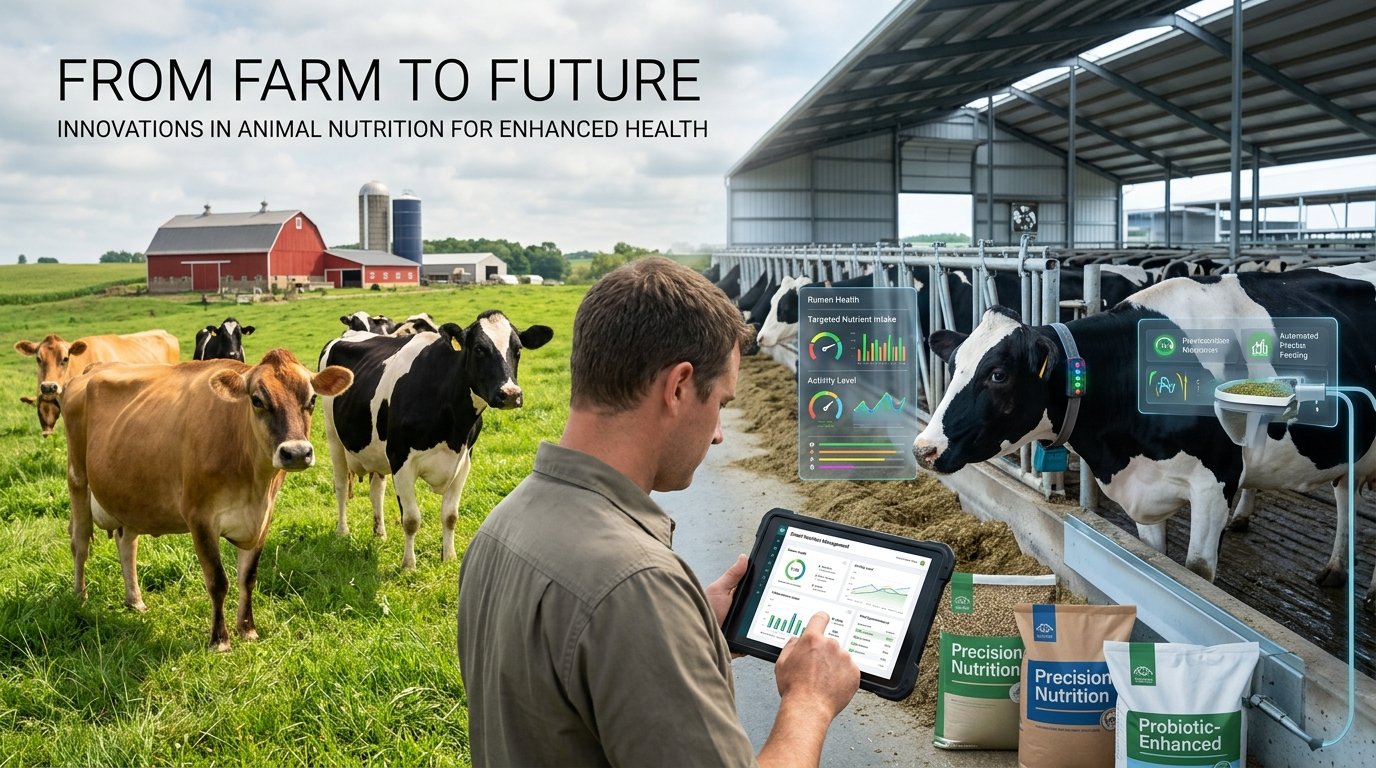
Animal nutrition is a critical component of animal health and agricultural productivity. As the global demand for animal products rises, innovative approaches in animal nutrition are essential to ensure optimal health and well-being for livestock, pets, and wildlife. This article explores the latest innovations in animal nutrition that are poised to transform the future of farming and improve animal health across the globe.
The Importance of Nutrition in Animal Health
Nutrition plays a crucial role in sustaining animal health, growth, reproduction, and productivity. Proper nutrition influences not only the physical health of animals but also their behavior and overall well-being. A well-balanced diet helps enhance immune system function, reducing the prevalence of disease and leading to increased productivity.
Current Challenges in Animal Nutrition
The animal agriculture industry faces multiple challenges, including:
-
- Resource Scarcity: The need for optimal feed resources while dealing with land and water scarcity.
-
- Biosecurity Threats: Rising incidents of zoonotic diseases necessitating healthier livestock and poultry.
-
- Consumer Demands: Increased consumer awareness leads to demands for ethically sourced and healthy animal products.
-
- Climate Change: The need for sustainable practices to mitigate the agricultural sector’s impact on climate change.
Innovations Revolutionizing Animal Nutrition
1. Precision Nutrition
Precision nutrition involves tailoring diets to meet the specific needs of individual animals based on various factors, such as age, weight, and health status. Advances in data analytics and animal genomics allow farmers to create personalized feeding regimens, optimizing nutrient utilization and promoting better health outcomes.
2. Alternative Protein Sources
With the rising cost of traditional feed ingredients, such as soy and corn, researchers are exploring alternative protein sources. Insects, microbial proteins, and algae are being investigated as sustainable and high-nutritional value feed options. These alternatives can reduce the environmental impact of animal production while meeting the nutritional requirements of animals.
3. Functional Feeds
Functional feeds are designed to enhance health, performance, and well-being. These feeds may contain probiotics, prebiotics, or phytogenic compounds aimed at improving gut health, boosting immune responses, and enhancing overall animal performance. The incorporation of functional ingredients in animal diets can lead to improved growth rates and better feed conversion efficiency.
4. Nutritional Supplements and Additives
Advancements in nutritional supplements have introduced ingredients that promote animal health. Omega-3 fatty acids, vitamins, and minerals are now available in highly bioavailable forms. Feed additives such as enzyme preparations can aid in the digestion of complex feed ingredients, maximizing nutrient absorption and improving overall health.
5. Biotechnology in Animal Nutrition
Biotechnology is impacting animal nutrition by improving the digestibility of feed ingredients and creating genetically modified crops with enhanced nutritional profiles. These innovations can help create feeds that achieve better health outcomes, require less feed, and result in lower greenhouse gas emissions.
6. Smart Farming Technologies
Smart farming employs IoT (Internet of Things) technologies and data analytics to monitor animal health and nutrition in real-time. Sensors can measure growth rates, feed intake, and behavioral patterns, allowing farmers to make informed decisions about animal care and feeding regimens, ultimately enhancing health and productivity.
Sustainability and Animal Nutrition
Sustainable practices are at the forefront of animal nutrition innovations. The focus is on environmentally friendly approaches that allow us to produce animal products sustainably while minimizing the ecological footprint. This includes improving feed efficiency, reducing waste, and utilizing waste products from other industries as animal feed.
Conclusion
The future of animal nutrition rests on innovations that prioritize animal health, environmental sustainability, and efficiency in production practices. By incorporating advanced technologies, alternative protein sources, and sustainability-focused approaches, the agricultural industry can meet the demands of a growing population while ensuring the well-being of animals. As we advance forward, it is crucial that stakeholders—including farmers, researchers, and consumers—work collaboratively to foster a healthier future for both animals and the planet.
FAQs
1. What is precision nutrition in animal health?
Precision nutrition is an approach that tailors animal diets based on individual needs, taking into account factors like age, weight, and overall health, to optimize nutrient utilization and promote better health outcomes.
2. Why are alternative protein sources important?
Alternative protein sources, such as insects and algae, offer sustainable and environmentally friendly options to traditional feed ingredients, reducing resource consumption and greenhouse gas emissions in animal production.
3. How can functional feeds benefit animal health?
Functional feeds contain specific ingredients aimed at enhancing health, such as probiotics or phytogenics, which can improve gut health, support immune responses, and promote better growth and performance in animals.
4. What role does biotechnology play in animal nutrition?
Biotechnology helps in improving feed digestibility and creating genetically modified crops with enhanced nutritional profiles, leading to better health outcomes and reduced environmental impact in animal production.
5. How does smart farming technology improve animal nutrition?
Smart farming employs IoT and data analytics to monitor animal health and nutritional needs in real-time, enabling farmers to make data-driven decisions that enhance health and productivity.