
The Delicate Balance of Your Pet’s Digestive System
Every pet parent wants the absolute best for their furry companion, and that often starts with what’s in their food bowl. However, altering your pet’s diet isn’t always as simple as opening a new bag of kibble. A sudden shift in pet diet can throw their sensitive digestive system into a tailspin, leading to discomfort and potentially more serious issues.
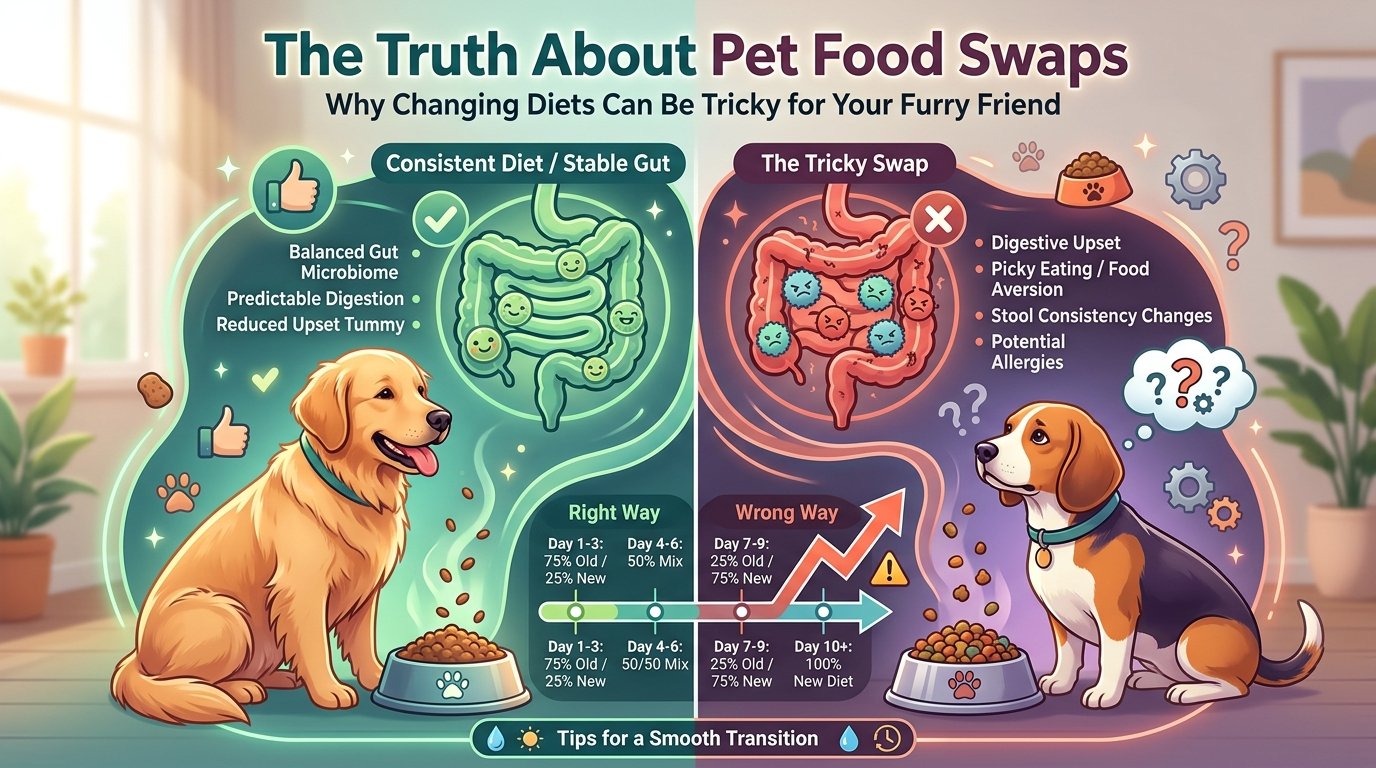
Understanding the intricacies of your pet’s internal workings is crucial before considering any significant changes. Their digestive tract is a complex ecosystem, housing trillions of beneficial bacteria that play a vital role in nutrient absorption and overall immune health. This delicate balance, honed over years, is why a pet diet change needs careful consideration.
When you introduce a new food too quickly, you disrupt this established microbial community. The existing bacteria may not be equipped to break down the new ingredients, leading to an imbalance. This can result in digestive upset, reduced nutrient absorption, and a stressed immune system, making your pet more vulnerable to other health issues.
Just like humans, pets can develop sensitivities or even allergies to certain ingredients. While a new pet diet might seem healthier on paper, an ingredient your pet has never encountered could trigger an adverse reaction. This is why vigilance and a slow introduction are paramount, allowing their system time to adapt or signal potential problems.
Common Reasons for a Pet Diet Change
Pet parents consider changing their furry friend’s food for a myriad of reasons, each stemming from a desire to improve their pet’s health and well-being. Identifying the root cause of your decision is the first step towards a successful transition for your pet diet.
One of the most frequent reasons is a recommendation from a veterinarian. This often occurs when a pet is diagnosed with a specific health condition, such as kidney disease, allergies, obesity, or diabetes. Specialized prescription diets are formulated to manage these conditions, providing tailored nutrition that supports recovery or maintenance.
Another common trigger for a pet diet change is the aging process. As pets age, their nutritional needs evolve. Senior pets may require fewer calories to prevent weight gain, increased joint support, or easier-to-digest formulas. Conversely, puppies and kittens need diets rich in specific nutrients to support their rapid growth and development.
Addressing existing health concerns like persistent itching, dull coat, recurrent ear infections, or digestive issues (such as chronic diarrhea or vomiting) often prompts owners to explore new food options. These symptoms can be indicators of food sensitivities or allergies, leading to the search for limited-ingredient or hypoallergenic diets.
Sometimes, the change is driven by a desire for improved quality. Owners may discover new information about pet nutrition, or become aware of recalls or negative reports about their current brand. This can lead them to seek out premium brands, organic options, or foods with clearer ingredient sourcing, believing these will offer superior health benefits.
Weight management is also a significant factor. Pets who are overweight or underweight may require specific dietary adjustments. Overweight pets benefit from controlled-calorie diets that are high in fiber, while underweight pets might need more calorie-dense options. A pet diet tailored to their ideal weight is crucial for their long-term health.
Finally, some owners simply seek variety or are swayed by new trends in pet nutrition, such as raw feeding, grain-free diets, or home-cooked meals. While these approaches can be beneficial for some pets, they require careful research and often veterinary guidance to ensure nutritional completeness and safety.
Understanding Different Dietary Needs
Pets are not one-size-fits-all when it comes to nutrition. Their breed, age, activity level, and existing health conditions all dictate what constitutes an optimal pet diet. A high-energy working dog, for instance, requires a significantly different caloric intake and nutrient profile than a sedentary senior cat.
For example, large breed puppies have specific calcium and phosphorus ratios to support their rapid bone growth and prevent skeletal problems. Small breed dogs, on the other hand, often benefit from smaller kibble sizes and higher energy density to meet their fast metabolisms. These nuances highlight why a generic approach to pet diet often falls short.
Pets with allergies or sensitivities often need novel protein sources like venison or duck, or limited ingredient diets to pinpoint and eliminate triggers. Those with kidney disease require diets low in phosphorus and protein, while diabetic pets need carefully managed carbohydrate levels to stabilize blood sugar.
Consulting with your veterinarian is paramount to understanding these specific needs. They can provide tailored recommendations based on your pet’s individual health profile, ensuring that any chosen pet diet aligns perfectly with their unique physiological requirements and helps manage any existing health challenges effectively.
The Risks and Challenges of Abrupt Swaps
Making a sudden switch in your pet’s food can lead to a host of problems, ranging from mild discomfort to more severe health complications. The digestive system, as discussed, thrives on consistency, and an abrupt change can be quite a shock.
One of the most common immediate reactions to a sudden pet diet change is gastrointestinal upset. This can manifest as vomiting, diarrhea, gas, bloating, and abdominal pain. Your pet’s body needs time to adjust to new protein sources, fat levels, and fiber content. Without this adaptation period, their digestive enzymes may struggle, and the gut microbiome can become imbalanced.
Beyond immediate digestive issues, an abrupt change might mask underlying sensitivities. If your pet reacts poorly, it can be hard to tell if it’s due to the sudden transition or if they genuinely have an adverse reaction to a new ingredient. This makes it challenging to identify true allergens or intolerances, prolonging your pet’s discomfort.
Another risk is food aversion. If your pet experiences severe discomfort or illness after a sudden switch, they might associate that negative experience with the new food itself. This can lead to them refusing to eat the new diet, making future transitions even more difficult and potentially leading to malnutrition if they won’t eat anything.
In some cases, especially with very sensitive pets or those with pre-existing conditions, a rapid pet diet change can exacerbate health problems. For example, a diabetic pet’s blood sugar levels could become unstable, or a pet with inflammatory bowel disease might experience a severe flare-up. This underscores the importance of veterinary guidance.
Nutritional deficiencies can also arise, particularly if an owner switches to an untested or unbalanced homemade diet without proper research or veterinary oversight. While commercial pet foods are generally formulated to be complete and balanced, not all diets are created equal, and some may not meet all of your pet’s specific needs, especially if introduced too quickly.
Best Practices for a Smooth Pet Food Transition
To avoid the pitfalls of sudden changes, a gradual transition is always the safest and most effective approach when altering your pet diet. This method allows your pet’s digestive system to slowly adapt to the new ingredients, minimizing the risk of upset.
The golden rule for transitioning food is to do it slowly, typically over a period of 7 to 10 days. For pets with very sensitive stomachs, extending this period to two weeks or even longer is highly recommended. Patience is key to ensuring your pet’s comfort and health during this time.
A Step-by-Step Transition Plan:
1. Days 1-2: Mix 75% old food with 25% new food. This initial introduction allows your pet to get a taste of the new diet without overwhelming their system. Monitor for any signs of discomfort.
2. Days 3-4: Increase the new food to 50% and reduce the old food to 50%. At this stage, your pet should be accustomed to the texture and flavor of the new diet. Continue to observe their stool quality and energy levels.
3. Days 5-6: Transition to 25% old food and 75% new food. If your pet has shown no adverse reactions, their digestive system is likely adapting well. This ratio further familiarizes them with the new ingredients.
4. Days 7-10: Feed 100% new food. By this point, your pet’s system should be fully adjusted. Continue to monitor for several more days to ensure sustained positive digestion and overall well-being.
Throughout this process, monitor your pet closely. Pay attention to changes in appetite, energy levels, stool consistency, and any signs of discomfort like vomiting or excessive gas. If you notice any negative reactions, slow down the transition or consult your veterinarian immediately.
Ensure your pet has constant access to fresh water, especially during a diet change, as digestive upset can lead to dehydration. Keeping them hydrated supports their overall health and aids digestion.
For pets with known sensitivities or allergies, introduce one new ingredient at a time if you’re exploring novel protein sources. This makes it easier to identify what might be causing an adverse reaction. A limited ingredient pet diet can be particularly helpful in these situations.
Consistency is also important. Try to stick to regular feeding times and avoid introducing other new treats or supplements during the transition period. This helps minimize variables and makes it easier to pinpoint the cause of any issues that may arise from the pet diet change.
Navigating the World of Specialty Pet Foods
The market for pet food is vast and diverse, offering an array of specialized diets designed to address specific needs or preferences. Choosing the right one requires careful consideration and an understanding of what each type offers for your pet diet.
From grain-free options to limited-ingredient formulas and veterinary prescription diets, each category serves a unique purpose. Understanding the nuances can help you make an informed decision, especially when guided by professional veterinary advice.
For instance, limited ingredient diets (LIDs) are designed for pets with food sensitivities or allergies. They typically contain a single source of protein and a single carbohydrate source, making it easier to identify and avoid common allergens. This simplified pet diet can bring immense relief to pets suffering from chronic skin or digestive issues.
Grain-free diets have become popular, often chosen by owners who believe grains are unnecessary or harmful to pets. While some pets may genuinely benefit from a grain-free pet diet due to a specific allergy or sensitivity, for most pets, grains are a valuable source of carbohydrates, fiber, and other nutrients. It’s important to differentiate between marketing trends and actual nutritional needs.
Veterinary prescription diets are specifically formulated to manage medical conditions, such as kidney disease, urinary tract issues, diabetes, or obesity. These foods are not available over-the-counter and require a veterinarian’s prescription because their specialized nutrient profiles can be crucial for therapeutic purposes and should only be fed under medical supervision.
Raw and freeze-dried diets are another segment gaining traction, based on the belief that a diet closer to what ancestral canines and felines ate is superior. These diets often consist of raw meat, organs, and bones, sometimes supplemented with fruits and vegetables. While proponents claim benefits like improved coat health and digestion, they also carry risks of bacterial contamination and potential nutritional imbalances if not properly formulated.
Ultimately, the best specialty pet diet is one that meets your pet’s individual nutritional requirements, is palatable to them, and is recommended by your veterinarian. Avoid falling for marketing hype without first understanding the scientific basis and potential implications for your pet’s health.
Comparison of Specialty Pet Diets
| Product Type | Typical Price Range | Pros | Cons | Best For |
|---|---|---|---|---|
| Limited Ingredient Diet (LID) | $60-$100 (15-25lb bag) | Helps identify and manage food allergies/sensitivities; simplified ingredient list. | Can be more expensive; may restrict dietary variety for some pets. | Pets with known or suspected food allergies/intolerances. |
| Veterinary Prescription Diet | $70-$120 (15-25lb bag) | Scientifically formulated to manage specific medical conditions; clinically proven efficacy. | Requires veterinary prescription; often pricier; less palatable for some pets. | Pets with specific health conditions (e.g., kidney disease, diabetes, urinary issues). |
| Freeze-Dried Raw Diet | $80-$150 (10-15oz bag/pouch) | Minimally processed, high palatability; mimics ancestral diet; convenient raw feeding. | Higher cost; potential for nutritional imbalance if not complete; bacterial risks. | Owners interested in raw feeding with convenience; pets with sensitive digestion needing whole foods. |
| Weight Management Diet | $50-$80 (15-25lb bag) | Formulated with controlled calories and higher fiber; supports healthy weight loss or maintenance. | May be less palatable; requires strict portion control. | Overweight or obese pets; pets prone to weight gain. |
Listening to Your Pet: Signs of Success or Trouble
Your pet cannot verbally communicate how they feel about a new pet diet, but their body language and physical symptoms offer clear indicators. Learning to interpret these signs is crucial for ensuring a successful transition and knowing when to seek veterinary help.
Signs of a successful pet diet transition typically include improved energy levels, a healthy and shiny coat, clear eyes, and consistent, well-formed stools. Your pet should be enthusiastic about mealtime and maintain a healthy appetite. These are all indicators that their body is thriving on the new food.
Conversely, several signs can indicate that the new pet diet is not agreeing with your furry friend. Digestive upset is often the first and most obvious symptom. This includes diarrhea (especially watery or frequent stools), constipation, excessive gas, bloating, or vomiting. Even mild diarrhea lasting more than a day or two warrants attention.
Changes in appetite or behavior are also red flags. If your pet refuses to eat the new food, shows a lack of interest, or becomes lethargic, it could be a sign of discomfort or that they simply don’t like the new taste. Persistent scratching, licking, or chewing at their paws could indicate a food allergy or sensitivity to an ingredient in the new diet.
Other warning signs include a dull or dry coat, excessive shedding, recurrent ear infections, or changes in skin condition like redness or rashes. Weight loss or gain that is unintentional and rapid is also a serious concern that requires immediate veterinary consultation.
Never hesitate to contact your veterinarian if you observe any concerning symptoms. They can help determine if the issues are related to the pet diet, an underlying health problem, or if further dietary adjustments are needed. Early intervention can prevent minor issues from escalating into more serious conditions.
Remember, your pet relies on you to make the best choices for their health. Being observant, patient, and proactive during any pet food transition is key to their long-term well-being and happiness. A successful pet diet change is a journey, not a race.
Changing your pet’s diet is a significant decision that impacts their health and happiness. While the intention is always to provide better nutrition, the process requires careful planning, patience, and close observation. Understanding your pet’s unique digestive system, the reasons behind a change, and the potential risks of abrupt transitions are foundational steps.
By following a gradual transition plan, typically over 7-10 days, you give your pet’s body the necessary time to adjust, minimizing gastrointestinal upset and helping to identify any adverse reactions. Always monitor their behavior, appetite, and stool quality, and consult your veterinarian at the first sign of trouble. The world of specialty pet foods offers many options, but the best choice is always one that is veterinarian-approved and tailored to your pet’s specific needs, whether for age, activity, or health conditions.
Ultimately, a successful pet diet swap leads to a healthier, happier companion with improved energy, a shiny coat, and consistent digestion. Prioritizing their well-being through informed choices and a gentle approach ensures that any dietary change is a positive step forward. For more insights or collaboration opportunities, visit www.agentcircle.ai.
Frequently Asked Questions (FAQ)
How long does it take for a dog to adjust to new food?
Typically, a dog’s digestive system needs about 7 to 10 days to fully adjust to a new food. For very sensitive dogs, this transition period might need to be extended to two weeks or even longer.
Can I mix old and new dog food permanently?
While you can mix old and new food during the transition period, it’s generally not recommended to do so permanently unless specifically instructed by your vet. The new food is likely intended to replace the old one entirely to provide specific nutritional benefits or address dietary issues.
What are the signs of a dog not tolerating new food?
Signs your dog isn’t tolerating new food include vomiting, diarrhea, excessive gas, abdominal pain, loss of appetite, lethargy, persistent scratching, or changes in skin and coat quality.
Is it okay to change cat food often?
It’s generally not recommended to change cat food often, as cats can be quite sensitive to dietary changes. Frequent changes can lead to digestive upset, stress, and even finicky eating habits. If a change is necessary, always do it gradually.
Should I consult my vet before changing my pet’s diet?
Yes, it is always recommended to consult your veterinarian before making significant changes to your pet’s diet, especially if your pet has existing health conditions, allergies, or is a senior animal. They can provide tailored advice and ensure the new pet diet is appropriate.
 PRINCE2030