
Introduction
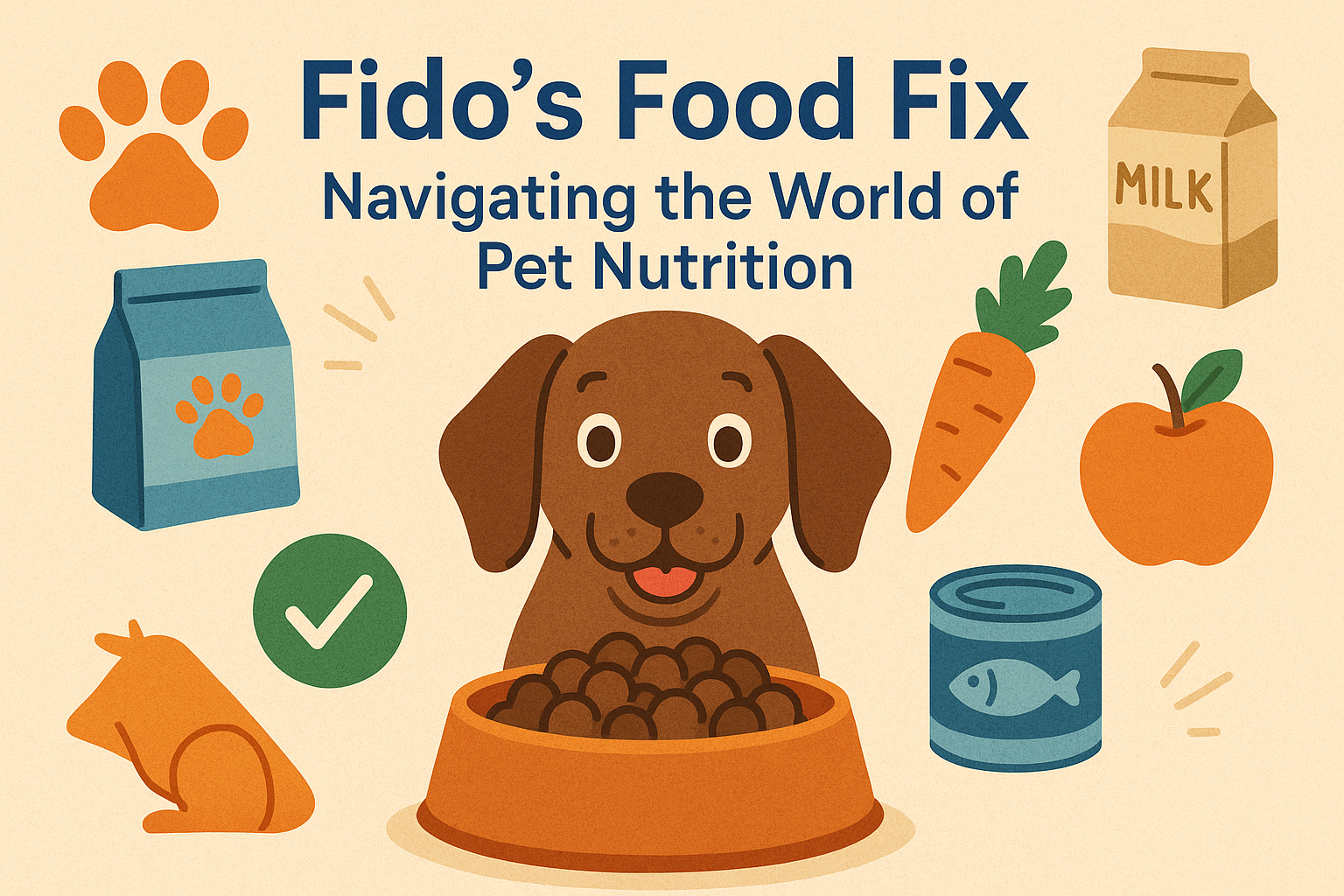
Pet nutrition is an essential aspect of responsible pet ownership. Just like humans, pets require a balanced diet to live healthy and fulfilling lives. But with so many commercial products on the market, countless dietary philosophies, and a myriad of pet food options, it can be incredibly overwhelming for pet owners to discern what’s best for their furry companions. In this article, we will explore various elements of pet nutrition, including the nutritional needs of pets, understanding pet food labels, homemade diets, and common dietary myths.
The Nutritional Needs of Pets
Every pet has specific nutritional requirements that vary based on their species, age, weight, activity level, and health status. Understanding these needs is crucial to ensuring your pet receives proper nourishment.
Proteins
Proteins are fundamental for growth, tissue repair, and immune function. Pets, like dogs and cats, require protein sources in their diets:
- Dogs: They are omnivores and benefit from both animal and plant proteins.
- Cats: They are obligate carnivores, requiring high levels of animal-based proteins.
Fats
Fats provide energy, support cell growth, and are vital for the absorption of certain vitamins. Look for sources of healthy fats, such as fish oil or chicken fat, in your pet’s diet.
Carbohydrates
While not essential, carbohydrates can provide a good source of energy and fiber. However, it’s essential to ensure that the carbs come from quality sources such as whole grains and vegetables, rather than fillers like corn or wheat.
Vitamins and Minerals
Vitamins and minerals play significant roles in various bodily functions. Balanced commercial pet foods typically contain the necessary vitamins and minerals, but monitor homemade diets to ensure they meet your pet’s needs.
Understanding Pet Food Labels
Pet food labels can be quite complex, and understanding them can help you choose the best option for your pet. Here are some essential terms and sections to pay attention to:
Ingredients List
This section lists all the ingredients in the pet food. Ingredients are typically listed in descending order based on weight. Be cautious of the first few items. High-quality pet foods will have whole meat or meat-based meals at the top of the list.
Guaranteed Analysis
This section provides the percentage of protein, fat, fiber, and moisture in the food. This information can help pet owners compare nutritional content across different brands.
Life Stage and Special Dietary Needs
Pet foods are often formulated for specific life stages (puppy, adult, senior) or health needs (weight management, sensitive stomach, etc.). Always choose a formula that meets your pet’s specific requirements.
AFCO Statement
The Association of American Feed Control Officials (AAFCO) provides guidelines on pet food labeling. Look for an AAFCO statement on the packaging that confirms the food is complete and balanced for your pet’s life stage.
Homemade Diets: Pros and Cons
More pet owners are considering homemade diets for their animals. While it offers control over ingredients, it also comes with challenges.
Pros
- Customization: You can tailor the diet to your pet’s specific needs and preferences.
- Quality Control: You choose high-quality, fresh ingredients.
- Allergen Management: Easily avoid ingredients that may cause allergies in your pet.
Cons
- Risk of Nutritional Deficiencies: Homemade diets may lack essential nutrients if not properly formulated.
- Time-Consuming: Preparing balanced meals from scratch takes time and effort.
- Consultation Needed: It’s typically necessary to consult a veterinary nutritionist for a well-balanced diet.
Common Dietary Myths
Pet nutrition is rife with myths that can mislead even the most well-intentioned pet owners. Here are a few common misconceptions:
Myth 1: Dogs are Carnivores
While dogs do thrive on protein, they are omnivores. They can benefit from a variety of foods, including meats, vegetables, and grains.
Myth 2: Grain-Free Diets are Healthier
Grain-free diets have become popular, but they are not inherently better. Some pets require grains as vital sources of fiber and energy. Always consult your vet before making such a change.
Myth 3: All Human Food is Bad for Pets
While some human foods can be toxic to pets (like chocolate), many others are safe and can be great treats. Carrots, blueberries, and cooked chicken are examples of safe options that pets often enjoy.
Creating a Balanced Diet for Fido
Now that we understand the various components of pet nutrition, here are some steps to create a balanced diet for your dog:
1. Consult Your Veterinarian
The first step is always to consult with your veterinarian. They can provide dietary recommendations based on your dog’s age, breed, and health needs.
2. Choose the Right Food
Select a high-quality commercial food or formulate a balanced homemade diet under veterinary guidance. Look for essential nutrients, and avoid fillers or artificial ingredients.
3. Monitor Portion Sizes
Feeding the right portion size is crucial in preventing obesity and ensuring overall health. Refer to the feeding guidelines on the pet food packaging or your vet’s recommendations.
4. Keep Fresh Water Available
Always provide fresh water for your pet. It’s essential for digestion, nutrient absorption, and overall health.
5. Monitor Your Pet’s Weight and Condition
Keep an eye on your dog’s weight and body condition. Regular vet visits can help assess their health and adjust their diet accordingly.
Conclusion
Navigating the world of pet nutrition can be challenging, but with a good understanding of your pet’s needs, proper food choices, and guidance from your veterinarian, you can ensure that your beloved companion leads a healthy and vibrant life. Whether you opt for commercial pet food or a homemade diet, prioritize quality ingredients and a balanced nutritional profile. Remember that every pet is unique, so what works for one may not work for another. Stay informed, stay vigilant, and always choose what’s best for Fido!
FAQs about Pet Nutrition
Q1: How do I know if I’m feeding my pet the right amount of food?
A: Monitor your pet’s weight and body condition. Most pet food packaging has guidelines based on weight, but consult your vet for personalized recommendations.
Q2: Can I feed my pet table scraps?
A: Some human foods are safe for pets, but always check which ones are suitable. Avoid feeding them toxic foods like chocolate, garlic, and onions.
Q3: Are there specific foods I should avoid entirely for my pet?
A: Yes, you should avoid foods that are known to be toxic, including chocolate, grapes, raisins, onions, garlic, and certain artificial sweeteners like xylitol.
Q4: How can I transition my pet to a new diet?
A: Gradually introduce the new food over a week, mixing it with the current food to minimize digestive upset. Start with a small amount of new food and slowly increase it.
Q5: How often should I feed my dog?
A: Most adult dogs do well with two meals a day, while puppies may require more frequent feeding. Consult your vet for specific recommendations based on your pet’s needs.