
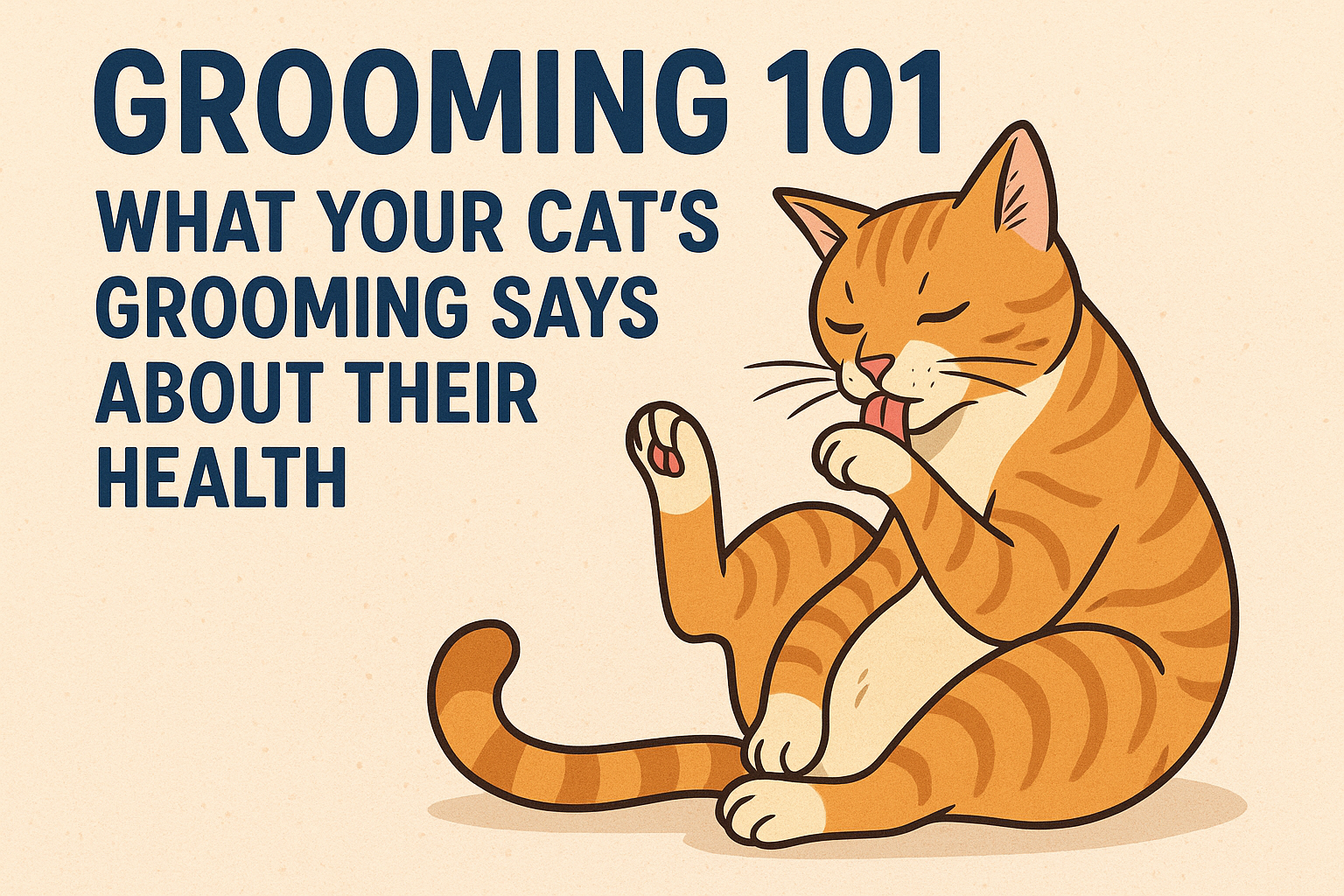
As a cat owner, you may often find your feline friend indulging in self-grooming activities. Cats are known for their fastidious grooming habits, but did you know that these actions can be indicative of their overall health? In this comprehensive article, we will delve into the significance of grooming behavior, what it reveals about your cat’s health, how to interpret their grooming habits, and when to seek veterinary advice. By understanding the intricacies of your cat’s grooming, you can help ensure they maintain optimal well-being.
The Importance of Grooming in Cats
Grooming plays a crucial role in a cat’s life. It serves several purposes, including:
- Hygiene: Regular grooming helps remove dirt, dead hair, and parasites from the fur.
- Bonding: Cats groom each other as a social behavior; it helps establish and reinforce bonds.
- Temperature Regulation: Grooming helps cats regulate their body temperature by distributing oils and moisture.
- Stress Relief: Grooming can act as a soothing mechanism, helping cats cope with stress and anxiety.
Normal Grooming Behavior
Understanding what constitutes “normal” grooming behavior is essential for identifying potential health issues. Most cats groom themselves several times a day, spending up to 50% of their time awake engaged in this behavior. Here are some aspects of normal grooming:
- Light licking with their tongue both to clean and to stimulate the skin.
- A diligent focus on critical areas such as the face, paws, and tail.
- Occasional grooming of other cats or humans, indicating affection and social bonding.
What Unusual Grooming Behavior Can Indicate
While normal grooming is healthy, any significant changes in your cat’s grooming habits can serve as red flags for various health issues. Here are some abnormal grooming behaviors to watch for:
1. Over-Grooming
If your cat starts to groom excessively, it may lead to skin irritations, bald patches, and other complications. Over-grooming can indicate underlying problems such as:
- Allergies: Food allergies or environmental allergens can lead to itchy skin and resultant over-grooming.
- Stress or Anxiety: Changes in the environment or routine can trigger stress in cats, leading to compulsive grooming.
- Pain or Discomfort: Cats may over-groom areas that are painful or uncomfortable, such as due to arthritis or other injuries.
2. Under-Grooming
Conversely, a lack of grooming can also signal a health problem. Cats that neglect grooming may suffer from:
- Obesity: Overweight cats may find it difficult to groom themselves properly.
- Illness: Conditions like diabetes or arthritis can make grooming uncomfortable.
- Aging: Senior cats may not groom as effectively due to diminished energy levels.
3. Changes in Grooming Frequency
Any sudden changes in grooming frequency, whether increasing or decreasing, warrant investigation. Such changes may indicate:
- Skin Infections: Infections or fleas can lead to increased grooming as cats attempt to alleviate irritation.
- Depression or Anxiety: Cats can experience behavioral changes due to emotional distress, leading to altered grooming habits.
Interpreting Your Cat’s Grooming Patterns
Becoming attuned to your cat’s grooming patterns can provide valuable insights into their health. Here are some aspects to consider:
1. Fur Condition
The condition of your cat’s coat is one of the most evident indicators of grooming effectiveness and overall health. A healthy cat’s fur should be:
- Shiny and smooth, indicating good hydration and nutrition.
- Free of mats or tangles, suggesting regular grooming habits.
- Clear of excessive shedding, which can hint at health issues or stress.
2. Skin Irritations
If you notice redness, bumps, or dryness on your cat’s skin, it can indicate an issue such as allergies or dermatitis. Frequent licking in one spot can lead to hot spots, which require immediate attention.
3. Behavior Changes
Alongside grooming habits, observe any changes in your cat’s behavior. Increased hiding, aggression, or withdrawal can suggest stress, illness, or changing social dynamics that may require attention.
How to Support Your Cat’s Grooming Needs
As a responsible pet owner, you can help ensure your cat’s grooming routines support their health:
- Regular Brushing: Regularly brushing your cat can help prevent mats and remove loose fur. It also offers you a bonding opportunity.
- Bathing (if necessary): Most cats don’t require frequent baths, but if your cat gets into something sticky or dirty, use a cat-friendly shampoo.
- Nail Trimming: Keep your cat’s nails trimmed to prevent discomfort and injuries.
- Diet and Hydration: A balanced diet with adequate hydration supports skin and fur health. Consult with your veterinarian about the best diet for your cat’s unique needs.
When to Seek Veterinary Advice
Staying aware of your cat’s grooming habits and related behaviors can help identify potential health issues early. If you notice any persistent changes in grooming behavior or accompanying symptoms such as:
- Excessive scratching or biting at skin.
- Foul odors or lesions on the skin.
- Not eating or drinking appropriately.
It’s crucial to seek advice from a veterinarian. Early detection and intervention can significantly improve outcomes for many health conditions.
Conclusion
Your cat’s grooming habits provide valuable insights into their health and well-being. Understanding what normal grooming looks like and being vigilant about changes can help you detect underlying issues before they escalate. Cats groom not only for hygiene but also as a way to self-soothe and express their mood. By monitoring their grooming behaviors, you can foster a deeper connection with your feline friend while ensuring they remain happy and healthy. Remember, when in doubt, consult your veterinarian, who can provide guidance tailored to your cat’s individual needs.
Frequently Asked Questions (FAQs)
1. How often should my cat groom itself?
Most cats groom themselves several times a day as part of their natural behavior. If you notice a deviation from this pattern, it’s important to observe for other signs of health issues.
2. What should I do if my cat is over-grooming?
If your cat is continuously over-grooming, it may be beneficial to consult with a veterinarian. They can help identify any underlying causes and suggest appropriate interventions.
3. Can grooming help with shedding?
Yes! Regular grooming can help minimize shedding by removing loose fur and reducing the amount of hair that gets scattered around your home.
4. Do all cats require baths?
Most cats do not require routine baths because they groom themselves effectively. However, certain circumstances may necessitate a bath, such as exposure to harmful substances or skin conditions. Always use cat-specific products if bathing is necessary.
5. What signs indicate my cat may have allergies affecting grooming?
Signs of allergies may include excessive scratching, red or inflamed skin, and changes in grooming habits. If you suspect allergies, consult a veterinarian for evaluation and treatment.
 PRINCE2030