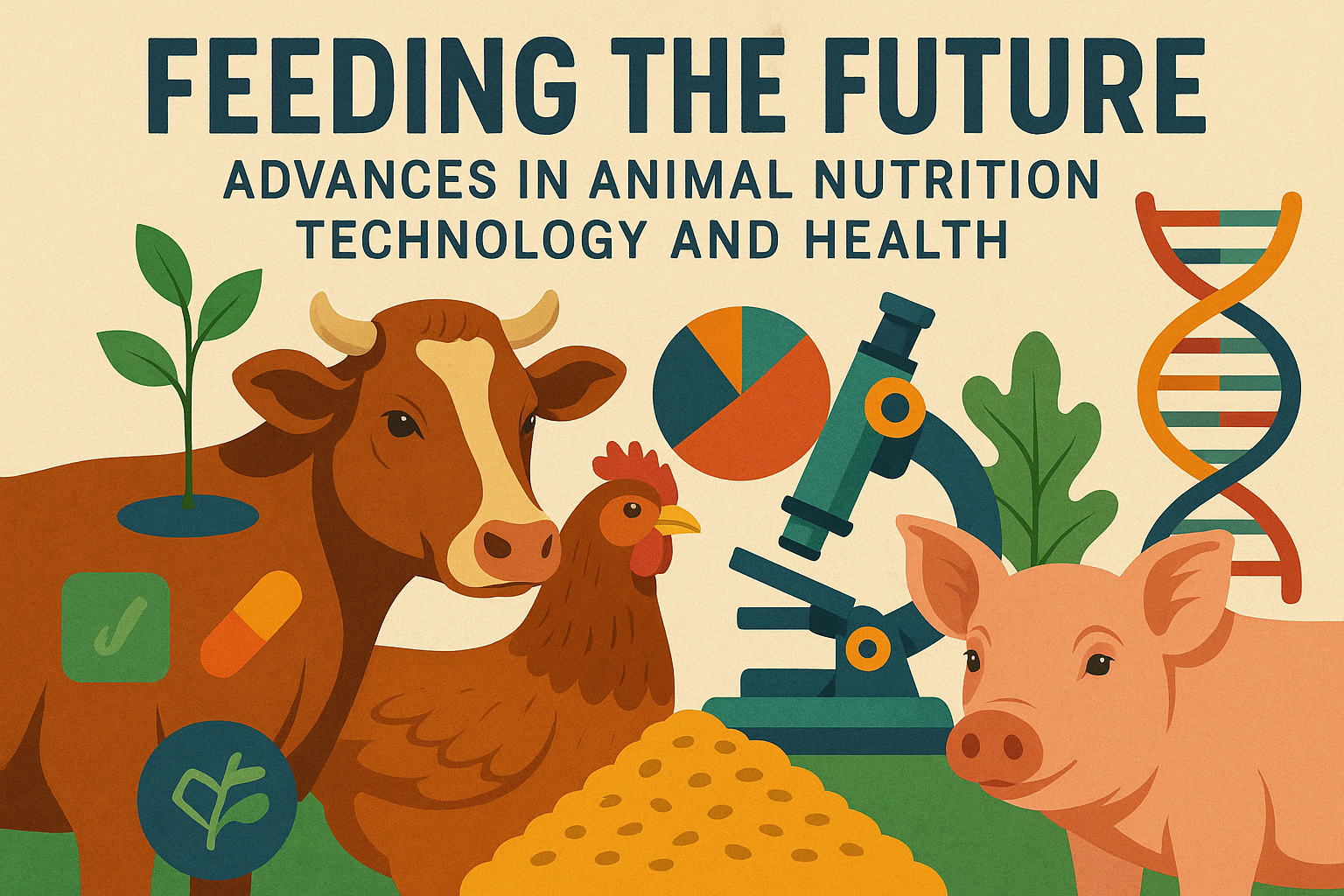
Feeding the Future: Advances in Animal Nutrition Technology and Health
Introduction
The global demand for animal protein is continuously increasing due to expanding populations and rising incomes. To meet this demand sustainably, significant advancements in animal nutrition technology and health are crucial. This article explores the latest developments in the field, highlighting innovative strategies and technologies that promise to enhance animal nutrition, improve health outcomes, and contribute to sustainable farming practices.
The Importance of Animal Nutrition
Animal nutrition is fundamental to the health and productivity of livestock. Proper nutrition enhances growth rates, improves immune function, and increases overall efficiency in meat, dairy, and egg production. Advanced nutrition strategies can also mitigate environmental impacts by reducing waste and emissions.
Recent Advances in Animal Nutrition Technologies
1. Precision Nutrition
Precision nutrition focuses on tailoring animal diets based on their specific needs. By utilizing data analytics and monitoring technologies, farmers can create customized feeding plans that optimize nutrient delivery, improving productivity and reducing feed wastage.
2. Nutritional Genomics
Nutritional genomics studies the relationship between nutrition and gene expression. By understanding how specific nutrients affect genetic functions, researchers can develop diets that promote desirable traits such as rapid growth, disease resistance, and enhanced reproductive performance.
3. Feed Additives and Nutraceuticals
Innovative feed additives, including probiotics, prebiotics, and enzymes, are revolutionizing animal nutrition. These substances can improve gut health, enhance nutrient absorption, and boost overall performance. Nutraceuticals, designed for specific health benefits, are also gaining traction in animal diets.
Health Technologies in Animal Farming
1. Disease Prevention through Nutrition
Nutrition plays a pivotal role in disease resistance. Properly formulated diets can enhance immune system function, helping animals better fend off illnesses. Researchers are exploring how specific nutrients impact immune responses and overall health.
2. Vaccination and Biologics
Advancements in vaccines and biologics are critical for maintaining livestock health. Innovative delivery methods, such as oral vaccines, are being developed to improve efficacy and ease of administration, ensuring higher compliance among farmers.
3. Data-Driven Health Monitoring
With the rise of precision livestock farming, health monitoring technologies are becoming more prevalent. Wearable devices and sensors can track an animal’s behavior, movement, and vital signs, allowing for early detection of health issues and timely interventions.
Sustainable Practices in Animal Nutrition
The urgency to implement sustainable practices in animal agriculture is more critical than ever. Efforts to reduce the ecological footprint of animal production include:
- Alternative Protein Sources: Utilizing plant-based proteins or by-products from food processing can reduce dependence on traditional feed sources.
- Waste Reduction: Technologies aimed at optimizing feed efficiency can significantly reduce waste and lower the environmental impact.
- Carbon Footprint Mitigation: Practices that enhance soil health and increase carbon sequestration in farming operations play an essential role in sustainability.
The Role of Biotechnology
Biotechnology is rapidly changing the landscape of animal nutrition. Genetic engineering and other biotechnological advancements help improve feed efficiency, disease resistance, and overall animal health. Techniques such as CRISPR gene editing hold great promise for creating animals that require fewer resources to produce the same outputs.
Consumer Awareness and Education
As consumers become more aware of where their food comes from, education around animal nutrition and health practices is essential. Transparency in farming practices can enhance consumer trust and drive demand for sustainably produced products.
Conclusion
The future of animal agriculture is being shaped by advancements in nutrition technology and health strategies aimed at meeting growing demands sustainably. By embracing innovation, enhancing disease resistance, and prioritizing environmental care, we can ensure a viable future for animal production. As stakeholders in the food supply chain come together to implement these practices, the potential to feed future generations while safeguarding our planet becomes clearer.
Frequently Asked Questions (FAQs)
1. What is precision nutrition?
Precision nutrition tailors animal diets based on individual needs, utilizing data analytics to optimize nutrient delivery and enhance productivity.
2. How do feed additives improve animal health?
Feed additives like probiotics and prebiotics support gut health, improve nutrient absorption, and can lead to better overall performance and health outcomes.
3. What is nutritional genomics?
Nutritional genomics examines how specific nutrients impact gene expression, offering insights into creating diets that enhance desirable traits in animals.
4. How does biotechnology contribute to animal nutrition?
Biotechnology improves the efficiency, disease resistance, and overall health of livestock through techniques such as genetic engineering and CRISPR.
5. Why is consumer education important in animal agriculture?
Educating consumers about animal nutrition and health practices fosters transparency and trust, influencing their purchasing decisions positively.