
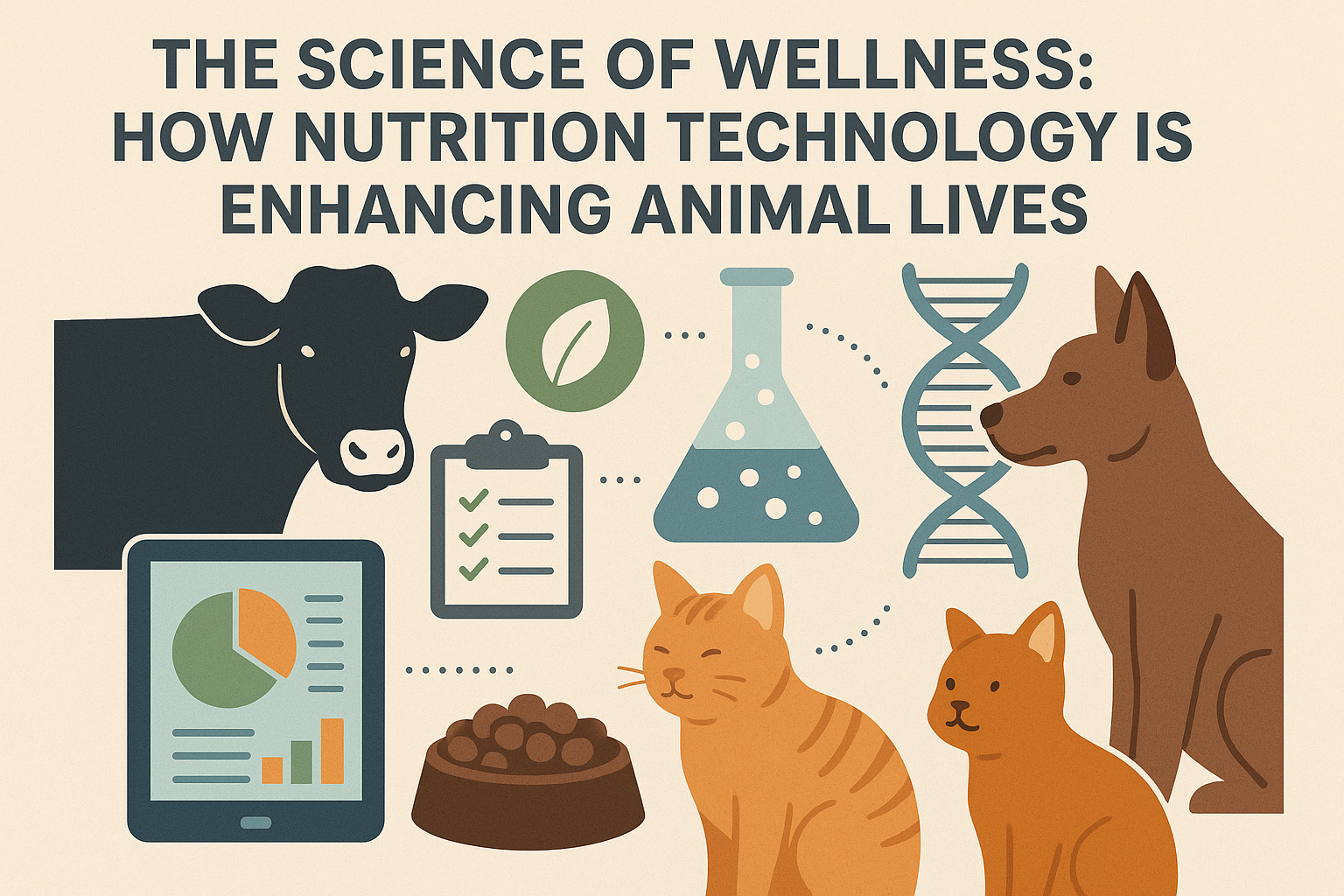
In recent years, the concept of wellness has transcended human realms to become a significant focus in the fields of veterinary science and animal husbandry. The role of proper nutrition in promoting animal health and well-being has caught the attention of researchers, pet owners, and industry experts alike. As advancements in nutrition technology evolve, they are paving the way for significant improvements in the quality of life for animals, impacting everything from pet health to livestock productivity. This article delves into the science of wellness and examines how nutrition technology is enhancing animal lives.
The Importance of Nutrition in Animal Health
Nutrition plays a crucial role in the overall health and wellness of animals. Proper nutrition not only influences an animal’s physical health but also affects its behavior, immunity, and longevity. Just like humans, animals require a balanced diet that provides them with the necessary vitamins, minerals, proteins, fats, and carbohydrates to thrive.
Malnutrition—whether through deficiency, excess, or imbalance—can lead to health issues ranging from obesity and diabetes in pets to decreased productivity in livestock. Hence, understanding and optimizing animal nutrition is a significant focus area for veterinary scientists and nutritionists.
How Technology is Revolutionizing Animal Nutrition
With the rapid advancements in technology, various innovative solutions have emerged in the realm of animal nutrition. The integration of technology in this field is not just about creating better feed; it is about understanding the complex needs of different species and using data to improve their diets effectively.
1. Nutrigenomics: Understanding Individual Nutritional Needs
Nutrigenomics is an exciting branch of science that studies the interaction between genetics, nutrition, and health. With the help of genetic testing, scientists can assess the specific dietary needs of individual animals. This allows for personalized nutrition strategies, leading to better health outcomes. For example, recognizing a dog’s genetic predisposition to certain conditions such as obesity or joint disorders can influence dietary choices, ensuring they receive the adequate nutrition they need.
2. Smart Feeding Systems
Smart feeding systems are revolutionizing how we approach animal nutrition. These systems utilize sensors and data analytics to monitor food intake, dietary preferences, and even health indicators. For instance, cat feeders have been developed to dispense food based on a pet’s needs, helping prevent overeating and subsequent health issues. Farmers are also utilizing automated feeding systems for livestock, ensuring that animals receive the right nutrients at the right time for optimum growth and productivity.
3. Mobile Applications and Trackers
With the rise of mobile applications and wearables, pet owners can now monitor their animals’ nutrition and activity levels closely. Various apps provide tailored dietary recommendations based on the animal’s life stage, breed, and health status. Furthermore, trackers can detect changes in an animal’s behavior or physical condition, alerting owners to potential health concerns, thereby promoting proactive nutritional interventions.
The Role of Functional Ingredients in Animal Diets
The term “functional ingredients” refers to components of animal feed that provide health benefits beyond basic nutrition. These ingredients include prebiotics, probiotics, omega-3 fatty acids, and antioxidants, which have been shown to enhance overall health and wellbeing.
1. Probiotics and Gut Health
Probiotics, live beneficial bacteria, have gained popularity in animal nutrition for their positive effects on gut health. They can help in maintaining a well-balanced microbiome, improving digestion, and supporting the immune system. Implementing probiotics in pet diets and livestock feed has shown to decrease illness rates and increase overall vitality.
2. Omega-3 Fatty Acids
Omega-3 fatty acids are known for their anti-inflammatory properties and benefit both pets and livestock. They can aid in managing inflammatory conditions, improve skin and coat health, and support cognitive function in dogs and cats. Moreover, incorporating omega-3s into livestock diets has been associated with better reproductive performance and improved meat quality in animal products.
Case Studies: Success Stories of Nutrition Technology
1. Enhancing Pet Health
A notable example of improved pet health via nutrition technology is seen in the use of customized dog foods. Brands that utilize data from pet owners to tailor diets specifically for their dogs report better outcomes in terms of weight management and vitality. Pet owners have shared success stories of dogs overcoming obesity and associated health issues through these personalized nutrition plans.
2. Farmers Maximizing Livestock Productivity
In the agricultural sector, farmers incorporating technology-driven nutrition strategies have seen significant increases in livestock productivity. By implementing automated feeding systems and utilizing data analytics, farmers can ensure animals receive the right nutrients at the right time, leading to enhanced growth rates, better feed conversion ratios, and ultimately, higher profitability.
Challenges and Considerations
Despite the revolutionary advancements in nutrition technology, challenges remain. Not all pet owners may have access to personalized nutrition services, and there could be disparities in technology access in agricultural settings. Additionally, as with any new technology, there is a need for ongoing research to ensure that the benefits of these innovations far outweigh any potential risks.
1. Cost and Accessibility
The cost of implementing new nutrition technologies can be prohibitively high for some pet owners and farmers. This creates a divide in access to optimal nutrition practices. Ongoing efforts to make these technologies more affordable and widely available will be crucial in bridging this gap.
2. Regulatory Challenges
The introduction of new nutritional products and technologies is often subject to regulatory scrutiny. Ensuring that new ingredients and methods meet safety standards and provide the claimed benefits is essential. Collaborative efforts between researchers, industry, and regulatory bodies are necessary to navigate these challenges.
Conclusion
The pairing of scientific understanding of nutrition with technology is reshaping the landscape of animal wellness. Advances in nutrigenomics, smart feeding, and the incorporation of functional ingredients are making it possible to provide better, more personalized care and nutrition for animals.
As the knowledge and technology surrounding animal nutrition continue to grow, we can expect significant improvements in the health and longevity of pets and livestock alike. Addressing the existing challenges will be vital in ensuring that these advancements are accessible to all, fostering a future where animal well-being is prioritized through science and innovation.
FAQs
1. What is nutrigenomics?
Nutrigenomics is the study of how an organism’s genetics interact with its diet. This research helps create personalized nutrition plans to optimize health based on genetic predispositions.
2. How do smart feeding systems work?
Smart feeding systems use sensors and data analytics to monitor and manage an animal’s food intake, ensuring it receives the proper nutrition tailored to its needs and preventing overeating.
3. What are functional ingredients, and why are they important?
Functional ingredients are components of animal feed that provide additional health benefits beyond basic nutrition. They can enhance immunity, improve digestion, and support overall well-being.
4. Can nutrition technology benefit both pets and livestock?
Yes, nutrition technology can significantly benefit both pets and livestock. For pets, it can improve health and longevity, while for livestock, it can enhance productivity and reproductive performance.
5. What are the challenges of implementing nutrition technology?
Challenges include the cost of new technologies, accessibility for pet owners and farmers, and regulatory hurdles to ensure safety and efficacy of new nutritional products.