Navigating the Challenges of Pet Parenting: Strategies for Success

Bringing a pet into your life can be one of the most rewarding experiences, but it also comes with its own set of challenges. Whether you are a seasoned pet owner or a first-time parent, understanding and addressing these challenges is crucial for the success of your pet-parenting journey.
Understanding Pet Parenting
Pet parenting is not just about companionship; it involves responsibility, commitment, and the commitment to providing a nurturing and safe environment for your furry (or scaly) friend. Each pet comes with its own unique needs, behaviors, and health considerations, making it essential to understand what it means to be a pet parent.
Common Challenges Pet Parents Face
Every pet comes with its own set of challenges. Here are some common hurdles that pet parents encounter:
1. Training and Behavior Issues
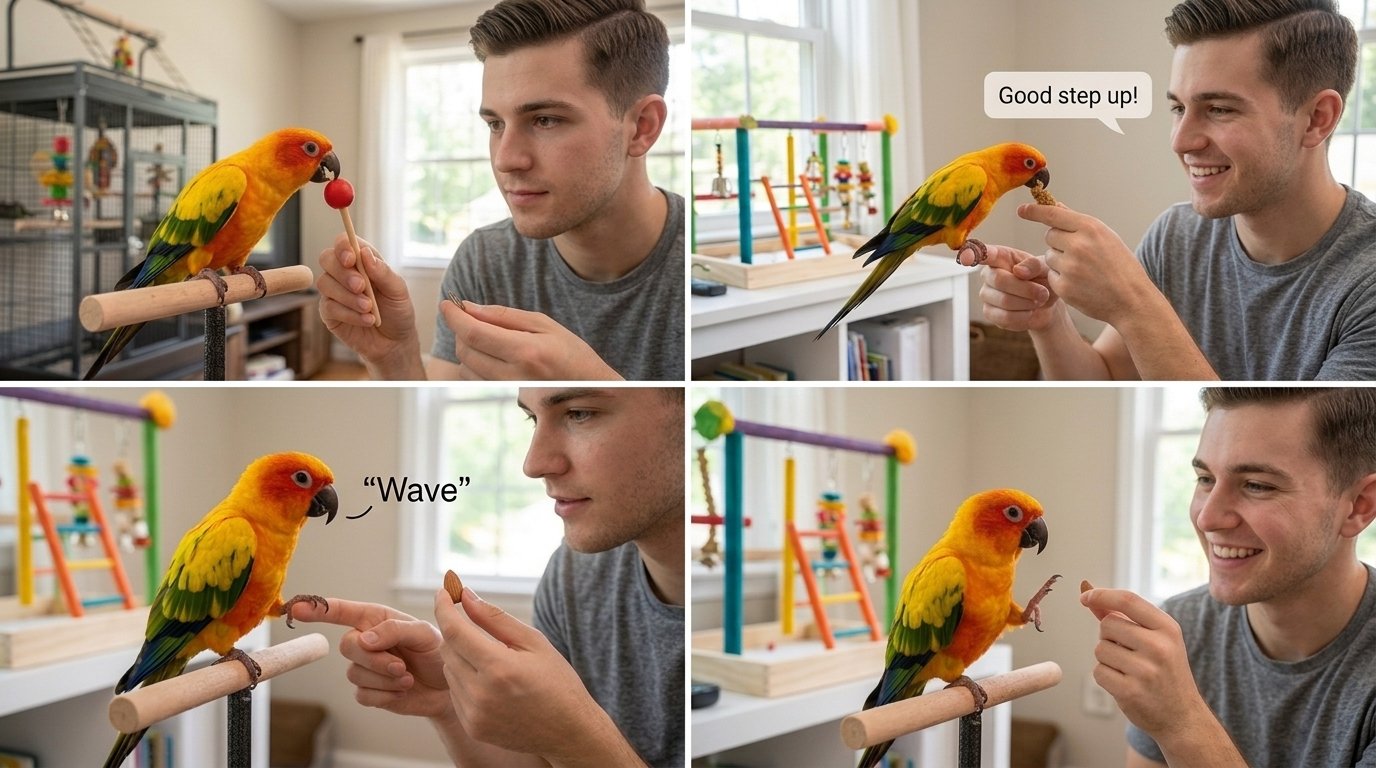
From potty training to dealing with destructive behaviors, training is a fundamental challenge. Many pets display behaviors that can be frustrating for owners, such as chewing, barking excessively, or not following commands.
2. Health Care and Veterinary Visits
Your pet’s health should be a top priority. This includes regular check-ups, vaccinations, and addressing any health issues that may arise. For first-time pet owners, navigating the vet landscape can be overwhelming.
3. Financial Commitments
The costs associated with pet ownership can add up quickly. From food and grooming to veterinary care and insurance, it’s essential to create a budget that encompasses all aspects of pet care.
4. Time Management
Pets require time and attention, making it crucial to manage your time effectively. Balancing work, social life, and pet care is essential for the well-being of both the pet and the owner.
5. Emotional Connection and Bonding
Building an emotional bond with your pet takes time and effort. Some pets can take longer to trust and form bonds with their owners, leading to feelings of frustration or disappointment.
Effective Strategies for Successful Pet Parenting
While pet parenting can be challenging, there are numerous strategies you can employ to navigate these difficulties successfully. Here are some effective approaches:
1. Education and Training
Investing time in understanding your pet’s breed, behavior, and training needs is vital. Consider enrolling in obedience classes or seeking the assistance of a professional trainer. Learning effective training techniques will assist you in addressing behavioral issues.
2. Regular Veterinary Care
Establishing a relationship with a trusted veterinarian is crucial. Regular health check-ups and vaccinations can prevent significant health issues down the line. Make note of any changes in your pet’s behavior or health, and don’t hesitate to ask your vet questions.
3. Budgeting for Your Pet’s Needs
Creating a detailed budget that includes food, supplies, grooming, and veterinary care can help you prepare for the financial aspect of pet ownership. Explore cost-effective options without compromising on your pet’s needs.
4. Time and Routine Management
To effectively manage your time, establish a routine that includes playtime, feeding, training, and vet visits. Consistency is key in helping your pet adjust and thrive in their home environment. Additionally, consider pet-sitting or daycare options if you have a busy schedule.
5. Fostering Emotional Connections
Spend quality time with your pet engaging in play, training, and exploring the outdoors together. This helps to strengthen your bond. Be patient, as building trust and a connection can take time, especially with shy or fearful pets.
Creating a Safe Environment
Ensuring a safe environment for your pet is an essential component of pet parenting. Consider the following aspects:
1. Home Safety
Pet-proof your home by removing hazardous items, ensuring household chemicals are stored securely, and keeping small objects out of reach. Regularly check for dangers such as exposed electrical cords or toxic plants.
2. Outdoor Safety
If your pet spends time outdoors, ensure your yard is securely fenced and free of harmful plants or substances. Always supervise your pet during outdoor playtime to prevent accidents or encounters with wildlife.
3. Nutrition and Diet
Providing a balanced diet that meets your pet’s specific nutritional needs based on age, breed, and health is crucial. Consult with a veterinarian regarding dietary requirements and avoid feeding them harmful foods.
Building a Support Network
No one can do it all alone, especially in the journey of pet parenting. Building a support network can be invaluable:
1. Connect with Other Pet Owners
Join local pet owner groups or online forums where you can share experiences and advice. Networking can help you navigate challenges and provide insights that you might not have considered.
2. Seek Professional Help When Needed
Don’t hesitate to consult with trainers, behaviorists, or veterinarians when facing obstacles with your pet. Professionals can provide expertise and guidance that can make a significant difference in your pet’s behavior and overall happiness.
3. Consider a Pet-Sitter or Dog-Walker
If your schedule is often busy, consider hiring a dog walker or pet sitter. This can ensure your pet gets adequate exercise and companionship, and it will alleviate some of the stress of managing your pet’s needs.
Conclusion
Becoming a pet parent is a rewarding journey, filled with joy, challenges, and responsibilities. While you may face obstacles along the way, remember that with patience, commitment, and the right strategies, you can overcome them. Your pet relies on you for care, companionship, and love, and in return, they offer unconditional affection and joy. By understanding your pet’s needs, educating yourself, and building a support network, you can navigate the challenges of pet parenting successfully.
FAQs
1. What should I consider before getting a pet?
Consider your lifestyle, living situation, and the time, effort, and resources available for caring for a pet. Research different breeds and their needs to find a suitable match.
2. How can I train my pet effectively?
Use positive reinforcement techniques, be consistent with commands, and practice regularly. Enroll in professional training programs if necessary.
3. What are the signs that my pet is not feeling well?
Signs can include changes in appetite, behavior, energy level, or any unusual physical symptoms. If you notice anything concerning, consult your veterinarian.
4. How can I socialize my pet?
Gradually expose your pet to different people, places, and situations. Take them to parks, arrange playdates, and use controlled environments to help them adapt.
5. What can I do to help my pet adjust to a new home?
Provide a safe space, gradually introduce them to all areas of the house, and maintain a routine to help them feel secure and comfortable in their new environment.