Innovative Ingredients: The Future of Animal Nutrition in a Tech-Driven World
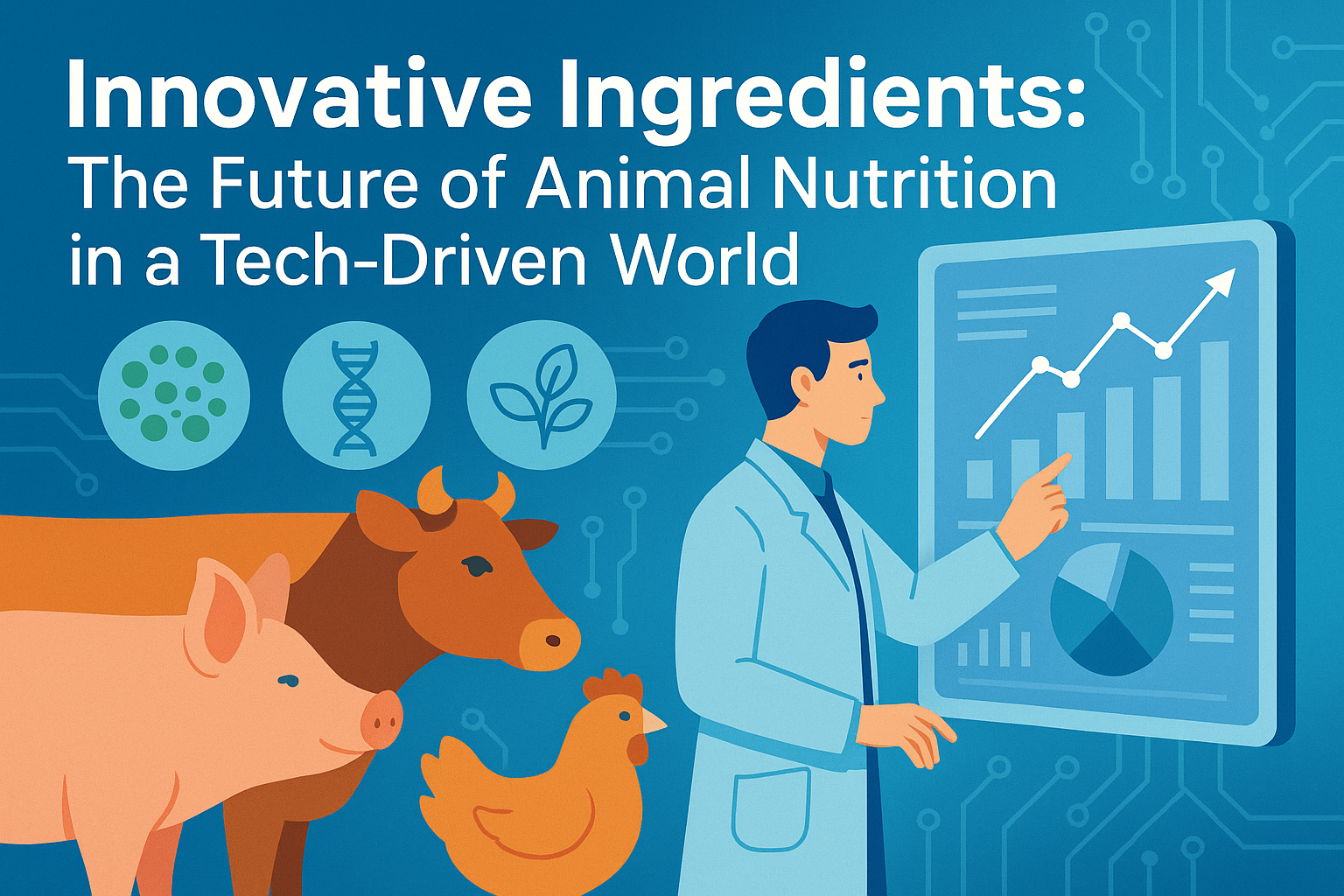
The landscape of animal nutrition is undergoing a significant transformation, underpinned by advancements in technology and an increasing understanding of nutritional science. These innovative ingredients are poised to redefine how we approach animal feed, ensuring sustainability, efficiency, and healthful benefits for various livestock and pets. This article explores the innovative ingredients revolutionizing animal nutrition and how they align with the ever-evolving demands of consumers and industry standards.
The Need for Innovation in Animal Nutrition
With a growing global population projected to reach nearly 10 billion by 2050, the demand for animal protein is increasing dramatically. Traditional animal feed sources, primarily based on grains and soy, are facing limitations in availability and sustainability. Furthermore, concerns regarding animal welfare and environmental impacts are pressing the industry to seek new solutions.
Innovative ingredients offer numerous advantages, such as:
- Improved feed efficiency
- Enhanced animal health and welfare
- Reduced environmental footprint
- Better alignment with consumer expectations
Emerging Trends in Animal Nutrition
1. Alternative Proteins
As the demand for protein-rich animal feeds escalates, alternative protein sources are increasingly gaining attention. These include:
- Insect Meal: Sourced from crickets, mealworms, and other insects, insect meal is a highly digestible protein that boasts a minimal environmental impact compared to traditional livestock feed.
- Plant-Based Proteins: Ingredients such as pea, lentil, and hemp protein are making their way into animal feed formulations to meet protein requirements while reducing reliance on traditional sources.
- Microbial Proteins: Derived through fermentation processes, single-cell proteins (SCP) from yeast and bacteria provide a sustainable and efficient protein source for animal nutrition.
2. Functional Ingredients
Functional ingredients are those that provide health benefits beyond basic nutrition. They are gaining traction for their roles in enhancing animal performance and welfare:
- Probiotics: These beneficial microorganisms help balance gut flora in livestock, leading to improved digestion, nutrient absorption, and overall health.
- Prebiotics: Non-digestible food ingredients such as fructooligosaccharides (FOS) and mannanoligosaccharides (MOS) promote the growth of beneficial gut bacteria.
- Beta-Glucans: Found in yeasts and cereals, beta-glucans boost the immune system and promote gut health.
3. Innovative Feed Additives
Feed additives are products added to animal feed to improve its nutritional value or enhance animal health. Recent innovations in this sector include:
- Enzymes: Enzymatic additives aid in the breakdown of complex feed ingredients, enhancing nutrient availability and digestibility.
- Essential Oils: Natural extracts from plants can act as antimicrobial and antioxidant agents, promoting gut health and overall well-being.
- Seaweed Products: Seaweed-derived additives have shown promise in reducing methane emissions from ruminants while providing valuable nutrients.
The Role of Technology in Animal Nutrition
Technological advancements are integral to developing and incorporating innovative ingredients into animal feed. Some of the key technologies include:
1. Data Analytics and Artificial Intelligence (AI)
Data analytics and AI are revolutionizing feed formulation by providing insights into optimal ingredient combinations and nutrient profiles. These technologies enable nutritionists and farmers to make informed decisions that enhance feed efficiency and animal health.
2. Precision Nutrition
Precision nutrition involves tailoring animal diets based on individual needs rather than a one-size-fits-all approach. Using sensors and monitoring devices, farmers can assess an animal’s health and performance, enabling personalized feeding regimens.
3. Biotechnology
Biotechnology is paving the way for the development of genetically modified organisms (GMOs) that offer improved nutritional profiles or increased disease resistance. This approach has the potential to yield higher crop outputs and a more resilient food supply chain.
Regulatory and Ethical Considerations
As the adoption of innovative ingredients progresses, regulatory frameworks are evolving to accommodate these changes. Key considerations involve:
1. Safety and Efficacy
Before innovative ingredients can be commercialized, they must undergo rigorous testing to ensure they are safe and effective for animal use. This ensures that advancements do not compromise animal welfare or food safety.
2. Consumer Perception
The acceptance of novel ingredients by consumers remains a critical factor. Transparency about sourcing, processing, and benefits is essential to gain consumer trust and confidence in products that utilize innovative ingredients.
Case Studies: Success Stories in Innovative Ingredients
1. Insect Meal Adoption
A promising case study in the adoption of innovative ingredients is the integration of insect meal into aquaculture and poultry feeds. Companies across Europe and North America are successfully utilizing black soldier fly larvae as a protein source, demonstrating both economic viability and a reduced environmental footprint.
2. Seaweed in Ruminant Nutrition
Innovative seaweed products, particularly Asparagopsis taxiformis, have gained attention for their ability to reduce methane emissions in cattle. Research shows that incorporating small amounts of this seaweed into ruminant diets can lead to a significant reduction in greenhouse gases while providing essential nutrients.
Challenges and Considerations
While the future looks promising, several challenges accompany the integration of innovative ingredients in animal nutrition:
1. Availability and Scalability
As demand for alternative proteins and functional additives increases, the supply chain must adapt to ensure affordability and consistent availability. Scaling up production while maintaining quality will be vital.
2. Market Acceptance
Consumer acceptance of innovative ingredients requires education about the benefits and safety of these new materials. Building a narrative around sustainability, health, and efficacy is essential for widespread adoption.
Conclusion
The future of animal nutrition is undoubtedly tied to innovation and technology. By embracing new, sustainable ingredients and utilizing advanced technologies, the industry can meet the rising demand for animal protein while addressing critical challenges such as environmental sustainability and animal welfare. As we move forward, collaboration among researchers, producers, and consumers will be essential to harness the full potential of innovative ingredients and ensure a resilient and responsible approach to animal nutrition.
FAQs
1. What are alternative proteins in animal nutrition?
Alternative proteins refer to non-traditional sources of protein used in animal feed, including insect meal, plant-based proteins, and microbial proteins. They provide sustainable alternatives to conventional protein sources like soy and fish meal.
2. How do functional ingredients benefit animal health?
Functional ingredients like probiotics and prebiotics support gut health, improve digestion, and enhance nutrient absorption in animals. They can lead to better overall health outcomes and improved animal welfare.
3. What role does technology play in animal nutrition?
Technology plays a crucial role in optimizing feed formulations and enhancing feed efficiency. Tools like data analytics, precision nutrition, and biotechnology enable more tailored and efficient feeding practices for animals.
4. Are innovative ingredients safe for animals?
Innovative ingredients undergo rigorous testing to ensure their safety and efficacy. Regulatory bodies assess these ingredients before they are approved for use in animal feeds, aiming to protect animal health and food safety.
5. How can consumers trust animal products that use innovative ingredients?
Transparency in sourcing, processing, and benefits of innovative ingredients is crucial for consumer trust. Educating consumers about the advantages and safety of these ingredients can help bridge the gap between innovation and acceptance.