
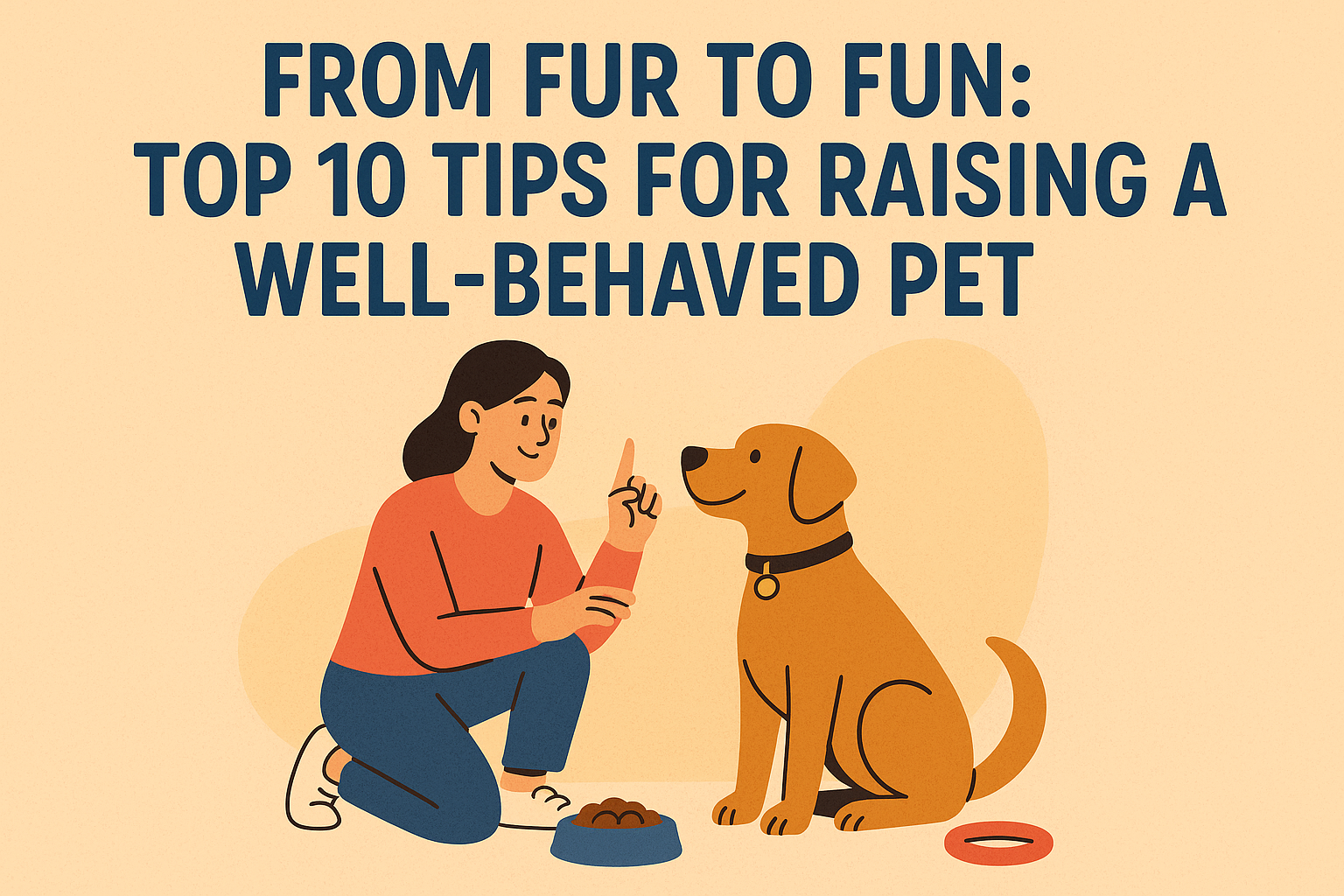
Bringing a pet into your home is an enriching experience filled with companionship and joy. However, it also comes with responsibilities. To forge a strong bond and ensure that your pet behaves well, it’s crucial to adopt a proactive approach from the start. Here are the top 10 tips to guide you in raising a well-behaved pet.
1. Choose the Right Pet for Your Lifestyle
Before you even bring a pet home, consider your lifestyle and living situation. Some pets require more attention, exercise, and space than others. For instance:
- Active families: Dogs (especially large breeds) can thrive in this environment.
- Busy professionals: Cats or small pets like hamsters might be more suitable.
- Allergies: Consider hypoallergenic breeds such as poodles or sphynx cats.
Researching different species and breeds helps ensure a good match that promotes both your life and your pet’s well-being.
2. Make a Safe and Comfortable Space
Once you have chosen a pet, it’s time to create a safe, welcoming home environment. This involves:
- Identifying any hazards such as toxic plants, electrical cords, or small objects.
- Designating a specific area for the pet where they can feel secure.
- Using pet-friendly furniture and blankets to create comfort.
By providing a safe space, you foster confidence in your pet, reducing anxiety and unwanted behaviors.
3. Consistent Training
Training is essential for a well-behaved pet. Consistency, patience, and positive reinforcement should be the foundation of your approach. Key aspects include:
- Using commands like “sit,” “stay,” and “come” positively and consistently.
- Rewarding good behavior with treats, praise, or playtime.
- Addressing bad behavior promptly but calmly to correct it.
Establishing training routines also reinforces the bond between you and your pet, leading to a more enjoyable companionship.
4. Provide Regular Exercise
Physical activity is crucial for both mental and physical health. Different pets have varying exercise needs:
- Dogs: Require daily walks, play sessions, and mental stimulation through games.
- Cats: Enjoy interactive play with toys and climbing structures.
- Small animals: Benefit from space to move around and toys to explore.
By ensuring your pet gets enough exercise, you can reduce stress and destructive behavior while promoting healthier living.
5. Socialization is Key
Socializing your pet is vital for helping them get along with other animals and people. Introduce your pet to new experiences and environments gradually. Here’s how:
- Start with controlled introductions to other pets and friendly humans.
- Expose your pet to various environments such as parks, pet stores, and busy streets.
- Organize playdates with other pets to let your animal interact and learn social skills.
Well-socialized pets tend to be more confident and less fearful, equating to better behavior in different situations.
6. Nutrition and Health Care
Feeding your pet a balanced diet is essential for their health and behavior. Follow these nutrition tips:
- Consult with your veterinarian to choose a diet that suits your pet based on their species, age, and activity level.
- Monitor their weight and adjust portions as needed to avoid obesity-related issues.
- Regular veterinary check-ups and vaccinations maintain overall health and prevent diseases.
A well-balanced diet contributes to your pet’s behavior and ensures they have the energy needed for play and learning.
7. Establish a Routine
Pets thrive on routine and predictability. Having a daily schedule that includes feeding, walks, playtime, and training ensures they know what to expect. Here’s why routine is essential:
- Reduces anxiety and uncertainty about coming events.
- Helps establish good habits, such as going outside for bathroom breaks.
- Creates a comforting environment that promotes security and trust.
As much as possible, stick to the schedule to help your pet feel more balanced and well-behaved.
8. Understanding Body Language
Pets communicate through body language, and being observant can prevent misunderstandings. Learn the signs that indicate:
- Happiness: A relaxed body, wagging tail (in dogs), or a purring cat.
- Stress or fear: Tucked tails, flattened ears, or hissing.
- A need for space: Growling or avoidance signals they require a break.
Understanding your pet’s body language helps you respond appropriately, supporting a better relationship and well-behaved pet.
9. Be Patient and Positive
Patience is vital when training and raising any pet. Remember, animals do not learn like humans; it takes time to teach them new skills. Here are some key reminders:
- Celebrate small milestones in learning and behavior change.
- Avoid harsh punishments; instead, use constructive redirection.
- Maintain a calm and positive attitude, even during setbacks.
The more positive the experience, the more willing your pet will be to learn and comply, leading to better overall behavior.
10. Love and Affection
Lastly, and most importantly, give your pet plenty of love and affection. Building a bond through caring actions creates a trusting relationship, which reinforces positive behavior. Ideas for showing affection include:
- Spending quality time together through petting, cuddling, or playing games.
- Talking gently and encouragingly to your pet during interactions.
- Incorporating them in family activities to promote companionship.
A loving approach creates happy memories and helps your pet develop a sense of security and belonging.
Conclusion
Raising a well-behaved pet is a rewarding endeavor that enhances both your life and your pet’s. By choosing the right pet, providing a safe environment, maintaining consistency in training, and fostering love and positive experiences, you empower your pet to thrive. Each of these tips contributes to a harmonious household—creating a joyful atmosphere for both you and your furry friend. Remember that every pet is unique, and adapting these strategies to fit your pet’s personality will go a long way in fostering good behavior.
FAQs
1. How long does it take to train a pet?
Training duration varies by species, breed, and individual temperament. Simple commands may take a few weeks, while complex behaviors can take months. Consistency and practice can expedite the process.
2. What should I do if my pet displays aggression?
Seek professional help from a veterinarian or animal behaviorist. Aggression can be a sign of fear or unease, and addressing these issues with an expert is crucial for safety.
3. Can I train an older pet?
Yes! Older pets can learn just as effectively as younger ones, although the process may require more patience. Use positive reinforcement and start with simple commands.
4. How often should I exercise my pet?
Exercise needs vary significantly between species and breeds. Generally, dogs require at least 30 minutes to two hours of exercise daily, while cats typically enjoy interactive playtime for about 15-30 minutes.
5. What if my pet has separation anxiety?
Consult with a veterinarian or a certified animal behaviorist. Gradual desensitization to being alone, providing engaging toys, or using calming products may help alleviate anxiety.
 PRINCE2030