
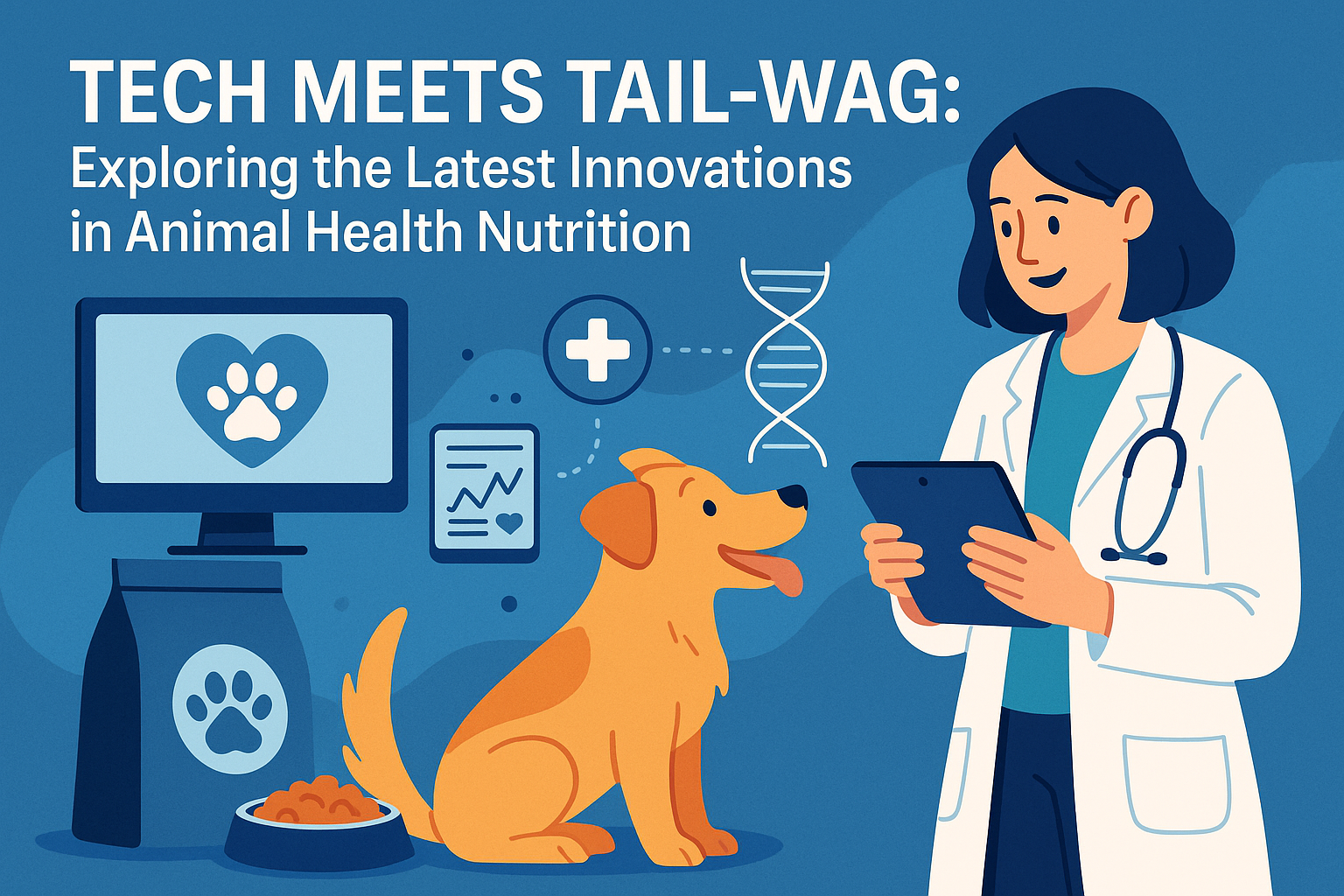
The Shift to Holistic Nutrition
In the past, pet nutrition often revolved around basic dietary needs. These needs typically included proteins, fats, carbohydrates, vitamins, and minerals. However, contemporary pet owners have become more educated and health-conscious, leading to a seismic shift towards holistic nutrition. This shift incorporates various aspects of pet health—including mental well-being, immune system support, and digestion.
One of the key innovations in this area has been the incorporation of functional ingredients in pet foods. These ingredients, such as probiotics, omega fatty acids, and antioxidants, support specific health outcomes, from improved digestion to better skin and coat health.
Smart Technology in Animal Nutrition
Technology is playing a crucial role in the evolution of animal health nutrition, with several innovations emerging to address the unique health needs of pets. Smart feeders, for instance, help pet owners monitor their pets’ eating habits. Connected apps can provide data about how much and when pets eat, thereby allowing owners to adjust their pets’ diets accordingly.
Additionally, devices such as wearables can track a pet’s activity levels and physiological data, allowing nutritionists and veterinarians to provide tailored dietary recommendations based on real-time data. This personalized approach helps address specific health issues or conditions more effectively.
Biotechnology Advancements
Biotechnology is another area making strides in animal health nutrition. Genetic engineering and advanced agricultural techniques allow for the development of nutrient-rich food sources that can be more easily absorbed by pets. For instance, biofortified crops can be created to enhance essential vitamin and mineral content.
Furthermore, lab-grown ingredients are gaining traction. These meat substitutes present a sustainable alternative that also ensures ethical treatment of animals. Such advancements not only benefit the environment but also provide pets with nutritious options that may suit different dietary needs.
Plant-Based and Alternative Protein Sources
As the demand for sustainable dietary options grows, several companies are exploring plant-based and insect protein sources for animal food. This is not merely a trend; it’s a response to growing concerns regarding the ecological impact of animal farming.
Research has shown that certain plant-based ingredients can meet the protein needs of pets while also providing additional health benefits. These ingredients often include chickpeas, lentils, and various seeds. Insect proteins, rich in amino acids and other essential nutrients, are being explored as an environmentally friendly alternative to traditional meat sources.
Telemedicine in Veterinary Nutrition
Advances in telemedicine have also changed how veterinarians engage with pet owners regarding nutrition. Remote consultations have made it easier for pet owners to discuss dietary concerns with professionals, leading to informed choices based on expert advice.
Many veterinary clinics now offer online nutrition consultations, allowing pet owners to receive tailored recommendations for their pets without needing to visit a clinic in-person. This shift provides a more flexible approach to animal health that is both convenient and effective.
The Role of Research and Development
Continuous research and development play a vital role in shaping the future of animal health nutrition. Institutions worldwide are investigating new food formulations and their impact on various health aspects. The integration of AI and machine learning is also helping in this research, enabling faster data analysis and the discovery of nutritional profiles that could benefit pets.
Veterinary nutritionists are now collaborating with pet food manufacturers to create cutting-edge formulas that incorporate the latest scientific research. This synergy is essential in developing products that meet the evolving needs of pets and their owners.
Regulatory Perspectives
As innovations in animal nutrition continue to emerge, regulatory bodies are working to keep pace with the rapidly changing landscape. Ensuring the safety and efficacy of new ingredients and technologies is critical to maintaining pet safety and public trust in animal health products.
Regulatory standards can vary between countries, leading to a diverse market where innovations can either flourish or face significant barriers. Advocacy for clear guidelines will enable companies to innovate responsibly while ensuring that pet health is the priority.
The Future of Animal Health Nutrition
Looking forward, the future of animal health nutrition appears bright, with technology and science working hand in hand. Developments in pet nutrition are likely to further increase personalization, allowing for diets tailored to individual pets based on their specific health needs.
The integration of artificial intelligence and machine learning will further refine nutrition recommendations, making them more responsive to pets’ changing needs over time. As we collect more data regarding pet health and nutrition, we will likely see a paradigm shift toward prevention-focused care, where nutrition plays a crucial role in preventive health strategies.
Conclusion
As we witness the rise of technology in the realm of animal health, it is important to acknowledge that these innovations are not just beneficial—they are transformative. The era of tech meets tail-wag is upon us, opening doors to previously unimaginable possibilities in pet nutrition.
By harnessing the power of technology, science, and a shift toward responsible and holistic practices, we can ensure that our beloved pets lead healthier, happier lives. The fusion of these elements marks the dawn of a new age in animal care that prioritizes health, well-being, and sustainability. Ultimately, the innovations we adopt today will shape the future of animal health for generations to come.
FAQs
1. What are functional ingredients in pet food?
Functional ingredients are added to pet food to support specific health benefits. Examples include probiotics for digestive health, omega fatty acids for skin and coat health, and antioxidants to boost the immune system.
2. How can smart technology improve my pet’s nutrition?
Smart technology like connected feeders and activity trackers can help monitor your pet’s food intake and exercise levels. This data allows for better dietary adjustments and overall health management.
3. Are plant-based diets safe for pets?
Yes, plant-based diets can be healthy for pets if they are well-balanced and provide the necessary nutrients. Work with a veterinarian to ensure your pet’s diet meets their specific nutritional needs.
4. How does telemedicine work for pet nutrition?
Telemedicine for pet nutrition allows pet owners to consult with veterinarians or nutritionists remotely. This provides convenience for discussing dietary concerns without the need for an in-person visit.
5. What should I look for in a high-quality pet food?
Look for high-quality protein sources, a balance of healthy fats and carbohydrates, and added vitamins and minerals. Additionally, consider any special dietary needs your pet may have, and consult their veterinarian for recommendations.
 ADMIN ADMIN