
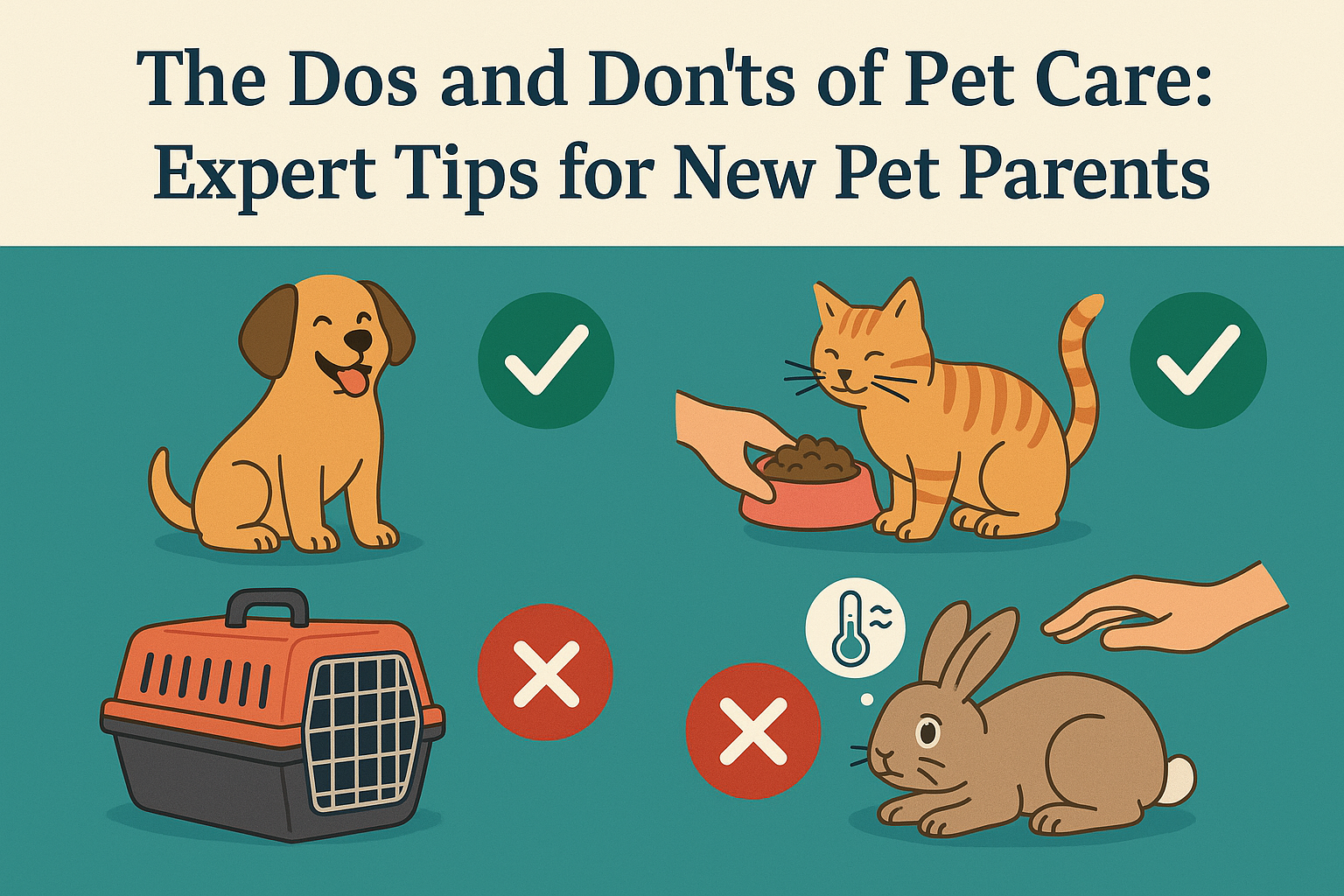
Bringing a pet into your home can be one of the most rewarding experiences of your life. Whether it’s a playful puppy, a curious kitten, or a loyal rabbit, new pet ownership comes with its own set of responsibilities. As a new pet parent, it’s essential to learn the best practices to ensure your furry (or feathery or scaly) friend stays happy and healthy. In this guide, we’ll go through the dos and don’ts of pet care, ensuring you have a solid foundation for pet parenting.
The Dos of Pet Care
1. Do Your Research
Before getting a pet, it’s crucial to understand their specific needs. Each species, and even breeds within species, can have different requirements regarding nutrition, exercise, and mental stimulation.
- Research their dietary needs and food preferences.
- Understand their exercise requirements.
- Learn about health concerns specific to the breed or species.
2. Do Schedule Regular Vet Visits
Routine veterinary care is essential for your pet’s health. Regular check-ups help catch any potential health issues early, ensuring your pet remains in optimal condition.
- Schedule an annual wellness exam.
- Keep up with vaccinations.
- Discuss flea and tick prevention with your vet.
3. Do Provide Proper Nutrition
Feeding your pet a balanced diet is vital. Consult your vet to determine the best food options for your pet’s age, breed, and health conditions.
- Choose high-quality pet food appropriate for their life stage.
- Monitor their weight to prevent obesity.
- Ensure fresh water is always available.
4. Do Offer Plenty of Exercise
Just like humans, pets need regular exercise to maintain their physical and mental health.
- Engage in daily walks or playtime for dogs.
- Provide interactive toys for cats to stimulate their mind.
- Create a safe space for rabbits or other small animals to roam around.
5. Do Provide Mental Stimulation
Mental exercises are just as important as physical ones. Boredom can lead to destructive behaviors.
- Teach your pet new tricks or commands.
- Use puzzle feeders to challenge their minds.
- Rotate toys to keep their interest alive.
6. Do Create a Comfortable Living Environment
Your home should be a safe haven for your pet. Make sure to create an environment that promotes their well-being.
- Provide a comfortable sleeping area.
- Ensure they have access to natural light.
- Pet-proof your home to prevent accidents.
7. Do Socialize Your Pet
Socialization helps your pet develop confidence and reduce anxiety in new situations.
- Expose your pet to different environments, sounds, and people.
- Arrange playdates with other friendly pets.
- Enroll in training classes for dogs and socialize them with various breeds.
The Don’ts of Pet Care
1. Don’t Skip Training
Training is an essential aspect of pet care. It helps establish a bond with your pet and promotes good behavior.
- Set boundaries and consistently enforce them.
- Avoid using harsh punishment; focus on positive reinforcement.
- Don’t leave training until later; start as soon as you bring them home.
2. Don’t Ignore Signs of Illness
Just like humans, pets can experience health issues. Pay attention to any changes in behavior or appearance.
- Watch for changes in appetite or energy levels.
- Be alert for any signs of pain or discomfort.
- Consult your vet if something seems off.
3. Don’t Overfeed Your Pet
Obesity is a common issue in pets, leading to serious health problems.
- Follow feeding recommendations provided by your veterinarian.
- Be aware of portion sizes; use measuring cups if necessary.
- Limit treats and avoid table scraps.
4. Don’t Leave Your Pet Alone for Long Periods
Pets are social creatures that thrive on companionship. Leaving them alone for too long can lead to separation anxiety.
- Consider pet-sitting services if you need to be away.
- Provide toys and enrichment to keep them occupied.
- Try to maintain a consistent routine.
5. Don’t Neglect Grooming
Regular grooming is crucial for your pet’s health and hygiene.
- Brush your pet’s coat regularly to reduce shedding and matting.
- Schedule professional grooming when necessary.
- Check their ears, teeth, and nails regularly for cleanliness.
6. Don’t Use Harmful Products
Some household products can be toxic to pets. Always check labels and be cautious about what you use around them.
- Avoid using harsh cleaning products without consulting your vet.
- Keep human food that is toxic to pets, like chocolate and grapes, out of reach.
- Store medications and chemicals safely out of their access.
7. Don’t Forget About Your Own Well-being
Taking care of a pet can be demanding. It’s essential that you also look after your health and well-being.
- Take breaks and don’t hesitate to seek help when needed.
- Ensure you have time for your own physical and mental health.
- Connect with other pet owners for support and advice.
Conclusion
Being a new pet parent is both exciting and challenging. With the right knowledge, you can create a loving and healthy environment for your furry friend. Remember to do your research, provide proper care, and establish a routine that caters to your pet’s needs. By adhering to these dos and don’ts, you will build a strong bond with your pet and ensure their happiness and well-being. Investing your time and effort into understanding their needs will result in a rewarding companionship that lasts a lifetime.
FAQs
1. How often should I bathe my pet?
The frequency of baths depends on the type of pet and their lifestyle. Generally, dogs may need a bath once a month, while cats groom themselves and may not require regular baths.
2. What should I do if my pet is not eating?
If your pet is refusing food, monitor them for other symptoms. If they continue to refuse food for more than 24 hours, consult your veterinarian.
3. How can I help my pet adjust to a new home?
To help your pet acclimate to their new environment, maintain a consistent routine, provide a quiet space for them to retreat, and give them time to explore their surroundings at their own pace.
4. Is it necessary to spay or neuter my pet?
Spaying or neutering helps control pet overpopulation and can reduce certain health risks in pets. Consult your veterinarian for personalized advice regarding your pet.
5. What are the signs of separation anxiety in pets?
Signs include excessive barking, destructive behavior, or avoidance of food when left alone. If you suspect separation anxiety, consult with a veterinarian for advice on how to manage it.
 PRINCE2030