Stop These 5 Dog Training Mistakes Now for a Happier Pup in 2026
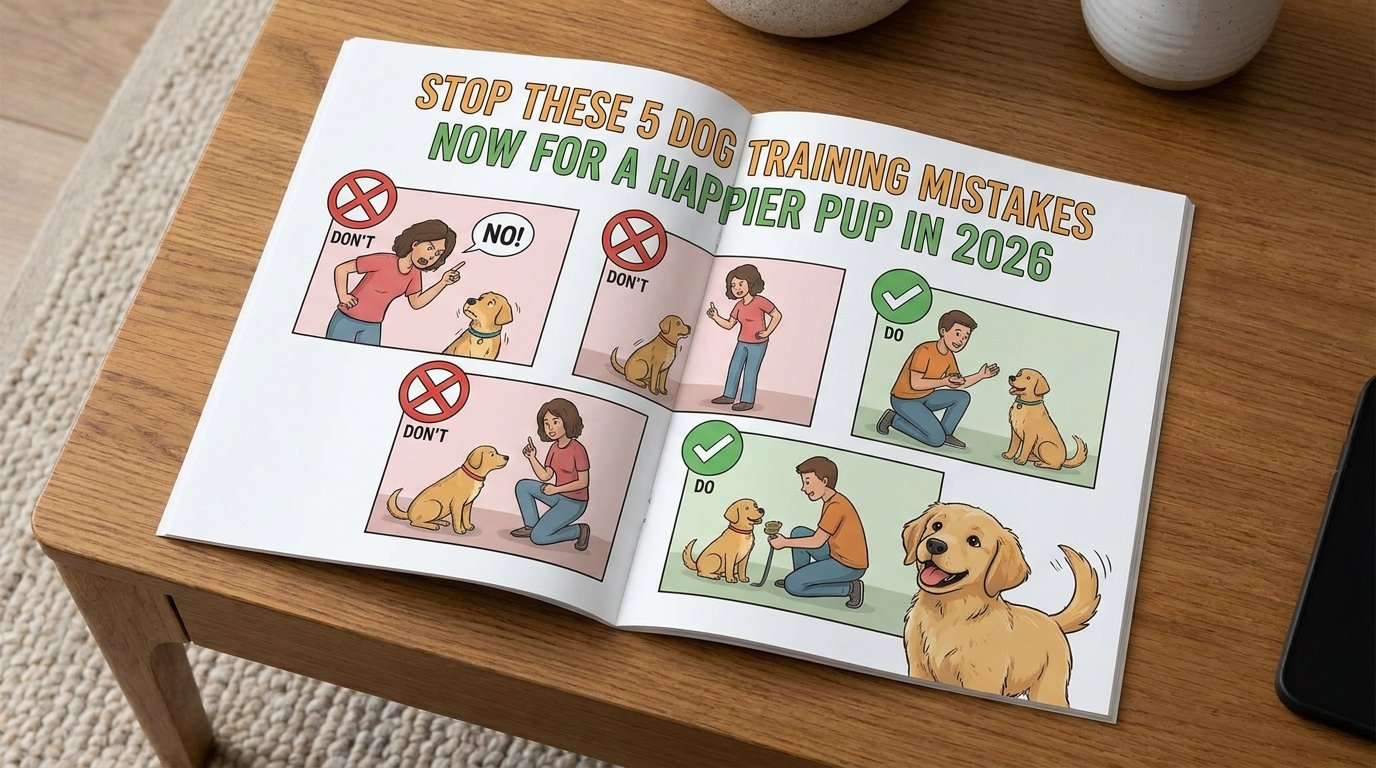
Avoid common dog training mistakes for a happier, well-behaved pup in 2026! Discover 5 critical errors owners make & how to fix them with expert tips.
The wagging tail, the sloppy kisses, the boundless energy – our canine companions bring so much joy into our lives. But even the best intentions can lead to frustration if proper dog training isn’t prioritized. Many dog owners unknowingly fall into common pitfalls that hinder their pup’s progress and create behavioral challenges down the line. To ensure a harmonious household and a well-adjusted dog, it’s crucial to identify and correct these missteps now. By understanding the most prevalent dog training errors, you can set your furry friend up for success, fostering a stronger bond and a happier life together as you head into 2026.
The Peril of Inconsistent Training and Lack of Routine
One of the most common and detrimental dog training mistakes is inconsistency. Dogs thrive on routine and clear expectations. When rules fluctuate, or different family members apply different standards, dogs become confused about what is expected of them. This confusion can manifest as anxiety, disobedience, and a general lack of understanding.
Why Consistency is the Cornerstone of Dog Training
Imagine trying to learn a new language where the rules of grammar constantly change. That’s how inconsistency feels to your dog. For effective dog training, every family member must be on the same page regarding commands, boundaries, and rewards. This includes simple things like whether the dog is allowed on the furniture or if begging at the dinner table is permitted.
A unified approach ensures that your dog receives consistent feedback, reinforcing desired behaviors more quickly and reliably. Consistency builds trust and predictability, making your dog feel secure in their environment and clearer about their role within the family structure. It is fundamental to any successful dog training regimen.
Crafting an Effective Daily Routine
Establishing a predictable daily routine can significantly reduce behavioral issues. Dogs, like humans, benefit from knowing what to expect throughout their day. This routine should encompass feeding times, potty breaks, exercise, playtime, and training sessions.
A well-structured routine helps your dog anticipate activities, reducing anxiety and making them more receptive to learning. For example, consistent potty breaks teach your dog where and when to relieve themselves, a critical component of house training. Even small changes in your daily schedule can have a big impact on your dog’s behavior.
Tools for Maintaining Consistency in Dog Training
Leveraging modern tools can greatly assist in maintaining the consistency vital for effective dog training. These tools range from simple clickers to more advanced smart devices designed to help manage feeding schedules or provide mental stimulation. Integrating these into your routine can reinforce positive behaviors even when you’re not actively engaged in a training session.
Using aids like automatic feeders ensures meal times are always punctual, preventing begging or anxiety around food. Training apps can remind you of daily practice sessions, helping you stick to a schedule. These technologies can be invaluable resources in your ongoing dog training efforts.
Comparison of Dog Training & Routine Aids
| Product | Price | Pros | Cons | Best For |
|---|---|---|---|---|
| PetSafe Smart Feed Automatic Feeder | $150 | Automates meal times, customizable portions, app control | Can be complex to set up initially | Owners needing strict feeding schedules |
| Mighty Paw Treat Pouch | $25 | Easy access to treats, durable, hands-free design | Treats can dry out if left too long | On-the-go positive reinforcement training |
| KONG Classic Dog Toy | $15 | Provides mental stimulation, durable for chewers, treat-dispensing | Requires owner to fill with treats | Dogs needing enrichment and chew redirection |
| DOG Clicker Training Kit | $10 | Simple, effective for marking desired behavior, affordable | Requires consistent use to be effective | Beginners in positive reinforcement dog training |
Mistake #2: Relying on Punishment Over Positive Reinforcement
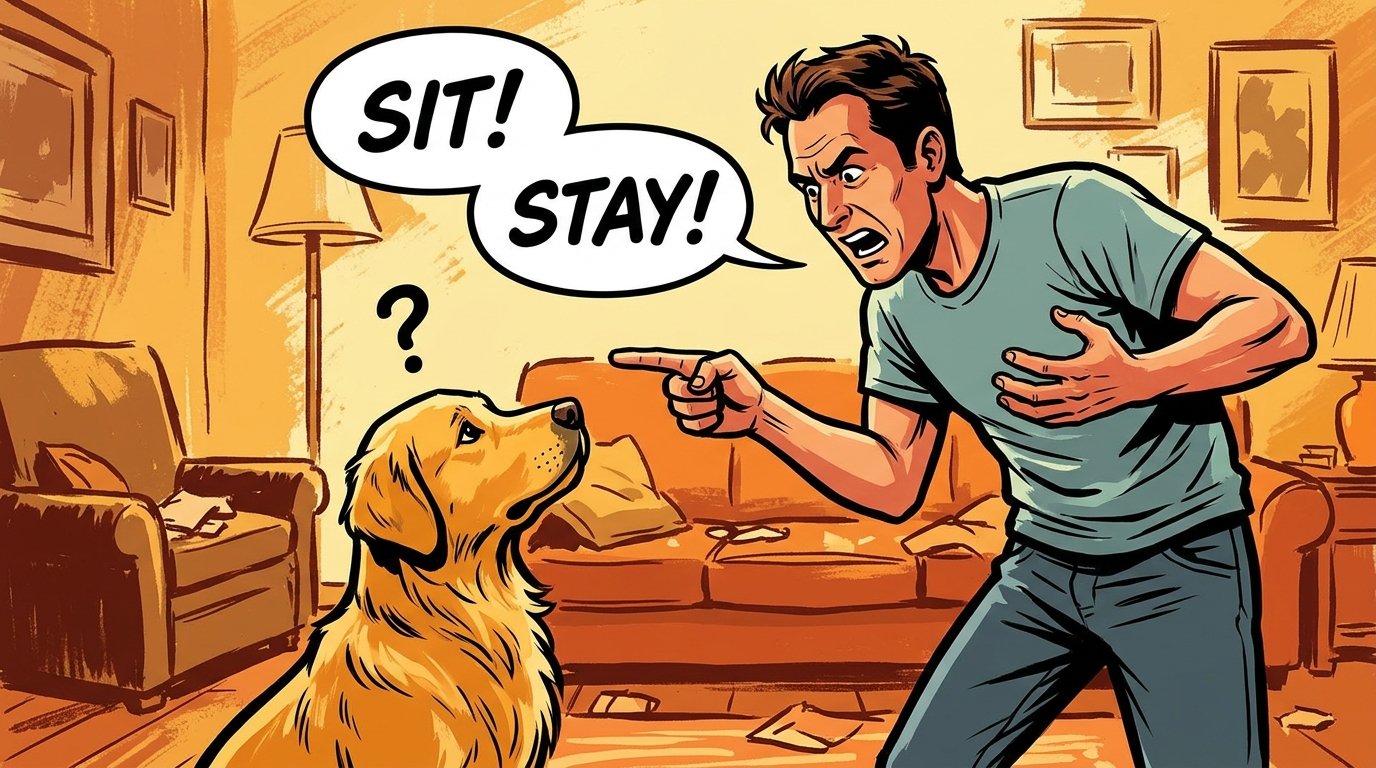
Many owners, often out of frustration or a misunderstanding of canine behavior, resort to punishment-based dog training methods. This approach typically involves scolding, physical corrections, or using fear to suppress unwanted behaviors. While punishment might seemingly stop a behavior in the short term, it rarely addresses the root cause and can have severe negative consequences for your dog’s well-being and your relationship.
Understanding the Science of Positive Reinforcement
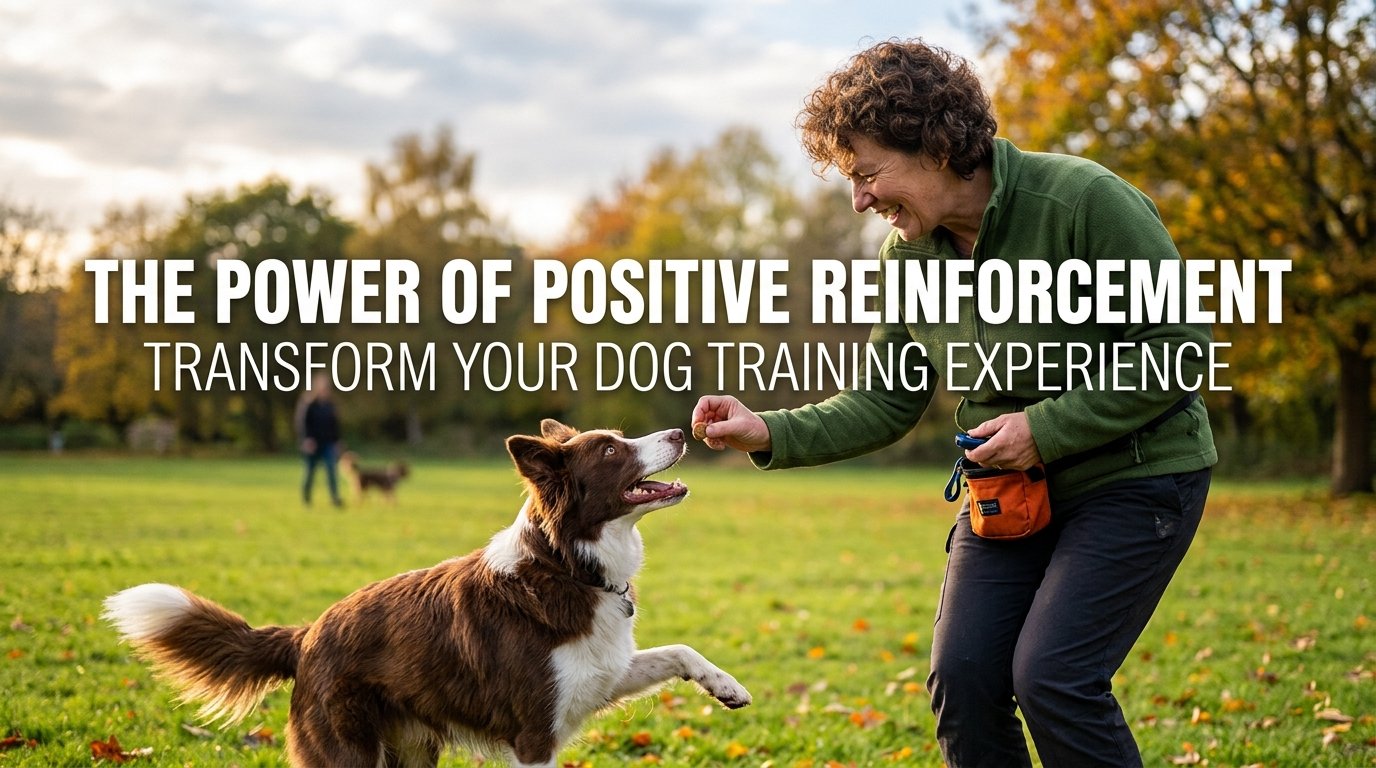
Positive reinforcement is the cornerstone of modern, humane, and effective dog training. It involves adding something desirable (like a treat, praise, or a favorite toy) immediately after your dog performs a desired action. This makes the dog more likely to repeat that behavior in the future because they associate it with a positive outcome. The science is clear: behaviors that are rewarded tend to be repeated.
This method builds a dog’s confidence and willingness to learn, fostering a cooperative and trusting relationship between pet and owner. It teaches the dog what *to do* rather than what *not to do*, leading to a clearer understanding of expectations. Effective dog training hinges on this principle.
The Harmful Impact of Punishment-Based Methods
Punishment, whether verbal or physical, can instill fear and anxiety in your dog. It can damage the bond you share, making your dog apprehensive of you and less likely to engage in training. Instead of learning, dogs subjected to punishment often become confused, withdrawn, or, worse, aggressive. They may learn to fear the consequences of a specific action rather than understanding the correct behavior.
For example, punishing a dog for barking might suppress the barking in your presence, but the dog might still bark when you’re away. The underlying reason for the barking (e.g., boredom, anxiety) is never addressed. Punishment-based dog training can also lead to learned helplessness, where a dog simply gives up trying to offer behaviors because they are afraid of making a mistake.
Implementing Effective Positive Reinforcement Techniques
To successfully use positive reinforcement in your dog training, timing is crucial. The reward must be delivered within 1-3 seconds of the desired behavior so your dog can make a clear association. Keep training sessions short, fun, and engaging to maintain your dog’s attention and motivation.
– Use high-value treats: Small, soft, and smelly treats often work best.
– Vary your rewards: Don’t just use food; praise, toys, and petting are also valuable.
– Mark the behavior: Use a verbal marker (“Yes!”) or a clicker at the exact moment your dog performs the desired action, then follow immediately with a reward.
– Practice in different environments: Once a behavior is learned in a quiet setting, gradually introduce distractions to generalize the learning.
– Start simple and build complexity: Break down commands into small, achievable steps.
Mistake #3: Neglecting Early and Ongoing Socialization
Many dog owners underestimate the critical importance of socialization, often confusing it with simply letting their dog play with other dogs. True socialization is a broader process of exposing your puppy or adult dog to a wide variety of positive experiences, people, places, sounds, and other animals in a controlled and safe manner. Failure to do so can lead to fear, anxiety, and aggression towards novel situations or individuals.
The Critical Window for Puppy Socialization
For puppies, there’s a crucial socialization window between 3 and 16 weeks of age. During this time, puppies are most open to new experiences and form lasting impressions. Positive exposure during this period can shape a well-adjusted, confident adult dog. Miss this window, and it becomes significantly harder to introduce new things without fear or apprehension.
Responsible breeders and rescuers often begin this process, but it’s vital for new owners to continue it diligently. These early experiences lay the groundwork for all future dog training and behavior.
Consequences of Insufficient Social Exposure
Dogs that are not properly socialized may develop behavioral problems later in life, including:
– Fear-based aggression: Snapping or biting due to being overwhelmed by new people or environments.
– Extreme shyness or withdrawal: Hiding or shutting down when encountering strangers or unfamiliar situations.
– Leash reactivity: Barking, lunging, or growling at other dogs or people during walks.
– Separation anxiety: Inability to cope with being left alone, often due to a lack of independence training.
– Difficulty adapting: Struggling with vet visits, grooming, or changes in routine.
These issues not only diminish a dog’s quality of life but also make daily management and advanced dog training much more challenging.
Safe and Effective Socialization Strategies
Socialization should always be a positive and low-stress experience. Never force your dog into a situation where they appear uncomfortable or fearful. Instead, introduce new stimuli gradually and pair them with positive reinforcement.
– Controlled exposure: Take your puppy to quiet parks, pet-friendly stores, or watch the world go by from a distance.
– Meet different people: Expose your dog to people of all ages, sizes, and appearances (wearing hats, glasses, etc.), always ensuring gentle, positive interactions.
– Introduce new sounds: Play recordings of everyday noises (traffic, sirens, babies crying) at a low volume, increasing gradually as your dog remains comfortable.
– Supervised playdates: Arrange controlled interactions with calm, vaccinated, and well-socialized adult dogs.
– Puppy classes: Enroll in reputable puppy socialization classes that prioritize positive experiences and provide opportunities for safe interaction.
Remember, socialization is not a one-time event; it’s an ongoing process throughout your dog’s life to maintain their confidence and adaptability.
Mistake #4: Misinterpreting Your Dog’s Communication Signals
Dogs are constantly communicating with us, primarily through their body language, vocalizations, and subtle cues. A major dog training mistake many owners make is failing to understand or misinterpreting these signals. This can lead to frustration on both sides, as the dog’s attempts to communicate are missed, and the owner inadvertently reinforces unwanted behaviors or escalates stressful situations.
Learning Your Dog’s Body Language
To be an effective dog trainer, you must become fluent in “dog speak.” Pay attention to the position of their ears, tail, mouth, eyes, and overall body posture. These provide a wealth of information about their emotional state.
– Tail position: A high, wagging tail might indicate excitement, but a low, tucked tail signals fear. A stiff, held-high tail can indicate arousal or potential aggression.
– Ears: Forward and alert ears suggest interest, while flattened ears typically mean fear or submission.
– Eyes: Soft, blinking eyes indicate comfort, whereas wide, staring eyes or showing the whites (whale eye) can signal stress or threat.
– Mouth: A relaxed, slightly open mouth often means happiness, but a closed mouth, lip licking, yawning, or showing teeth (a snarl) convey discomfort or aggression.
– Body posture: A playful bow indicates play, while a stiff, frozen stance can signal an impending aggressive act.
Common Misinterpretations and Their Impact on Dog Training
Misinterpreting these signals can lead to significant problems. For instance, an owner might think a dog’s “guilty” look after an accident is remorse, when in fact, the dog is showing appeasement signals (lowered head, averted gaze) in response to the owner’s angry tone. This misinterpretation teaches the dog to fear the owner’s reaction rather than understand the “crime.”
Another common mistake is believing a dog is being “dominant” when they are actually fearful or insecure. Trying to “dominate” a fearful dog will only increase their anxiety and potentially provoke defensive aggression. Effective dog training requires understanding the underlying emotion, not just the outward behavior.
Building a Deeper Connection Through Understanding
By learning to accurately read your dog’s body language, you can respond appropriately to their needs and emotions. This enhances your dog training efforts because you can prevent escalation of negative behaviors and foster a stronger, more trusting relationship.
– Respond to stress signals: If your dog is showing signs of stress (lip licking, yawning, head turning), remove them from the situation or give them space.
– Reinforce positive communication: When your dog offers a calm or relaxed posture, acknowledge it with praise or a gentle pet.
– Observe interactions: Watch your dog interact with other dogs and people. What signals do they send? How do others respond? This practice refines your observational skills.
– Empathy, not anthropomorphism: While it’s natural to project human emotions onto our pets, strive to understand their perspective as a canine, based on their natural instincts and communication methods.
Mistake #5: Expecting Instant Results and Giving Up Too Soon
Patience is arguably the most crucial virtue in dog training. Many owners enter the process with unrealistic expectations, believing their dog should master commands in a few sessions or quickly overcome deeply ingrained habits. When immediate perfection isn’t achieved, frustration sets in, leading to owners giving up prematurely. This lack of perseverance is a significant dog training mistake that undermines all previous efforts.
The Importance of Patience and Persistence
Dog training is a journey, not a destination. Every dog learns at their own pace, and factors like breed, age, previous experiences, and individual personality all play a role. What takes one dog a few days to grasp might take another several weeks or even months. Consistency, as discussed earlier, is vital, but so is the unwavering commitment to keep trying, even when progress feels slow.
Persistence means breaking down complex behaviors into smaller steps and celebrating every tiny success. It also means revisiting previously learned commands to ensure retention and proofing behaviors in various environments. A patient approach ensures that learning is thorough and lasting, making it a key component of successful dog training.
Setting Realistic Expectations for Your Dog’s Progress
Setting realistic goals prevents burnout and frustration. Understand that:
– Dogs are not robots: They have good days and bad days, just like humans.
– Learning is incremental: Don’t expect perfection overnight. Celebrate approximations of the desired behavior.
– Age matters: Puppies have shorter attention spans, while older dogs might have established habits that take longer to change.
– Distractions are challenging: A dog that performs perfectly in your living room might struggle at a busy park. This is normal and requires continued practice.
– Not all behaviors are “fixable” quickly: Deep-seated fears or aggressive tendencies require professional intervention and long-term management, not just quick fixes.
Your dog is trying their best, and your patience and understanding will motivate them more than any punishment.
When to Seek Professional Dog Training Help
While individual effort is essential, there are times when seeking professional dog training assistance is not just beneficial but necessary. Don’t view reaching out to an expert as a failure, but rather as an investment in your dog’s well-being and your peace of mind.
Consider professional help if:
– You are struggling with complex behavioral issues like aggression, severe anxiety, or phobias.
– Your dog’s behavior poses a safety risk to themselves or others.
– You’ve tried various methods without success, despite consistent effort.
– You feel overwhelmed or unsure of the next steps.
– You want to advance your dog’s skills beyond basic obedience.
A certified professional dog trainer, behaviorist, or veterinary behaviorist can provide tailored strategies, identify underlying causes of behavior, and guide you through challenges with expertise. They can offer insights that significantly enhance your dog training journey and help you build an even stronger bond with your companion.
By avoiding these five common dog training mistakes, you’re not just correcting errors; you’re actively building a foundation for a happier, healthier relationship with your beloved canine. Understanding consistency, embracing positive reinforcement, prioritizing socialization, learning canine communication, and exercising patience are the pillars of effective dog ownership. Implement these changes today, and watch your pup flourish into the well-adjusted, joyful companion you both deserve in 2026 and beyond.
For more insights or collaboration opportunities, visit www.agentcircle.ai.
Frequently Asked Questions (FAQ)
Q: How long does it typically take to train a dog?
A: The timeline for dog training varies greatly depending on the dog’s age, breed, individual temperament, the specific behaviors being taught, and the consistency of the training. Basic obedience might take a few weeks to several months, while addressing complex behavioral issues can be an ongoing process.
Q: Is it ever too late to start dog training?
A: No, it’s never too late to start dog training! While puppies have a critical socialization window, adult and senior dogs can absolutely learn new behaviors and change existing habits. The key is patience, consistency, and using appropriate, positive reinforcement methods tailored to their age and abilities.
Q: What is the most important command to teach my dog?
A: While all basic commands are important, “come” (recall) is often considered the most crucial for safety. A reliable recall can prevent your dog from running into dangerous situations, getting lost, or encountering harm.
Q: Should I use treats for every training session?
A: In the initial stages of learning a new behavior, using treats (or other high-value rewards) frequently is highly effective. As your dog masters the behavior, you can gradually reduce the frequency of treats, transitioning to an intermittent reward schedule and incorporating praise, toys, or life rewards (like access to a favorite spot) to maintain motivation.
Q: How do I choose a good dog trainer?
A: Look for trainers who use positive reinforcement, are certified by reputable organizations (e.g., CCPDT, KPA, IAABC), and have experience with your specific needs. Ask for references, observe a class or session, and ensure their philosophy aligns with humane and ethical training practices.