The Ultimate Guide to Socializing Your Dog: Tips for Meeting New Friends
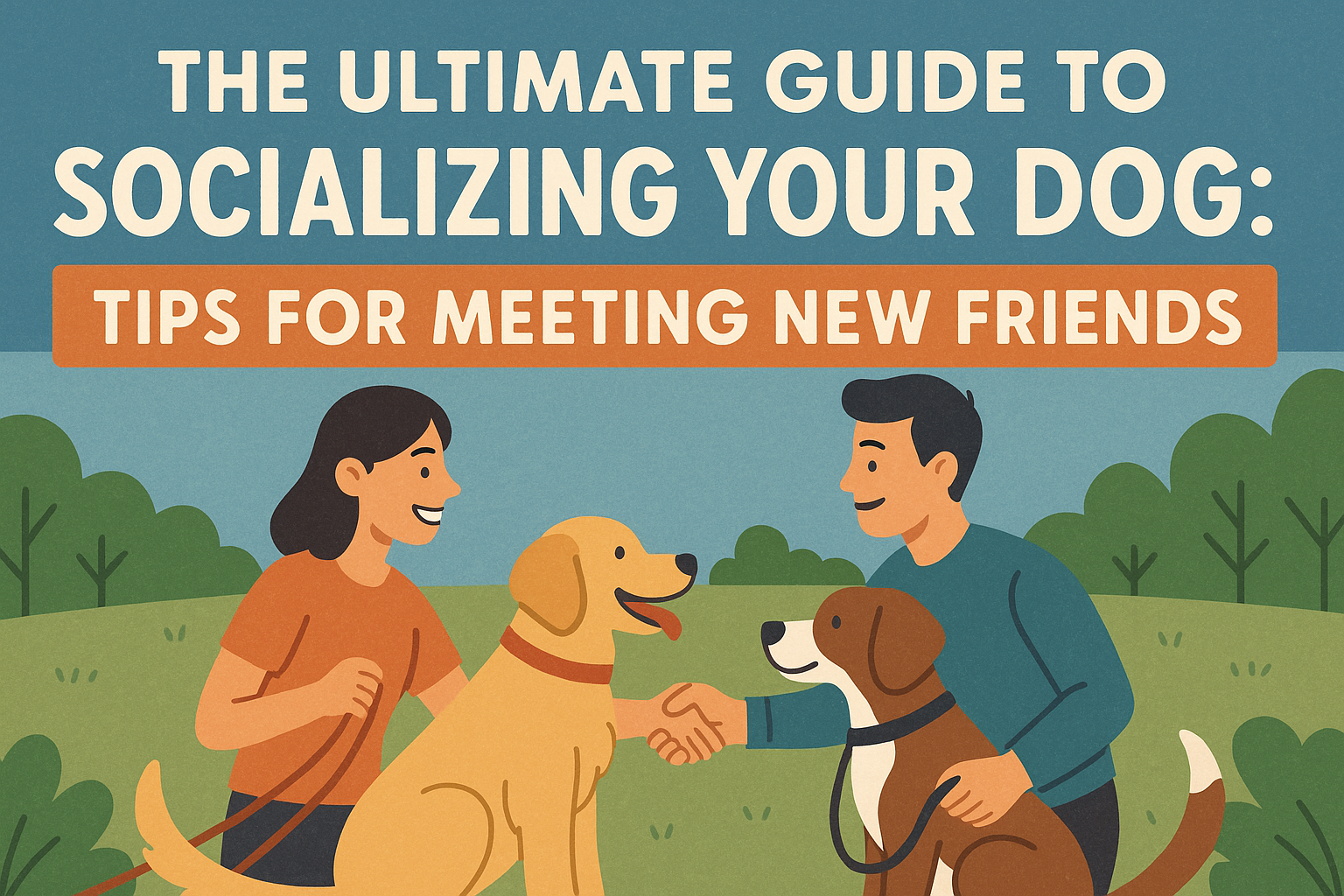
Socializing your dog is crucial for their overall well-being and for building a healthy relationship between you and your furry friend. Without proper socialization, dogs can develop behavioral issues, including anxiety, aggression, or extreme fear around unfamiliar people or other pets. This guide will explore the best strategies to help your dog make new friends, explore their environment, and experience a fulfilling life.
Understanding Dog Socialization
Socialization refers to the process of exposing your dog to various environments, people, and other animals in a positive manner. This helps your dog to learn how to interact appropriately and reduces the likelihood of fear or aggression. Here are a few essential elements of socialization:
- Age Matters: The critical period for socialization occurs between 3 to 14 weeks of age. Puppies who experience positive interactions during this time are less likely to develop behavioral problems.
- Continued Exposure: Socialization doesn’t stop after puppyhood. Adult dogs also benefit from continued exposure to new experiences throughout their lives.
- Positive Associations: All interactions should be positive; if a dog experiences fear or trauma during socialization, it could lead to lasting negative behaviors.
Steps to Socialize Your Dog
The following steps provide a comprehensive approach to socializing your dog effectively:
1. Start Early
If you have a puppy, begin socialization as early as possible. Early exposure to a variety of people, environments, and other animals in a controlled and positive manner is essential.
2. Use Positive Reinforcement
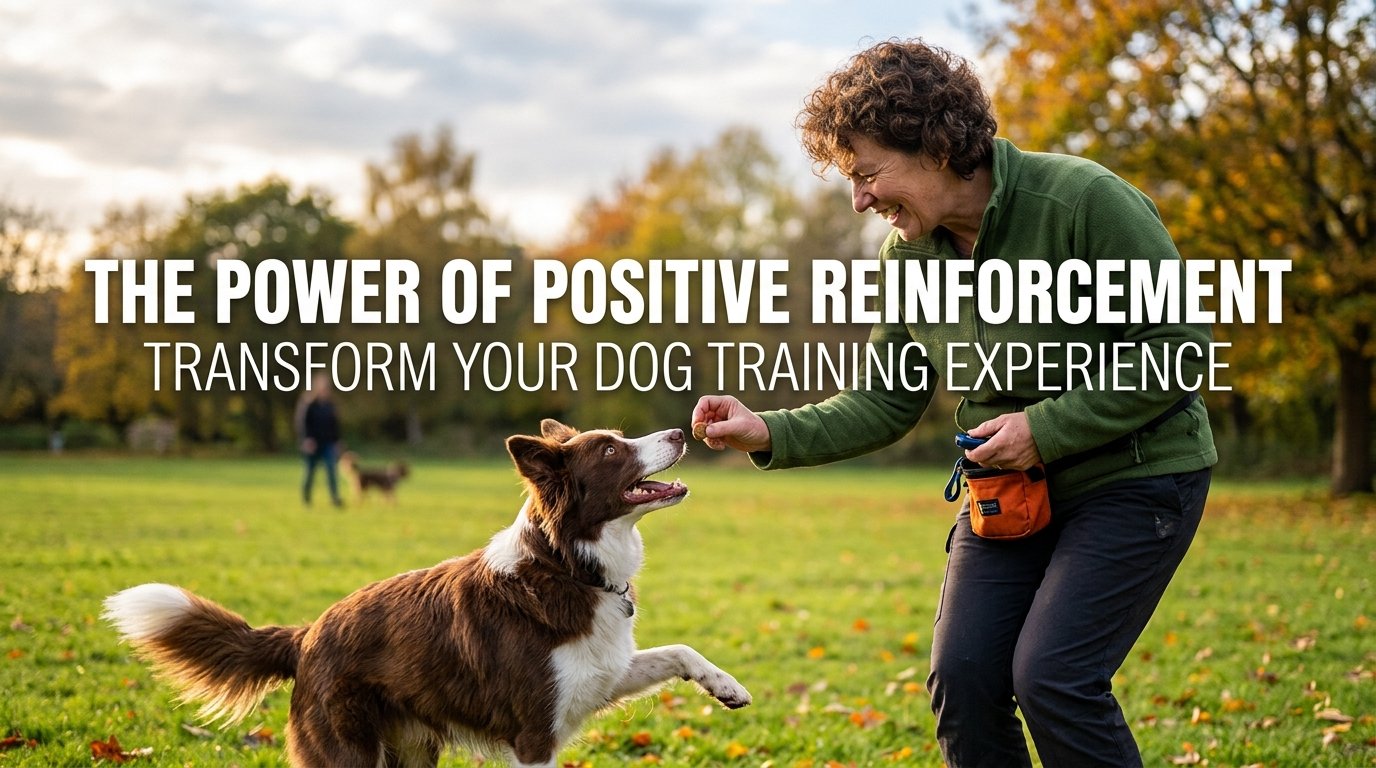
Encourage good behavior through positive reinforcement. Use treats, praise, and play to reward your dog for being friendly and relaxed. This establishes positive associations with new experiences.
3. Introduce New People Gradually
When introducing your dog to new people, make sure it is done gradually. Start with calm, dog-friendly individuals who can kneel down and let your dog approach them. This takes the pressure off and allows your dog to feel safe.
4. Explore Different Environments
Take your dog to different locations, such as parks, pet stores, or dog-friendly cafes. Allow them to explore new smells, sounds, and sights. Ensure that the environment is low-stress and that you monitor your dog’s comfort level.
5. Enroll in Obedience Classes
Obedience classes not only help your dog learn basic commands but also serve as an excellent opportunity for them to socialize with other dogs and people. Look for a trainer who uses positive reinforcement techniques.
6. Organize Playdates
Set up playdates with other dogs you know are well-behaved. Before any planned playdate, ensure your dog is comfortable around the other dog, and supervise the interaction.
7. Visit Dog Parks
Dog parks can be a great way for your dog to socialize with many other dogs. However, it’s essential to evaluate the park conditions first. Go during quieter times to ensure a manageable experience for your dog.
8. Watch for Signs of Stress
Always watch for signs of stress or fear in your dog. If your dog shows signs such as excessive barking, whining, hiding, or aggression, it may be best to remove them from the situation. Gradual exposure is key.
Types of Socialization
Socializing your dog can be broken down into a few different types:
1. Human Socialization
Human socialization involves exposure to various people, from children to the elderly and diverse body types. This helps your dog become friendly and comfortable around all individuals.
2. Dog Socialization
Dog socialization is equally important. Enabling your dog to meet both familiar and unfamiliar dogs in a controlled setting can foster healthy interactions.
3. Environmental Socialization
Expose your dog to different environments such as urban areas, busy streets, and nature trails. This diversifies their experience and helps them learn how to behave in different situations.
Creating Positive Experiences
Creating positive experiences is vital for the successful socialization of your dog. Here are some practical tips:
- Use treats wisely: Treats can be a strong motivator for your dog. Use them to reward calm behavior during socialization activities.
- Avoid overwhelming exposure: Instead of introducing your dog to a crowd of unfamiliar people all at once, introduce them to one new person at a time.
- Keep experiences short: Limit the duration of socialization activities, especially initially. Short, frequent positive interactions are more beneficial.
- Maintain a calm demeanor: Dogs are excellent at picking up on human emotions. Stay calm and upbeat; your energy can help them feel secure.
The Role of Play in Socialization
Play is an essential part of the socialization process for dogs. Here’s how play can facilitate positive interactions:
1. Encourages Natural Behaviors
Play encourages dogs to engage in natural behaviors such as chasing, chasing, and bonding. This helps them learn how to establish and maintain relationships.
2. Teaches Communication Skills
Through play, dogs develop communication skills with other dogs. They learn how to read body language and signals, teaching them how to interact appropriately.
3. Builds Confidence
Engaging in play with other dogs can help build confidence in your dog, as they learn the dynamics of play and how to navigate interactions with others.
Common Challenges in Dog Socialization
While socializing your dog is rewarding, it can come with its set of challenges:
1. Fearfulness
Some dogs may be naturally more timid. If your dog shows fear, take a step back and proceed at their pace. Forcing interactions can increase their anxiety.
2. Aggression
If aggression is displayed, consult a professional dog trainer to address the behavior. It is essential to address aggression properly to ensure the safety of all involved.
3. Reactivity
Reactivity towards certain stimuli is not uncommon. Determine what triggers your dog, and help them learn to manage their reactions through training and desensitization.
When to Seek Professional Help
In some cases, socialization issues may be beyond an owner’s ability to manage. Here are a few indicators that it may be best to seek professional guidance:
- Your dog displays consistent aggressive behavior towards other dogs or people.
- Your dog becomes extremely anxious in new situations, to the point it affects their quality of life.
- You are unsure how to handle your dog’s specific behavioral issues regarding social interactions.
Conclusion
Socializing your dog is vital for their happiness and well-being, as well as for the safety and enjoyment of your shared life. By starting early, using positive reinforcement, and giving your dog variety in their experiences, you can help them become well-adjusted and friendly. Remember that every dog is an individual and will progress at their own pace, so patience and understanding are key. Above all, make it a fun and rewarding process for both you and your furry friend!
FAQs
1. How long should socialization last?
Socialization is an ongoing process. Start in puppyhood and continue throughout your dog’s life to maintain their social skills.
2. Is it too late to socialize an adult dog?
No, it’s never too late! Adult dogs can still learn to socialize, but it might take more time and patience than with puppies.
3. What if my dog is aggressive toward other dogs?
If your dog shows aggression, consult a professional trainer or a dog behaviorist to develop an appropriate plan for socialization.
4. How do I know if my dog is comfortable?
Watch your dog’s body language. Relaxed posture, a wagging tail, and a playful demeanor generally indicate comfort. Signs of stress include growling, backing away, or a tight body posture.
5. Can socialization help with anxiety?
Yes! Positive socialization experiences can greatly reduce anxiety as your dog learns to cope with new situations and environments.