
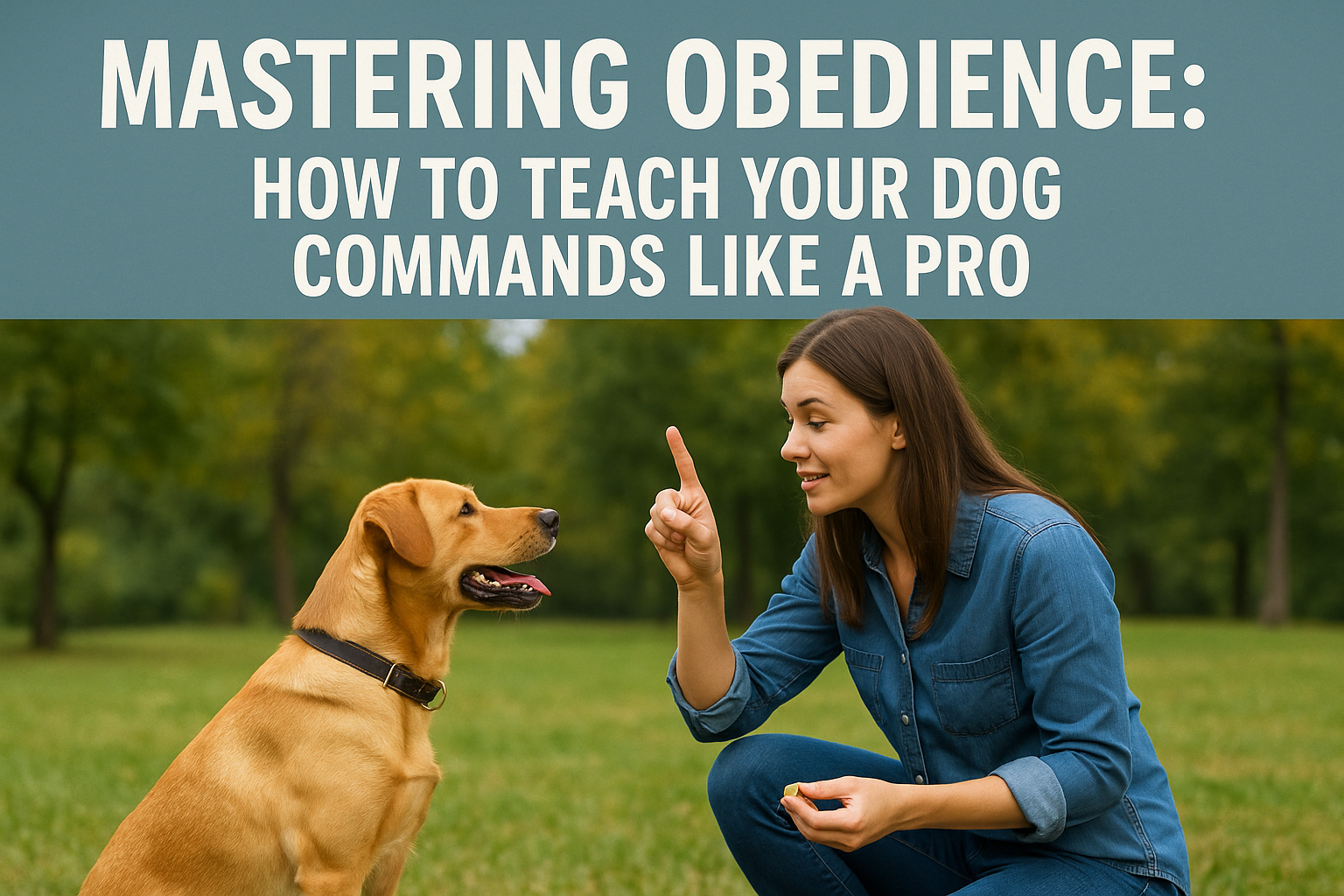
Dogs are not just pets; they are companions, protectors, and members of our family. Training your dog to obey commands is crucial for good behavior and a harmonious relationship. In this guide, we will explore effective techniques to help you teach your dog commands like a pro.
Understanding Your Dog’s Behavior
Before diving into training, it’s essential to understand why dogs behave the way they do. Dogs communicate through body language and sounds, and their behavior can often give us insight into their feelings and motivations. Recognizing these cues will help you become a more effective trainer.
Common reasons dogs might not obey include:
- Distraction: Dogs are easily distracted by their environment.
- Lack of interest: Your dog may not see the value in obeying the command.
- Fear or anxiety: A negative past experience may cause hesitance to follow commands.
Essentials of Dog Training
Setting the Right Environment
The training environment should be calm and free from distractions. Begin in a quiet space and gradually introduce your dog to busier environments as they become more proficient in obeying commands. A suitable environment can include your home, a backyard, or a quiet park.
Tools You Will Need
- Leash and collar: To maintain control during training.
- Treats: Use small, tasty rewards to encourage good behavior.
- Toys: Some dogs respond well to play as a reward.
- Clicker: If you choose clicker training, a clicker can help reinforce positive actions.
Basic Commands to Teach Your Dog
1. Sit
Teaching the “sit” command is often the first step in training. Here’s how to do it:
- Hold a treat close to your dog’s nose.
- Move your hand up, allowing their head to follow the treat. This will cause their bottom to lower.
- Once they are in a sitting position, say “sit,” give them the treat, and offer praise.
2. Stay
The “stay” command is crucial for keeping your dog safe. Follow these steps:
- Ask your dog to sit.
- Open your palm in front of you and say “stay.”
- Back away a few steps. If they stay, return and reward them. Gradually increase the distance.
3. Come
Teaching “come” can be lifesaving. Do this:
- Put your dog on a leash and let them wander a short distance.
- Call their name followed by “come.” Use an excited tone.
- When they come, reward them with a treat and praise.
4. Down
The “down” command helps keep your dog calm. Here’s how:
- Start with your dog in a sitting position.
- Hold a treat close to their nose and move your hand down to the ground.
- As they follow the treat down, say “down” and reward them once they are lying down.
5. Leave It
This command is important for your dog’s safety. To teach it:
- Place a treat in both hands.
- Show your dog one treat and say “leave it.”
- Close your fist around the treat when your dog tries to take it.
- Once they stop trying, reward them with the other treat.
Advanced Commands
1. Roll Over
This trick can impress friends and family:
- Start with your dog in a down position.
- Hold a treat near their nose and move it towards their shoulder to encourage them to roll.
- As they roll, say “roll over” and reward them.
2. Shake Hands
To teach your dog to shake:
- Ask your dog to sit.
- Lift their paw with your hand while saying “shake.”
- Reward them when their paw is in your hand.
3. Play Dead
If you want to teach your dog to “play dead”:
- Start with your dog in the down position.
- Gently roll them onto their side while saying “bang” or “play dead.”
- Reward them when they stay in position.
Tips for Successful Training
Every dog learns differently. Here are some tips to ensure successful training:
- Be patient: Training takes time, and every dog learns at their own pace.
- Consistency is key: Use the same words and gestures each time for commands.
- Short sessions: Keep training sessions brief (10-15 minutes) to maintain your dog’s interest.
- Positive reinforcement: Always reward good behavior with praise, treats, or games.
- End on a positive note: Conclude sessions with a successful command so your dog feels accomplished.
Common Mistakes to Avoid
- Inconsistency: Changing commands or rewards can confuse your dog.
- Negative reinforcement: Avoid scolding your dog; focus on positive behaviors instead.
- Ignoring distractions: Training in a place with distractions can make it difficult for your dog to learn.
Conclusion
Training your dog to obey commands is not only about teaching them tricks but also about creating a bond and building trust. By utilizing the techniques outlined in this article, you can systematically teach your dog a variety of commands. Remember to be patient and consistent, and celebrate the small victories along the way. A well-trained dog is a happy dog, and the time you invest in training will pay off in obedience and companionship.
Frequently Asked Questions (FAQs)
1. How long does it take to train a dog to follow commands?
The time it takes for a dog to learn commands varies by breed, age, and the owner’s training approach. On average, a dog may start to learn a command within a few days to a few weeks.
2. What is the best age to start training my dog?
It’s recommended to start basic training as early as 7-8 weeks of age. However, older dogs can learn just as effectively, so it’s never too late to start training.
3. How do I correct my dog’s behavior when they fail to obey?
Instead of punishing your dog, redirect their focus or try a different approach when they fail to obey. Reinforce commands with positive reinforcement when they succeed, rather than focusing on the failure.
4. Can all dogs learn commands, regardless of their breed?
Yes, all dogs can learn commands, although some breeds may be more naturally inclined to respond and learn quicker than others. Individual temperament and personality play crucial roles in the learning process.
5. Is it necessary to attend professional training classes?
Attending professional training classes can be helpful, especially for first-time dog owners. However, many people successfully train their dogs using resources available online and through books. Choose what works best for you and your dog.