Bridging the Gap: Technology Innovations Enhancing Animal Health Nutrition
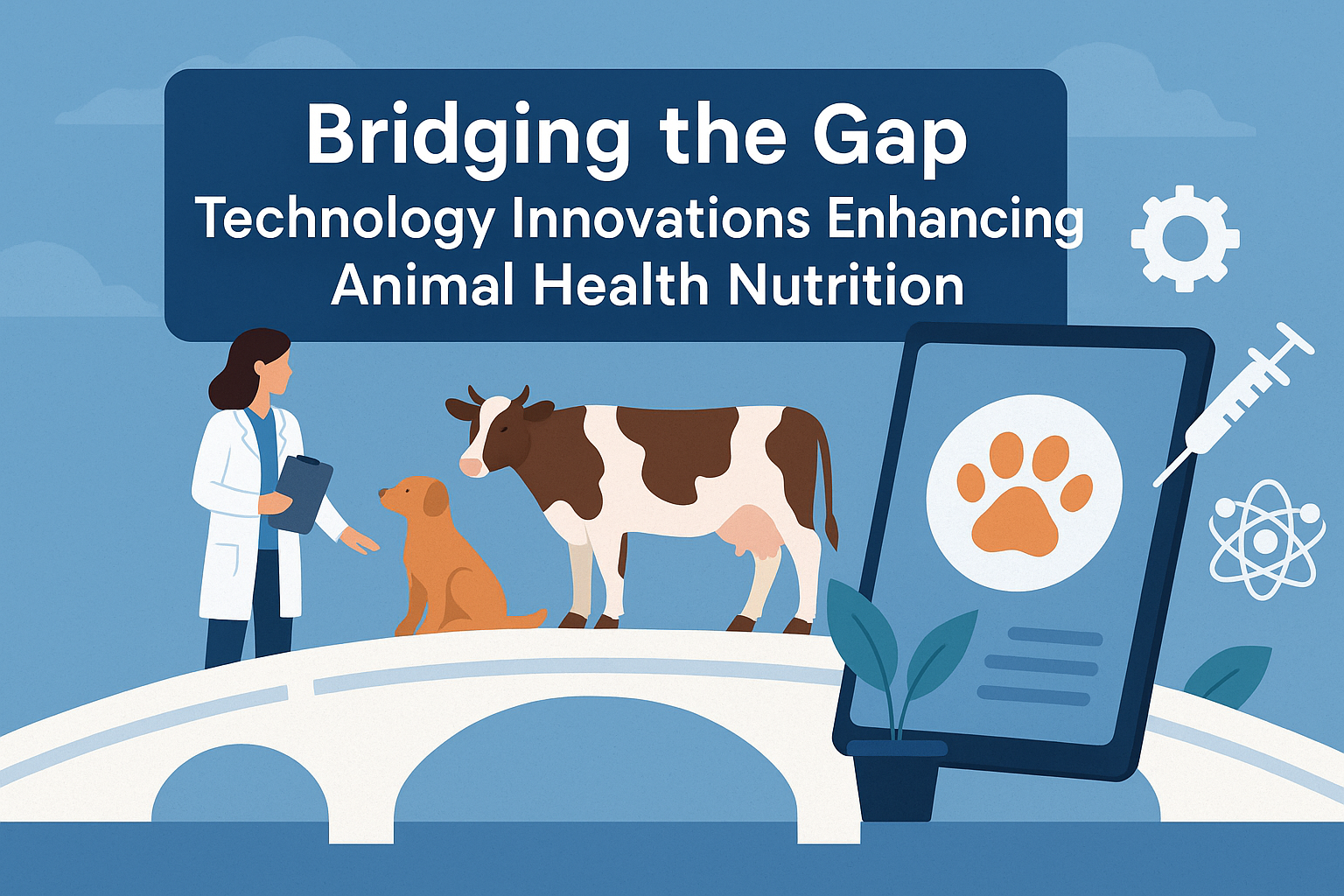
The global agricultural landscape is evolving rapidly, driven by technological innovations intended to enhance animal health and nutrition. Traditional farming methods are being redefined by advancements that promise better outcomes for livestock and pets alike. This article delves into how technology is reshaping animal health nutrition, discusses the innovations leading this change, and explores the implications for farmers, pet owners, and the broader agricultural industry.
The Importance of Animal Health Nutrition
Animal health nutrition is crucial for maintaining the well-being of livestock and pets. A balanced diet not only contributes to higher productivity in farm animals but also affects their overall health, immunity, reproductive performance, and longevity. In today’s global market, where demand for meat, dairy, and eggs continues to rise, ensuring optimal nutrition has become more critical than ever.
However, achieving ideal nutrition can be challenging. Factors such as feed quality, nutrient availability, and specific dietary requirements for different species need consideration. Historically, farmers relied on experience and traditional practices to address these needs, but that approach is becoming less reliable as the industry faces new challenges.
Challenges in Animal Health Nutrition
The agriculture sector is currently confronted with several significant challenges:
- Climate Change: Extreme weather patterns can affect crop yields and feed availability.
- Regulatory Pressures: Increased regulations regarding food safety and environmental sustainability are changing how feed is produced and utilized.
- Evolving Consumer Demands: There is a growing demand for transparency, sustainability, and humane treatment in animal agriculture.
- Antibiotic Resistance: Overuse of antibiotics in animal feed has led to increased resistance, necessitating alternative solutions for health management.
Technology Innovations in Animal Health Nutrition
In response to these challenges, a plethora of technological innovations are being adopted in the realm of animal health nutrition. Here are some key areas where technology is making significant contributions:
1. Precision Nutrition
Precision nutrition takes into account the specific dietary requirements of individual animals or groups, based on factors such as age, weight, health status, and production goals. Advances in data analysis and animal tracking technologies allow farmers to provide tailored nutrition plans. Wearable devices and smart collars monitor the animals’ health and activity levels, providing real-time data that can inform dietary adjustments.
2. Feed Formulation Software
Modern feed formulation software enables farmers and nutritionists to create balanced diets that meet the nutritional needs of their animals while minimizing costs. These programs analyze various feed ingredients, their nutrient profiles, and cost-effectiveness, allowing for optimal nutrient delivery. This innovation not only improves animal health but also enhances feed efficiency.
3. Nutrigenomics
Nutrigenomics, the study of how nutrition affects gene expression, is emerging as a considerable area of research in animal nutrition. By understanding individual genetic profiles, farmers can make more informed decisions about dietary formulations. This precision can lead to improved health outcomes and better growth performance in livestock.
4. Alternative Protein Sources
With rising concerns about the sustainability of traditional feed sources, researchers are exploring alternative protein sources, such as insects, algae, and lab-grown proteins. These alternatives not only serve as nutritious feed for livestock but can also significantly reduce the environmental footprint of animal agriculture.
5. Automated Feeding Systems
Automated feeding systems are revolutionizing how animals receive their nutrition. These systems allow for precise control over feeding schedules, portion sizes, and nutrient composition. They can operate 24/7, ensuring that animals receive the right amount of feed at the right time, further optimizing health and productivity.
6. Health Monitoring Technologies
The integration of health monitoring technologies, such as wearables and smart sensors, helps farmers keep a closer eye on their livestock’s health and nutritional status. Continuous monitoring can alert farmers to changes in behavior or health that may indicate nutritional deficiencies or health issues, allowing for timely intervention.
7. Blockchain for Traceability
Blockchain technology enhances traceability in the supply chain, ensuring that all feed sources can be tracked from farm to table. This transparency is critical for maintaining food safety, and it helps consumers make informed choices regarding the sources of the animal products they consume.
Case Studies: Successful Implementation of Technology
Case Study 1: Precision Feeding in Dairy Cattle
A dairy farm in Wisconsin recently implemented a precision feeding system that utilizes data analytics. Through the use of RFIDs and nutritional tracking software, the farm altered feed rations based on individual cow data. As a result, milk production increased by 15%, while feed costs decreased due to optimized rations tailored to each cow’s needs.
Case Study 2: Insect Protein as Livestock Feed
In Sweden, a startup has begun producing feed from black soldier fly larvae. These insects are raised on organic waste and provide a rich source of protein for poultry and swine. Initial trials indicate that livestock fed this insect-based diet show improved weight gain while significantly reducing the environmental impact associated with traditional feed sources.
Benefits of Technological Innovations in Animal Health Nutrition
The integration of technology in animal health nutrition provides several compelling benefits:
- Enhanced Efficiency: Better feed formulations and automated systems lead to improved resource utilization and reduced waste.
- Improved Animal Health: Precision nutrition and health monitoring contribute to improved overall health and reduced mortality rates.
- Sustainability: Alternative protein sources and improved feed efficiency reduce the environmental impact of animal rearing.
- Economic Viability: Cost-effective nutrition strategies and enhanced productivity contribute to the economic sustainability of farms.
Conclusion
In the face of evolving agricultural challenges, technological innovations in animal health nutrition are bridging the gap between traditional practices and modern demands. From precision nutrition and automated systems to alternative protein sources and blockchain traceability, these advancements are providing solutions that enhance the well-being of livestock and pets, improve farm efficiency, and contribute to sustainability in the agricultural sector.
As these technologies continue to develop and be adopted globally, they hold the promise of not only improving animal health and productivity but also meeting the growing demands of consumers for safe, healthy, and ethically produced animal products. The future of animal health nutrition is bright, driven by innovation and a commitment to enhancing the quality of life for animals around the world.
FAQs
What is precision nutrition for animals?
Precision nutrition involves tailoring the dietary intake of animals based on their specific needs, which can depend on various factors like species, age, health status, and production goals.
How does technology improve animal health?
Technology improves animal health by enabling better monitoring, tailored nutrition, and early detection of health problems, leading to timely interventions and improved overall well-being.
What are alternative protein sources for animal feed?
Alternative protein sources include insects, algae, and lab-grown proteins, which serve as sustainable and nutritious feed options that can replace traditional feed sources.
Is automated feeding cost-effective?
Yes, automated feeding systems can lead to cost savings by optimizing feed delivery, reducing waste, and ensuring that animals receive the right nutrients at the right times.
What role does blockchain play in animal nutrition?
Blockchain technology provides traceability in the supply chain, allowing consumers and producers to verify the origins of feed ingredients, thereby enhancing food safety and transparency.