Sustainable Solutions: How Technology is Paving the Way for Better Animal Nutrition
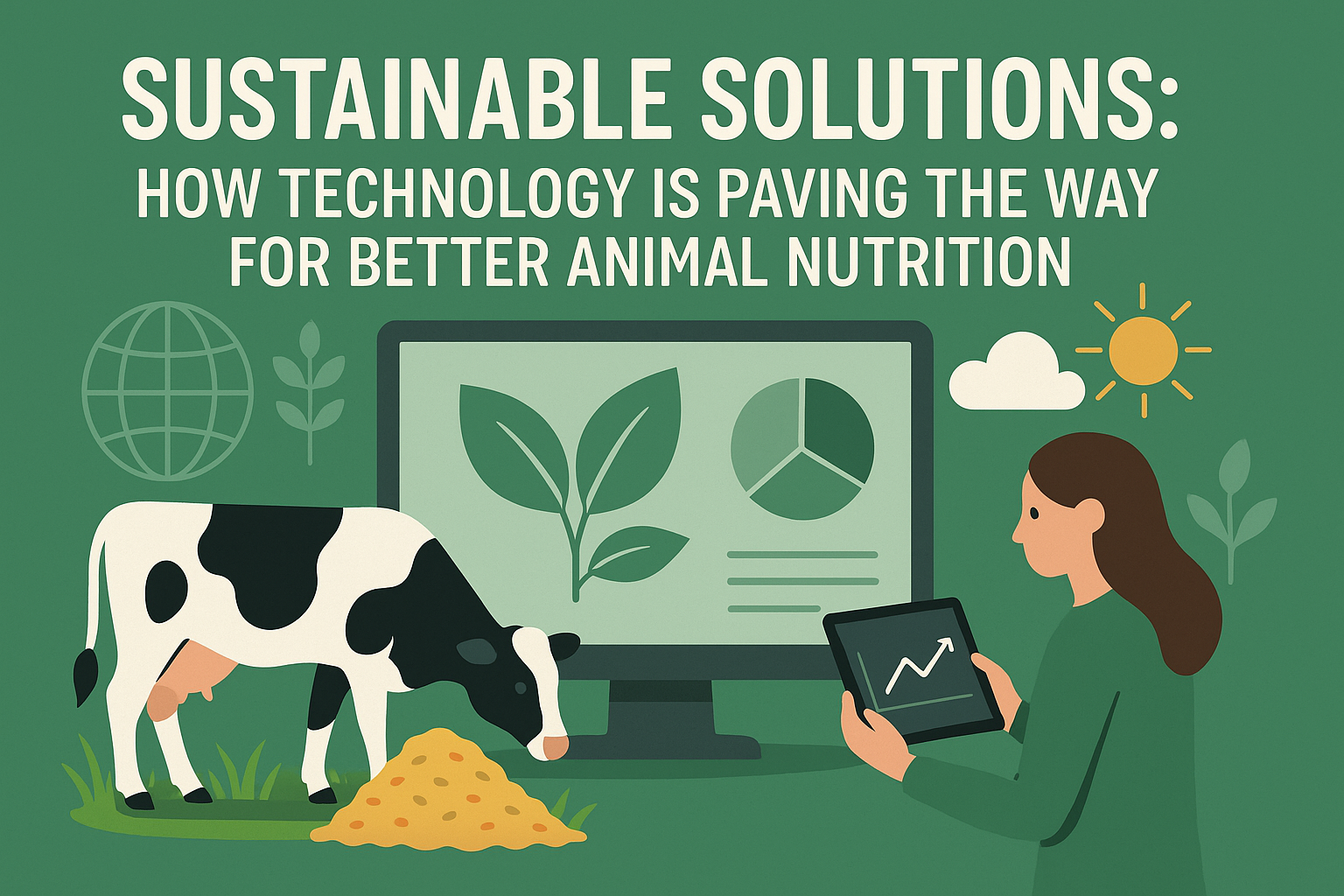
In the quest for a sustainable agricultural future, the nutrition of livestock plays a pivotal role. As the global demand for animal protein rises, there is an urgent need to innovate and improve animal nutrition practices. Technology is at the forefront of this movement, providing sustainable solutions that not only enhance the health of animals but also increase efficiency and reduce environmental impact.
The Challenge of Sustainable Animal Nutrition
Animal nutrition has traditionally relied on established practices that may not always consider environmental sustainability. Issues such as limited feed resources, the environmental impact of feed production, and the growing global population have necessitated a reevaluation of how we approach animal nutrition. Sustainable animal nutrition aims to balance the nutritional needs of livestock with the ecological demands of maintaining healthy ecosystems.
Technological Innovations in Animal Nutrition
Recent advancements in technology are providing new pathways to improve animal nutrition sustainably. Here are some notable innovations:
1. Precision Nutrition
Precision nutrition involves tailoring the diet of livestock based on individual needs, considering factors such as age, weight, health status, and production goals. By utilizing data analytics, farmers can ensure each animal receives the right balance of nutrients. The use of technologies such as RFID (Radio Frequency Identification) tags helps in tracking individual animals and their nutritional intake.
2. Alternative Protein Sources
With the sustainability of traditional feed crops being questioned, alternative protein sources are emerging. Ingredients derived from insects, algae, and even food waste are being explored as sustainable protein solutions for livestock. These alternatives often have a lower environmental footprint compared to traditional feed and can provide necessary nutrients to animals.
3. Fermentation Technology
Fermentation processes are being utilized to enhance the digestibility and nutritional value of animal feeds. Fermented feeds can improve gut health and overall performance in livestock by promoting beneficial bacteria in the digestive system. This approach not only improves feed efficiency but can also lead to reduced greenhouse gas emissions from livestock.
4. Mobile Apps and Software Solutions
Farm management software and mobile applications help farmers monitor animal health and nutrition remotely. These technologies can facilitate timely interventions when animals show signs of nutritional deficiencies. Additionally, they can provide insights on feed efficiency and overall herd management, contributing to enhanced sustainability in livestock production.
The Role of Data in Animal Nutrition
The integration of data science in animal nutrition is revolutionizing how feed is formulated and delivered. The collection and analysis of data can lead to informed decision-making regarding the nutritional requirements of different species and breeds of livestock. Here are some aspects of how data is influencing animal nutrition:
1. Data-Driven Feed Formulation
By analyzing growth rates, health records, and nutrient requirements, farmers can formulate feeds that optimize growth and minimize waste. Data-driven approaches allow for the continuous improvement of feed formulations based on real-time results.
2. Monitoring Animal Health
Wearable technology and sensors can be used to track various health metrics in livestock. Monitoring heart rates, activity levels, and feeding patterns can help detect issues related to nutrition early, allowing for quicker responses and potentially saving lives.
3. Research and Development
The livestock sector can benefit from collaborative research and development initiatives that utilize big data and machine learning. These efforts can lead to the discovery of new feed ingredients, better understanding of animal needs, and optimization of nutritional strategies across different farming systems.
Environmental Impact and Benefits of Sustainable Animal Nutrition
Implementing sustainable animal nutrition practices can have significant positive effects on the environment. Here are some of the benefits:
1. Reduced Greenhouse Gas Emissions
Feeding animals more efficiently can lead to decreased methane emissions. For instance, using feed additives that inhibit methane production from enteric fermentation can serve as a sustainable solution to reduce livestock emissions.
2. Water Conservation
Sustainable animal nutrition practices help optimize the use of water resources in feed production. By selecting drought-resistant crops for animal feed and implementing precision irrigation techniques, water usage can be reduced significantly.
3. Soil Health Improvement
Integrating livestock with crop production can enhance soil health. Manure from livestock can serve as a natural fertilizer, enriching the soil and supporting sustainable crop yields. This cycle promotes biodiversity and maintains ecosystem health.
Case Studies: Successful Implementation of Technology in Animal Nutrition
Several farms around the world have successfully adopted technology to enhance their animal nutrition practices. Here are a few noteworthy examples:
1. Precision Livestock Farming in Denmark
A leading Danish farm implemented a precision livestock farming system that accurately measures dietary intake and health metrics for each cow. As a result, they reported a 20% increase in feed efficiency and a significant reduction in nutrient waste.
2. Insect-Based Feed in the United States
A farm in the United States has started using black soldier fly larvae as an alternative feed source for poultry. This has not only diversified their feed but also addressed waste management issues by utilizing organic waste as a substrate for insect farming.
3. Fermented Feed in Brazil
A Brazilian farm adopted the use of fermented feed and demonstrated improved growth rates in pigs and lower feed conversion ratios. The benefits also included enhanced gut health and lower mortality rates among young animals.
Conclusion
As the global demand for animal protein continues to rise, technology holds the key to transforming animal nutrition in sustainable ways. The integration of precision nutrition, alternative protein sources, fermentation technology, and data analytics is paving the way for improved animal health, reduced environmental impact, and overall sustainability in agriculture. By embracing these technological advancements, producers can meet consumer demands while also protecting our planet for future generations.
FAQs