Healthy Pets, Happy Homes: Understanding the Importance of Proper Nutrition
As pet owners, our primary responsibility is to ensure the well-being of our furry companions. One of the most significant factors that contribute to a pet’s quality of life is proper nutrition. Just like humans, pets require a balanced diet to thrive, maintain a healthy weight, and ward off diseases. This article aims to explore the critical aspects of pet nutrition, its impact on their health, and best practices for providing a nourishing diet that promotes longevity and happiness.
The Basics of Pet Nutrition
Nutrition refers to the various nutrients that a living organism requires for survival and health. For pets, particularly cats and dogs, a balanced diet consists of six essential nutrient categories:
- Water: The most critical nutrient; pets need an adequate supply of fresh, clean water to stay hydrated.
- Proteins: Essential for growth, repair, and maintenance of body tissues. Proteins are the building blocks of the body.
- Fats: Provide energy and are crucial for healthy skin and fur. They also assist in the absorption of fat-soluble vitamins.
- Carbohydrates: While not strictly necessary, they provide a quick source of energy and aid digestion when including fiber.
- Vitamins: Organic compounds that are critical to numerous bodily functions, helping maintain healthy metabolic processes.
- Minerals: Inorganic elements required for processes such as bone formation and nerve transmission.
Understanding these nutrients and their functions helps pet owners make informed decisions about their pets’ diets, ensuring they receive everything they need to remain healthy and active.
The Impact of Nutrition on Pet Health
Good nutrition plays a pivotal role in the overall health of pets. Poor dietary choices can lead to numerous health issues, while a balanced diet can prevent many ailments. Here are some significant health benefits of proper nutrition:
Weight Management
Obesity is a common problem in pets that can lead to various health complications, including diabetes, arthritis, and heart disease. A well-balanced diet helps maintain a healthy weight by providing appropriate portions and nutrients. Regularly measuring and controlling portions, factoring in activity levels, can prevent unnecessary weight gain.
Stronger Immune System
Just like humans, pets need a robust immune system to fend off infections and diseases. Proper nutrition boosts the immune response, supplying essential vitamins and minerals, such as Vitamin E, Zinc, and Omega fatty acids, that support immune function.
Healthier Skin and Coat
A pet’s skin and coat health reflect their nutritional consumption. Diets rich in fatty acids promote lush, healthy fur and mitigate common skin issues. Ingredients such as fish oil can improve skin hydration and reduce inflammation, critical for pets with sensitivities.
Improved Digestive Health
The right balance of fiber can aid digestion and prevent constipation or diarrhea. Pet foods that contain prebiotics and probiotics assist in maintaining a healthy gut flora, promoting nutrient absorption, and overall well-being.
Enhanced Energy Levels
Just like people, pets derive their energy from their food. A balanced diet helps sustain consistent energy levels, contributing to overall well-being and encouraging an active life. Pets receiving the necessary nutrients are more likely to engage in play, training, and socializing.
Choosing the Right Food
With countless pet food options available on the market, choosing the appropriate one can be daunting. Here are some key considerations when selecting pet food:
1. Understand Your Pet’s Needs
Factors such as age, size, breed, and health conditions can influence your pet’s nutritional requirements. For example, puppies require more calories and specific nutrients to support growth, while seniors may need fewer calories but more fiber. Always consult your veterinarian for recommendations customized to your pet’s life stage and health.
2. Read Labels Carefully
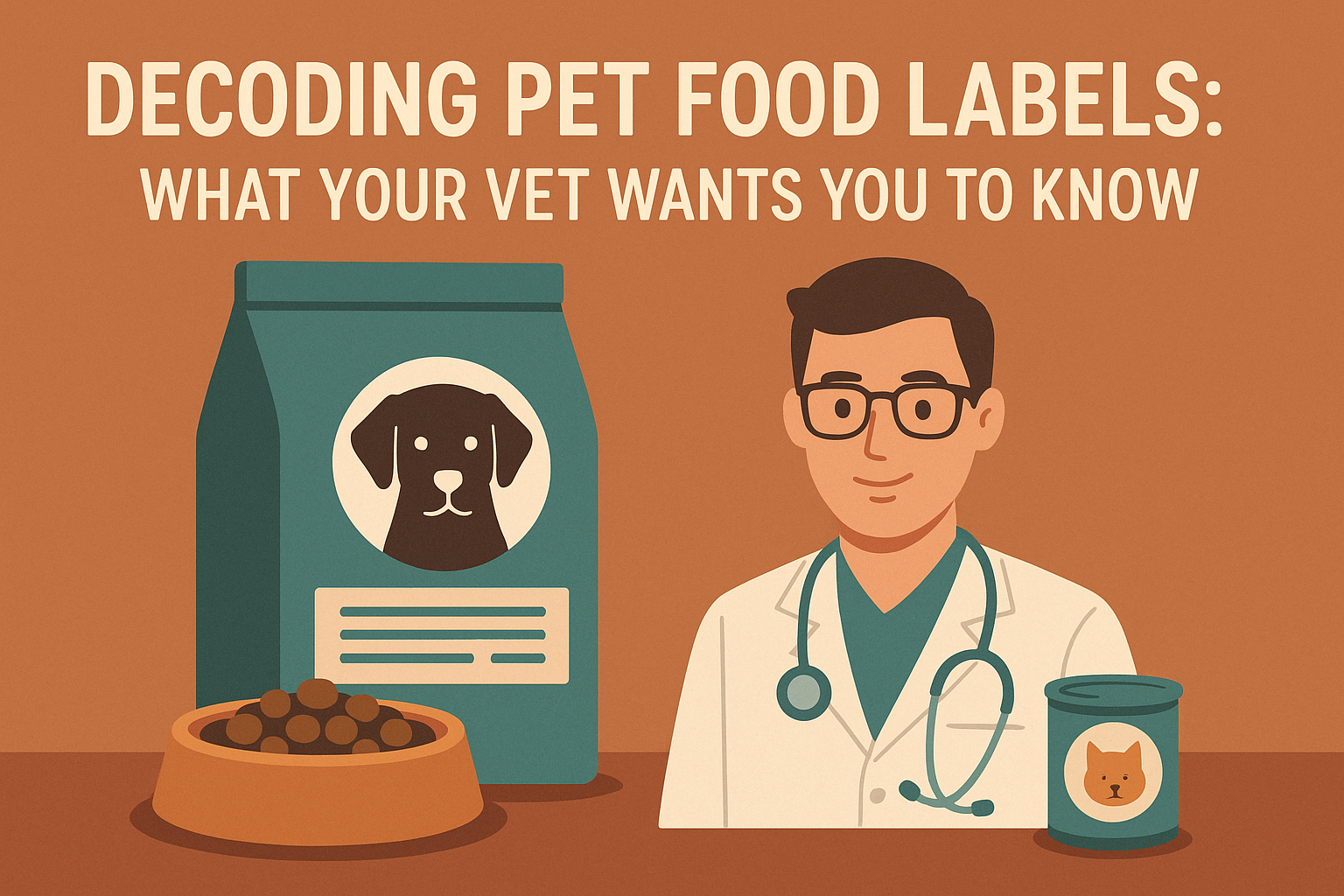
Pet food labels can be confusing. Look for clear ingredient lists and avoid foods with fillers, artificial additives, and by-products. Ingredients should be sourced from trustworthy suppliers and should include the appropriate proteins, carbohydrates, and essential vitamins and minerals.
3. Consider Dry vs. Wet Food
Both dry and wet foods have their advantages. Dry kibble is easier to store and may help reduce plaque buildup on teeth, whereas wet food can be beneficial for hydration and palatability. Some owners choose to mix both to provide variety and nutritional balance.
4. Be Aware of Allergies and Sensitivities
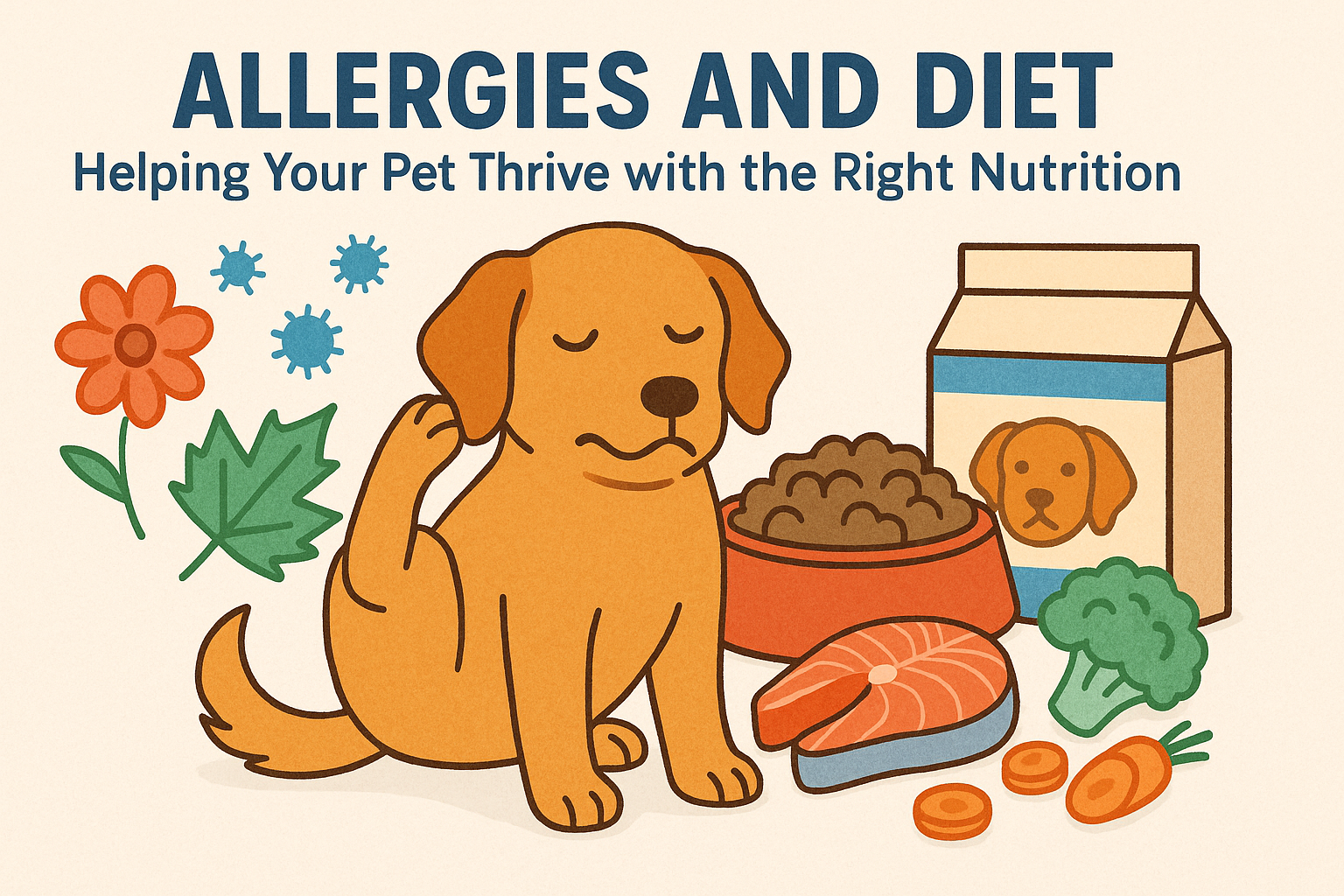
Many pets suffer from food allergies, which can cause skin irritations, digestive issues, and other health problems. If your pet exhibits signs of a food allergy, such as itching or gastrointestinal distress, consult your vet about hypoallergenic diets or limited ingredient foods.
5. Quality over Price
Investing in quality pet food is essential for promoting long-term health. Premium brands may be more expensive, but they often contain higher-quality ingredients and fewer fillers. Subsequently, this can lead to fewer health issues and vet visits overall.
Homemade Diets and Raw Feeding
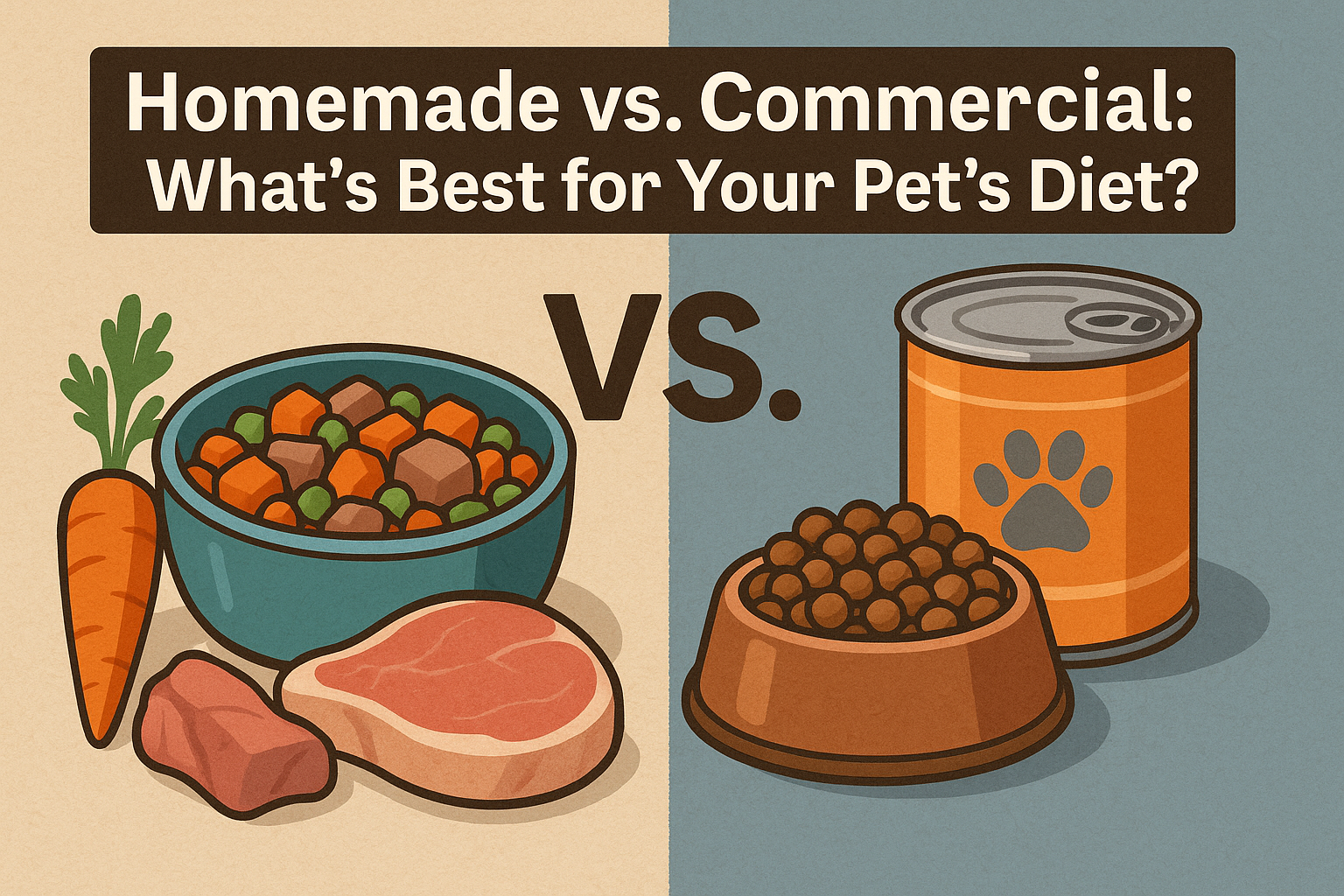
Some pet owners opt for homemade diets or raw feeding based on the belief that they can provide a more natural and healthy diet. However, there are advantages and challenges associated with these approaches:
1. Balanced Recipes
If considering a homemade diet, it’s crucial to ensure that the diet is balanced and appropriate for your pet. Nutritional deficiencies can occur without careful planning. Consulting with a veterinary nutritionist is recommended to create well-rounded homemade recipes tailored to your pet’s needs.
2. Safety Concerns with Raw Feeding
Raw diets have gained popularity, but raw meats can pose risks of bacterial contamination both for pets and humans. Additionally, raw diets may not provide all essential nutrients. Proper handling and sourcing of ingredients are critical if considering this option.
Recognizing Dietary Changes and Health Indicators
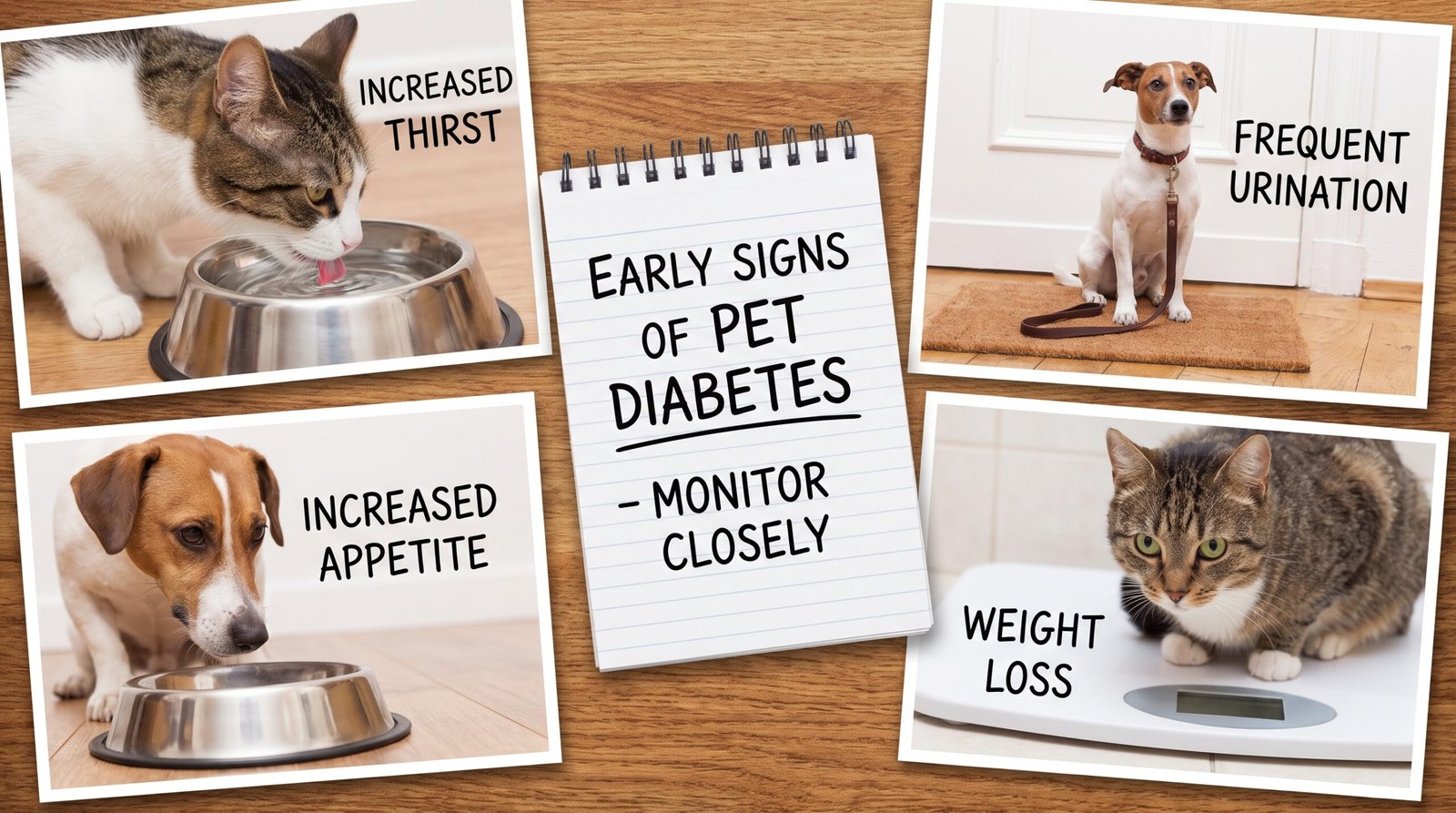
Being vigilant about any changes in your pet’s eating habits, weight, or behavior can help detect dietary issues early. Here are some signs to watch for:
- Sudden weight loss or gain
- Changes in appetite, such as increased hunger or refusal to eat
- Vomiting or diarrhea after meals
- Excessive itching or skin irritations
If you notice any of these signs, it is essential to consult with a veterinarian to assess whether nutritional adjustments are necessary or if there’s an underlying health issue.
Conclusion
In conclusion, providing proper nutrition is paramount to ensuring that our beloved pets live long, healthy, and happy lives. Owners play a crucial role in making informed choices about their pet’s diets. By understanding the basics of animal nutrition and recognizing the signs of potential issues, we can foster a nurturing environment that promotes overall wellness. A healthy diet not only contributes to the physical health of pets but also enriches their quality of life, ultimately leading to happier homes and stronger human-animal bonds.
FAQs
Q1: How much food should I feed my pet?
The amount varies according to your pet’s size, age, and activity level. Always refer to the feeding guidelines provided on the pet food packaging, and consult your veterinarian for personalized recommendations.
Q2: Can I feed my pet table scraps?
Feeding table scraps should be approached with caution. Many human foods are not suitable for pets and can cause health issues. Consult your veterinarian, and avoid foods that are toxic to pets, such as chocolate, grapes, and onions.
Q3: How often should I feed my pet?
Generally, adult pets benefit from being fed twice a day, while puppies and kittens require more frequent feeding. Consult with your veterinarian to determine the best feeding schedule based on your pet’s individual needs.
Q4: Is it safe to change my pet’s diet abruptly?
Sudden dietary changes can lead to gastrointestinal upsets. It’s best to gradually transition to a new diet over 7-10 days by mixing the new food with the old food, gradually increasing the new food’s proportion.
Q5: Are diets specifically designed for weight loss effective?
Yes, veterinary-approved weight loss diets can be effective as they are formulated to help pets lose weight while ensuring they receive necessary nutrients. Always consult your veterinarian before starting a weight loss plan for your pet.