Fuel for Fido: How to Choose the Best Food for Your Dog
Choosing the right dog food is one of the most important decisions a pet owner can make. With countless options available on the market, from grain-free formulas to raw diets, the selection process can be overwhelming. But fear not! This guide will provide you with everything you need to know about selecting the best food for your furry friend.
Understanding Your Dog’s Nutritional Needs
Before diving into the different types of dog food, it’s essential to understand your dog’s specific nutritional needs. Various factors influence these needs, including:
- Age: Puppies, adults, and senior dogs have different nutritional requirements.
- Size and Breed: Larger breeds may require more calories compared to smaller breeds, and certain breeds have unique health considerations.
- Activity Level: Active dogs will need more calories, while those that are less active will require a different balance of nutrients.
- Health Issues: Dogs with certain health concerns may require specialized diets.
Types of Dog Food
There are several types of dog food available, each with its benefits and drawbacks:
1. Dry Dog Food (Kibble)
Dry dog food, or kibble, is one of the most common types of dog food. It is convenient, cost-effective, and easy to store. Make sure to look for high-quality kibble that lists meat as the first ingredient and doesn’t contain artificial additives.
2. Wet Dog Food
Canned or wet dog food often has a higher moisture content and can be more palatable for dogs. It’s a good option for picky eaters or dogs that need to increase their water intake.
3. Raw Diets
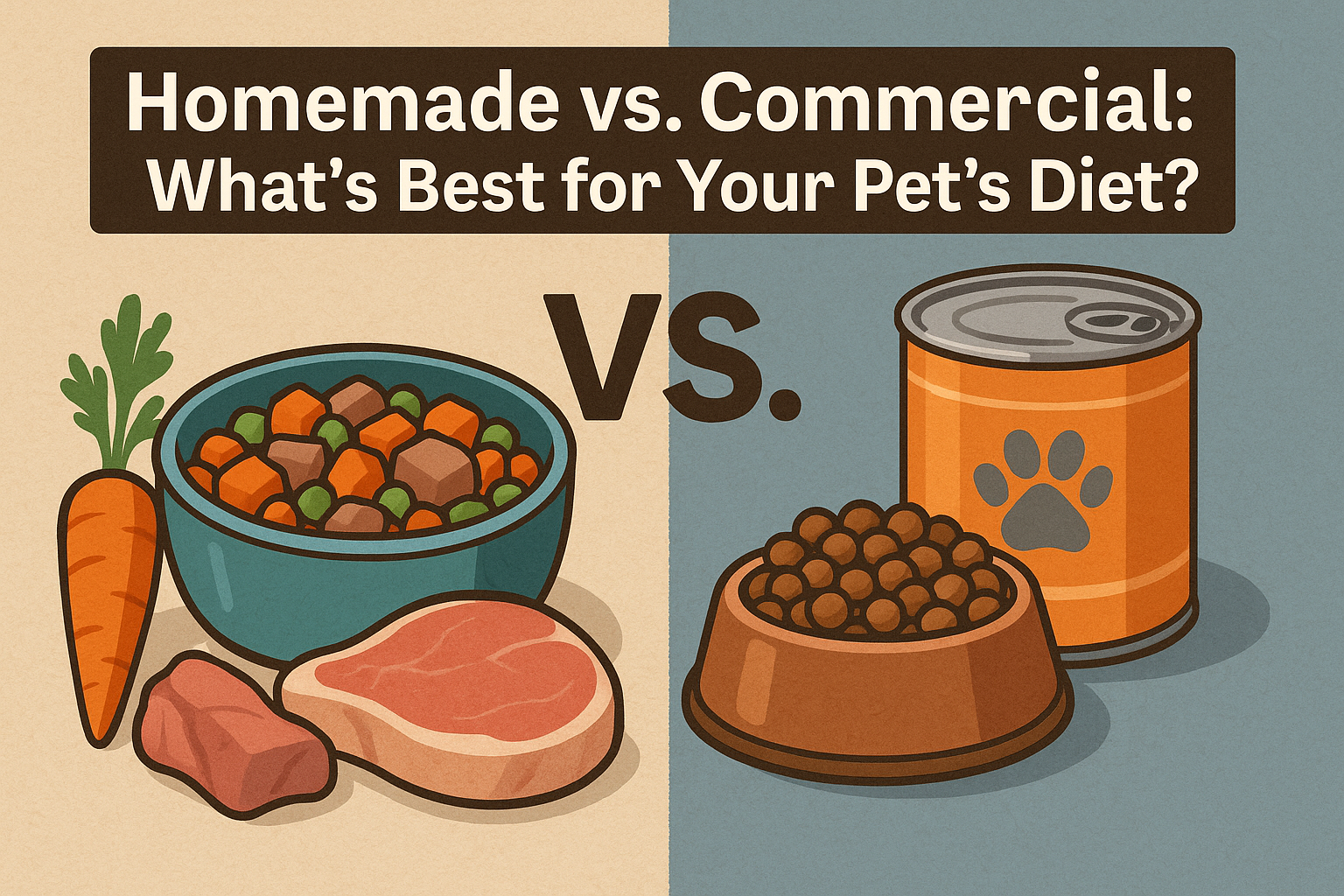
Raw diets involve feeding dogs raw meat, bones, fruits, and vegetables. Proponents of raw diets argue that they more closely mimic a dog’s natural diet. However, these diets should be balanced carefully to avoid nutritional deficiencies.
4. Homemade Diets
Homemade dog food allows you to control exactly what goes into your dog’s meals. However, it’s essential to consult with a veterinarian or a pet nutritionist to ensure that the diet is nutritionally balanced.
5. Prescription Diets
If your dog has specific health concerns, such as allergies or kidney disease, your veterinarian may recommend a prescription diet formulated to address these issues.
Reading Dog Food Labels
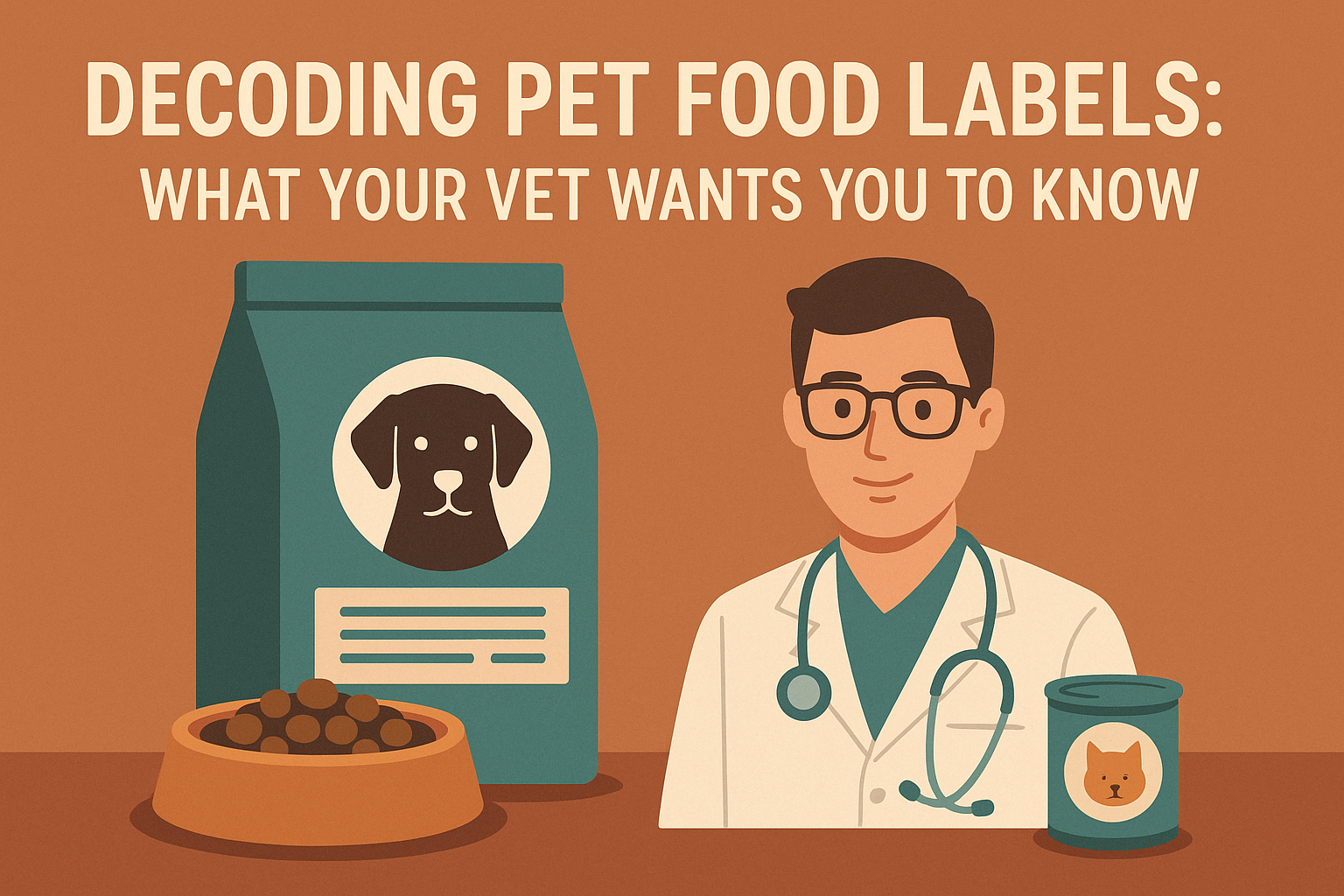
Deciphering dog food labels is crucial in choosing the right food. Here are key components to focus on:
- Ingredient List: Ingredients are listed by weight, so meat should be at the top. Avoid foods that list by-products or fillers as primary ingredients.
- Guaranteed Analysis: This section provides information on the food’s protein, fat, fiber, and moisture content. It helps you compare different brands.
- AAFCO Statement: Look for a statement from the Association of American Feed Control Officials (AAFCO) to ensure the food meets nutritional standards.
Special Considerations
Every dog is unique, and some may have special dietary considerations, such as:
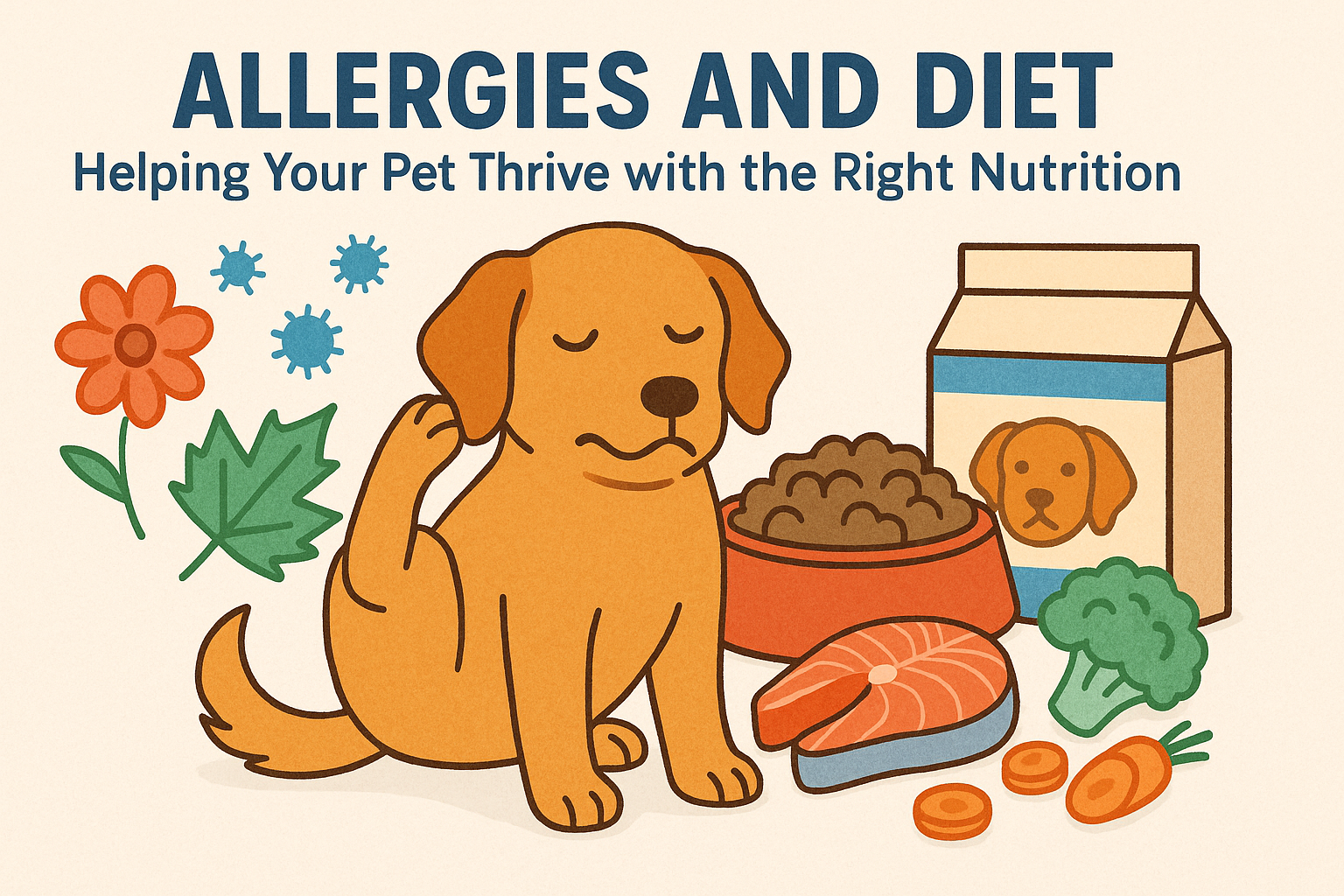
- Allergies: Common allergens include beef, chicken, and grains. If you suspect your dog has a food allergy, consult your veterinarian.
- Weight Management: Obese dogs may require reduced-calorie diets to help manage their weight.
- Life Stage: Puppies and pregnant or nursing dogs require different nutrients than adult or senior dogs.
Transitioning to New Food
When introducing new food, it’s important to do it gradually. Sudden changes can upset your dog’s stomach. A recommended transition schedule is:
- Days 1-2: 25% new food, 75% old food
- Days 3-4: 50% new food, 50% old food
- Days 5-6: 75% new food, 25% old food
- Day 7: 100% new food
Monitoring Your Dog’s Health
After switching to a new food, observe your dog for any changes in behavior or health. Look for:
- Improved coat condition
- Steady weight management
- Consistent energy levels
- Healthy stool consistency
Conclusion
Choosing the right dog food is a crucial part of your pet’s overall health and well-being. By understanding your dog’s specific needs, familiarizing yourself with different types of food, and carefully reading labels, you can make informed choices about what to feed your furry friend. Always consult with your veterinarian when in doubt, especially if your dog has health concerns or specific dietary needs. Remember that your dog’s diet is a significant part of their care, and investing in quality food is investing in their future.
Frequently Asked Questions (FAQs)
1. How do I know what type of food is best for my dog?
Consider your dog’s age, size, breed, activity level, and any health issues. Every dog is different, so their diet should be tailored to their specific needs.
2. Can I mix different types of dog food?
While you can mix dry and wet food, it’s essential to ensure that it doesn’t cause digestive issues. Introduce any new food gradually and monitor your dog.
3. How often should I feed my dog?
Most adult dogs do well with two meals a day, while puppies may need three to four small meals. Consult your veterinarian for personalized advice based on your dog’s needs.
4. What should I do if my dog is overweight?
Consult your veterinarian for a weight loss plan that may include reducing calorie intake and increasing physical activity.
5. Is premium dog food worth the price?
Higher-end dog foods often contain better-quality ingredients and fewer fillers, which may lead to better health outcomes for your dog. However, it’s essential to find a brand that meets nutritional guidelines.