
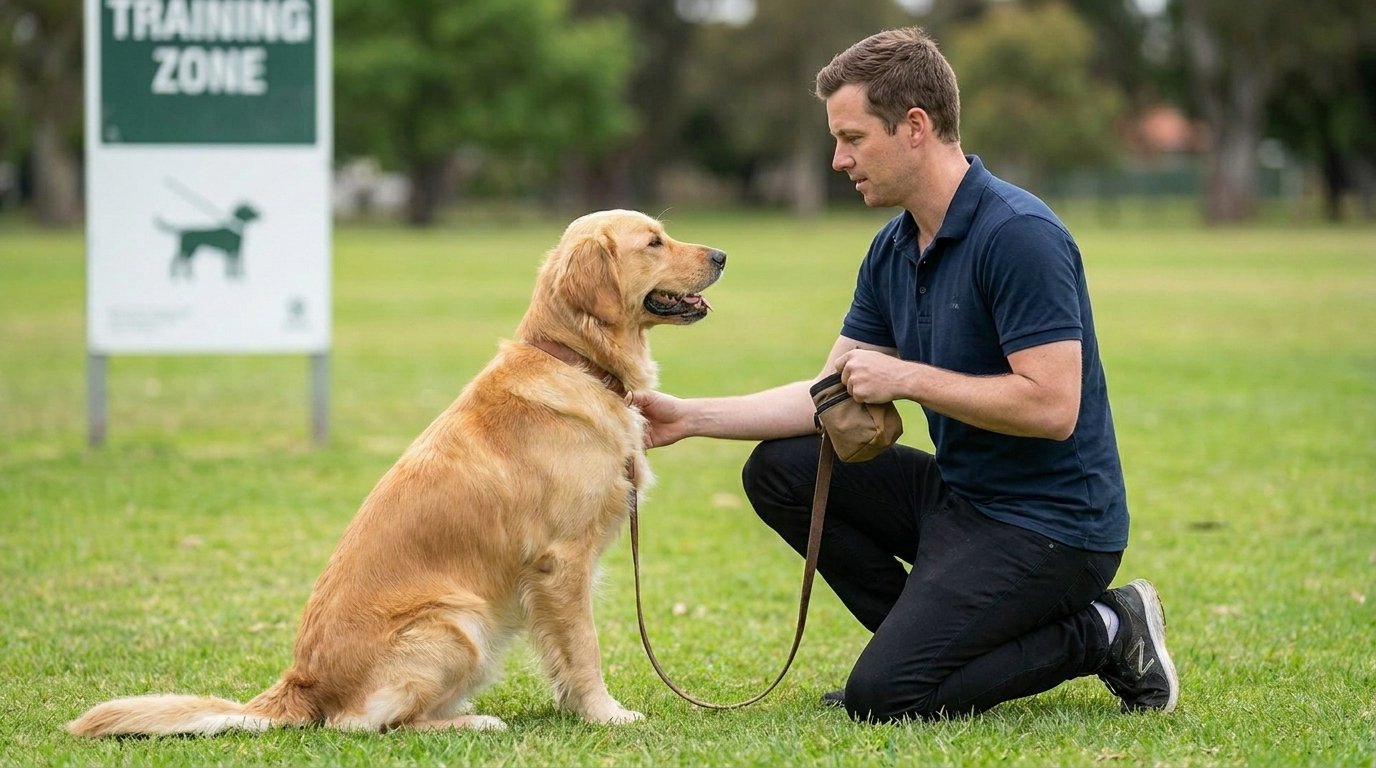
Training your dog is an essential part of pet ownership that goes beyond mere obedience; it forges a bond based on trust and understanding. A well-trained dog is happier and more confident, while a strong bond between you and your furry friend enhances mutual respect, enjoyment, and companionship. In this comprehensive guide, we will explore proven techniques to strengthen both your dog’s training and your bond. From understanding canine behavior to employing effective training methods, this article covers it all!
Understanding Canine Behavior
The journey of training your dog begins with understanding their behavior. Dogs communicate primarily through body language and vocalizations, and recognizing these signals can help you respond appropriately. Here are some key behaviors to observe:
-
- Tail Position: A wagging tail often signifies happiness, while a tucked tail may indicate fear or submission.
-
- Ears: Erect ears signal alertness, while pinned-back ears can signify anxiety or aggression.
-
- An excited dog may jump, while a frightened dog might cower.
Understanding these signals enables you to adjust your training approach based on your dog’s comfort level and emotional state.
Establishing Trust and Communication
A strong foundation of trust is paramount for effective training. Here are several techniques to enhance communication and trust between you and your dog:
1. Positive Reinforcement
Positive reinforcement is one of the most effective training strategies. This method involves rewarding your dog for desired behaviors. Rewards can include treats, praise, or playtime. Here’s how to implement positive reinforcement:
-
- Identify desired behaviors, like sitting or lying down.
-
- Provide immediate rewards when the behavior is exhibited.
-
- Gradually phase out treats while maintaining verbal praise.
2. Consistency is Key
Consistency helps to reinforce learning. Use the same commands and rewards each time to avoid confusing your dog. Here are some tips for achieving consistency:
-
- Establish clear verbal cues and hand signals.
-
- Involve all family members in training to avoid mixed signals.
-
- Practice commands in various environments to solidify understanding.
3. Regular Training Sessions
Frequent but short training sessions are more effective than occasional long ones. Aim for 5-10 minute sessions several times a day to keep your dog engaged and motivated. Incorporate training into daily routines, such as during walks or playtime.
Basic Commands to Strengthen Training
Establishing basic commands creates a solid training foundation. Here’s how to teach some essential commands:
1. Sit
-
- Hold a treat close to your dog’s nose.
-
- Move your hand up to allow their head to follow the treat, causing their bottom to lower.
-
- Once in the sitting position, say “sit,” and reward them.
2. Stay
-
- Ask your dog to sit.
-
- Open your palm in front of you and say “stay.”
-
- Take a few steps back. If they stay, reward them. Gradually increase the distance.
3. Come
-
- Put a leash on your dog and let them walk away a few steps.
-
- Say “come” while gently pulling the leash toward you.
-
- When they reach you, reward them with praise and a treat.
4. Heel
-
- Start walking with your dog on a leash. Say “heel” as you begin to walk.
-
- Reward them for staying close. If they pull ahead, stop walking until they return to your side.
Advanced Training Techniques
Once your dog masters basic commands, consider introducing more advanced training techniques. These can challenge their intellect and deepen your bond:
1. Clicker Training
Clicker training is a popular form of positive reinforcement that utilizes a clicker to communicate to your dog exactly when they perform a desired action. Follow these steps:
-
- Introduce the clicker by clicking and rewarding immediately to create a positive association.
-
- Use the clicker to mark desired behaviors during training.
-
- Follow the click with a reward for immediate reinforcement.
2. Agility Training
Agility training involves a series of obstacles and challenges that improve your dog’s physical and mental agility. This can enhance their confidence and obedience. To get started:
-
- Set up a simple course with tunnels, jumps, and weave poles.
-
- Guide your dog through the course using commands and positive reinforcement.
3. Socialization
Socialization is crucial for helping your dog become well-adjusted. Expose them to various environments, people, and other animals to build confidence:
-
- Take them to parks, pet-friendly stores, and pet classes.
-
- Introduce your dog gradually to meeting other dogs, rewarding good behavior.
The Importance of Bonding Activities
Training isn’t just about commands; it’s also about building a solid relationship. Incorporate bonding activities to strengthen the connection with your dog:
1. Playtime
Engaging in play is a powerful way to bond. Activities like fetch, tug-of-war, or simply running together can create positive associations and reinforce the connection.
2. Clicker Games
Integrate games like hide and seek. Hide treats around the house and encourage your dog to find them using commands. This promotes mental stimulation and encourages teamwork.
3. Calm Interactions
Spend quiet time together, whether it’s cuddling on the couch or going for leisurely walks. These calm interactions can enhance your bond and help your dog feel secure.
Addressing Behavioral Issues
Sometimes, dogs can develop undesirable behaviors that require attention. Addressing these issues promptly is crucial to maintaining a harmonious environment:
1. Barking
Excessive barking can be a sign of boredom, anxiety, or territorial behavior. To curb unwanted barking:
-
- Identify the trigger and try to minimize exposure.
-
- Train the “quiet” command using positive reinforcement.
2. Chewing
Puppies and even adult dogs may chew on furniture or shoes out of boredom. To redirect this behavior:
-
- Provide appropriate chew toys and encourage play.
-
- Supervise interactions and redirect when necessary.
3. Leash Pulling
Leash pulling can hinder enjoyable walks. To teach loose-leash walking:
-
- Use treats to encourage your dog to walk beside you.
-
- Stop walking when pulling occurs, and resume only when they return to your side.
Maintaining Training Progress
As your dog matures, training shouldn’t stop. Continuously challenging them with new commands and tricks keeps their mind sharp and prevents boredom. Here are some tips:
-
- Rotate between new and familiar commands to maintain engagement.
-
- Consider enrolling in advanced obedience classes to introduce new skills.
-
- Make training a lifelong commitment to strengthen your bond.
Conclusion
Training your dog is an ongoing journey that requires patience, consistency, and a commitment to building a strong bond. By employing proven techniques and understanding your dog’s behavior, you enhance both their training and your relationship. Through positive reinforcement, socialization, and continuous learning, you create a happier, healthier, and obedient canine companion. Embrace the love and joy that comes with strengthening your bond, and watch as your dog thrives under your guidance and care.
FAQs
1. How long does it take to train a dog?
The time it takes to train a dog varies based on factors like age, breed, and previous training. Basic commands can take a few weeks, while advanced training may take several months.
2. What’s the best age to start training?
It’s best to start training your dog as early as possible, ideally around 8 weeks of age. Puppies are particularly receptive to learning, but older dogs can also be trained.
3. Can I train my dog on my own or should I seek professional help?
While many dog owners successfully train their pets independently, seeking professional help can be beneficial, especially for behavioral issues or specialized training.
4. How can I handle a stubborn dog?
Remain patient and consistent. Use high-value treats, and avoid using harsh methods. Sometimes, it can be helpful to consult with a professional trainer.
5. Is it normal for my dog to regress in training?
Yes, dogs can regress in their training due to various factors like stress, change in routine, or health issues. Stay consistent with commands and reinforce prior training regularly.