
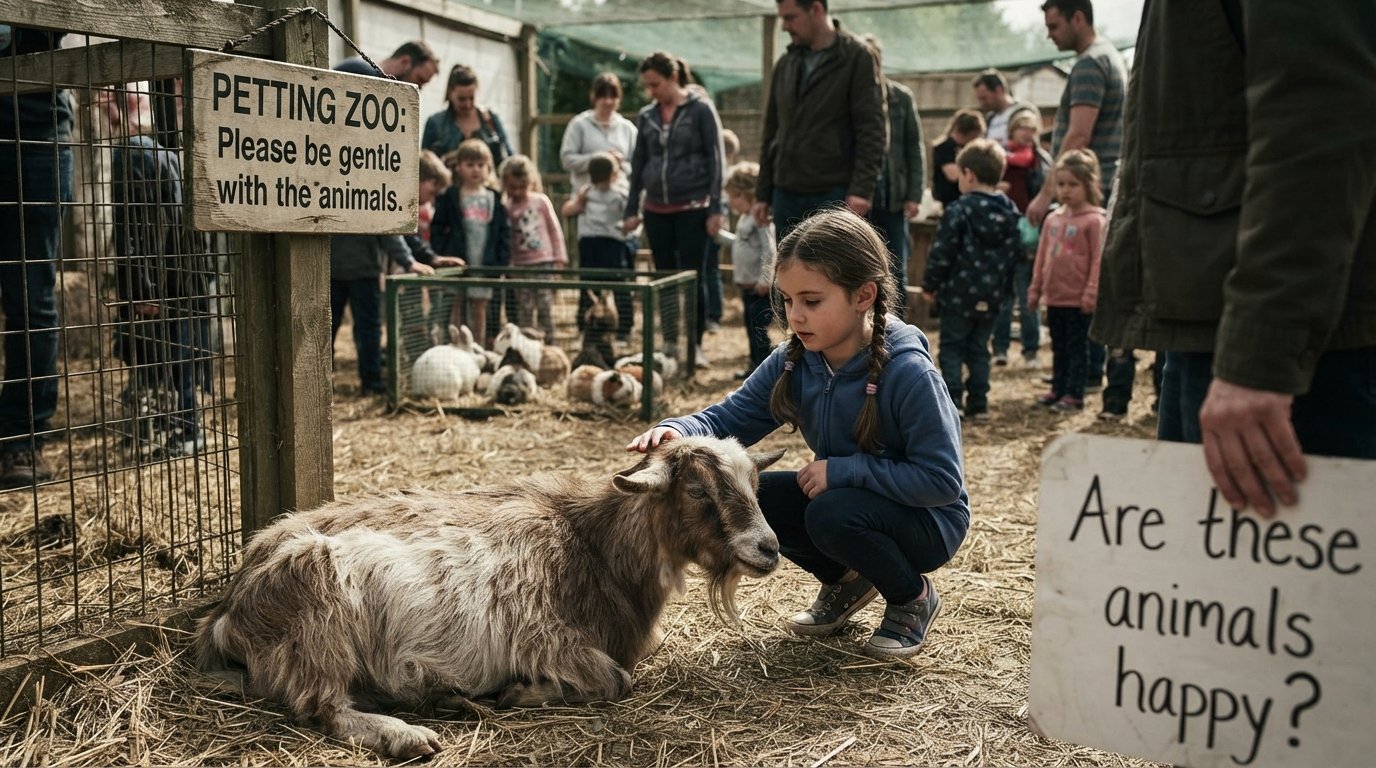
What Is a Petting Zoo?
Petting zoos have long been one of the most popular family attractions because they offer something traditional zoos rarely provide—direct interaction with animals. Instead of viewing goats, sheep, rabbits, alpacas, or miniature horses from behind barriers, visitors can often feed, pet, and sometimes even groom them under staff supervision. For many children, these encounters create unforgettable memories and spark an early appreciation for animals. A child who gently pets a lamb or feeds a friendly goat often develops curiosity that books or videos alone cannot inspire.
Modern petting zoos come in many forms. Some operate as permanent educational farms, while others are seasonal attractions at fairs, festivals, or community events. Increasingly, wildlife parks and conservation centers have also introduced carefully managed interactive exhibits. The best facilities combine hands-on experiences with educational talks about animal behavior, farming, conservation, and responsible pet ownership. Rather than encouraging visitors to simply touch animals, these organizations aim to build respect for living creatures and explain how humans and animals depend on one another.
Not every petting zoo follows the same standards, however. Some prioritize education and animal welfare, while others focus mainly on entertainment. Understanding this difference is essential because the quality of care directly affects both animal well-being and visitor safety.
Educational Benefits of Petting Zoos
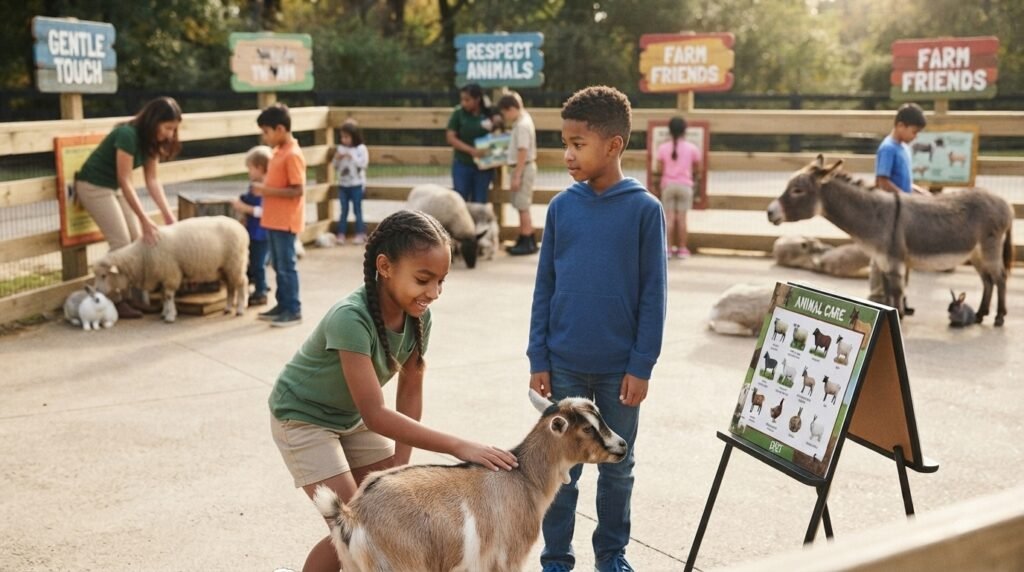
One of the strongest arguments in favor of petting zoos is their educational value. Reading about farm animals in a classroom is very different from watching a sheep being sheared or feeling the texture of an alpaca’s wool. Hands-on experiences stimulate multiple senses, making learning more memorable for children and adults alike. Many educational farms explain where food comes from, how animals are cared for, and why proper nutrition, housing, and veterinary care are essential.
Research in educational psychology consistently shows that experiential learning improves knowledge retention. When children interact with animals responsibly, they often ask more questions and become genuinely interested in biology, agriculture, and environmental conservation. Instead of seeing livestock as abstract concepts, they begin recognizing each species’ unique behaviors and needs.
Petting zoos also help develop empathy. Feeding a gentle goat or brushing a miniature donkey teaches patience and kindness. Staff members frequently use these opportunities to explain body language, appropriate handling techniques, and the importance of respecting an animal’s personal space. These lessons extend beyond the farm and can positively influence how children treat pets and wildlife throughout their lives.
Animal Welfare Behind the Scenes
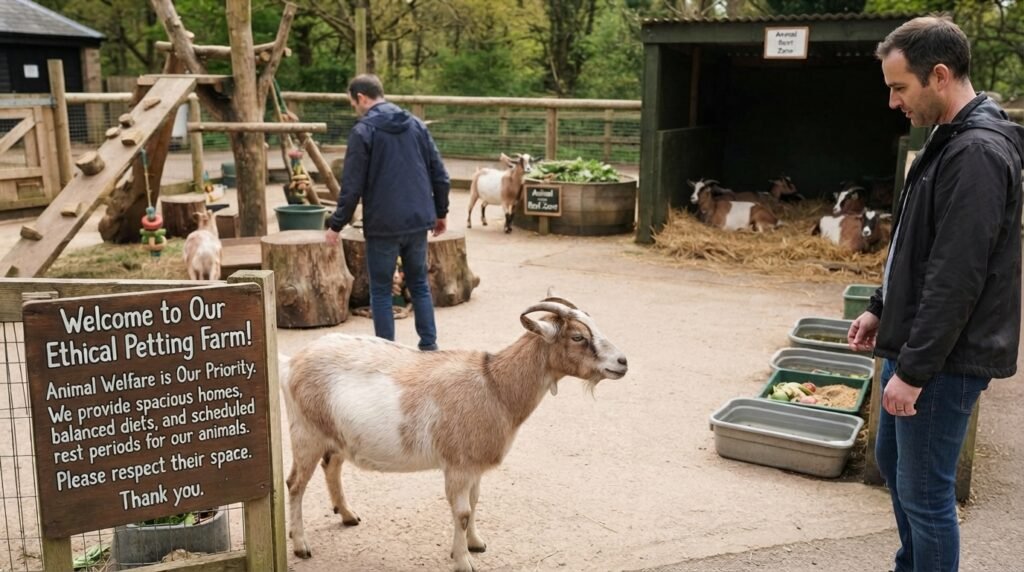
The biggest debate surrounding petting zoos isn’t whether visitors enjoy them—it’s whether the animals enjoy them too. Ethical facilities place animal welfare above visitor entertainment. They provide spacious enclosures, fresh water, balanced diets, veterinary care, enrichment activities, and scheduled rest periods away from the public. Animals are carefully selected based on temperament and willingness to participate in human interactions.
Unfortunately, not every operation maintains these standards. Continuous handling, excessive noise, limited shelter, and overcrowding can cause significant stress. Animals cannot verbally communicate discomfort, so visitors must rely on behavioral clues. Repeated attempts to avoid people, flattened ears, aggressive behavior, excessive pacing, or hiding may indicate that an animal needs a break.
Animal welfare organizations increasingly encourage facilities to adopt science-based welfare programs. These include limiting interaction times, allowing animals to choose whether to participate, rotating animals throughout the day, and providing enrichment that encourages natural behaviors. The goal is shifting from “constant access” to “positive, voluntary interaction.”
| Ethical Petting Zoo | Poorly Managed Petting Zoo |
|---|---|
| Regular veterinary care | Limited health monitoring |
| Clean enclosures | Dirty habitats |
| Staff supervision | Little oversight |
| Animal rest periods | Constant public access |
| Educational focus | Entertainment only |
| Hygiene stations | Limited sanitation |
Health and Safety Risks
Petting zoos are generally safe when operated responsibly, but they are not completely risk-free. Farm animals can carry germs that spread to people, even when the animals appear perfectly healthy. According to the U.S. Centers for Disease Control and Prevention (CDC), diseases transmitted between animals and humans—known as zoonotic diseases—can spread through direct animal contact or contaminated surfaces. Young children, older adults, pregnant women, and people with weakened immune systems face higher risks.
Good hygiene dramatically reduces these risks. Visitors should always wash their hands thoroughly with soap and running water immediately after touching animals or leaving animal areas. Hand sanitizer can be helpful when soap isn’t immediately available, but proper handwashing remains the gold standard. Eating or drinking inside animal-contact areas should also be avoided because germs can easily transfer from hands to food.
Public health agencies have documented outbreaks linked to poorly managed animal exhibits, emphasizing that proper hygiene, staff supervision, and facility design are essential. CDC surveillance estimates that animal contact contributes to hundreds of thousands of enteric illnesses annually in the United States, although only a portion are linked to outbreaks. Well-managed petting zoos significantly reduce these risks by enforcing handwashing, separating food areas from animal exhibits, and educating visitors about safe interactions.
Choosing an Ethical Petting Zoo
Not all animal attractions deserve equal support. Before purchasing tickets, spend a few minutes evaluating the facility. Ethical operators are usually transparent about animal care, veterinary oversight, licensing, and educational goals. Staff members should willingly answer questions about feeding schedules, enrichment programs, and how often animals are given breaks from public interaction.
Observe the animals carefully before joining an interaction. Healthy animals typically appear alert, clean, and comfortable in their surroundings. Fresh water should always be available, enclosures should be well maintained, and animals should have shaded areas where they can retreat from visitors. Employees should actively monitor interactions, ensuring visitors treat animals gently and respectfully.
Red flags include overcrowded enclosures, dirty facilities, animals showing obvious signs of stress, unrestricted feeding, or staff encouraging rough handling simply to entertain guests. Facilities that prioritize photographs over welfare should also raise concerns. Supporting responsible operators encourages higher welfare standards throughout the industry.
The Future of Petting Zoos
Petting zoos continue evolving as public expectations change. Today’s visitors increasingly care not only about fun experiences but also about animal welfare, sustainability, and conservation. Many modern facilities now integrate educational presentations, conservation messaging, and welfare-focused animal management into their daily operations. Some have reduced direct-contact opportunities while expanding observation-based learning experiences that minimize stress on animals.
Technology is also changing how visitors learn. Interactive displays, augmented reality, digital identification systems, and educational mobile apps help explain animal behavior without requiring constant physical interaction. Rather than replacing live experiences, these tools enhance them by providing deeper understanding of animal biology, habitats, and welfare needs.
The future likely belongs to facilities that balance education, entertainment, conservation, and animal welfare. Visitors increasingly recognize that the best interaction isn’t necessarily the closest one—it’s the one that respects the needs of both humans and animals. When animals are healthy, relaxed, and treated with dignity, everyone benefits from a safer and more meaningful experience.
Conclusion
The truth about petting zoos is more balanced than many headlines suggest. They can be outstanding educational environments that inspire compassion, teach responsible animal care, and strengthen connections between people and nature. They can also present legitimate concerns if animal welfare, hygiene, or visitor management are neglected.
Choosing ethical facilities makes all the difference. Look for clean environments, knowledgeable staff, visible animal welfare practices, and strong hygiene protocols. Wash your hands after every visit, supervise children closely, and remember that every animal deserves respect, patience, and the freedom to step away from human interaction when needed.
When operated responsibly, petting zoos demonstrate that education, entertainment, and excellent animal care can successfully coexist.
Frequently Asked Questions
1. Are petting zoos safe for children?
Yes, reputable petting zoos are generally safe when children are supervised and everyone follows hygiene guidelines, especially thorough handwashing after animal contact.
2. Can you catch diseases from petting zoo animals?
Yes. Animals can carry germs even if they appear healthy. Proper handwashing and avoiding food in animal areas greatly reduce the risk.
3. How can I identify an ethical petting zoo?
Look for clean facilities, healthy animals, knowledgeable staff, veterinary oversight, educational programs, and scheduled rest periods for the animals.
4. Are petting zoos good for animals?
They can be if the facility prioritizes welfare, limits interaction time, provides enrichment, and allows animals to choose whether to participate.
5. Should adults visit petting zoos too?
Absolutely. Adults can enjoy learning about agriculture, conservation, and animal behavior while supporting facilities that maintain high standards of care.