
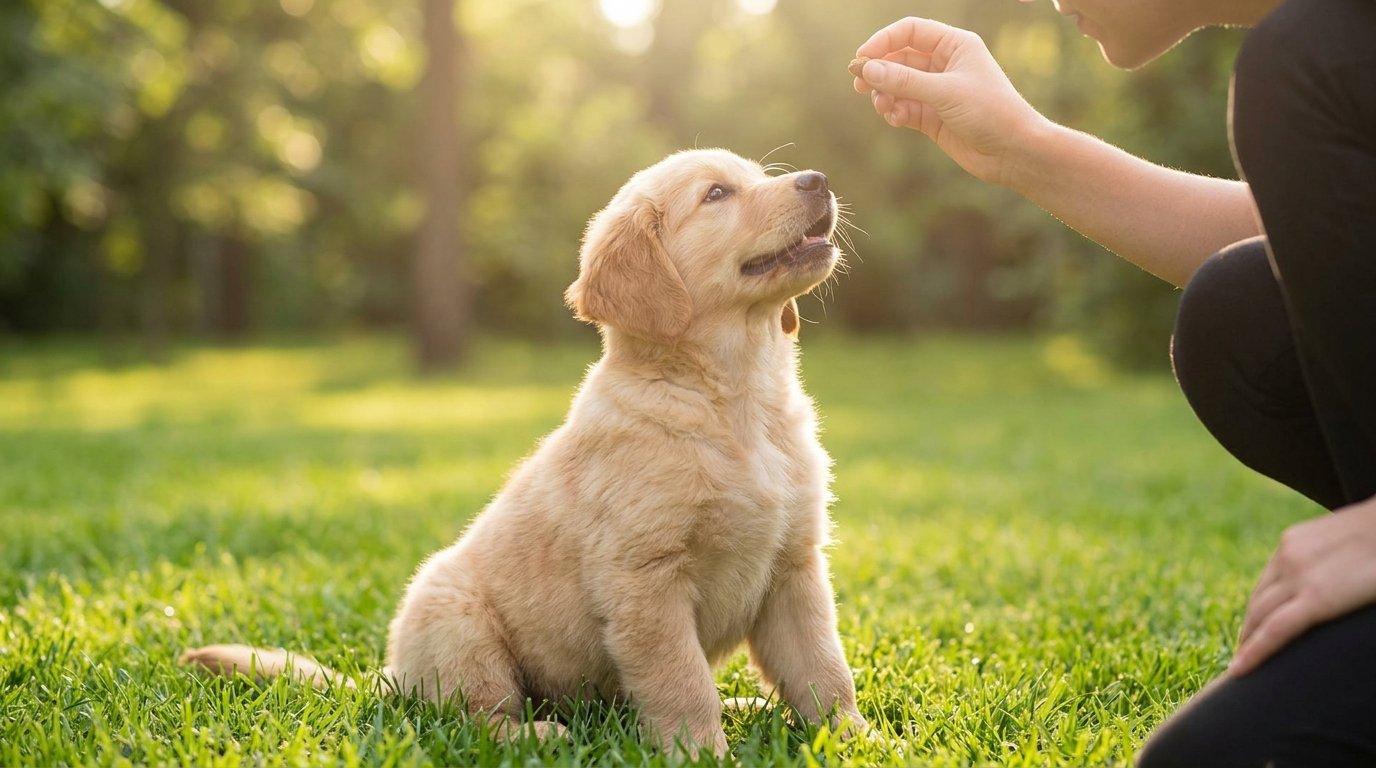
Bringing a dog into your life is an incredibly rewarding experience. However, it also comes with a responsibility: training your new furry friend. Healthy, happy dogs can only thrive in environments where they are given proper training and socialization. In this guide, we will explore essential dog training tips for beginners that will help you raise a well-behaved, obedient puppy.
Understanding Your Dog
Before diving into training techniques, it’s crucial to understand the canine mind. Dogs are social animals by nature, requiring guidance, structure, and routine. Recognizing their needs and behaviors will enhance your training efforts.
Basic Instincts
Dogs are instinctual thinkers. They rely on their senses to process the world. Training should consider their instincts:
- Pack Mentality: Dogs are pack animals and appreciate a leader.
- Positive Associations: They learn by associating actions with outcomes, either positive or negative.
- Repetition: Consistency is vital; they learn best through repetitive actions.
Building a Bond
Your relationship with your dog is fundamental in training. Building trust creates an environment where learning can flourish. Use playtime, treats, and affection effectively to build this bond.
Training Basics
Starting with the basics will pave the way for more advanced training. Here are fundamental training techniques every dog owner should practice.
Positive Reinforcement
The most effective method for training dogs is positive reinforcement. This involves rewarding good behavior to encourage it in the future.
- Use treats, praise, or toys as rewards for desired actions.
- Timing is critical. Reward immediately after the behavior occurs.
- Gradually phase out treats while maintaining verbal praise.
Basic Commands
Teaching your dog basic commands can significantly improve their behavior and your control over them. Here are a few vital commands:
- Sit: A fundamental command to instill patience.
- Stay: Helps keep your dog stationary on command.
- Come: Essential for safety, this command brings your dog back to you.
- Down: Encourages them to lie down, useful in various scenarios.
Consistent Training Schedule
Establishing a consistent training schedule will help you and your pup establish a routine. Short Sessions: Keep training sessions brief (5-10 minutes), especially for puppies with shorter attention spans.
Socialization
Socializing your puppy from a young age will help them become well-mannered adults. This can include:
- Introducing them to varied environments, sounds, and sights.
- Exposing them to different people and dogs.
- Encouraging safe interactions and play.
Tackling Common Behavioral Issues
Every dog may encounter behavioral issues during their lifetime. Here are some common problems and strategies for addressing them:
Excessive Barking
While barking is a natural behavior, excessive barking can be problematic. Consider these tips:
- Identify the cause of barking: Is it boredom, anxiety, or attention-seeking?
- Provide enough mental and physical stimulation.
- Teach the “quiet” command and reward calmness.
Jumping on People
Jumping is often a sign of excitement. Tackling this behavior involves:
- Ignoring the behavior and only giving attention when all four paws are on the ground.
- Redirecting the energy by teaching “sit” when approaching guests.
Chewing and Destructive Behavior
Puppies often chew as a natural part of exploration. To prevent destructive chewing:
- Provide appropriate chew toys.
- Redirect the dog to toys when they chew on inappropriate items.
- Praise them for choosing the right items.
Advanced Training Techniques
Once your dog masters basic commands, you can explore advanced training methods to keep them engaged.
Clicker Training
This training method uses a clicker to mark desired behaviors precisely. Follow these steps:
- Introduce the clicker and pair it with treats.
- Click and reward when your dog performs the desired behavior.
- Gradually phase out the clicker as your dog associates behaviors with commands.
Obedience Classes
Enroll your dog in a formal training class. This environment will provide structured learning and socialization opportunities.
Tips for Maintaining Good Behavior
Alongside training, maintaining your dog’s good behavior involves continuous reinforcement.
Regular Exercise
Dogs require regular physical activity to stay healthy and happy. Here’s how to keep them active:
- Daily walks and playtime.
- Engaging them in games like fetch or tug-of-war.
- Mentally stimulating activities such as puzzle toys.
Daily Routine
Dogs thrive in a consistent routine. A well-structured routine can include:
- Scheduled feedings
- Regular playtimes
- Frequent training sessions
Positive Environment
Creating a positive living environment can promote good behavior:
- A calm space for the dog to retreat during stressful situations.
- Safe toys and spaces to explore.
Conclusion
Training your dog is a journey that requires patience, consistency, and love. By establishing a solid foundation in the basics, employing positive reinforcement, and understanding your dog’s instincts, you can nurture a friendly and obedient companion. Remember that every dog is unique, so adapt these strategies to suit your pup’s personality and needs. With time and dedication, you will foster a strong, fulfilling bond that enriches both your lives.
FAQs
1. At what age should I start training my puppy?
Begin training your puppy as early as 7-8 weeks old. Early socialization is crucial for developing good behaviors.
2. How long should training sessions last?
Short sessions of 5 to 10 minutes are best, especially for puppies.
3. Is it too late to train an older dog?
It’s never too late to train a dog! Older dogs can learn new tricks and commands just like puppies.
4. What if my dog doesn’t respond to commands?
Consistency and patience are key. Ensure you use positive reinforcement and consider seeking help from a professional trainer if needed.
5. Can I train my dog myself, or should I hire a trainer?
While many owners successfully train their dogs on their own, hiring a trainer can provide additional guidance and structure, especially for first-time pet owners.