
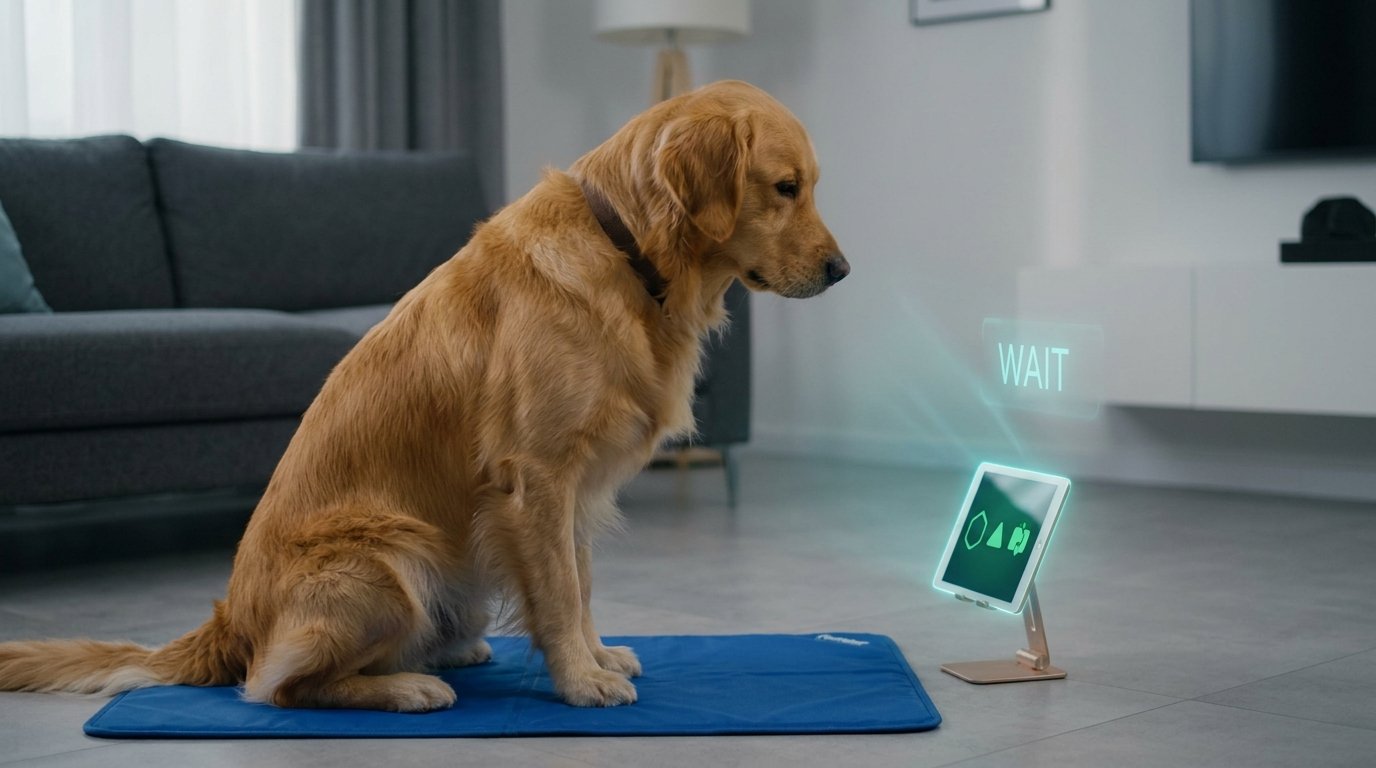
The bond between a dog and their owner is a precious one, steeped in loyalty, love, and understanding. To harness this bond effectively, proper training is essential. If you’re a passionate pet owner seeking to refine your canine companion’s behavior, this article is designed for you. We will explore innovative dog training strategies that go beyond the traditional “sit” and “stay,” empowering you to achieve a harmonious relationship with your furry friend.
Understanding the Modern Dog Training Landscape
Dog training, like many aspects of pet care, has evolved significantly over the years. Historically, training relied heavily on dominance theory, wherein the trainer would assert physical or psychological authority over the dog. However, contemporary dog training emphasizes positive reinforcement techniques that reward desired behavior rather than punishing unwanted behavior.
Today, trainers and dog owners are more informed than ever about canine psychology. A greater understanding of how dogs learn and communicate has led to innovative approaches that enhance the training experience.
The Importance of Positive Reinforcement
One of the foundational principles of modern dog training is positive reinforcement. This approach involves rewarding your dog with treats, praise, or playtime whenever they display the desired behavior. By associating good behavior with positive outcomes, dogs are more likely to repeat those behaviors in the future.
Innovative Training Techniques
As we delve deeper into innovative dog training strategies, we explore several effective techniques that can lead to success in training your furry friend.
1. Clicker Training
Clicker training is a popular form of positive reinforcement. A clicker is a small handheld device that makes a distinct sound when pressed. This sound serves as a marker, indicating the exact moment your dog has performed the desired behavior. This clear communication helps dogs understand what actions they are being rewarded for.
-
- Choose the Right Clicker: Select a clicker that is easy to use and has a clear sound. Practice clicking and treating in your own time to get used to the timing.
-
- Introduce the Clicker: Begin by clicking every time your dog performs a behavior you want to reinforce, like sitting or lying down. Follow each click with a treat.
-
- Gradually Add Commands: Once your dog associates the sound with a reward, start introducing verbal commands before your dog performs the action.
2. Socialization Skills
Socialization is crucial to your dog’s training and development. The goal is to expose your dog to various environments, people, and other animals so they learn to navigate the world confidently and appropriately.
-
- Start Early: The critical window for puppy socialization is between 3 and 14 weeks of age. Take advantage of this time to introduce them to new experiences.
-
- Structured Playdates: Organize playdates with other dogs. Supervising their interactions allows them to learn proper social cues and boundaries.
-
- Visit Different Environments: Take your dog to parks, pet-friendly stores, and crowded events to help them adapt to various situations.
3. Mental Stimulation Games
Just like humans, dogs can become bored and restless without enough stimulation. Engaging their minds can significantly improve behavior and promote overall happiness.
-
- Puzzle Toys: Invest in toys that dispense treats when solved. These encourage cognitive skills and keep dogs busy.
-
- Hide and Seek: Play hide and seek either with yourself or toys. This helps encourage their natural scent-tracking instincts and problem-solving skills.
-
- Training Sessions: Short, frequent training sessions can be mentally stimulating; teach them new tricks or commands during these times.
4. The “Nothing in Life is Free” Approach
This strategy asserts that your dog must work for everything they want, whether it be food, attention, or playtime. The idea is to teach them that good behavior results in rewards.
-
- Establish Rules: Create a set of rules your dog must follow before receiving anything. For example, they must sit calmly before being fed.
-
- Incorporate Commands into Daily Life: Require your dog to perform a trained behavior before they receive their leash, toy, or food.
-
- Consistent Reinforcement: Consistency is key. Ensure every family member follows the same rules to avoid confusion.
5. Building a Strong Foundation with Basic Commands
While advanced tricks and commands are certainly impressive, a strong foundation of basic commands—like “sit,” “stay,” “come,” and “down”—is essential for effective communication and control.
-
- Start with “Sit”: Hold a treat above your dog’s nose and move your hand back, prompting them to sit. Once they do, immediately reward them.
-
- Introduce “Stay”: When your dog sits reliably, take a step back and say “stay.” Gradually increase the distance before returning to give a treat.
-
- Practice “Come”: Use a long leash if necessary; say your dog’s name, followed by “come.” When they reach you, reward them enthusiastically.
Challenges in Dog Training and How to Overcome Them
While utilizing these innovative strategies, you may encounter challenges that require patience and creativity to overcome. Here are a few common issues and solutions:
1. Lack of Focus
If your dog seems distracted during training, try to remove any potential distractions from the environment. Train in a quiet space and gradually introduce distractions as they become more focused.
2. Behavioral Issues
Dogs exhibit various behavioral problems, such as excessive barking or chewing. Identify the cause of the behavior and implement appropriate training strategies tailored to address those specific issues.
3. Stubbornness or Reluctance to Learn
If your dog seems reluctant, evaluate the training approach. Ensure it’s engaging, varied, and rewarding. Some dogs respond better to different types of rewards, so experimenting can uncover what motivates your dog most.
Conclusion
Training your dog is an ongoing journey that requires patience, dedication, and creativity. By applying innovative strategies including positive reinforcement, clicker training, mental games, and socialization, you can build a strong bond with your canine companion while instilling good behavior.
Remember, every dog is unique, and what works for one may not work for another. Stay flexible in your approach, and always celebrate the small victories. Ultimately, the goal of training is to enhance your relationship with your dog, ensuring they are both well-mannered and happy.
FAQs
1. How long should I train my dog each day?
Short, consistent training sessions of 5-10 minutes are most effective. You can have multiple sessions throughout the day, keeping it fun and engaging.
2. What if my dog doesn’t respond to treats?
If your dog isn’t motivated by treats, try using toys or praise as a reward. Some dogs may respond better to different forms of motivation.
3. Is it too late to train an older dog?
No, it’s never too late to start training! Older dogs can learn new commands, though it may require more time and patience compared to puppies.
4. How do I correct unwanted behavior?
Redirect unwanted behavior into a positive one. For example, if your dog is chewing furniture, provide them with a toy instead and reward them for choosing the toy.
5. Should I hire a professional trainer or do it myself?
This depends on your comfort level and the specific needs of your dog. If you’re unsure about your training skills, or if your dog has behavioral issues, hiring a professional may be beneficial.