Whiskers and Wellness: A Deep Dive into Pet Dietary Needs
Introduction to Pet Nutrition
As pet owners, ensuring that our furry friends remain healthy and happy is a top priority. One of the key factors contributing to their well-being is proper nutrition. Understanding the dietary needs of pets—whether furry, scaly, or feathered—is essential to keeping them vibrant and full of life.
Each species, breed, and age group has unique nutritional requirements. In this article, we’ll explore the essential dietary needs for dogs and cats, highlight specialized diets for specific health issues, and offer some guidance on how to choose the right food for your pet.
Understanding Pet Nutritional Needs
The Basics of Pet Nutrition
Pets require a balanced diet that provides essential nutrients including proteins, fats, carbohydrates, vitamins, and minerals. Here’s a brief breakdown of these components:
- Proteins: Crucial for building and repairing tissues, enzymes, and hormones. Proteins should ideally come from high-quality animal sources.
- Fats: Source of energy and aids in the absorption of fat-soluble vitamins. Omega-3 and Omega-6 fatty acids are particularly beneficial.
- Carbohydrates: A source of energy that aids in digestive health. While pets can utilize carbs for energy, the amount of carbohydrates needed may vary.
- Vitamins and Minerals: Essential for metabolic functions and overall health, including bone health, immune function, and more.
Life Stage Requirements
Just like humans, pets have different nutritional needs that change as they grow. Here’s how dietary requirements differ by stages:
- Puppies and Kittens: Require diets rich in proteins and fats to support rapid growth and development.
- Adult Pets: Nutritional offerings should be well-balanced to maintain a healthy body weight and sustain energy levels.
- Senior Pets: Often require diets lower in calories but higher in fiber and certain nutrients to support aging organs.
Choosing the Right Diet
Commercial vs. Homemade Diets
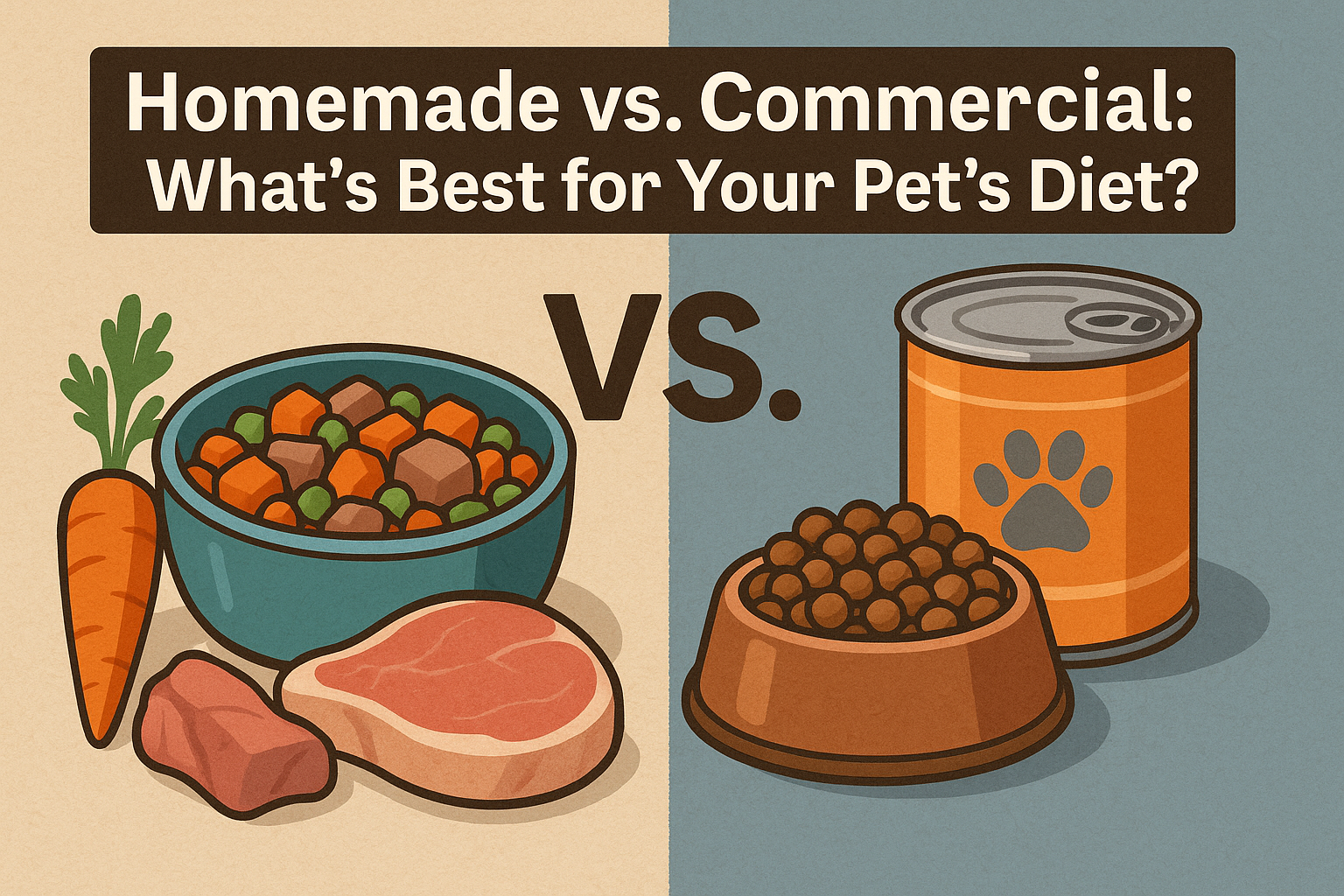
When it comes to feeding pets, there are generally two main options: commercial pet food and homemade diets. Each approach has its advantages and challenges.
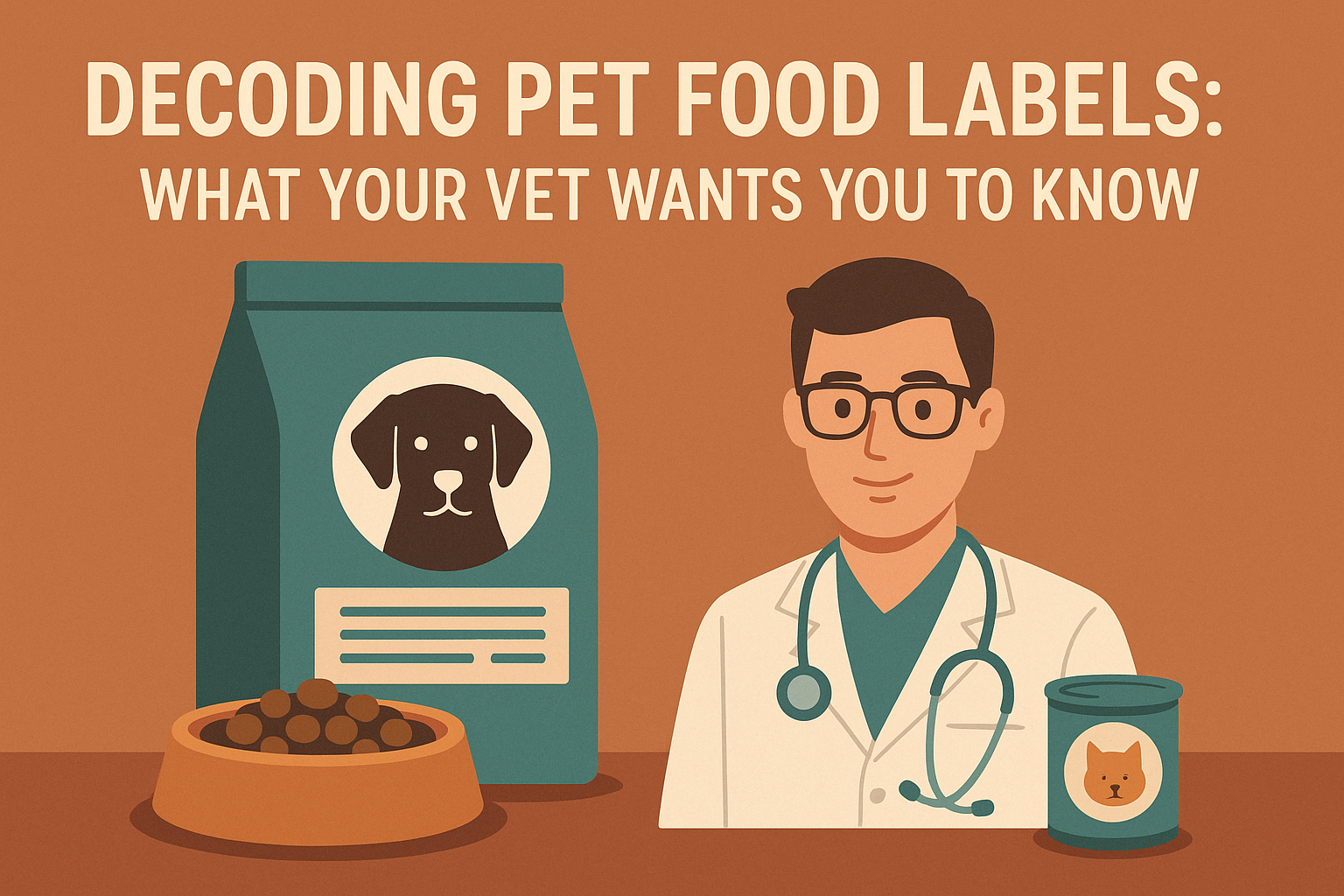
- Commercial Pet Food: Convenient and typically formulated to meet AAFCO (Association of American Feed Control Officials) standards. Choose high-quality brands and check for term listings like “complete and balanced”.
- Homemade Diets: Allow for control over ingredients but require careful planning to ensure all nutritional needs are met. Consulting with a vet or a pet nutritionist is crucial when making this choice.
Specialized Diets for Health Issues
Some pets may develop specific health conditions requiring special dietary considerations. Here are some common health issues and dietary solutions:
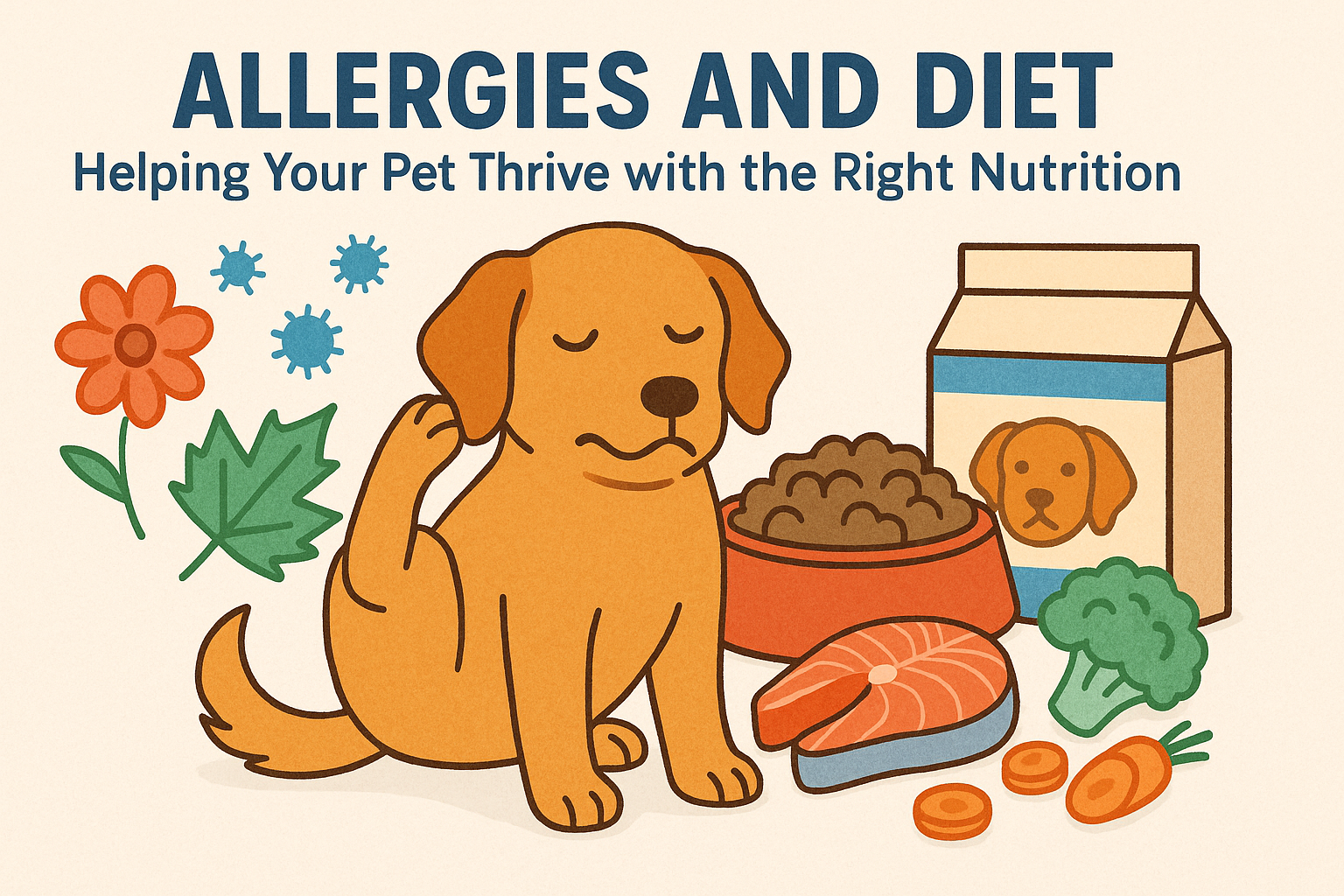
- Allergies: Grain-free or limited-ingredient diets may be beneficial for pets with food allergies or sensitivities.
- Obesity: Low-calorie or weight management diets will help in achieving and maintaining a healthy weight.
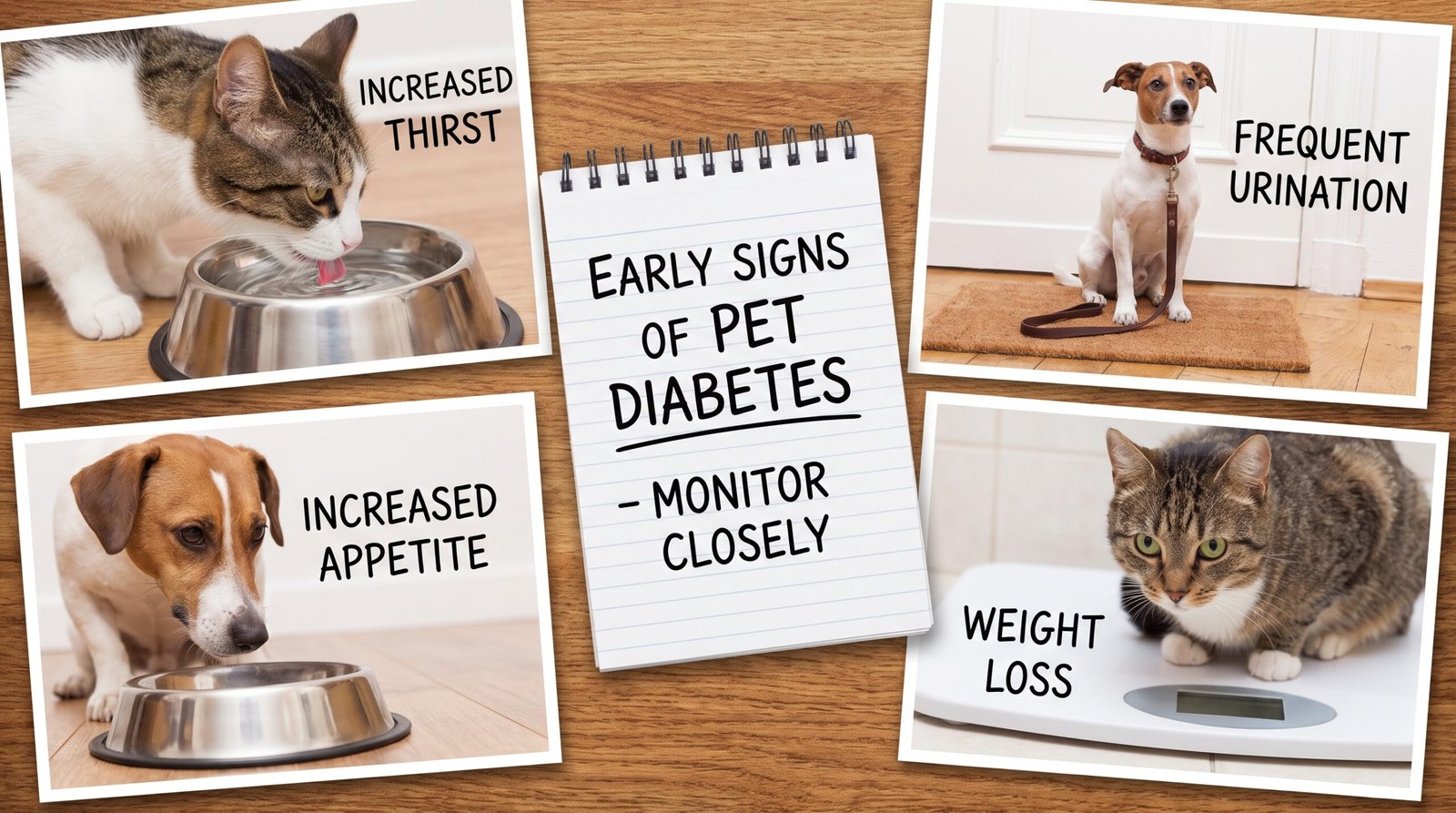
- Diabetes: High-fiber and low-carbohydrate diets can help maintain stable blood glucose levels.
The Importance of Hydration
One critical aspect of pet health that is often overlooked is hydration. Pets need access to fresh, clean water at all times. Water is essential for various body functions, including digestion, temperature regulation, and joint lubrication.
Some pets may benefit from moisture-rich diets, especially if they are reluctant to drink enough water. Wet food can be an excellent option for these pets, providing hydration alongside nutrition.
Common Pet Dietary Myths
Debunking Misconceptions
The world of pet nutrition is rife with myths and misconceptions. Here are some commonly held beliefs that don’t necessarily hold true:
- Dogs are omnivores: While dogs can digest both plant and animal foods, their primary nutritional needs are derived from animal sources.
- Cats can eat a vegetarian diet: Cats are obligate carnivores, and they require animal protein to thrive.
- Grains are harmful to pets: Unless a pet has a specific allergy, grains can provide valuable nutrients and energy.
Conclusion
In conclusion, understanding your pet’s dietary needs is vital to ensuring their health and longevity. A well-balanced diet tailored to their specific life stage, activity level, and health concerns will promote their overall well-being and happiness.
Whether you choose high-quality commercial food, opt for a balanced homemade diet, or consult with a veterinarian about specialized diets for health conditions, making informed choices is crucial. Remember, every pet is unique, and their nutritional needs can change over time. Always observe their reactions to dietary changes and consult with your veterinarian when in doubt.
FAQs
1. How do I know if I’m feeding my pet the right food?
Monitor your pet’s health, energy levels, and condition. A shiny coat, healthy weight, and active behavior indicate a good diet. Regular vet check-ups can also help assess their nutritional needs.
2. Can I feed my pets table scraps?
While some human foods are safe in moderation, others can be harmful. Always check with your vet about specific foods.
3. Are grain-free diets better for pets?
Not necessarily. It depends on whether your pet has specific allergies or sensitivities. Grain-free is not inherently better for all pets.
4. How often should I feed my pet?
This can depend on the pet’s age, size, and health, but typically, adult dogs are fed twice a day and adult cats once or twice daily.
5. What are the signs of dietary deficiencies?
Signs may include excessive shedding, dull coat, lethargy, and gastrointestinal issues. Consult your vet if you notice these symptoms.