Step-by-Step Guide to Housebreaking Your New Puppy
Bringing a new puppy into your home is an exciting adventure filled with love, laughter, and a few challenges. One of the most important aspects of having a new puppy is housebreaking, which can often feel daunting for first-time dog owners. However, with the right approach and patience, you can successfully housebreak your new furry friend! This comprehensive guide will take you through the step-by-step process of housebreaking your puppy, ensuring you and your canine companion can enjoy a long, happy life together.
Understanding Puppy Behavior
Before diving into the training process, it’s crucial to understand that puppies are not inherently “bad” when they have accidents inside your home. Housebreaking is about teaching your puppy where it is appropriate to relieve themselves. Puppies have small bladders and limited control, making them prone to accidents. Patience and consistency on your part are vital for a successful housebreaking process.
Step 1: Set Up a Designated Bathroom Area
Choose a specific outdoor location where you’d like your puppy to relieve themselves. This will help your puppy associate that spot with going to the bathroom. It could be a corner of your yard, a specific section of a nearby park, or any other place that’s convenient and safe.
Step 2: Establish a Routine
Puppies thrive on routine. Establish a consistent schedule for feeding, playtime, and bathroom breaks. A recommended schedule could look like this:
- Take your puppy out first thing in the morning.
- Take them out after meals (usually around 20-30 minutes).
- Take them out after playtime.
- Take them out before bedtime.
- Take them out any time they exhibit signs of needing to go, such as sniffing around, whining, or circling.
Step 3: Observe Your Puppy
Pay close attention to your puppy’s behavior. Puppies often show signs that they need to go outside, such as:
- Sniffing the ground or the floor.
- Pacing or circling.
- Whining or barking.
- Suddenly leaving play or stopping what they are doing.
By recognizing these signs, you can take your puppy outside in time, helping to prevent accidents in the house.
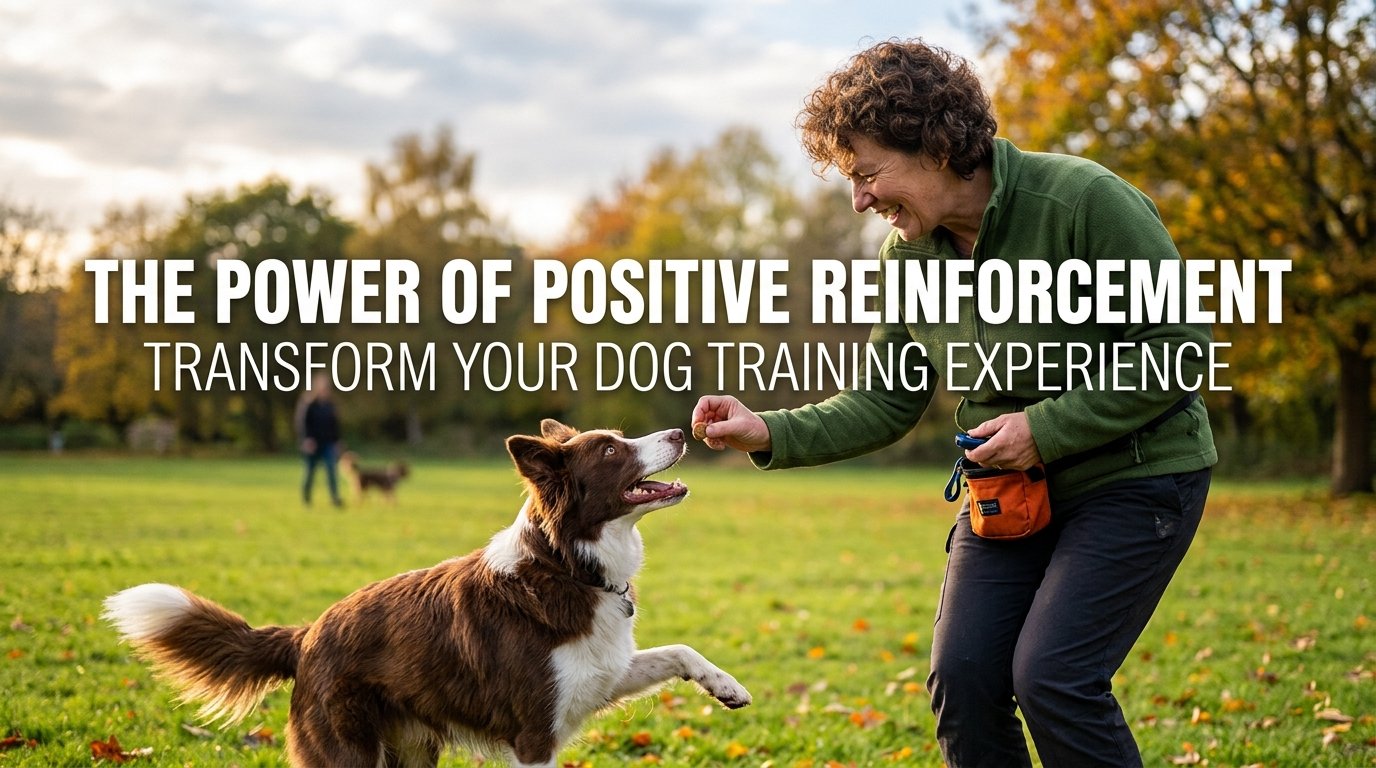
Step 4: Use Positive Reinforcement
Always use positive reinforcement when your puppy successfully relieves themselves outside. This can be in the form of:
- Verbal praise (e.g., “Good job!”)
- Treats or snacks they enjoy.
- A fun game or playtime afterward.
Positive reinforcement helps your puppy learn that going to the bathroom outside is a good thing.
Step 5: Crate Training
Crate training is a valuable tool in housebreaking. Puppies naturally avoid soiling their sleeping areas. Follow these steps to crate train:
- Introduce your puppy to the crate gradually. Encourage them to enter with treats and praise.
- Make the crate a comfortable space for your puppy, using bedding and toys.
- Supervise and take your puppy outside to relieve themselves after exiting the crate.
- Gradually increase the time your puppy spends in the crate as they become accustomed to it.
Step 6: Clean Up Accidents Properly
Despite your best efforts, accidents will happen. When they do, it’s crucial to clean them up thoroughly to eliminate odors that might encourage your puppy to use the same spot again. Use an enzymatic cleaner specifically designed for pet messes, as this will effectively break down the odor-causing substances.
Step 7: Be Patient and Consistent
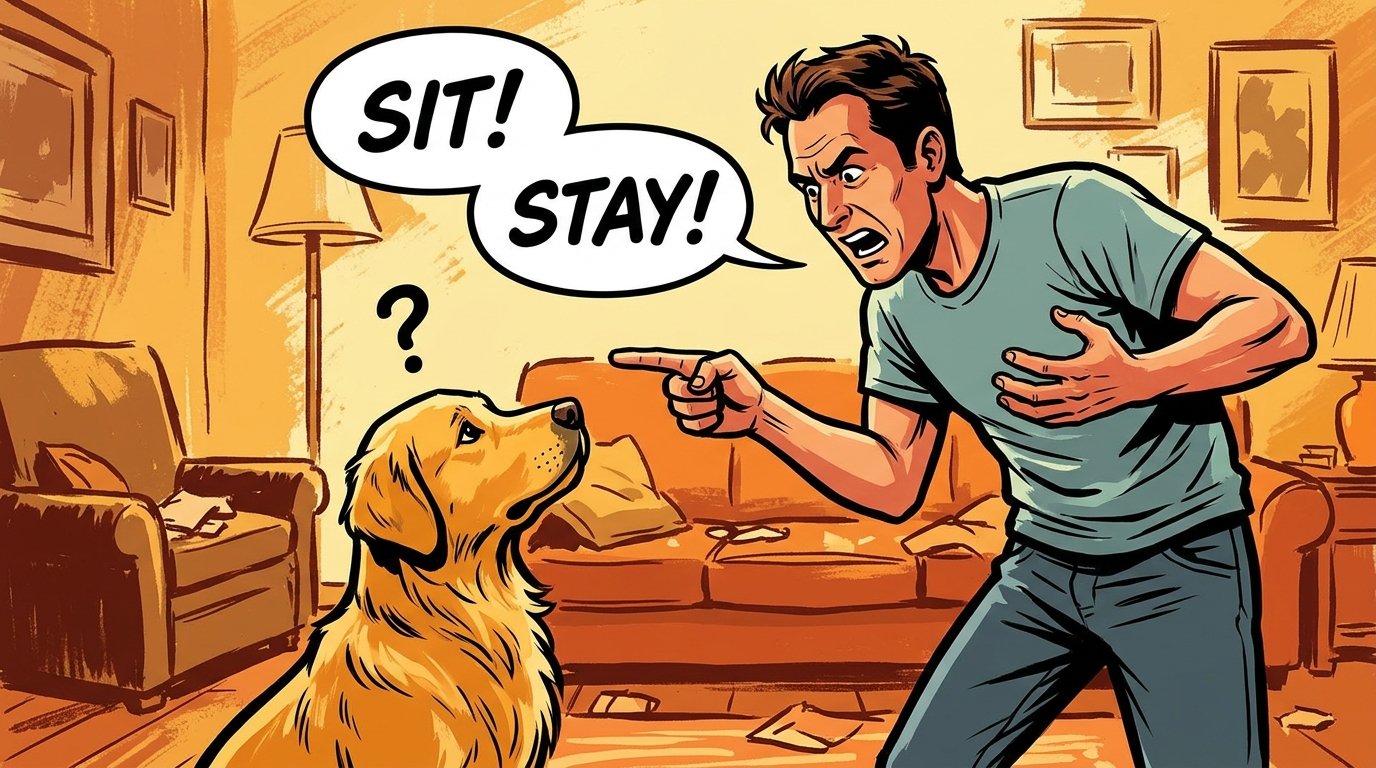
Housebreaking can take several weeks or even months. Consistency is key! Stick to your routine, continuously reinforce positive behavior, and remain patient with setbacks. Never punish your puppy for accidents; it will confuse them and may lead to anxiety or fear around you.
Step 8: Gradually Extend Time Between Breaks
As your puppy becomes more reliable with bathroom habits, gradually extend the time between bathroom breaks. This step can help them hold it longer as they grow and develop more control over their bladders.
Common Housebreaking Challenges
Even with a solid plan, you may encounter challenges during housebreaking:
- Frequent accidents: This may be due to a medical issue, or your schedule may not be frequent enough. Ensure that you take your puppy out at regular intervals.
- Marking behavior: Some puppies may mark their territory. This is especially common in unspayed or unneutered pets. Consult a veterinarian for advice on spaying/neutering.
- Fear or anxiety: Some puppies may be anxious about being outside or in new environments. Gradually introducing them to new places can help alleviate this fear.
Conclusion
Housebreaking your new puppy requires dedication, patience, and a consistent approach. Understanding your puppy’s behavior, establishing a routine, and employing positive reinforcement techniques will lead both of you towards great success. Remember, every puppy is different, and what works for one may not work for another. Stay committed, be loving, and enjoy the journey of shaping a wonderful companion.
FAQs
1. How long does it take to housebreak a puppy?
The average time for housebreaking varies, typically taking anywhere from a few weeks to six months. Factors such as breed, age, and previous experiences may influence this duration.
2. What if my puppy keeps having accidents inside?
If accidents occur frequently, it may indicate a need for more frequent bathroom breaks, a training step needs adjustment, or possible medical concerns. Consult a veterinarian if accidents continue despite your efforts.
3. Is it okay to use puppy pads?
Puppy pads can be useful, especially in apartments or during harsh weather. However, you should gradually phase them out to encourage outdoor relief once your puppy learns the routine.
4. Can I train an older puppy or adult dog using the same methods?
Yes! While older dogs may take longer to adapt than younger puppies, the same consistent approaches can help them learn to relieve themselves outdoors properly.
5. What should I do if my puppy refuses to go outside?
If your puppy is reluctant to go outside, try different locations, or consider using a leash to guide them. Make the experience enjoyable by providing treats or engaging in play afterward to create positive associations with going outside.