Tail-Wagging Tips: How to Create a Loving Home for Your Pet
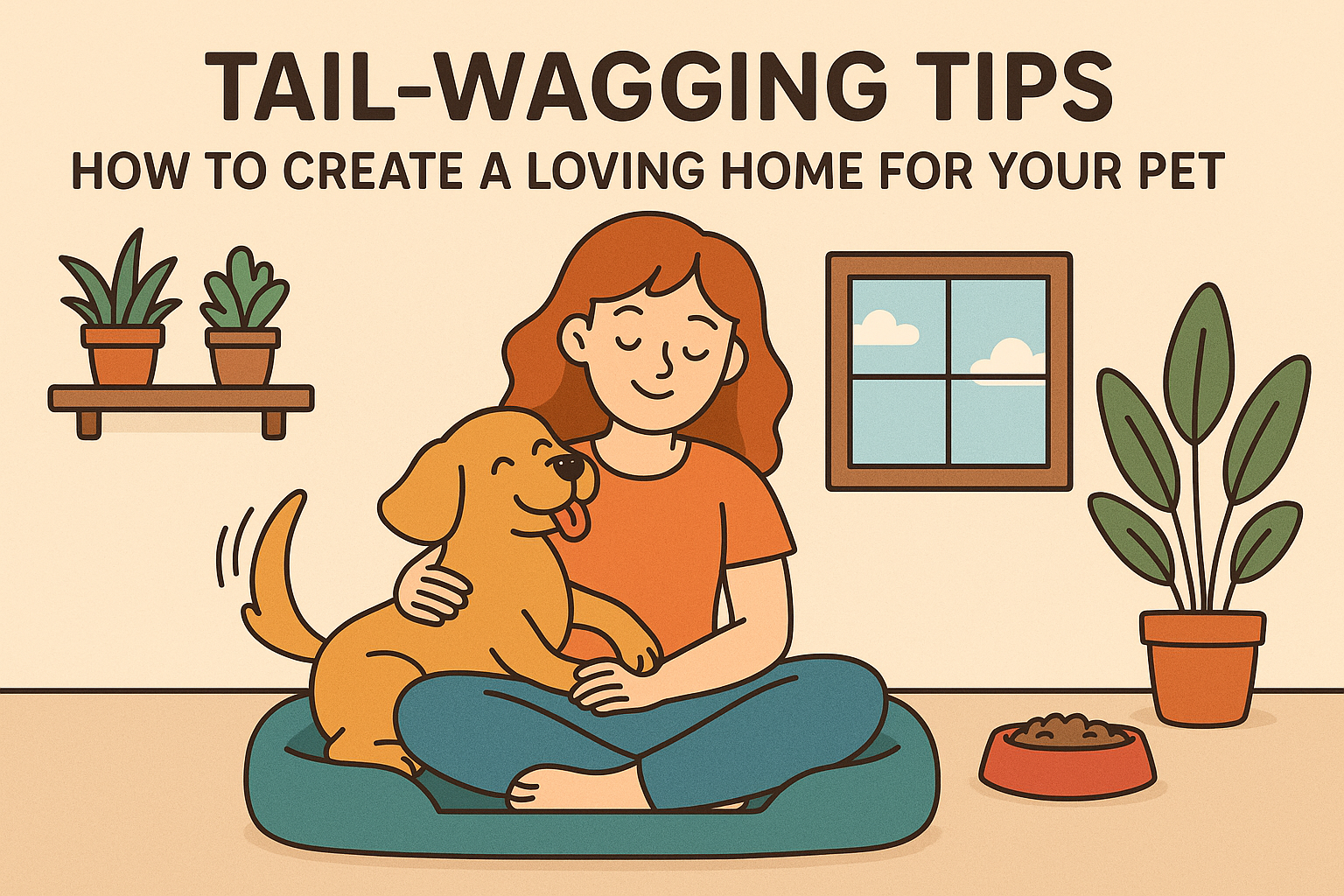
When it comes to creating a loving home for your pet, every little aspect counts. Whether you’re a cat person, a dog person, or have other furry, scaly, or feathered friends, providing a nurturing environment is essential for your pet’s happiness and well-being. This article will provide valuable tips for making your home a warm, welcoming space for your four-legged friends or any other beloved pets.
Understanding Your Pet’s Needs
The first step in creating a loving home is understanding your pet’s unique needs. Just like humans, pets thrive best in environments catered to their specific requirements.
Physical Needs
- Proper Nutrition: Ensure you are feeding your pet a balanced diet suitable for its age, breed, and health condition.
- Regular Exercise: Make time for daily walks, playtime, and other activities to keep your pet fit and mentally stimulated.
- Comfortable Shelter: Provide a cozy, safe space for your pet to rest, with appropriate bedding and temperature control.
Emotional Needs
- Social Interaction: Pets are social creatures. Spend quality time engaging with them through play, grooming, or simply being present.
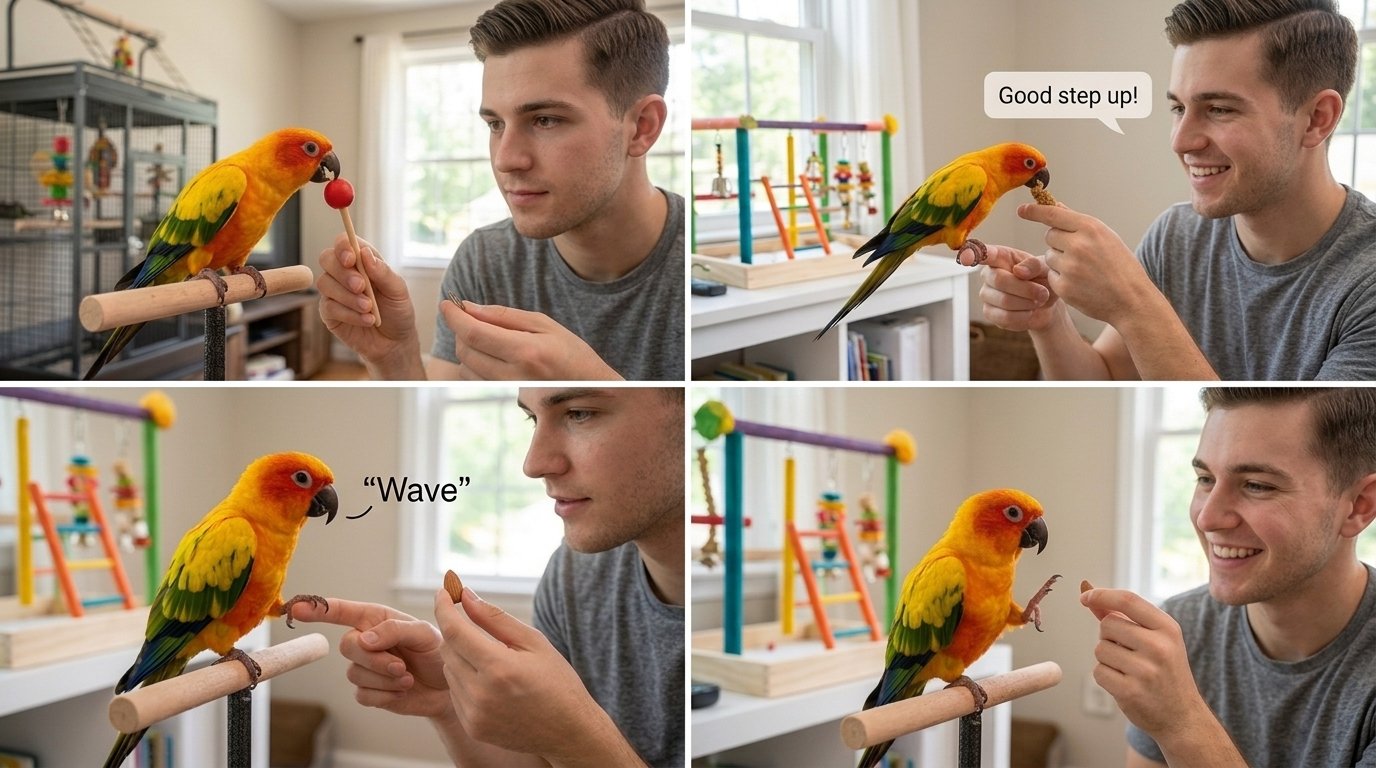
- Training and Discipline: Positive reinforcement training not only teaches good behavior but also helps strengthen your bond.
- Mental Stimulation: Offer toys, puzzles, and opportunities for exploration to keep your pet’s mind active.
Creating a Safe Environment
A loving home is also a safe home. Here are some ways to ensure your pet’s environment is secure:
Pet-proofing Your Home
- Keep harmful substances such as cleaning products, medications, and certain foods out of reach.
- Secure cords, blinds, and curtains to prevent entanglement.
- Use baby gates or playpens to keep pets in safe areas of your home.
Outdoor Safety
- Fencing: Ensure your yard is fenced with no gaps. Regularly inspect it for any areas your pet could escape.
- Supervised Outdoor Time: Always supervise your pets when they are outside to prevent accidents or interactions with wildlife.
- Identification: Use collars with ID tags and consider microchipping to facilitate their return if lost.
Creating a Comfortable Space
Designating a specific area in your home for your pet can enhance their sense of belonging and security. Here’s how to set up a comfortable space:
Choosing the Right Location
Your pet’s space should be quiet, away from heavy foot traffic, and provide access to natural light. A cozy corner with minimal disturbances is ideal.
Essential Supplies
- Bedding: Comfortable, washable bedding is crucial for a good night’s sleep.
- Toys: A selection of toys, including chew toys, balls, and interactive toys to keep them engaged.
- Feeding Station: Designate a place for food and water bowls, ideally away from high-traffic areas to prevent spills and messes.
Establishing Routines
Pets thrive on routine. Here are a few reasons why establishing a daily routine is beneficial:
Feeding Schedule
Consistent feeding times help regulate your pet’s metabolism and offer a sense of stability.
Exercise Routine
Having set times for walks or play helps in keeping your pet physically healthy and mentally stimulated.
Quiet Time
Designate times for quiet moments, especially after energetic play. This helps your pet relax and recharge.
Involving the Whole Family
Creating a loving home should be a family effort. Here are some ways to get everyone involved:
Assigning Responsibilities
- Assign age-appropriate tasks to children to help them bond with the pet, such as feeding, grooming, or walking.
- Make pet care discussions a family affair—this can foster deeper connections and responsibility.
Education and Training
Involve your family in training sessions. This not only improves your pet’s behavior but strengthens family bonds.
Regular Veterinary Care
Ensuring your pet is healthy is a fundamental aspect of a loving home.
Routine Check-ups
Regular veterinary visits are essential for preventive healthcare, vaccinations, and spaying or neutering.
Addressing Health Concerns
Stay alert for any signs of illness or distress in your pet, such as changes in appetite, behavior, or energy levels, and seek veterinary advice if necessary.
Creating a Positive Atmosphere
A loving home is as much about the atmosphere as it is about physical comforts. Here’s how you can cultivate positivity:
Positive Reinforcement
Use positive reinforcement to encourage good behavior. Reward your pet with treats, praise, and affection for good actions.
Quality Time
Make time to engage in activities with your pet—whether it’s going for walks, playing fetch, or cuddling on the couch. This strengthens your bond and makes your pet feel loved.
Conclusion
Creating a loving home for your pet isn’t just about providing physical needs or a safe environment; it’s also about emotional satisfaction and bond-building. By understanding your pet’s needs, establishing routines, ensuring safety, and fostering a positive atmosphere, you can craft a home where your pet feels loved, secure, and happy. Remember, when you take good care of your pets, they, in turn, provide you with endless love and companionship.
FAQs
1. How can I tell if my pet is happy in my home?
Signs of a happy pet can include a relaxed posture, wagging tail (in dogs), playful behavior, and seeking out human interaction. A content pet also eats well, sleeps comfortably, and engages in play.
2. What should I do if my pet shows signs of anxiety?
If your pet shows signs of anxiety, such as excessive barking, hiding, or destructive behaviors, consult a veterinarian or a pet behaviorist for strategies to help ease their anxiety. Techniques may include increased exercise, calming products, and training.
3. How often should I take my pet to the veterinarian?
Routine veterinary check-ups should occur at least once a year; however, pets with underlying health issues or older pets may require more frequent visits. Always consult your vet for the best schedule tailored to your pet’s specific needs.
4. What are the best types of toys for my pet?
The best toys depend on your pet’s species, age, and preferences. Generally, interactive toys that challenge their minds, safe chew toys, and soft plushies for comfort are good options. Be sure to supervise your pets while they play with toys to ensure safety.
5. Can I create a pet-friendly home in a small space?
Absolutely! In a small space, prioritize your pet’s needs with designated areas for sleeping, playing, and feeding. Use space-saving furniture, and look for creative storage solutions for toys and supplies. Giving your pet interaction and exercise is still possible with regular walks and play sessions outside your home.