Pet Parenting 101: Expert Advice for Building a Strong Bond with Your Furry Friend
Bringing a pet into your home is an exciting journey filled with joy, companionship, and responsibilities. The bond
you build with your furry friend is unique and deserves nurturing. This article provides expert advice for pet
parenting, focusing on ways to strengthen that crucial connection with your pet.
The Importance of the Pet-Human Bond
The relationship between pets and their owners has been the subject of numerous studies, revealing benefits that
extend beyond companionship. A strong bond can lead to improved mental health, reduced stress levels, and
increased emotional well-being for both you and your pet. Understanding the importance of this bond lays the
groundwork for good pet parenting.
Understanding Your Pet’s Needs
To build a strong bond with your pet, you first need to understand their needs. Just like humans, pets have
physical, emotional, and social requirements that must be met.
Physical Needs
-
- Nutrition: Ensure your pet is receiving a balanced diet appropriate for their age, size, and
breed.
- Nutrition: Ensure your pet is receiving a balanced diet appropriate for their age, size, and
-
- Exercise: Regular physical activity is crucial. Dogs need daily walks, while cats may enjoy
interactive play.
- Exercise: Regular physical activity is crucial. Dogs need daily walks, while cats may enjoy
-
- Healthcare: Regular veterinary check-ups, vaccinations, and preventive care are essential to
keep your pet healthy.
- Healthcare: Regular veterinary check-ups, vaccinations, and preventive care are essential to
Emotional Needs
-
- Affection: Show your pet love through petting, cuddles, and playtime. Affection helps build
trust.
- Affection: Show your pet love through petting, cuddles, and playtime. Affection helps build
-
- Comfort: Create a safe space for your pet with their own bed or crate, where they can feel
secure.
- Comfort: Create a safe space for your pet with their own bed or crate, where they can feel
-
- Consistency: Establish routines that provide stability, such as feeding times and exercise
schedules.
- Consistency: Establish routines that provide stability, such as feeding times and exercise
Social Needs
-
- Socialization: Expose your pet to different environments, people, and other animals. This
helps them adapt and reduces anxiety.
- Socialization: Expose your pet to different environments, people, and other animals. This
-
- Companionship: Spend quality time with your pet. Just being present can significantly improve
their happiness.
- Companionship: Spend quality time with your pet. Just being present can significantly improve
Effective Communication with Your Pet
Understanding and interpreting your pet’s body language is vital for effective communication. Dogs and cats
express their feelings in various ways, including:
For Dogs:
-
- Tail Wagging: A wagging tail usually indicates excitement or happiness, but pay attention to
the speed and position.
- Tail Wagging: A wagging tail usually indicates excitement or happiness, but pay attention to
-
- Barking: Dogs bark for various reasons, from alerting you to playfulness. Learn to interpret
the context.
- Barking: Dogs bark for various reasons, from alerting you to playfulness. Learn to interpret
-
- Body Posture: A relaxed body indicates comfort, while a rigid stance might signal fear or
aggression.
- Body Posture: A relaxed body indicates comfort, while a rigid stance might signal fear or
For Cats:
-
- Purring: Generally a sign of contentment, but pay attention to other signs when they are
purring.
- Purring: Generally a sign of contentment, but pay attention to other signs when they are
-
- Tail Position: A vertical tail usually means a happy cat, whereas a low or twitching tail
might indicate annoyance.
- Tail Position: A vertical tail usually means a happy cat, whereas a low or twitching tail
-
- Ears: Forward-facing ears indicate curiosity, while flattened ears signal fear or aggression.
Establishing Trust
Building trust takes time and patience. Here are a few expert tips on how to create a trusting relationship
with your pet:
Be Patient
Trust is earned, not given. Allow your pet to approach you at their pace. Forcing interactions can hinder the
bonding process.
Use Positive Reinforcement
Reward your pet’s good behavior with treats, praise, or affection. This creates a positive association and
encourages them to repeat those behaviors.
Respect Their Boundaries
Every pet has personal space. If your furry friend seems anxious or doesn’t want to be touched, respect their
boundaries to build trust over time.
Train with Love
Training should be a fun bonding experience rather than a chore. Here are effective ways to train your pet
while strengthening your relationship:
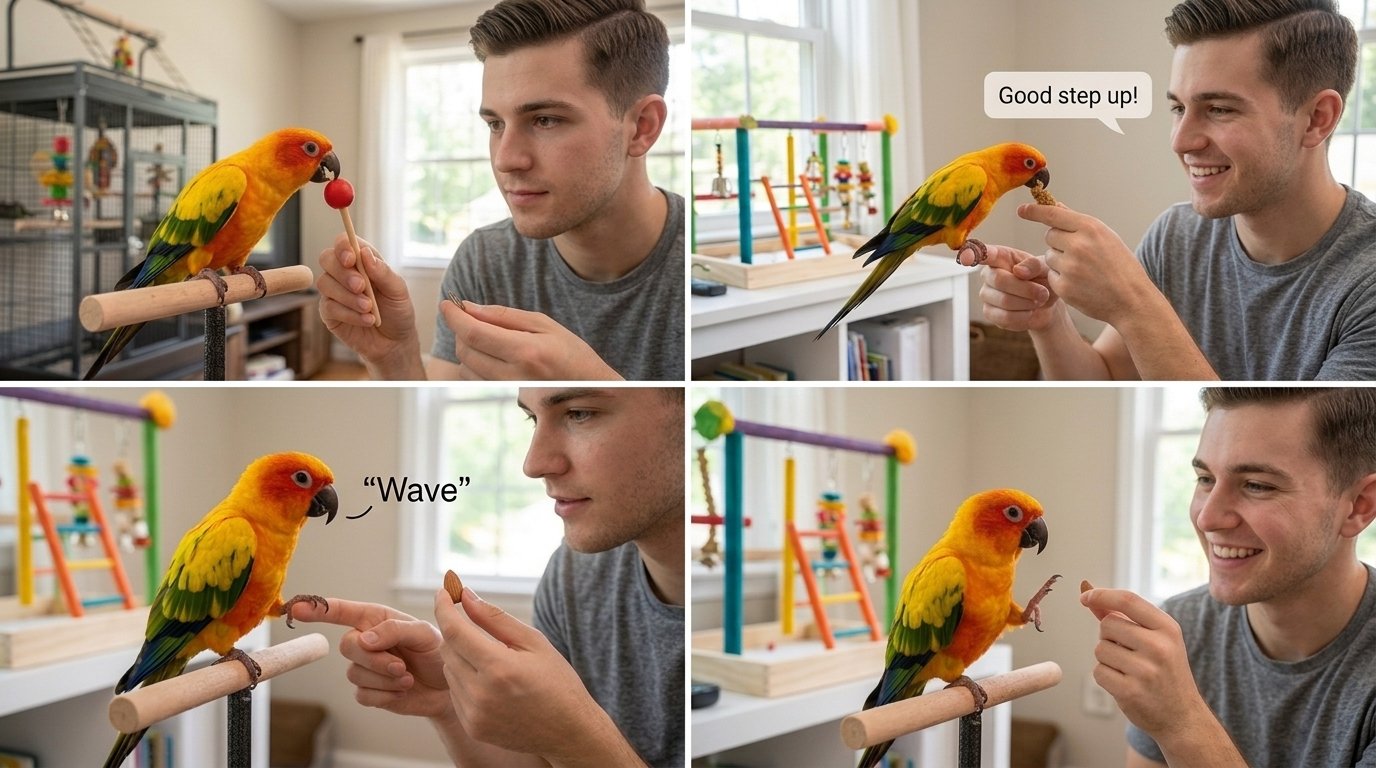
Positive Reinforcement Training
Teach your pet commands using positive reinforcement techniques. Reward them immediately when they follow your
commands. This method not only helps in training but also promotes a trusting relationship.
Make it Fun
If your pet enjoys training sessions, they will look forward to spending time with you. Use games, clickers,
or toys to make training enjoyable, promoting a stronger bond.
Consistency is Key
Be consistent in your commands and methods. This will help your pet understand what is expected of them and
strengthen their confidence in you as a reliable source.
Quality Time Together
Engaging in activities together can significantly enhance your bond. Here are some ideas:
Playtime
Incorporate play sessions into your daily routine, using toys that your pet enjoys. For dogs, fetch or tug-of-war
can be great bonding experiences, while cats often enjoy interactive toys.
Outdoor Adventures
Taking your pet on walks, hikes, or trips to the beach can be enjoyable for both of you. New experiences can
deepen your bond and improve your pet’s socialization skills.
Training Sessions
As previously mentioned, training should be a fun activity. This not only helps in teaching your pet good
behaviors but also creates shared experiences that strengthen your relationship.
Conclusion
Pet parenting is a rewarding experience that enriches the lives of both pets and their owners. By understanding
your pet’s needs, establishing trust, communicating effectively, and spending quality time together, you can
build a robust bond that lasts a lifetime. Remember that patience, consistency, and love are key elements in
nurturing the relationship with your furry friend. Your efforts will be richly rewarded with loyalty, affection,
and a joyful companionship that only pets can provide.
Frequently Asked Questions (FAQs)
1. How can I tell if my pet is happy?
Indicators of a happy pet include a relaxed body posture, wagging tail (for dogs), purring (for cats), and
engaging in playful behavior. Regular checks with a vet can also ensure their happiness is backed by good
health.
2. What should I do if my pet doesn’t trust me?
Building trust takes time. Start with gentle interactions and allow your pet to approach you on their own
terms. Use positive reinforcement to encourage good behaviors and avoid forcing interactions.
3. How much exercise does my pet need?
This depends on the type of pet you have. Dogs typically require daily walks and playtime, while cats enjoy
interactive play sessions. Consult with your vet to tailor an exercise regimen suitable for your pet’s
breed and age.
4. What is positive reinforcement training?
Positive reinforcement training involves rewarding your pet for good behaviors, using treats, praise, or
affection immediately to encourage those behaviors in the future.
5. How can I improve my bond with a rescue pet?
Rescue pets may need extra patience. Create a safe space, establish a routine, and use gentle, positive
interactions to help them feel secure and build trust.