
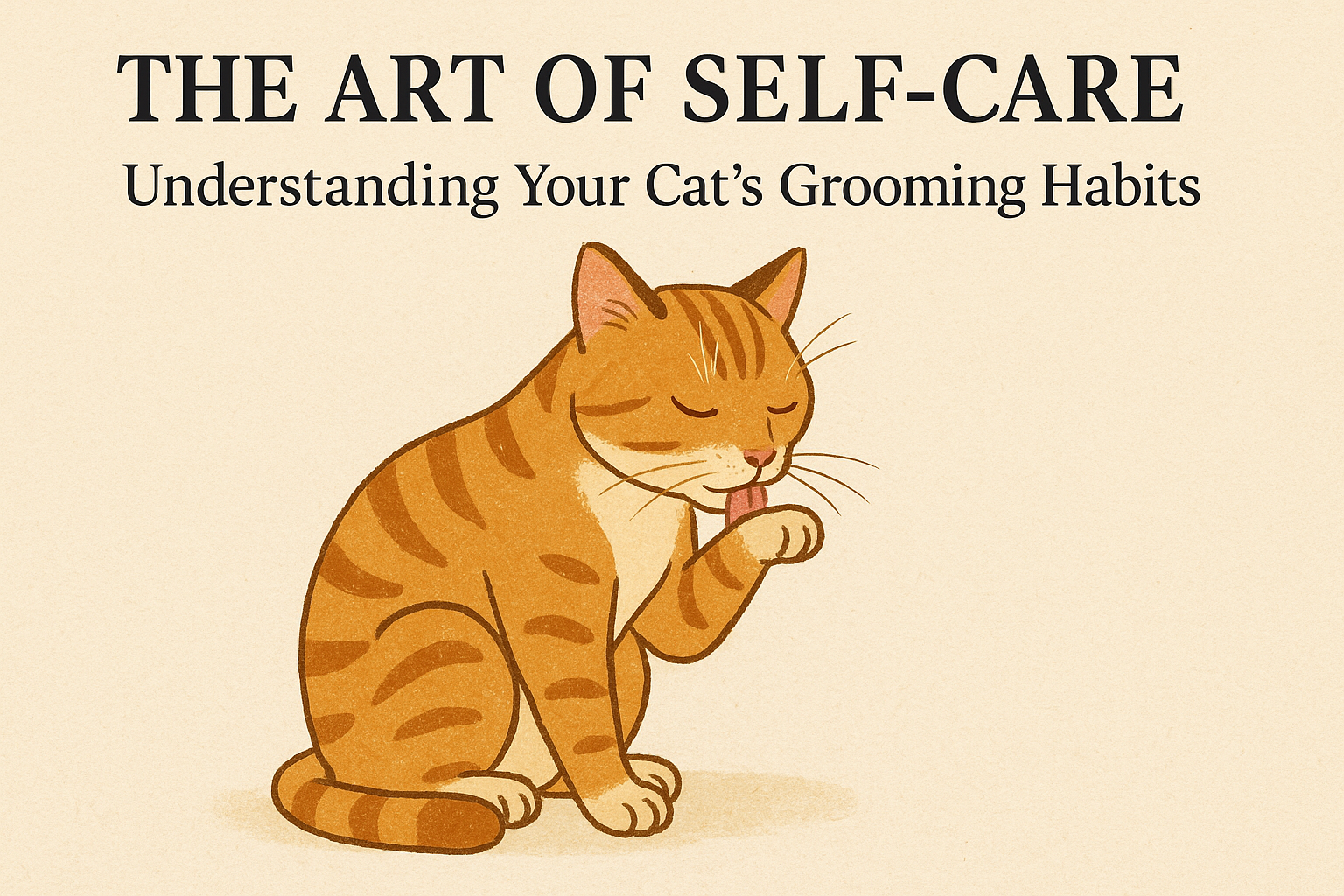
When you think of self-care, grooming might not be the first thing that comes to mind. However, for our feline friends, grooming is an essential aspect of their well-being. Just as we engage in various self-care practices to maintain our health, our cats perform their own grooming rituals that help them stay physically and mentally fit. In this article, we will explore the grooming habits of cats, their significance, and how you can enhance your cat’s grooming routine to promote its overall health.
Why Do Cats Groom Themselves?
Grooming is a natural behavior for cats, and it serves multiple purposes. Here are some key reasons:
-
- Hygiene: Grooming helps cats clean their fur, removing dirt, debris, and parasites.
-
- Temperature Regulation: By licking their fur, cats can regulate their body temperature.
-
- Stress Relief: Grooming can be soothing and is often done to calm themselves in stressful situations.
-
- Bonding: Cats may groom each other as a way to bond and strengthen social ties.
-
- Health Check: Regular grooming allows cats to check their bodies for abnormalities like lumps or injuries.
Understanding Your Cat’s Grooming Routine
Every cat has a unique grooming routine, and it’s essential for pet owners to understand these habits to ensure their furry companions are well-cared for. Here are some typical behaviors:
-
- Frequency: Most cats will groom themselves multiple times a day.
-
- Duration: Grooming sessions can last anywhere from a few minutes to an hour, depending on the cat’s needs and mood.
-
- Areas of Focus: Cats often pay special attention to areas that are hard to reach, like around the ears and between the toes.
-
- Social Grooming: Cats that are friendly with each other often engage in mutual grooming or allogrooming.
The Benefits of Regular Grooming
Regular grooming can have numerous benefits for your cat, including:
-
- Reduced Shedding: Regular grooming helps to remove loose fur, minimizing shedding in your home.
-
- Fewer Hairballs: By helping your cat remove loose hair, grooming can reduce the incidence of hairballs.
-
- Improved Skin Health: Grooming promotes blood circulation and can help maintain healthy skin.
-
- Bonding Time: Grooming can be a great opportunity for you to bond with your cat and help them feel secure.
How to Enhance Your Cat’s Grooming Habits
While cats are pros at grooming themselves, there are several ways you can support their grooming routine:
1. Regular Brushing
Brushing your cat regularly not only helps reduce shedding and hairballs but also strengthens your bond. Choose a brush that suits your cat’s fur type:
-
- Short-haired cats: Use a rubber brush or a fine-toothed comb.
-
- Long-haired cats: Opt for a slicker brush or a wide-toothed comb.
2. Bathing
Most cats don’t require frequent baths, but there are exceptions. If your cat gets into something dirty or has skin issues, consider giving them a bath:
-
- Use a cat-specific shampoo.
-
- Ensure that you’re using lukewarm water.
-
- Dry them gently with a towel afterward.
3. Nail Clipping
Regular nail clipping is essential for your cat’s hygiene and your home’s safety. Follow these tips:
-
- Use cat-specific nail clippers.
-
- Clip only the sharp tip of the nail, avoiding the pink area known as the quick.
-
- Start slowly and use treats and praise to keep your cat calm.
4. Check Their Ears and Teeth
Part of grooming is also ensuring your cat’s ears and teeth are healthy.
-
- Ears: Look for debris, odor, or excessive wax.
-
- Teeth: Regularly check for tartar buildup and consider dental treats.
Signs of Grooming Issues
As a cat owner, being observant is crucial. Be on the lookout for signs of grooming issues:
-
- Excessive Grooming: This could indicate anxiety or a skin condition.
-
- Neglecting Grooming: If your cat suddenly stops grooming, it can indicate health problems.
-
- Skin Changes: Look for sores, lumps, or unusual discoloration.
Conclusion
Understanding your cat’s grooming habits is an essential aspect of feline self-care. By recognizing the importance of grooming in a cat’s life and actively participating in their grooming routine, you can greatly enhance their overall health and happiness. Remember, grooming is not just about looks; it provides comfort, security, and a chance for bonding. Moreover, paying close attention to any changes in grooming behavior can help detect health issues early on. In cultivating a strong relationship with your cat, you’re giving them the love and care they deserve in their own version of self-care.
FAQs
1. How often should I groom my cat?
The frequency of grooming depends on the breed and fur type. Long-haired cats typically need daily grooming, while short-haired cats can be groomed once a week.
2. Is it normal for my cat to groom excessively?
Excessive grooming can signify stress, anxiety, or skin problems. If you notice this behavior, it’s best to consult with a veterinarian.
3. Can I use human shampoo on my cat?
No, human shampoos can irritate a cat’s skin. Always use products specifically designed for felines.
4. What if my cat hates being groomed?
Introduce grooming slowly and make it a positive experience using treats and gentle handling. If they continue to resist, consult a vet for advice.
5. How do I know if my cat’s grooming habits are normal?
Monitor the frequency and behavior during grooming. If changes occur (like increased or decreased grooming), contact your vet for guidance.
 PRINCE2030