
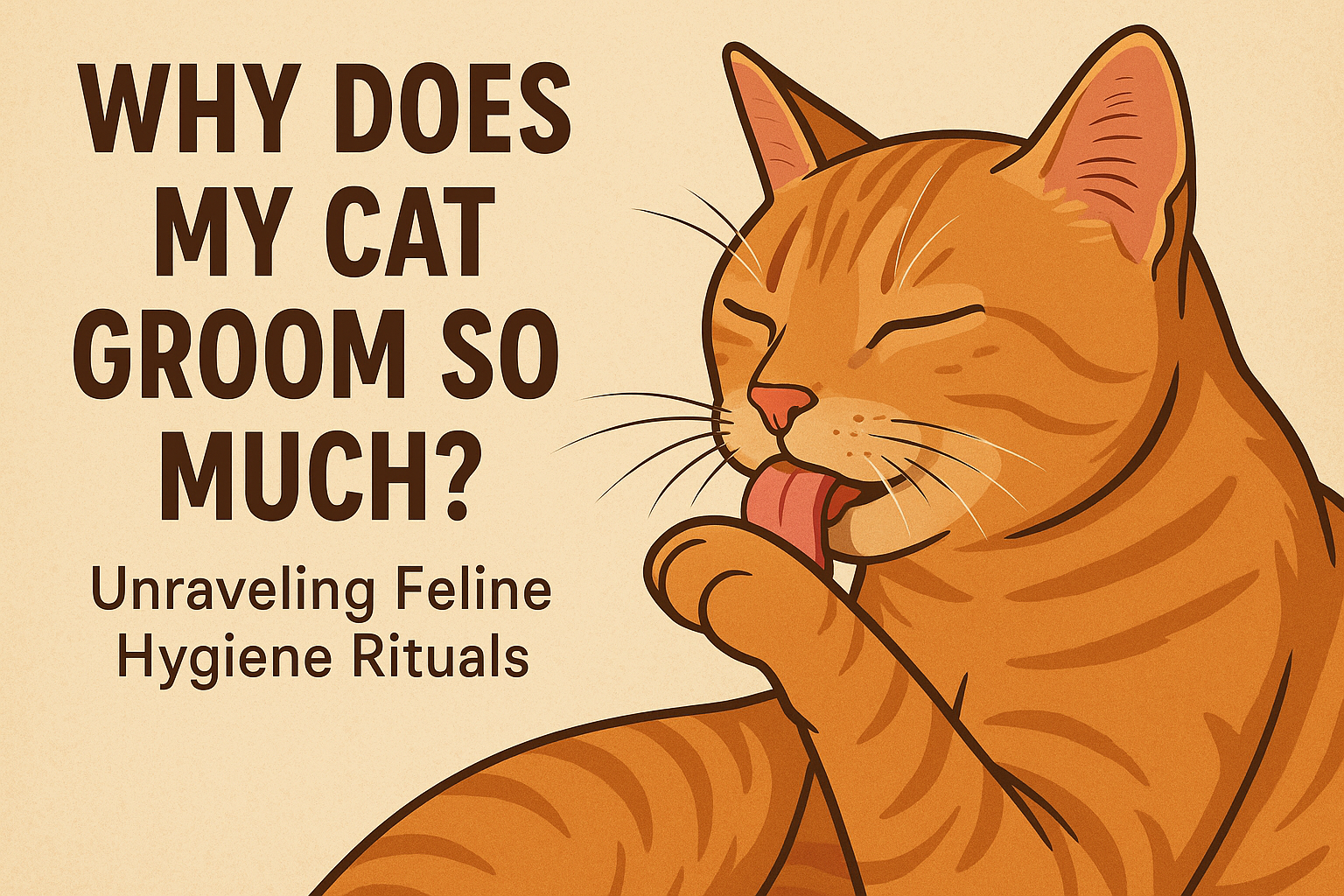
As cat owners, we often observe our feline companions engaging in prolonged grooming sessions, sometimes to the extent that it raises questions about their behavior. While grooming is a crucial part of a cat’s daily routine, excessive grooming can indicate various health and psychological issues. In this article, we will explore why cats groom so much, the significance of feline hygiene rituals, and what you should watch for when it comes to your cat’s grooming habits.
Understanding Feline Grooming Behavior
Before delving into the reasons why your cat may be grooming excessively, it’s essential to understand the primary functions of grooming in cats.
1. Hygiene Maintenance
One of the most important reasons cats groom themselves is hygiene maintenance. Cats are meticulous creatures, and grooming helps to:
-
- Remove dirt, debris, and loose fur from their coat.
-
- Regulate body temperature by generating air pockets in their fur for insulation.
-
- Distribute natural oils throughout their coat, keeping it healthy and shiny.
2. Stress Relief and Comfort
Grooming also serves as a calming behavior for cats. When felines self-groom, the repetitive motions provide them with comfort and stress relief, similar to how humans might engage in deep breathing or meditation. In stressful situations, a cat may increase their grooming to soothe themselves.
3. Social Interaction
In multi-cat households, grooming plays a significant role in social bonding. Cats often groom each other, a behavior known as allogrooming, which fosters trust and affection within their social group.
4. Medical and Behavioral Indicators
While grooming is a natural and essential behavior, excessive grooming can also be a sign of underlying medical or behavioral issues. This leads us to examine the reasons why your cat might be grooming excessively.
Reasons for Excessive Grooming
1. Skin Conditions
Several medical conditions can lead to excessive grooming:
-
- Parasites: Fleas, ticks, and mites can cause itching and discomfort in your cat. Their instinct will lead them to groom excessively in an attempt to alleviate the irritation.
-
- Allergies: Cats can suffer from food allergies or environmental allergies (like pollen and dust) that may result in itchy skin, leading to over-grooming.
-
- Dermatitis: Inflammation of the skin can stem from a variety of causes and may result in excessive grooming. This includes reactions to various substances, irritants, or infections.
2. Stress and Anxiety
Changes in your cat’s environment can lead to stress and anxiety, prompting your cat to groom more than usual. Here are some common stressors:
-
- New pets or family members in the home.
-
- Changes in routine (such as moving or significant changes in household activities).
-
- Loss or absence of a companion, whether human or animal.
-
- Environmental changes, such as loud noises or construction.
3. Boredom and Lack of Stimulation
Cats need mental and physical stimulation to stay engaged and healthy. If they feel bored or under-stimulated, they might resort to excessive grooming as a way to cope with boredom. Providing your cat with interactive toys or playtime can help reduce this behavior.
4. Obsessive-Compulsive Disorder (OCD)
Like humans, cats can suffer from obsessive-compulsive disorders, which can manifest as excessive grooming. This could be due to genetics, stress, or anxiety, leading them to perform certain activities, such as grooming, repetitively.
5. Pain or Discomfort
If a cat is in pain – whether from an injury or an internal issue (such as arthritis) – they may groom the affected area excessively. It can be their way of trying to cope with the pain. If you notice your cat focusing their grooming on a specific area, consult your veterinarian.
Monitoring Your Cat’s Grooming Behavior
Understanding what constitutes “normal” grooming behavior is critical for any cat owner. Typically, a healthy cat will groom several times a day but will not do so obsessively or to the point of creating bald patches or skin irritation. Here are a few signs to monitor:
-
- Increased frequency of grooming sessions.
-
- Grooming specific areas to the point of hair loss.
-
- Signs of discomfort during grooming, such as whining or flinching.
-
- Changes in your cat’s overall behavior, such as becoming withdrawn or aggressive.
When to Consult Your Veterinarian
If you notice a sudden increase in grooming or signs of distress or injury, it’s crucial to consult your veterinarian. A professional can help identify any underlying medical issues, prescribe appropriate treatments, and provide guidance on managing your cat’s behavior. Regular check-ups are essential for maintaining your cat’s health and identifying potential problems early on.
Conclusion
Grooming is a vital aspect of feline hygiene and behavior, serving multiple purposes from maintaining cleanliness to providing stress relief. While regular grooming is normal for cats, excessive grooming can indicate health or behavioral issues that may require attention. By understanding the reasons behind your cat’s grooming habits and monitoring their behavior, you can ensure your furry friend stays happy and healthy. Always consult with a veterinarian if you have concerns about your cat’s grooming patterns or overall health.
FAQs
1. Is it normal for my cat to groom for hours on end?
While grooming is an essential part of a cat’s routine, grooming for extended periods can indicate underlying issues, especially if it leads to bald spots or skin irritation. Keep an eye on their behavior and consult a vet if you are concerned.
2. How can I help reduce my cat’s excessive grooming?
Ensure your cat has enough mental and physical stimulation through interactive play and engaging toys. Maintaining a stress-free environment and addressing any potential medical issues with your vet are also crucial steps.
3. Can grooming be harmful to my cat?
Excessive grooming can be harmful as it may lead to skin injuries, infections, or hair loss. It’s important to monitor your cat’s grooming habits and seek veterinary advice if necessary.
4. What should I do if I suspect my cat has a skin condition?
If you suspect your cat has a skin condition, it’s best to schedule a visit with your veterinarian. They may perform tests and prescribe appropriate treatment based on the diagnosis.
5. Are there specific breeds that groom more than others?
While grooming habits can vary among individual cats, certain breeds, like the Siamese or Abyssinian, may groom more due to their high energy levels. However, it is important to monitor all breeds for potential signs of stress or health issues related to grooming.
 PRINCE2030