The Scoop on Superfoods: Boosting Your Pet’s Health Through Nutrition
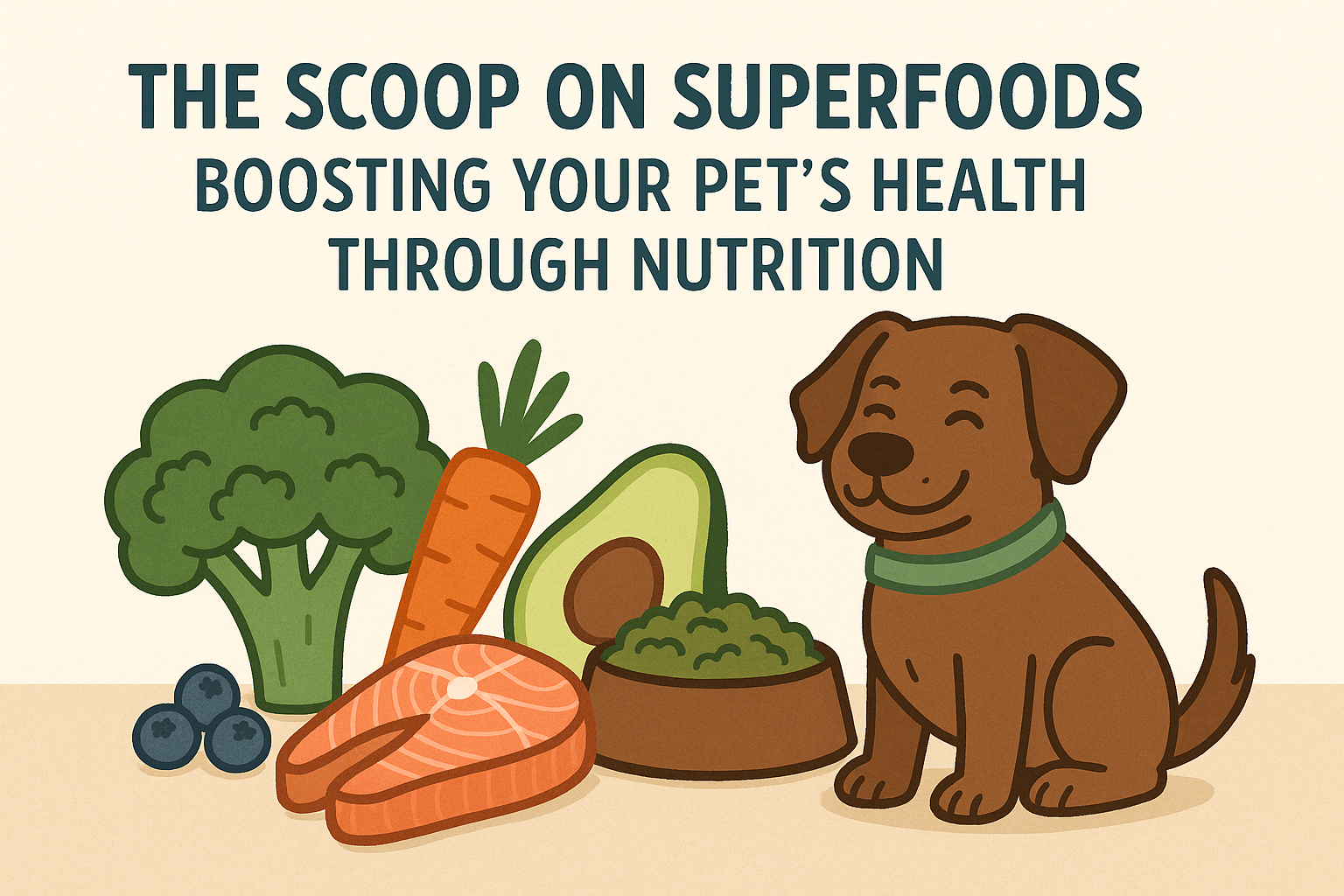
As pet owners, we always want what is best for our furry friends. An integral part of ensuring their well-being is through a balanced and nutritious diet. In recent years, the term “superfood” has gained popularity among pet enthusiasts, but what does it mean? This article explores superfoods for pets, their benefits, and how you can incorporate them into your pet’s diet for a healthier, happier life.
What Are Superfoods?
Superfoods are nutrient-rich foods that are exceptionally beneficial for health and well-being. They are typically low in calories but high in vitamins, minerals, antioxidants, and anti-inflammatory properties. While the term is widely used in the context of human nutrition, superfoods can be beneficial for our pets too.
Why Superfoods Matter for Pets
Just like humans, pets require a balanced diet to maintain optimal health. Integrating superfoods into your pet’s diet can significantly enhance their overall health. These foods can:
- Support immune function: Superfoods rich in antioxidants can help strengthen your pet’s immune system.
- Enhance coat health: Omega fatty acids from certain superfoods promote a shiny coat and healthy skin.
- Aid digestion: Fiber-rich superfoods can improve digestive health and prevent constipation.
- Reduce inflammation: Some superfoods have anti-inflammatory properties that can ease joint pain and promote mobility.
- Boost energy levels: Nutrient-dense superfoods can provide pets with sustained energy throughout the day.
Top Superfoods for Dogs
1. Blueberries
These little berries are packed with antioxidants and can boost cognitive function. They are low in calories and high in fiber, making them an excellent treat for dogs.
2. Salmon
Rich in omega-3 fatty acids, salmon promotes a healthy coat and skin. It also contains essential proteins and vitamins that can support heart health.
3. Sweet Potatoes
Sweet potatoes are a fantastic source of dietary fiber and beta-carotene. They help with digestion and are a healthier alternative to traditional carb sources.
4. Spinach
Leafy greens like spinach are packed with vitamins A, C, and K, along with iron and antioxidants that promote healthy immune function.
5. Pumpkin
Pumpkin is low in calories but high in fiber, making it great for digestive health. It’s also good for maintaining a healthy weight in pets.
Top Superfoods for Cats
1. Sardines
Sardines are rich in omega-3 fatty acids and provide a good source of protein. They are also beneficial for heart health and can help keep your cat’s coat shiny.
2. Chia Seeds
These tiny seeds are packed with omega-3 fatty acids, antioxidants, and fiber. They support heart health and are great for hydration, especially when mixed with water.
3. Eggs
Eggs are a complete protein source and contain essential amino acids. They support muscle growth and overall health in cats.
4. Kale
Kale is a powerhouse of vitamins A, C, and K and is filled with antioxidants that can support the immune system and reduce inflammation.
5. Green Peas
Green peas are high in fiber and a great source of protein for cats. They support overall digestive health and can be a tasty addition to meals.
How to Incorporate Superfoods into Your Pet’s Diet
Adding superfoods to your pet’s diet can be simple and enjoyable. Here are some tips:
- Mix with regular meals: Add small portions of superfoods to your pet’s current diet to enhance their nutritional intake.
- Homemade treats: Create homemade treats using superfood ingredients. For instance, bake sweet potato biscuits or freeze blueberry and yogurt bites.
- Consult with a vet: Before making significant dietary changes, consult your veterinarian to ensure the new additions suit your pet’s specific health needs.
- Monitor for allergies: As with any new food, introduce superfoods gradually and keep an eye out for any allergic reactions.
Potential Risks of Superfoods
While superfoods have various health benefits, it is crucial to be aware of potential risks:
- Portion Control: Overfeeding certain superfoods can lead to obesity. Always remember moderation is key.
- Individual Sensitivities: Some pets may have allergies or intolerances to certain foods. It’s essential to introduce new items gradually.
- Consultation: Always consult with your veterinarian before introducing superfoods or changing your pet’s diet to ensure safety and suitability for your pet’s health condition.
Conclusion
Superfoods can play a significant role in enhancing your pet’s health and longevity. Incorporating nutrient-rich options into their diet can help support their immune systems, improve their coats, aid digestion, and provide an overall boost in energy and vitality. However, it is vital to introduce new foods carefully and consult with your veterinarian regarding any dietary changes. Remember, a healthy pet is a happy pet!
FAQs
1. Can I feed my pet human food superfoods without modification?
No, some human foods are not safe for pets, so it’s essential to modify them appropriately or consult with your veterinarian.
2. Are all superfoods safe for both dogs and cats?
No, some superfoods are more suitable for dogs or cats SPECIFICALLY. Always ensure a food is safe for your specific pet before introducing it.
3. How often should I feed superfoods to my pet?
Superfoods should be given in moderation as part of a balanced diet. A small amount mixed into their regular meals is often sufficient.
4. Can superfoods substitute for regular pet food?
No, superfoods should complement a balanced diet and not replace regular pet food that contains all necessary nutrients.
5. What signs should I watch for when introducing superfoods to my pet’s diet?
Monitor your pet for any changes in behavior, digestion, or allergic reactions when introducing new foods. If any adverse effects occur, consult your veterinarian.