Pawsitive Parenting: Creative Tips for Raising Happy and Healthy Pets
Being a responsible pet owner is akin to being a parent. It involves nurturing, training, and ensuring that your furry companions lead fulfilling lives. Pawsitive parenting is all about offering a holistic approach to pet care, focused on wellness, happiness, and a deeper bond between you and your pets. Below, we’ll delve into creative tips that will help you raise healthy and happy pets.
The Importance of Pawsitive Parenting
Pawsitive parenting emphasizes positive reinforcement, understanding your pet’s needs, providing enrichment for mental stimulation, and nurturing socialization. This approach not only builds trust between you and your pet but also contributes to their emotional well-being. Pets often mirror their owners’ behaviors and emotions, and a calm, structured, and loving home promotes good behavior in pets.
1. Positive Reinforcement Training
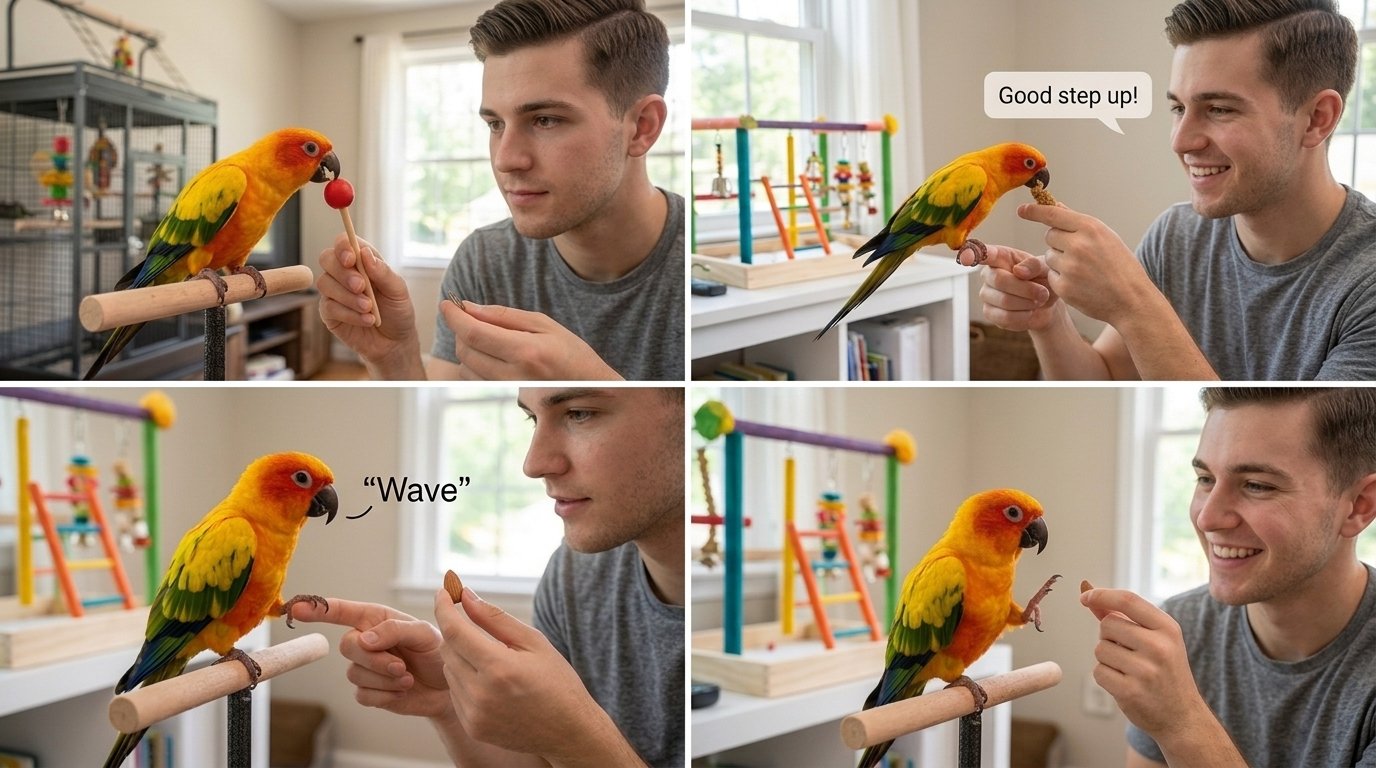
Training your pet through positive reinforcement is one of the most effective methods. Instead of punishing undesirable behavior, reward good behavior with treats, praises, or affection. This method encourages pets to repeat positive actions while creating a trusting relationship.
Creative Training Tips
- **Clicker Training**: Use a clicker as a marker when your pet performs the desired action. This method provides a clear signal and rewards them with a treat immediately.
- **Interactive Games**: Incorporate fun activities like hide-and-seek, where you can reward them for finding you. This not only trains them but also promotes bonding.
- **Target Training**: Teach your pets to touch a target (like your palm or a stick) with their nose. Gradually, you can use this skill to guide them into various behaviors.
2. Nutrition and Health
Providing a balanced diet is crucial for your pet’s health and happiness. Consult your veterinarian about the best diet suitable for your pet’s age, breed, and health conditions.
Creative Feeding Tips
- **Homemade Treats**: Make nutritious treats at home using ingredients like pumpkin, peanut butter, and oats. Simple recipes can strengthen the bond and ensure your pet enjoys healthful snacks.
- **Puzzle Feeders**: Use puzzle feeders that challenge your pet to work for their food. This not only makes mealtime fun but also mentally stimulates them.
- **Routine Check-Ups**: Schedule regular vet visits to ensure your pet remains in optimal health. Early detection of health issues can dramatically improve your pet’s lifestyle.
3. Physical Activity and Enrichment
Physical exercise is vital for keeping your pet healthy. Regular activity helps prevent obesity, promotes cardiovascular health, and releases pent-up energy. Enrichment activities will stimulate your pet mentally, preventing boredom.
Creative Activities for Physical and Mental Stimulation
- **Nature Walks and Adventures**: Take your dog on hikes or nature walks. Change up the scenery regularly to keep them engaged.
- **Agility Training**: Create an agility course in your backyard using household items. This can include jumps, tunnels, or weave poles, promoting exercise and obedience.
- **Interactive Toys**: Use toys that dispense treats when manipulated. This is a fun way for pets to keep busy while rewarding them.
4. Socialization and Interaction
Socialization is key to ensuring your pet develops into a well-adjusted adult. Proper socialization reduces fear, anxiety, and aggression in pets.
Creative Socialization Tips
- **Puppy Training Classes**: For dogs, enrolling in classes exposes them to various environments and other pets.
- **Doggie Playdates**: Organize playdates with other friendly dogs to help them learn appropriate social behaviors.
- **Pet-Friendly Events**: Attend local pet events or fairs where your pet can meet new people and animals.
5. Creating a Safe Environment
A safe environment is crucial for your pet’s well-being. Remove hazards and provide a comfortable space where they can retreat when feeling overwhelmed.
Creative Safety Tips
- **Pet-Proofing Your Home**: Ensure that items like toxic plants, electrical cords, and small objects are out of reach.
- **Comfort Zones**: Create a designated area with a cozy bed or blanket where your pet feels secure. Encourage them to use this peaceful space when they need it.
- **Identification and Microchipping**: Ensure your pet has a collar with an ID tag and is microchipped in case they get lost.
Conclusion
Pawsitive parenting employs a nurturing, thoughtful, and creative approach to pet care. By focusing on positive reinforcement, proper nutrition, physical activity, socialization, and safety, you create an environment where your pet can thrive emotionally and physically. The bond you develop with your pet through these methods enhances their happiness and your mutual companionship. Remember, the joy that pets bring to our lives is immense, and it is our duty to ensure they live happy, healthy lives in return.
FAQs
Q: What is positive reinforcement training?
A: Positive reinforcement training is a method of training that rewards good behavior instead of punishing bad behavior. This encourages pets to repeat desired actions.
Q: How often should I exercise my pet?
A: Exercise needs vary by species and breed, but most dogs require at least 30 minutes to 2 hours of exercise daily. Cats also benefit from regular playtime for mental and physical stimulation.
Q: How can I tell if my pet is happy?
A: Signs of a happy pet include a relaxed body posture, wagging tails (for dogs), playful behavior, and a general eagerness to interact with you and their environment.
Q: What can I do to help my pet with separation anxiety?
A: Gradually train your pet to be alone for small periods, use puzzle toys to keep them distracted, and create a comfortable space for them when you’re gone. Consult with a veterinarian if severe anxiety persists.