Meow-velous Meals: Tailoring Diets for Cats of All Ages
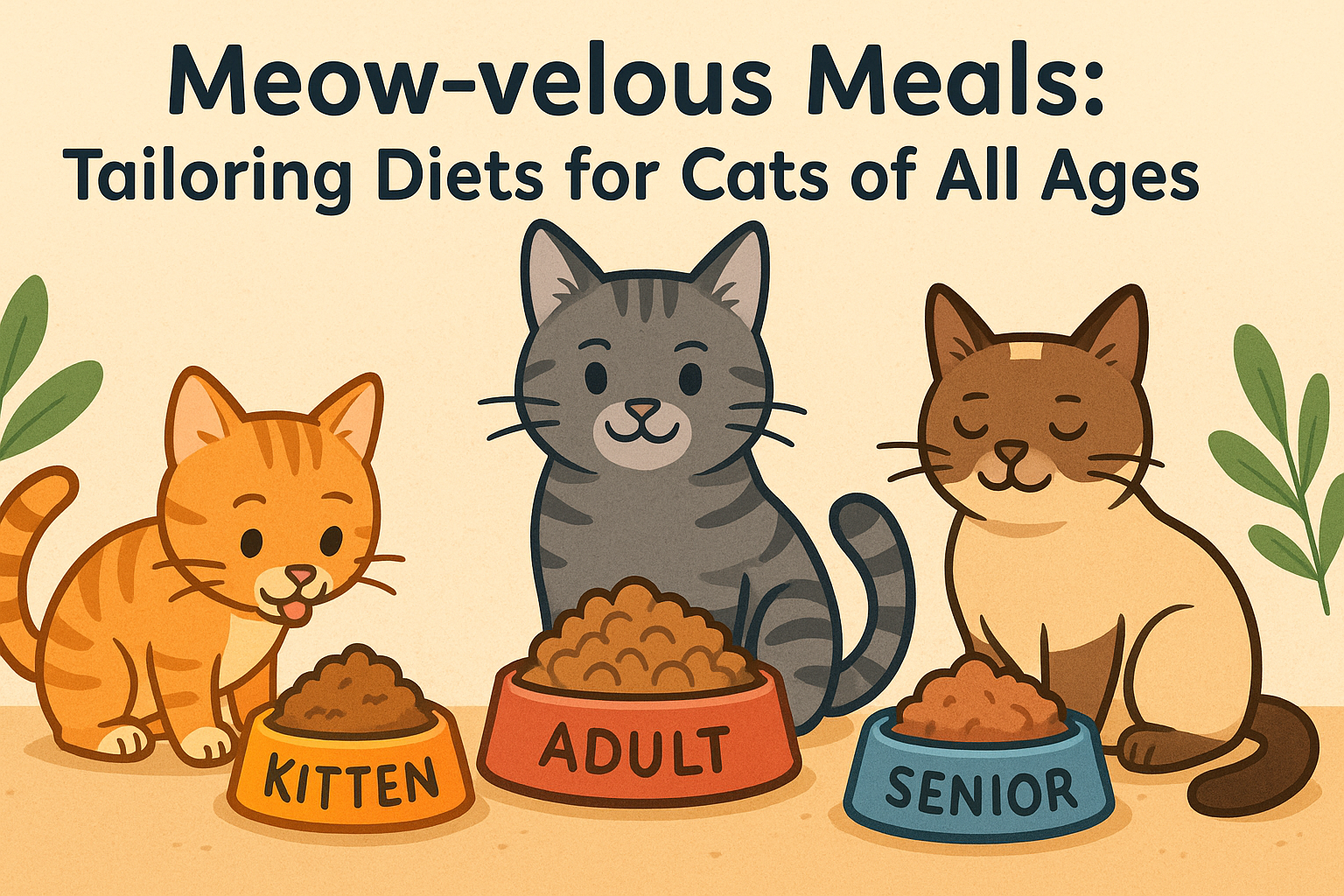
Cats are often considered to be some of the most mesmerizing creatures. Their purring, playful antics, and charming demeanor make them cherished members of the family. However, to ensure that our feline friends lead healthy and spirited lives, it’s crucial to tailor their diets according to their age, health condition, and lifestyle. This comprehensive guide will provide a thorough understanding of the nutritional needs of cats at different stages of life and how to meet these requirements effectively.
The Importance of a Tailored Diet
Just like humans, cats have specific dietary needs that evolve over their lifetime. The choices made regarding their food can significantly impact their health, behavior, and overall well-being. Here are several reasons why a tailored diet is essential:
- Health Management: Custom diets can help manage common health issues like obesity, diabetes, and renal problems.
- Weight Control: Proper nutrition helps in maintaining a healthy weight, which is crucial for overall health.
- Development Needs: Young kittens have different nutritional requirements than adult or senior cats to support their growth.
- Behavioral Impact: Feeding schedules and diets can influence a cat’s behavior and temperament.
Diets for Kittens (0-1 Year)
During their first year, kittens experience rapid growth and development. This phase is critical for their physical and cognitive abilities, which means they require a diet high in calories, protein, and essential nutrients. The key components of a kitten’s diet include:
- High Protein Content: Look for formulas containing at least 30-35% protein to support growth.
- Healthy Fats: Fatty acids are essential for brain development; seek out diets rich in DHA and EPA.
- Calcium and Phosphorus: These minerals support bone development and growth; ensure a balanced ratio of 1.2:1 of calcium to phosphorus.
- Wet and Dry Food Combination: Mix both types to ensure hydration and assist in plaque control.
Feeding Guidelines for Kittens
Kittens should be fed small meals multiple times a day. Ideally, aim for 4-5 meals spread throughout the day. Monitor their growth and adjust the food quantity based on their activity level and weight gain. It’s also essential to introduce food varieties gradually to avoid digestive issues.
Dietary Needs for Adult Cats (1-7 Years)
Adult cats require well-balanced diets that maintain their energy levels and support overall health. Their energy needs depend on their lifestyle — active cats need more calories than sedentary ones. Key considerations for adult cats include:
- Balanced Protein: Look for a high-quality protein source as the first ingredient, approximately 25-30% of their diet.
- Moderation in Fat: Aim for around 15-20% fat to maintain healthy energy levels.
- Fiber: Include a source of fiber for digestive health and weight management.
- Hydration: Encourage hydration by providing water fountains or wet food.
Feeding Guidelines for Adult Cats
Adult cats typically thrive on two meals a day. Measure their food to prevent obesity, and consider portion control as their activity level fluctuates. Always observe for any changes in behavior or body condition and adjust their diet accordingly.
Nutritional Considerations for Senior Cats (7+ Years)
As cats age, their metabolism and nutritional requirements change. Senior cats may experience health problems like arthritis, kidney disease, or obesity; thus, their diet should focus on maintaining their health and quality of life. Important aspects of a senior cat’s diet include:
- Easy-to-Digest Proteins: Provide quality protein sources that are easier to digest, aiming for at least 25% protein.
- Lower Calories: Senior cats can be less active; consider reducing calorie intake to prevent obesity.
- Joint Health: Look for supplements like glucosamine and omega-3 fatty acids to promote joint health.
- Hydration Support: Ensure they have access to clean water at all times and consider wet food for hydration.
Feeding Guidelines for Senior Cats
Many senior cats do well on two meals a day or can be offered free feeding schedules, depending on their weight. Regular vet checkups are necessary to assess their nutritional needs and adjust their diet accordingly.
Special Dietary Needs
Cats with specific health issues may require specialized diets. Here are some common situations where tailored diets can make a significant difference:
- Weight Management: Use weight control formulas to help cats shed excess pounds.
- Kidney Issues: Renal diets are lower in protein and phosphorus to support kidney function.
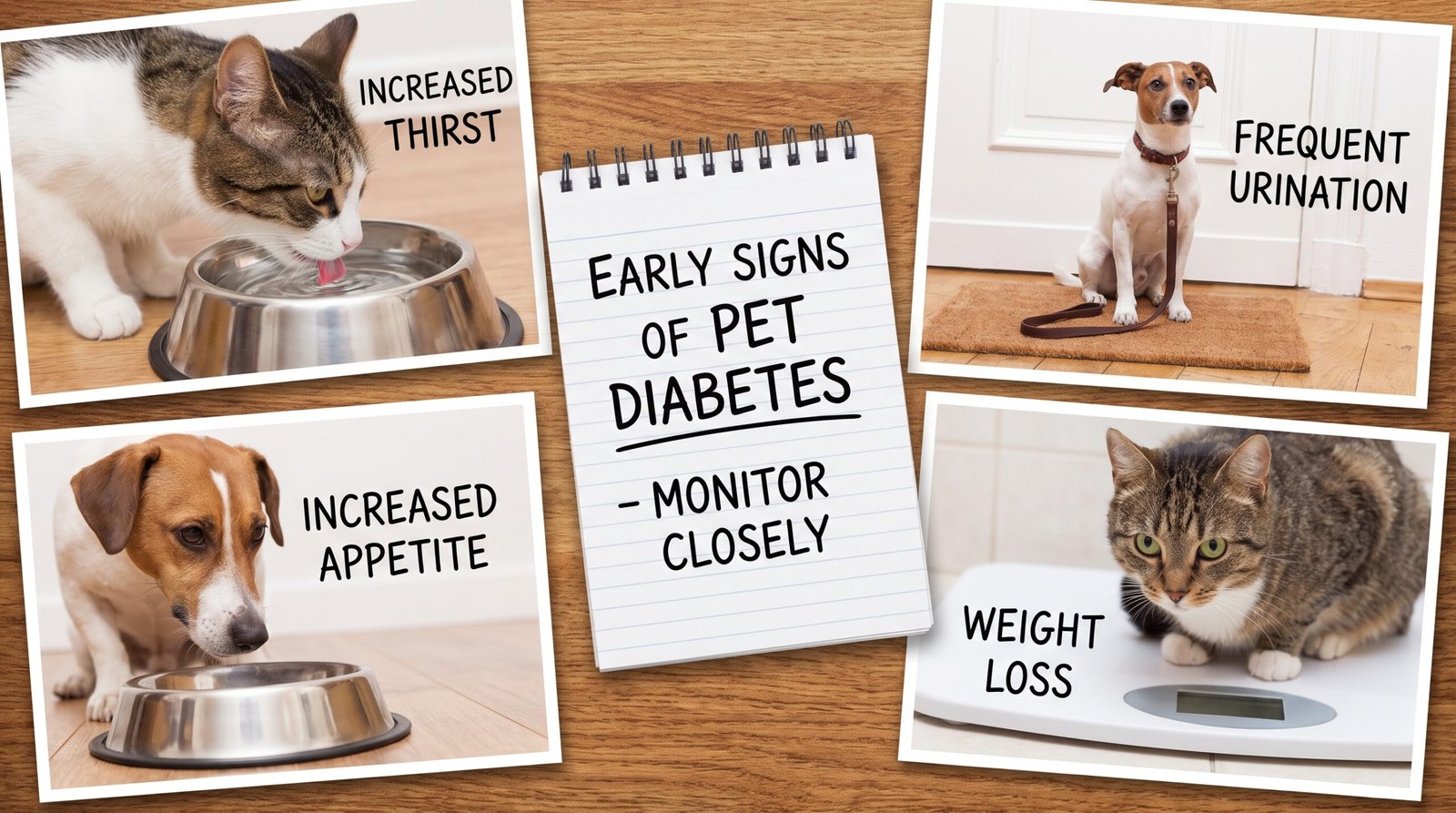
- Diabetes Management: High-fiber, low-carb diets can help regulate blood sugar levels.
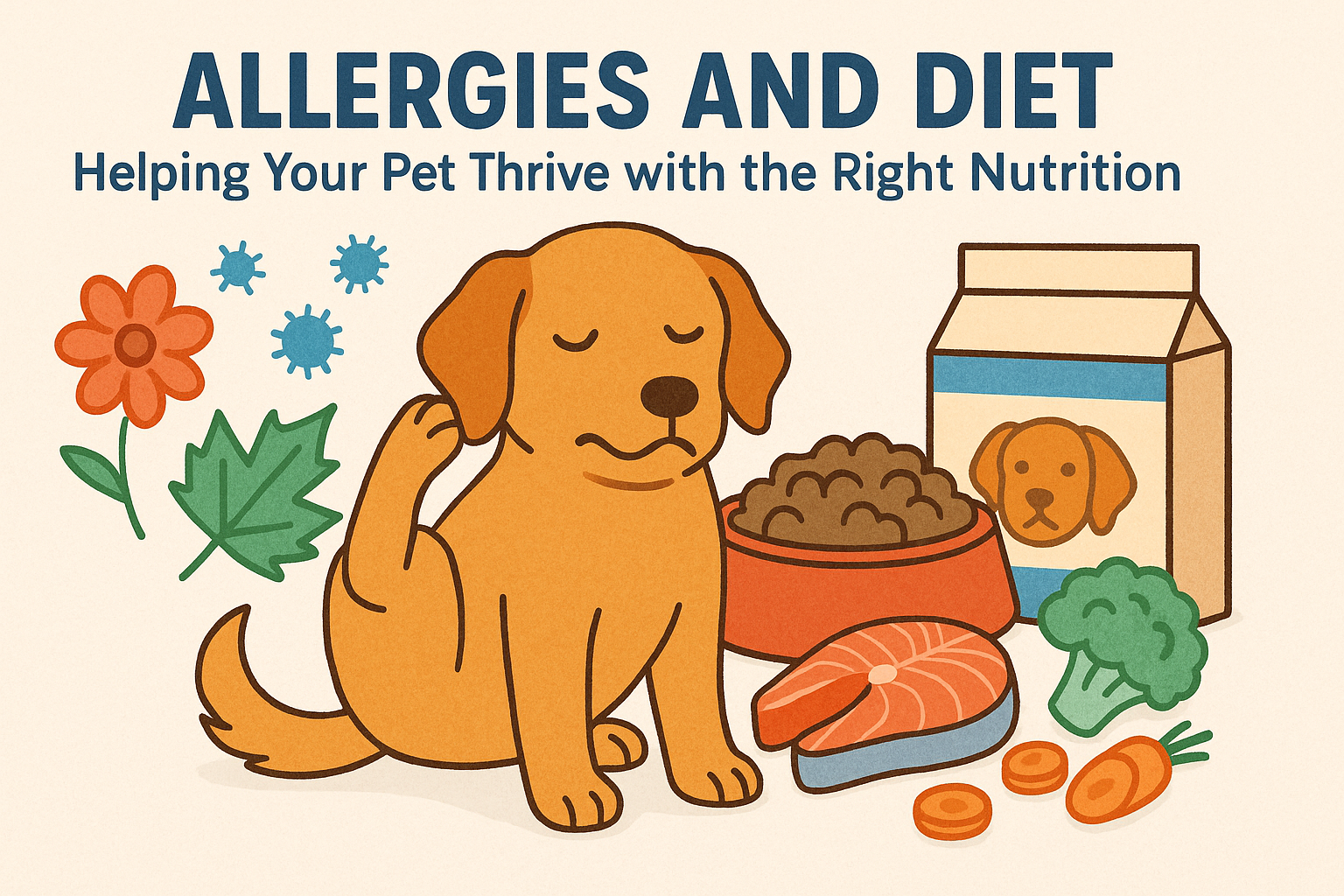
- Allergies: Elimination diets can identify food sensitivities; consult with a vet for guidance.
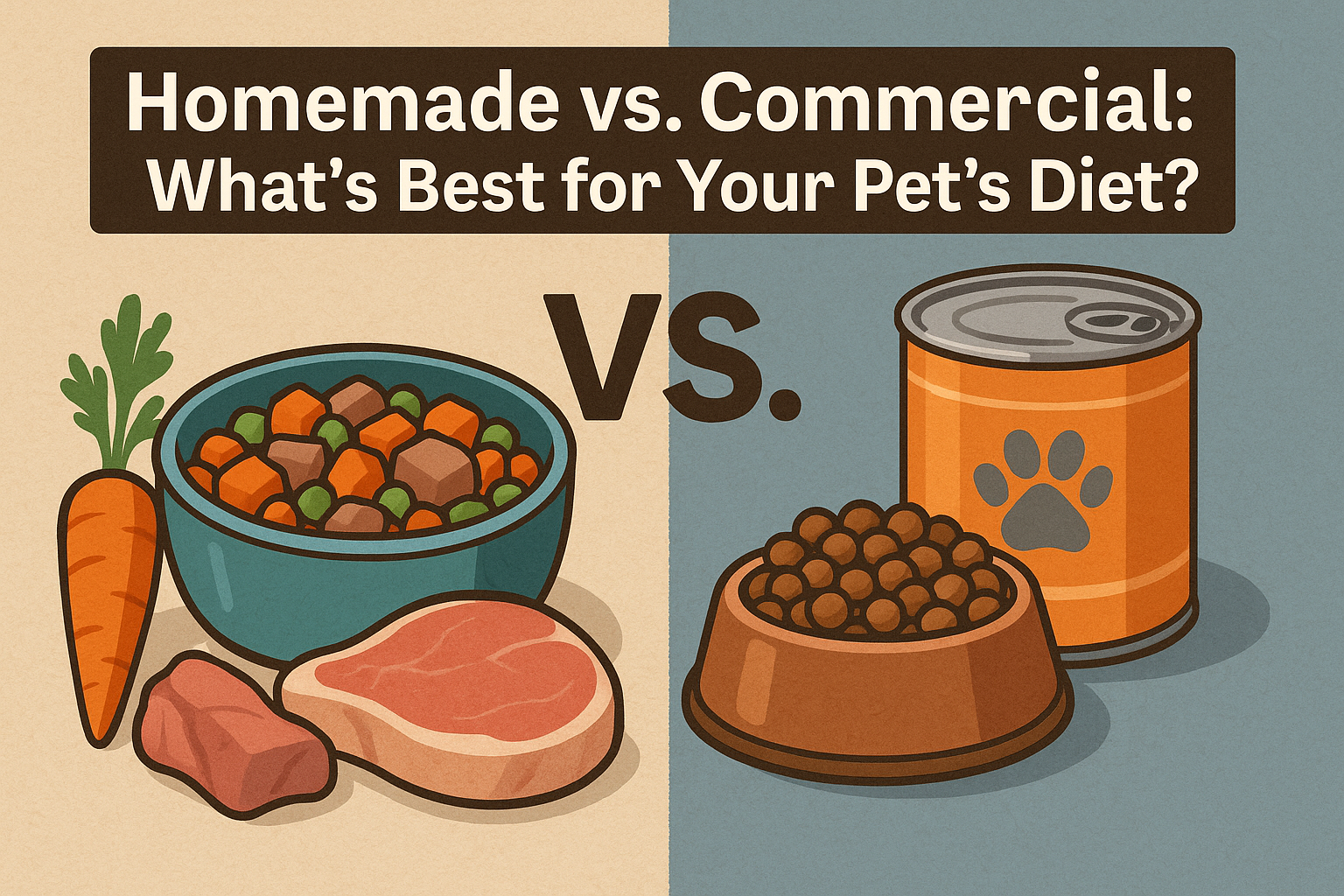
Homemade Diets for Cats
Some pet owners opt to prepare homemade meals for their cats. While this can be satisfying, it’s crucial to ensure that the diet is nutritionally balanced. Here are some tips:
- Consult a Veterinarian: Before making homemade diets, consult with a veterinarian or a pet nutritionist.
- Balance is Key: Ensure the diet contains proteins, fats, vitamins, and minerals.
- Introduce Slowly: Transition slowly to prevent digestive upset.
- Avoid Toxic Foods: Be aware of foods that are toxic to cats, such as onions, chocolate, and garlic.
Conclusion
Feeding our felines is both a science and an art. By understanding the nutritional needs of cats at various life stages, we can ensure they lead happy, healthy lives. From vital kitten nutrition to specialized diets for senior cats, every phase offers unique dietary challenges and opportunities. Always consult with your veterinarian when making dietary changes or addressing specific health issues. Remember, a well-nourished cat is a happy and healthy cat.
FAQs
1. How often should I feed my cat?
Kittens should be fed 4-5 small meals a day, while adult cats usually thrive on 2 meals. Senior cats can also be fed 2 meals, but free feeding may work depending on their weight.
2. Can cats be vegetarian or vegan?
Cats are obligate carnivores, meaning they need nutrients found primarily in animal products. A vegetarian or vegan diet can lead to nutritional deficiencies and health issues.
3. What are some common cat food allergens?
Common allergens for cats can include beef, dairy, fish, and grain products. If you suspect your cat has food allergies, consult with a veterinarian for proper diagnosis and dietary adjustments.
4. How can I transition my cat to a new food?
Gradually introduce the new food by mixing it with the old food over a week or more. Start with a small amount of the new food and increase it gradually while decreasing the old food.
5. Should I give my cat supplements?
Supplements can be beneficial, especially for senior cats or those with specific health issues; however, always consult with a veterinarian before adding supplements to your cat’s diet.