
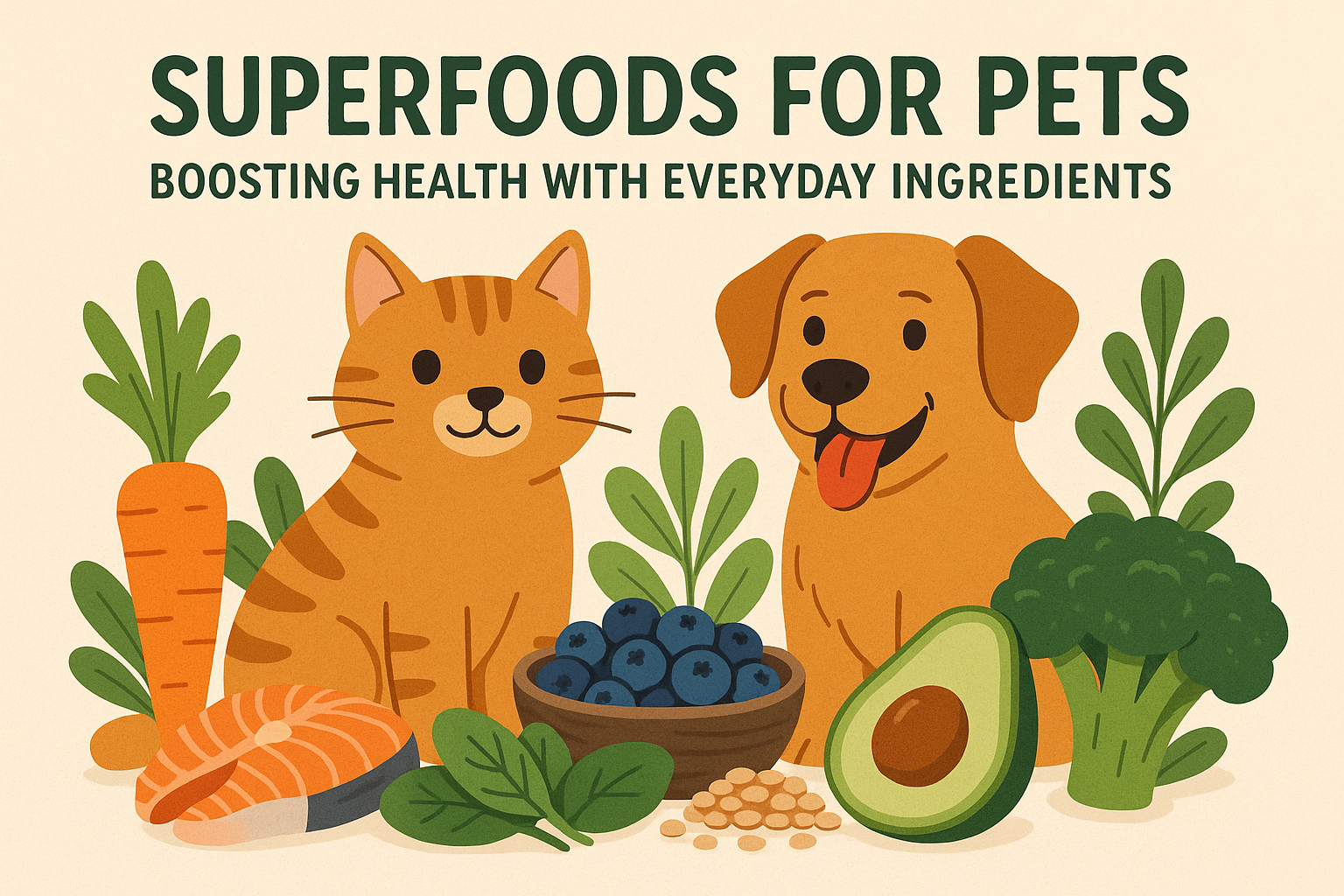
As pet owners, we strive to provide the best for our furry companions. Just as we are aware of our own nutritional needs, it’s essential to recognize that our pets require proper nourishment to thrive. In recent years, the term “superfood” has gained popularity and is now making its way into the pet food industry. Superfoods are nutrient-rich foods considered to be especially beneficial for health and well-being. This article explores various superfoods for pets, their health benefits, and how to incorporate them into your pet’s diet using everyday ingredients.
What are Superfoods?
Superfoods are foods that are packed with vitamins, minerals, and antioxidants, which contribute to overall health. These foods often contain a higher concentration of nutrients compared to standard ingredients. When it comes to pets, these superfoods can help prevent chronic diseases, support immune function, and improve overall vitality. Incorporating superfoods into your pet’s diet can lead to a healthier, happier life.
Your Pets and Superfoods
Understanding Pets’ Nutritional Needs
Pets, particularly dogs and cats, have specific dietary requirements that vary based on their age, size, breed, and health conditions. A balanced diet typically includes:
- Proteins for muscle development and energy.
- Fats for healthy skin and coat.
- Carbohydrates for energy.
- Vitamins and minerals for bodily functions and overall health.
Superfoods can enhance this balance by providing additional health benefits. Let’s explore some of the most effective superfoods for pets.
Top Superfoods for Pets
1. Blueberries
Blueberries are rich in antioxidants, vitamins C and K, and fiber. This small fruit helps support a strong immune system and may reduce the risk of certain diseases. Their high antioxidant content can also help combat inflammation.
2. Pumpkin
Pumpkin is an excellent source of fiber, which is beneficial for digestion. It can help regulate bowel movements and prevent constipation in pets. Additionally, pumpkin is loaded with vitamins A and C, which promote healthy skin and vision.
3. Spinach
Spinach is packed with nutrients such as iron, fiber, and antioxidants. It can help support your pet’s overall health, especially heart health. The vitamins and minerals present in spinach contribute to optimal bodily functions.
4. Salmon
Salmon is a fantastic source of omega-3 fatty acids, which promote healthy skin and coat. Omega-3s also have anti-inflammatory properties, supporting joint health in pets, especially in senior animals.
5. Sweet Potatoes
Sweet potatoes are a delicious alternative to regular carbohydrates. They are rich in vitamins B6, C, and D, as well as beta-carotene. Their high fiber content helps maintain digestive health and keeps your pet feeling full longer.
6. Chia Seeds
Chia seeds are tiny but packed with nutrients. They are high in omega-3 fatty acids, protein, and fiber. These seeds can help improve digestive health and support heart health. Plus, they are easy to sprinkle over your pet’s food!
7. Quinoa
Quinoa is a gluten-free grain that is high in protein and contains essential amino acids. It provides a good source of energy while promoting overall health. Quinoa is particularly beneficial for pets with sensitive stomachs or allergies to conventional grains.
How to Incorporate Superfoods into Your Pet’s Diet
Introducing superfoods into your pet’s diet can seem daunting, but it can be done easily with a few simple tricks:
1. Mix Them into Regular Meals
Start by mixing small amounts of superfoods into your pet’s regular meals. Over time, you can increase the quantity based on your pet’s preferences and tolerance.
2. Use Homemade Treats
Many superfoods can be used in homemade pet treats. For instance, you can bake pumpkin and peanut butter biscuits, or make blueberry smoothie treats.
3. Make Smoothies or Purees
If your pet is more of a picky eater, consider making a smoothie or puree and adding a spoonful to their regular food. This way, they can benefit from the nutrients without having to chew on solid ingredients.
4. Consult with Your Veterinarian
Before you introduce any new foods into your pet’s diet, it’s essential to consult with your veterinarian. They can provide guidance on portion sizes and which superfoods are most suitable for your specific pet.
Potential Risks and Considerations
While superfoods can provide health benefits, it’s crucial to ensure they are safe for your pet. Here are a few considerations:
- Allergies: Monitor your pet for signs of allergies or sensitivities when introducing new foods.
- Balanced Diet: Ensure that superfoods supplement rather than replace a balanced diet. Too much of any food can lead to imbalances.
- Portion Control: Start with small amounts, as large quantities of superfoods may cause digestive upset.
Conclusion
Integrating superfoods into your pet’s diet does not need to be complicated. By utilizing everyday ingredients like blueberries, pumpkin, and salmon, you can boost your pet’s health and overall vitality. The key is to introduce these superfoods gradually and to maintain a balanced diet tailored to your pet’s unique needs. Always consult your veterinarian before making significant changes to your pet’s diet to ensure their health and wellness.
Frequently Asked Questions (FAQs)
1. Can I feed my pet superfoods daily?
Yes, superfoods can be included in your pet’s daily diet if they are introduced gradually and in appropriate amounts. Balance is key, so they should complement a well-rounded diet.
2. Are all superfoods safe for my pet?
No, not all superfoods are safe for pets. Some foods, like grapes and onions, can be harmful to dogs and cats. Always consult with your veterinarian beforehand.
3. How can I tell if my pet is benefitting from superfoods?
Look for improvements in overall health, energy levels, coat condition, and digestion. Regular veterinary check-ups will also help monitor your pet’s health over time.
4. Can I give my pet human food as superfoods?
Many human foods are safe for pets as long as they don’t contain harmful ingredients and are prepared properly. Always research and confirm with your vet before offering any new food.
5. What are some signs my pet may have a food allergy?
Signs of food allergies can include itching, skin irritations, gastrointestinal upset, or changes in behavior. If you notice any adverse reactions, consult your veterinarian immediately.