
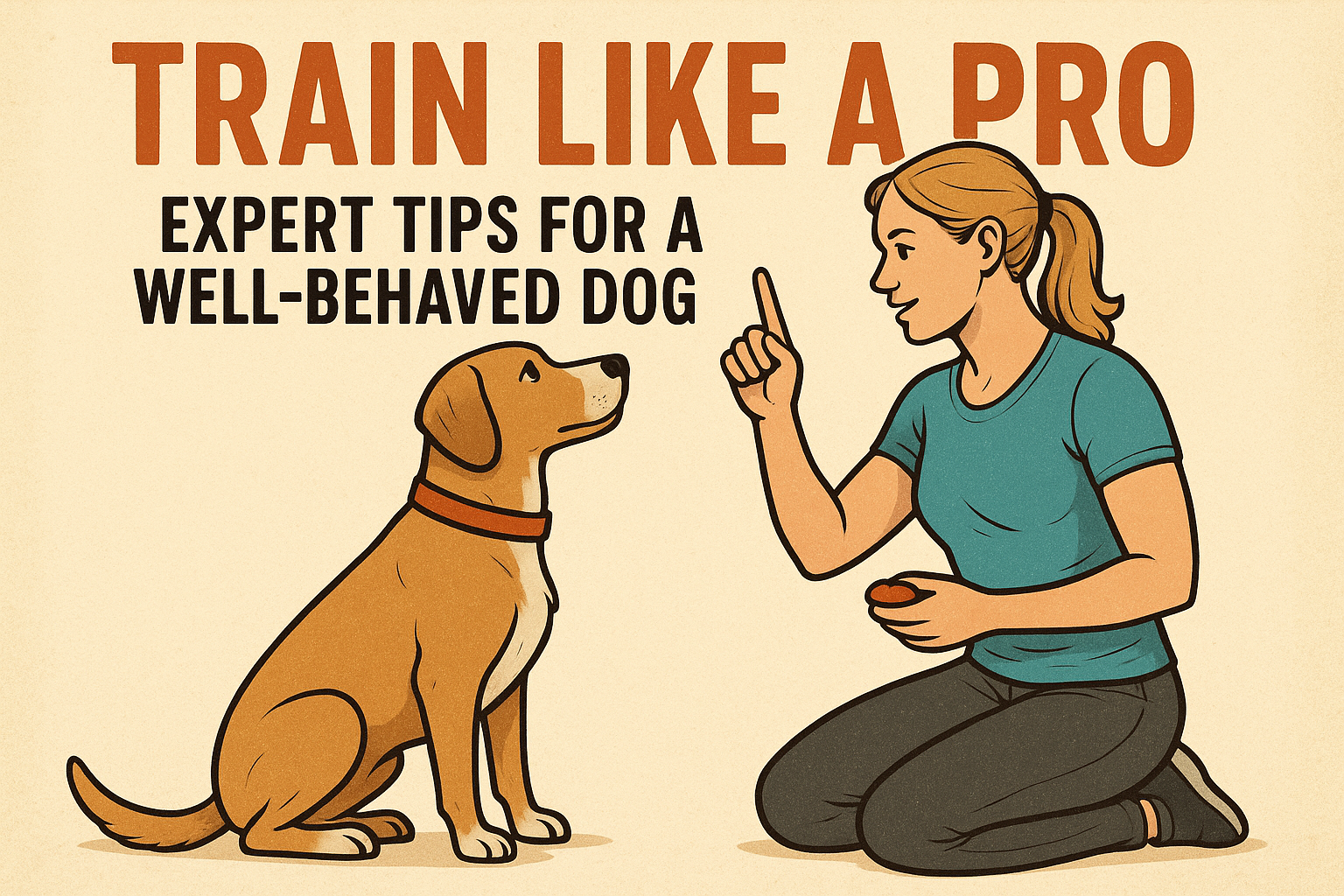
Training your dog is one of the most rewarding experiences you can have as a dog owner. Not only does it create a well-behaved companion, but it also helps to strengthen the bond between you and your pet. Whether you are a first-time dog owner or have experience training dogs, there are always new techniques and strategies to learn. In this article, we’ll share expert tips on how to train your dog effectively and ensure they exhibit good behavior.
The Importance of Training
Training isn’t just about teaching commands; it’s an essential part of responsible dog ownership. A well-trained dog is happier, safer, and more enjoyable to be around. Here are some reasons why training is crucial:
- Enhances Communication: Training helps you communicate better with your dog, promoting understanding and reducing frustration.
- Promotes Good Behavior: Dogs that receive training are less likely to exhibit undesirable behaviors such as chewing, barking, or jumping on people.
- Boosts Confidence: Training builds confidence in your dog, leading to a more secure and stable pet.
- Strengthens the Bond: Training sessions provide quality one-on-one time, strengthening your relationship with your furry friend.
Get Started: Understanding Your Dog’s Needs
Before diving into specific training techniques, it’s important to understand your dog’s unique personality and needs. Here are steps to consider:
Assess Your Dog’s Temperament
Every dog has a unique temperament. Take time to observe your dog’s behavior:
- Is your dog naturally calm or energetic?
- Does your dog respond well to praise and rewards?
- How does your dog react to new environments or people?
Age Considerations
The age of your dog can significantly impact training. Puppies are typically more receptive to learning new things, while older dogs may require different strategies.
- Puppy Training: Focus on basic commands (sit, stay, come) and socialize them with various environments.
- Adult Dog Training: Reinforce existing commands and address any undesirable behaviors.
Consult a Professional Trainer
If you’re struggling with training your dog, consider consulting a professional. Trainers can provide insights tailored to your dog’s needs and help you navigate specific challenges.
Essential Training Techniques
Positive Reinforcement
Positive reinforcement is one of the most effective training methods. It involves rewarding desired behaviors, which encourages your dog to repeat them. This can include:
- Treats or food rewards
- Praise and petting
- Playtime with a favorite toy
When using positive reinforcement, it’s essential to reward your dog immediately after they perform the desired behavior to help them associate it with the reward.
Consistency is Key
Consistency helps your dog understand what is expected of them. Use the same commands and cues for specific behaviors, and ensure all family members enforce these rules.
Time Your Training Sessions
Short, focused training sessions are more effective than long, drawn-out ones. Aim for 5-10 minute sessions a few times a day. Dogs have short attention spans, so keeping sessions brief will maintain their interest and enthusiasm.
Socialization
Socializing your dog with different people, dogs, and environments can help them become more well-rounded. Introduce your dog to new situations gradually, rewarding them for calm behavior in novel environments.
Common Training Commands and Techniques
Teaching Basic Commands
Here are a few fundamental commands to teach your dog:
1. Sit
To teach “sit,” hold a treat near your dog’s nose and slowly move it upward, causing their head to raise and their bottom to lower. Once they sit, immediately reward them with the treat and praise.
2. Stay
To teach “stay,” ask your dog to sit, then open your palm and say “stay.” Take a few steps back; if they remain seated, reward them. Gradually increase the distance.
3. Come
To teach “come,” start in a closed space. Squat down and call your dog’s name followed by “come.” When they come to you, reward them enthusiastically.
4. Leave it
To teach “leave it,” place a treat in your hand and let your dog try to get it. When they do, close your hand and say “leave it.” Once they stop, offer a different treat.
Addressing Behavioral Issues
Barking
Excessive barking can be a common issue. To address this:
- Identify triggers (e.g., people passing by, loud noises).
- Use commands like “quiet” and reward silence.
- Provide enough exercise and stimulation to prevent boredom.
Chewing
Chewing can be problematic, especially with puppies. To minimize unwanted chewing:
- Provide chew toys and encourage use.
- Redirect them to appropriate items when they chew on furniture.
- Apply pet-safe deterrents to furniture.
Jumping on People
Jumping can be a sign of excitement. To address this:
- Ignore the dog when they jump, only give attention when they are calm.
- Train them to sit when they greet people.
- Reward calm behavior during greetings.
Maintaining Good Behavior
Once your dog has learned new commands and behaviors, it’s crucial to maintain and reinforce them. Here are some tips:
Regular Practice
Continue practicing commands regularly, even after your dog has mastered them. Regular reinforcement helps solidify their understanding.
Positive Environment
Create a positive environment for your dog by incorporating playtime, mental stimulation, and continued learning. An engaged dog is less likely to exhibit behavioral issues.
Patience and Understanding
Always approach training with patience. Every dog learns at their own pace, and understanding this will help you create a positive experience for both you and your furry friend.
Conclusion
Training your dog to be well-behaved takes time, effort, and commitment, but the benefits are well worth it. A well-trained dog is not only more enjoyable to be around, but it also fosters a better relationship between you and your pet. By utilizing positive reinforcement, consistency, and effective techniques, you can guide your dog toward good behavior. Remember to be patient, practice regularly, and celebrate your dog’s progress. With dedication and love, you can train like a pro and ensure your dog is a cherished member of your family.
FAQs
1. How long does it take to train a dog?
Training duration varies based on the dog’s age, breed, and prior experience. Generally, it can take anywhere from a few weeks to several months to establish desired behaviors.
2. Can I train my dog at home?
Yes! Many dogs can be effectively trained at home using consistent techniques and positive reinforcement. However, you can always seek professional help for more challenging issues.
3. What should I do if my dog doesn’t respond to training?
If your dog is not responding, try to assess the environment, your training techniques, and your dog’s motivation. Consider consulting a professional trainer for personalized advice.
4. Is it too late to train an older dog?
It’s never too late to train a dog! Older dogs can learn new commands and behaviors, although they may take a bit longer to adapt than puppies.
5. How can I socialize my dog effectively?
Socialize your dog by gradually introducing them to new people, dogs, and environments. Do this in controlled settings, rewarding calm behavior and progress at their own pace.